



$15 vs $150 Cycling Jersey: I Tested 4 Price Points So You Don't Have To
Is a $150 cycling jersey ten times better than a $15 one? That's the question that sent me down a rabbit hole of buying four jerseys across four very different price points.
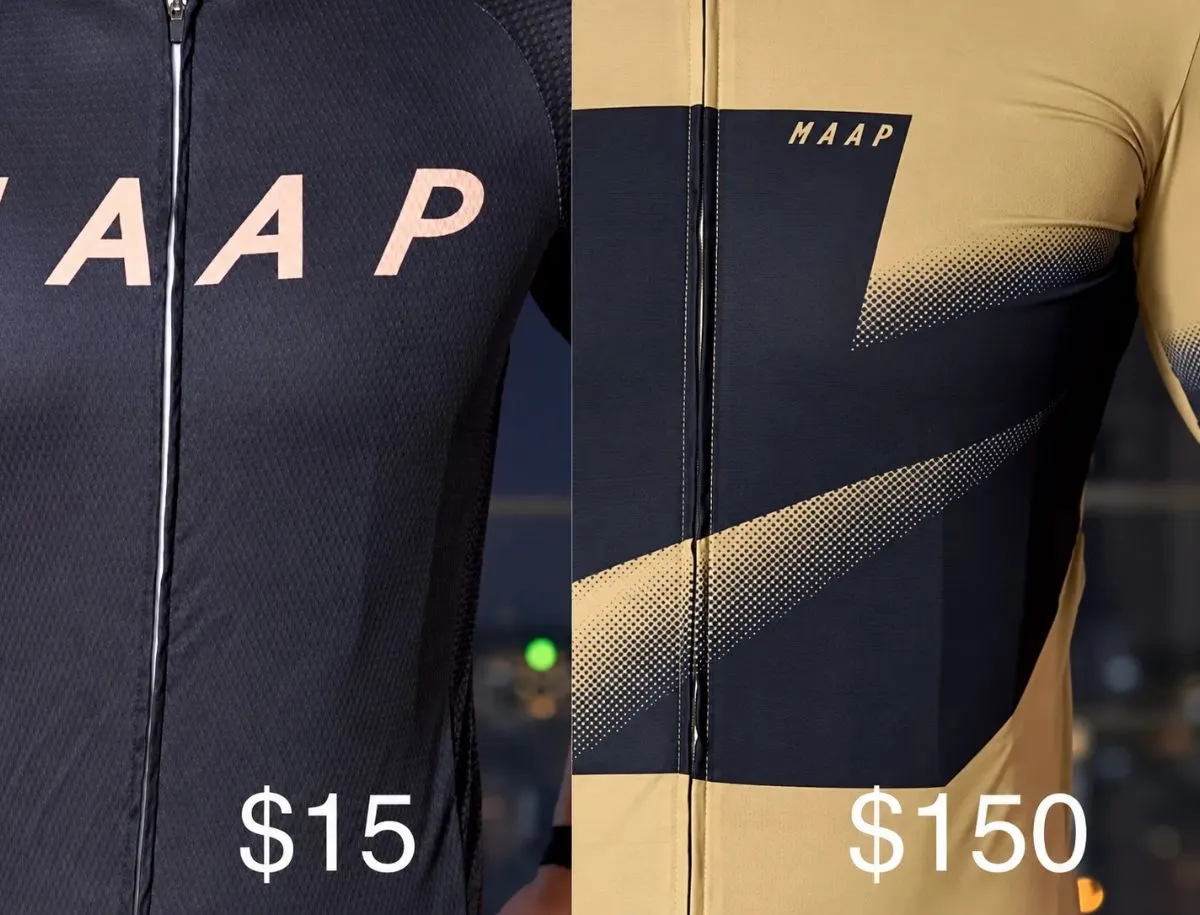
I tested an $11 MAAP replica from AliExpress, a $15.77 "Strava" jersey also from AliExpress, a $30 Fast'r jersey, and the real deal - the $150 MAAP Evolve Pro Air 2.0. I paid for every single one of these with my own money. Nobody sponsored this no free kit in exchange for a glowing review.
I rated each jersey on fit, comfort, quality, practical features, and value for money. By the end, the answer might surprise you - or it might confirm exactly what you already suspected.
For context: I'm 183cm tall and 75kg. I'll note the size of each jersey throughout so you can calibrate the fit descriptions to your own build.
What You're Actually Comparing When You Compare Jersey Prices
Before we get into individual jerseys, it helps to understand what price differences mean in cycling apparel.
At the lower end, you're paying for basic polyester fabric construction; moisture-wicking in theory, durable in practice only if you're lucky. The main variable is quality control, which is where cheap jerseys fall apart (sometimes literally). At the premium end, you're paying for engineered fabrics, precise panel cutting, aerodynamic construction, and a brand that has a reputation to protect.
What most budget vs premium comparisons miss is the counterfeit issue. A $11 jersey isn't just cheap - if it's using another brand's logo without permission, you're funding IP theft. That matters more than most cycling content acknowledges, and it'll shape how I score the cheapest options here.
The $11 MAAP Replica: Cheap, But At What Cost?
Let's be clear about what this is: a counterfeit. It uses MAAP's branding, colorways, and design language without their permission. I bought it out of curiosity, not as a genuine recommendation.
The $11 MAAP Replica: Cheap, But At What Cost?
Let's be clear about what this is: a counterfeit. It uses MAAP's branding, colorways, and design language without their permission. I bought it out of curiosity, not as a genuine recommendation.
The listing claims 100% polyester construction with breathable, quick-dry, and UV protection properties - the same claims you'd find on almost any jersey at any price point. Lightweight fabric with side ventilation mesh panels. Anti-slip waistband. On paper, fine.
Fit and Comfort
The fit is mediocre. Not terrible, but not something you'd choose if you had options. Fit: 5/10.
The comfort surprised me slightly; it's “wearable”. The fabric doesn't feel as awful against the skin as you might expect for $11. Comfort: 7/10.
But "wearable" is a low bar.
Quality and Durability
This is where it falls apart. The stitching is inconsistent. The fabric feels thin and fragile. The MAAP logos are blurry and low-resolution - you can tell immediately that this hasn't been through any real quality-control process. I wouldn't trust it to survive more than a handful of wash cycles. Quality: 3/10.
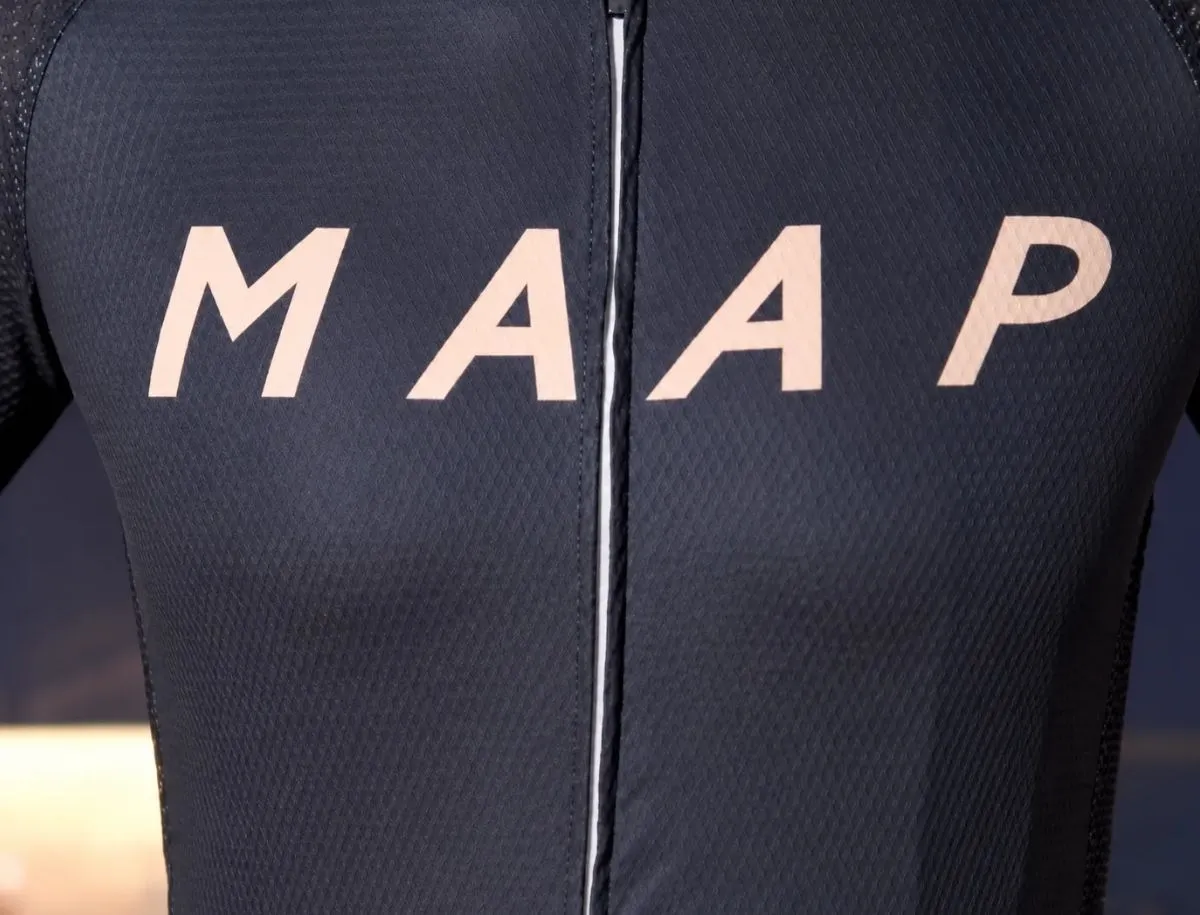
The three rear pockets are there, but they feel like they'd tear under any real load. The jersey is black, which adds another problem for road riding - I want to be seen by cars, not blend into the tarmac.
The Verdict on the Replica
Look, I have nothing against Chinese brands or buying from AliExpress; there are plenty of legitimate companies selling solid kits on that platform, and we'll get to one shortly. I bought this jersey purely out of curiosity: how does an $11 MAAP compare to the real thing that costs 10 times as much? No surprise the real thing is better in every single way. Well, except the price, obviously.
The quality just isn't there, and you're better off spending a bit more on a legitimate product that will actually last. Overall: 3/10.
The $15.77 "Strava" Jersey: Better, but still has some problems
Like the MAAP replica, this one carries Strava's branding. At $15, it's almost certainly not official Strava merchandise. The product listing ticks the same boxes: breathable fabric, moisture-wicking, UV protection, three rear pockets, and reflective strips.
Where It Wins
The comfort is genuinely better than the MAAP replica. The fabric feels more decent against the skin, and the moisture-wicking properties actually function reasonably well. For casual riding, it holds up. Comfort: 7/10.
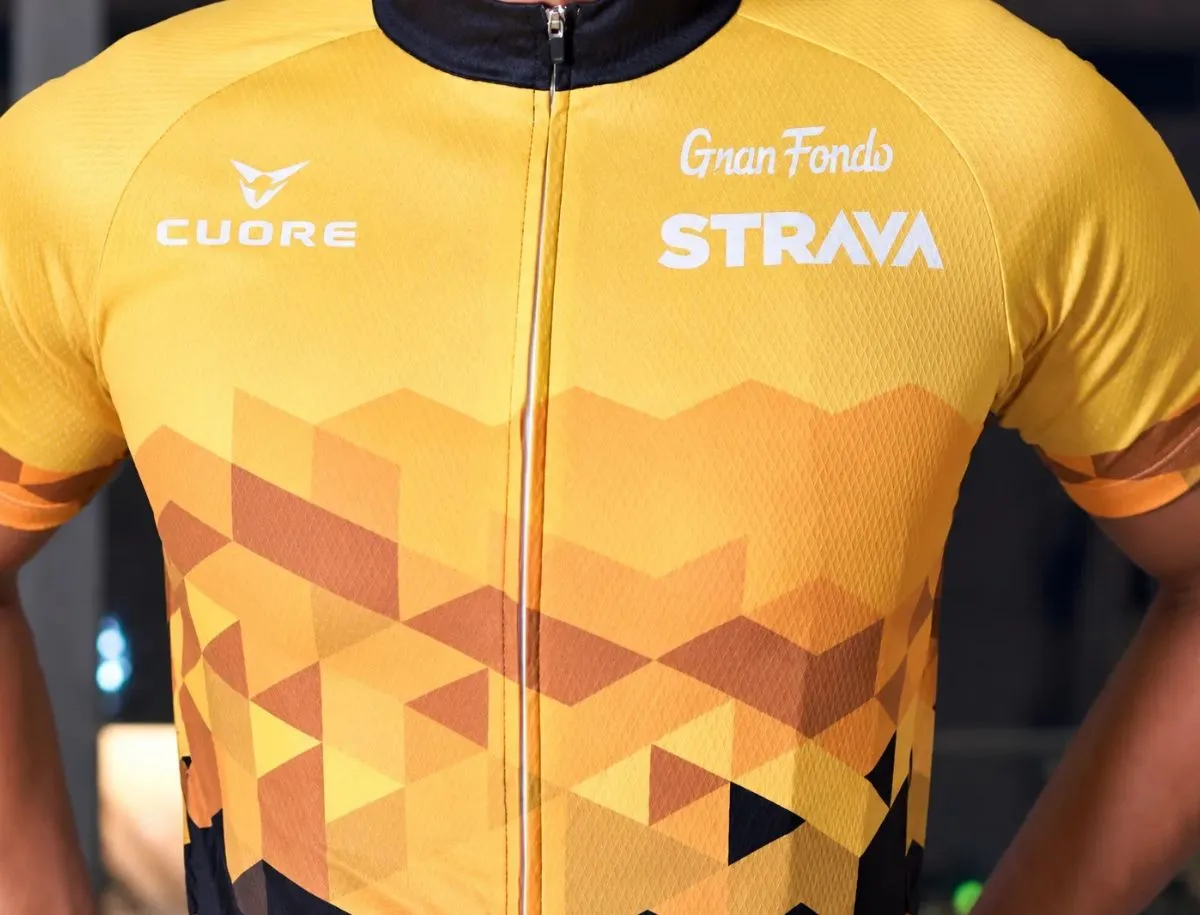
I also like the color. Bright yellow; highly visible on the road. It happens to match my gold socks and Oakleys, which is a bonus. The reflective strips are a practical touch for visibility in low light. Practical features: 6/10.
The Zipper Problem
Here's the deal-breaker: the zip keeps getting stuck. For a jersey where you're constantly adjusting ventilation on long rides, zipping up on descents, and opening it on climbs, a faulty zip makes the jersey functionally unreliable. I genuinely don't know how many more uses it has before it becomes completely unusable.
For any jersey, quality control on the zip is non-negotiable. YKK zippers exist. They're not expensive. When a brand doesn't use them, it tells you something. Quality: 3/10.
At $15, if this were a legitimate brand selling its own product, the comfort level and basic functionality would represent decent value for casual riders. But for the same reason as the MAAP replican IP concerns, questionable longevity, I can't recommend it. Overall: 3/10.
Spend a few dollars more, and you get something dramatically better.
The $30 Fast'r Jersey: The Sweet Spot
Now we're in legitimate territory. Fast'r is an actual brand, with its own designs, identity, and reputation to protect.
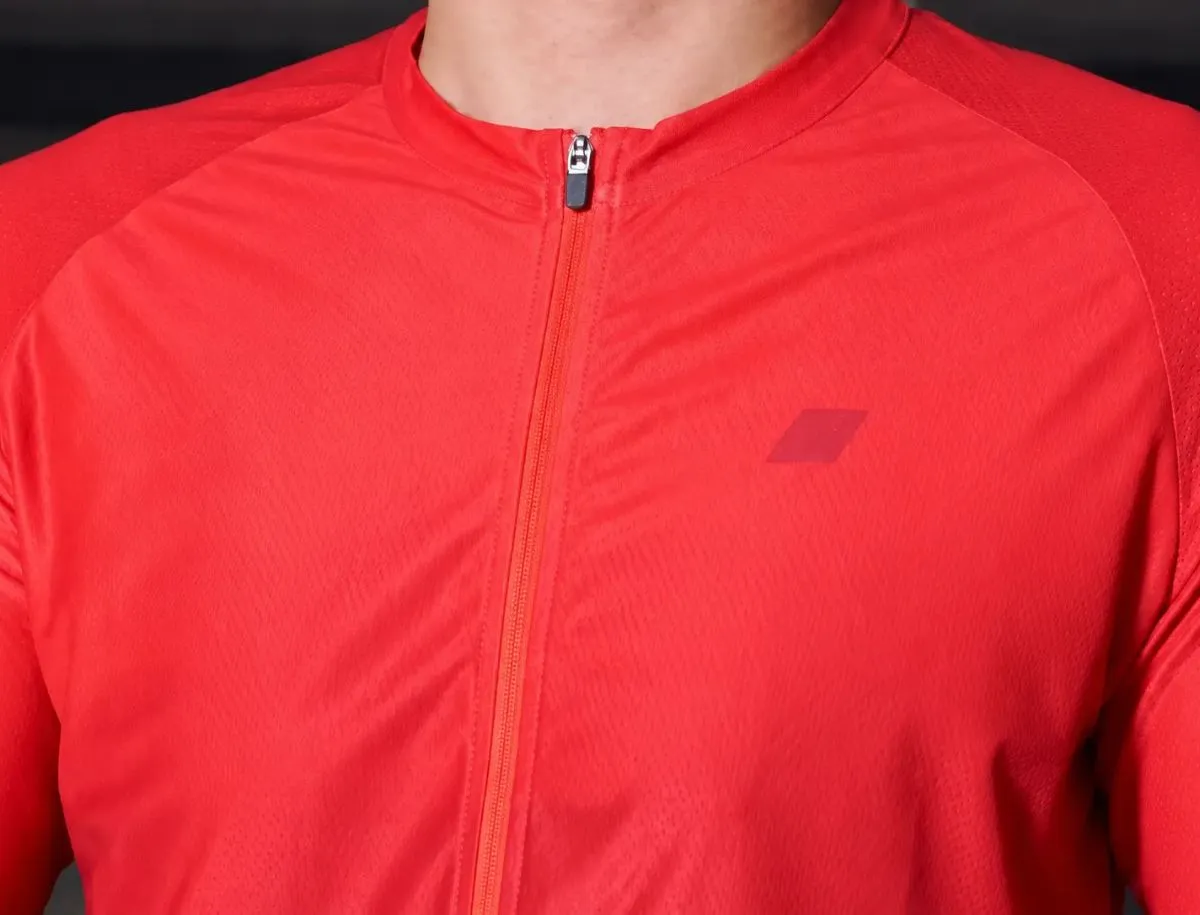
The Fast'r jersey features a flexible elastic hem with an internal silicone band, reflective strips and logo, a low neck with sleeve coverage to the elbow, and a YKK zipper with a leather zipper guard. That last detail matters; YKK is the global standard for reliable zippers, and the leather protector keeps it from snagging your chin on the way up.
Fit That Rewards Sizing Down
I bought this one size too big, so the fit scores low through no fault of the jersey. If you're considering the Fast'r, size down from your usual. My verdict on fit is a 5/10 (but that's a me problem, not a jersey problem. In the right size, this would be an 8).
The upside of going too big: it's extremely comfortable. Loose, unrestricted, easy on longer rides. If you ride for comfort over aerodynamics, a slightly larger size might actually be worth considering. Comfort: 9/10.
Build Quality That Actually Holds Up
The quality jump from the AliExpress options is immediately obvious. Consistent stitching. Fabric that feels durable. The YKK zipper runs smoothly every single time. The internal silicone band genuinely keeps the jersey in place, with no riding up mid-ride. The reflective elements are properly integrated rather than stuck on as an afterthought. Quality: 7/10.
The three rear pockets are properly reinforced. This is how rear pockets should be built, structured enough to hold a phone, a bar, and a jacket without stretching out or tearing. Practical features: 7/10.
The Value Case
At $30, this jersey is the answer to the question most cyclists are actually asking. You get legitimate brand quality, proper construction, real features, and a YKK zipper, all for less than a quarter of what a premium jersey costs.
For recreational cyclists, weekend riders, or anyone who wants to ride in decent kit without spending serious money, this is exactly what you should be looking for. Value: 9/10.
Overall: 7/10.
The $150 MAAP Evolve Pro Air 2.0: What Premium Actually Feels Like
Finally, the real thing. The MAAP Evolve Pro Air 2.0. I liked this jersey so much that I bought two, one in a medium for a race-fit feel and one in a large for a more relaxed fit. I'll explain that decision below.
The Evolve Pro Air is built around moisture-wicking technology and engineered breathable fabrics designed to regulate body temperature, maximize airflow, and optimize cooling. MAAP bills it as a performance jersey for when the temperature and tempo are both rising.
The Fit Debate: Race Fit vs. Comfort Fit
This jersey is race-fit. Close to the body, aerodynamic, and built from a fabric that stretches significantly more than anything else in this comparison. It moves with you naturally in every
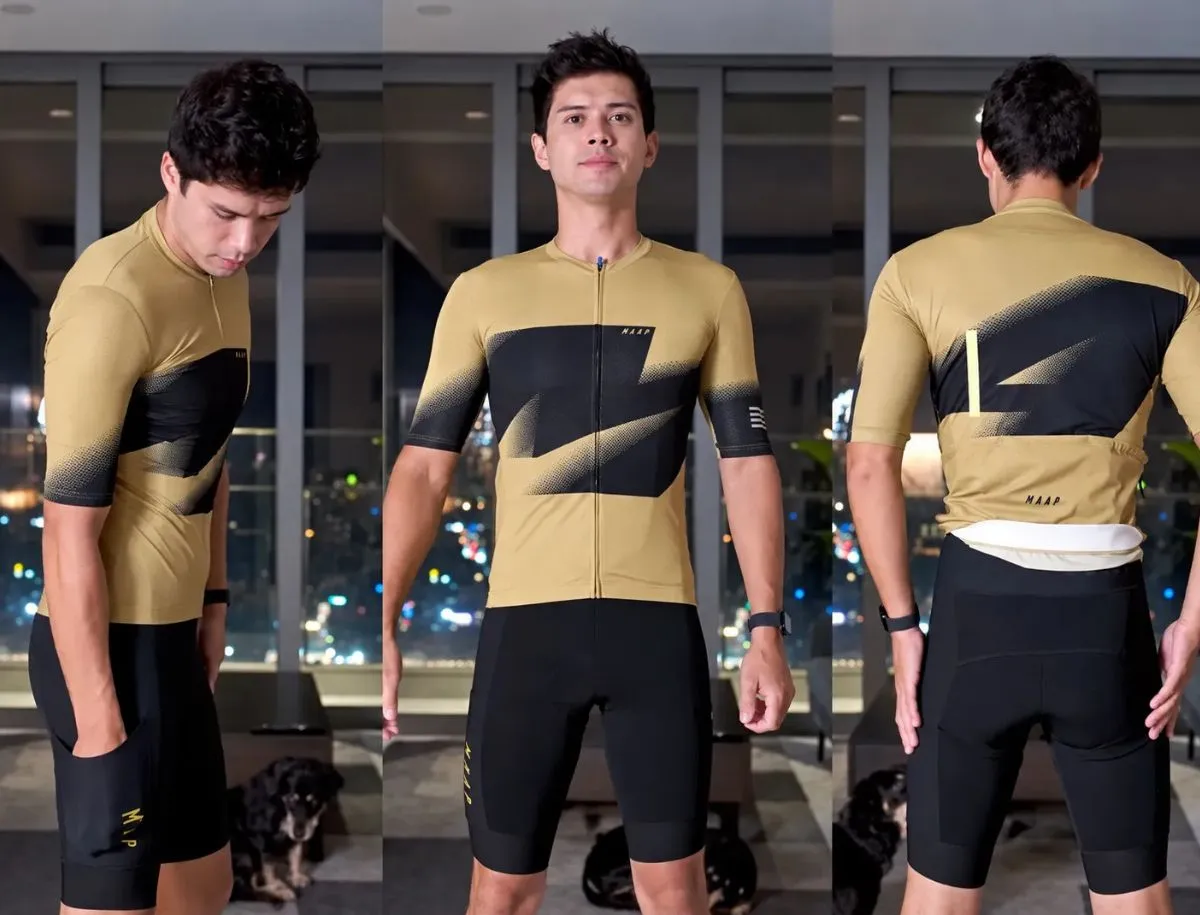
Here's the thing I learned: I actually prefer wearing the larger size for most rides. I value comfort over a skin-tight fit, and on long days in the saddle, the extra room in the larger size just feels better. If you're on the fence between two sizes in a premium jersey, consider buying up, particularly if you're spending serious money and want to actually enjoy wearing it.
Comfort: 7/10. The fabric is incredibly soft, and the moisture-wicking is genuinely impressive during hard efforts. It scores slightly lower than the Fast'r comfort rating only because race fit, by definition, is more restrictive.
What You Actually Pay For
The quality difference between the MAAP and the Fast'r is real, but it's subtle in a way that's hard to articulate without holding both jerseys in your hands. Everything is just more refined, flawless stitching, premium fabric weight, perfectly executed finishing details. A zip pocket for valuables alongside the three standard rear pockets. Reflective strips on the shoulder and back.
Quality: 10/10. I also own the MAAP Alt Road Cargo 2.0 bib shorts (a painful $315). Those are the only items of cycling clothing where, ten months in, I still get the "these feel unbelievable" reaction every time I put them on. The jersey delivers the same premium feel.
The Value Question
This is where honest review writing gets complicated. At $150, is this jersey ten times better than the $15 option? No. Is it meaningfully better than the $30 Fast'r? Yes, but probably not five times better.
For the vast majority of cyclists, including most serious amateur riders, the Fast'r jersey at $30 delivers 80-90% of the riding experience at 20% of the cost. The MAAP delivers the remaining 10-20% of refinement at the remaining 80% of the cost. That's how premium pricing works in cycling kits.
Value: 2/10. Not because the jersey isn't excellent; it is! But because the price-to-performance curve is brutal. Overall: 7/10. Same overall score as the Fast'r, but for completely different reasons.
If you ride every single day, have genuine disposable income, and care deeply about the materials touching your skin on long rides, the MAAP is worth it. For everyone else, the Fast'r is the smarter buy.
The Verdict: Which Price Point Wins?
The $30 Fast'r wins on value. Full stop. It's the jersey I'd buy if I were starting fresh and wanted something I could trust for the next two or three years. The two cheap AliExpress jerseys score identically and for overlapping reasons: questionable IP, inconsistent quality, and no real reason to recommend them over a legitimate $30 product.
The $150 MAAP is a genuinely premium kit. Buy it if the premium kit is important to you and you can justify the spend. Don't buy it expecting it to transform your riding.
What to Look for When Buying a Cycling Jersey
Based on testing these four jerseys, here's what actually matters:
Zipper quality. A faulty zip ruins a jersey. Look for YKK, it's the industry standard, and it's reliable.
Rear pocket construction. Rear pockets take real abuse: phones, nutrition, packed jackets. Reinforced pockets matter, especially on longer rides.
Visibility. If you're riding on roads with traffic, bright colors aren't optional. Black jerseys look great in photos. They're harder for drivers to see. Buy accordingly.
Silicone hem gripper. The internal silicone band that stops a jersey from riding up is a feature that separates functional jerseys from ones that slide out of your shorts every 10km.
Ethical sourcing. If a jersey carries a brand logo at a price that makes no sense for that brand, it's likely counterfeit. There are plenty of legitimate budget brands on AliExpress and elsewhere; stick to those.

Review by Mike Dee
I test road bikes, carbon wheels, and cycling gear with quantifiable lab tests and real riding. No marketing spin, just the data - so you don't have to spend hours researching or wasting money on the wrong gear.