



Elitewheels ENT 2.0 Carbon Wheels Review: 2 Years and 7,000km Later - Still Worth It?
I bought the Elitewheels ENT 2.0 in September 2024 for $315 after a $30 discount code off the regular $345 price. That was almost two years ago, and I've since put 7,000 kilometres on them. More importantly, I've also tested 21 other carbon wheelsets since then, which means I can now tell you exactly where the ENT 2.0 sits in the field, not just whether it's good in isolation.
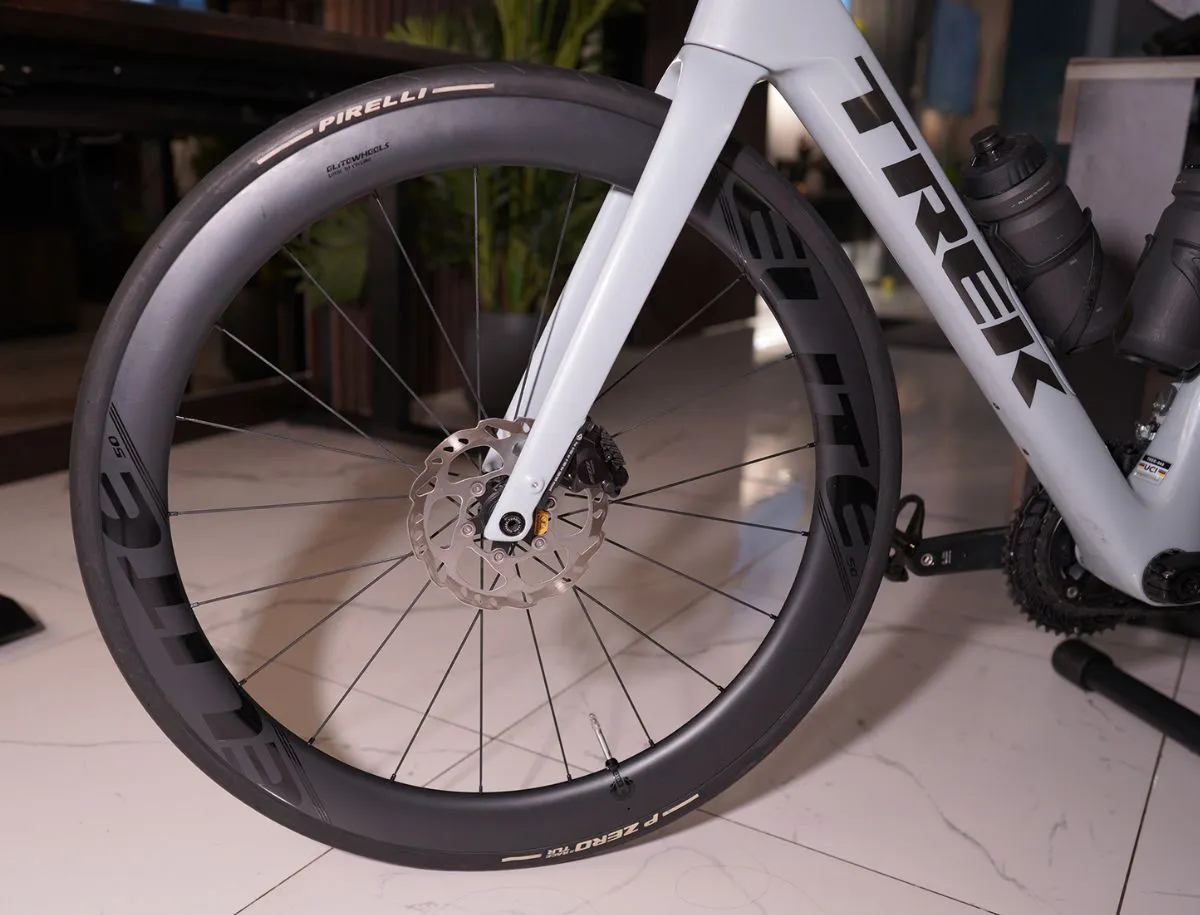
This is not a first-impression review. This is what two years of Ironman 70.3 training, group rides, and a LOT of potholes actually does to a $350 wheelset.
What the Elitewheels ENT 2.0 Actually Is
The Elitewheels ENT 2.0 is the number-one best-selling carbon wheelset on AliExpress, over 10,000 units sold from their official store alone, with 1,380 reviews averaging 4.9 stars. Those numbers are relevant context, not just hype.
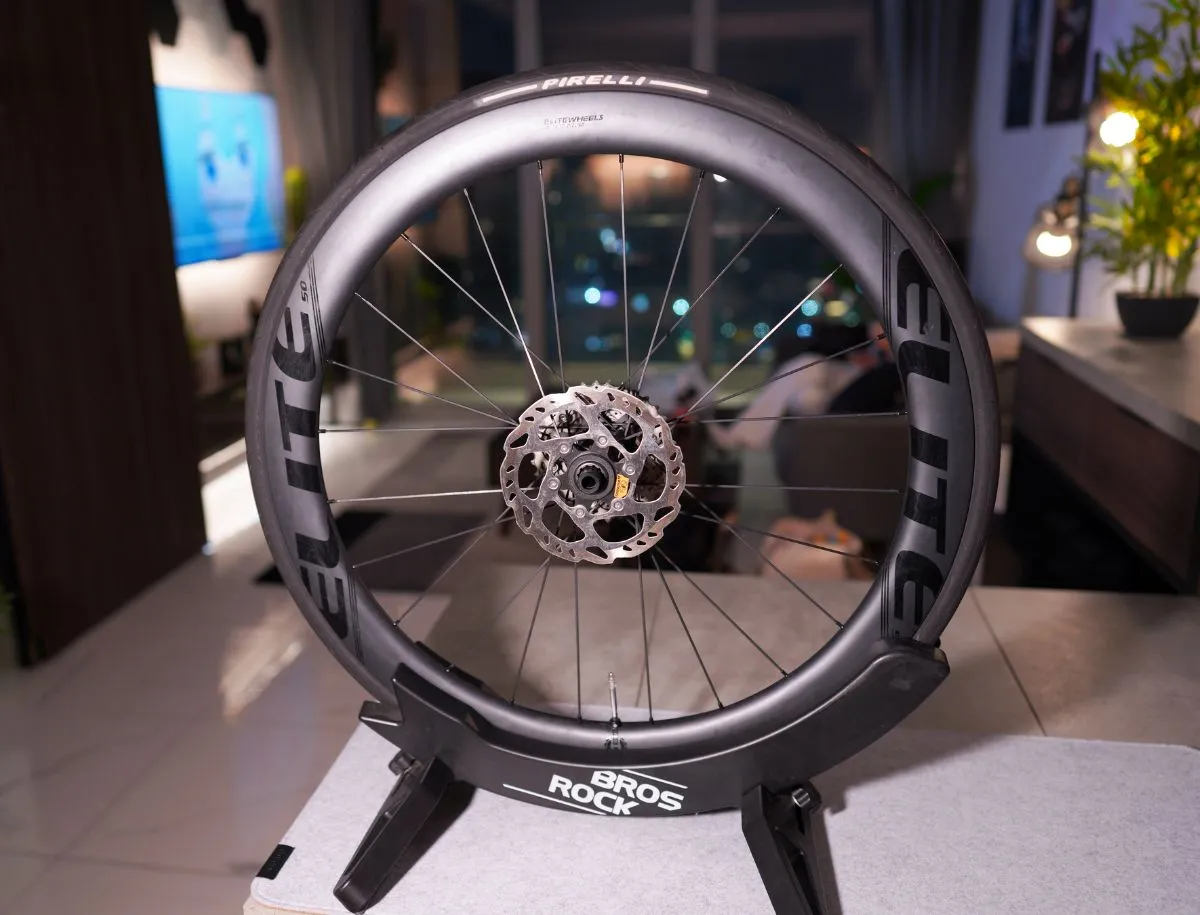
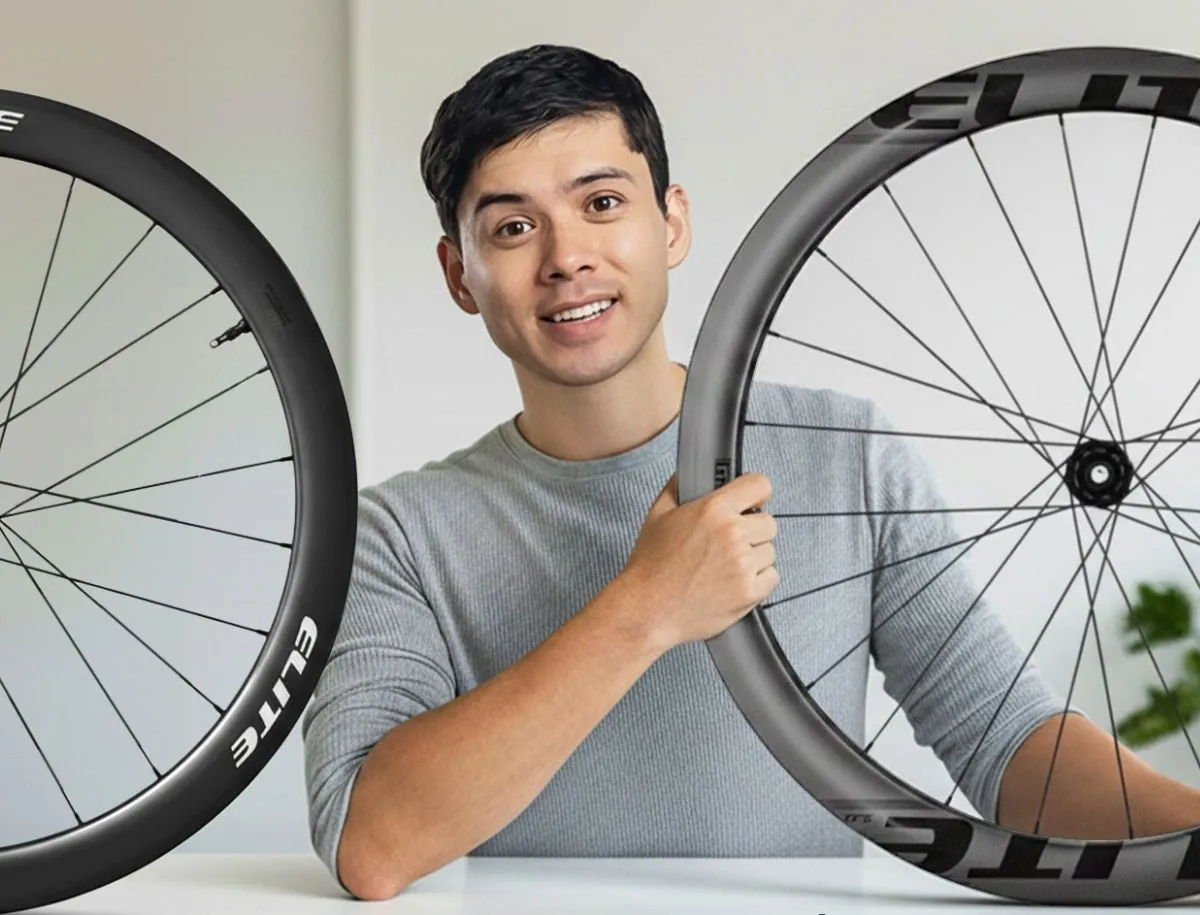
The ENT 2.0 is a 50mm carbon clincher disc wheelset, though you can spec it anywhere from 30mm to 82mm rim depth. It's tubeless-ready and costs around $350 on AliExpress from Elitewheels' official store. The 2.0 was a meaningful update over the original: the rear hub was redesigned, lateral stiffness increased by around 20%, and Elitewheels claimed a 15% improvement in transmission efficiency through a larger effective contact area in the freehub engagement. In practical terms, that means more power transfers when you sprint or climb, and the wheel flexes less side to side under hard efforts.
My local bike shop quoted me over $1,200 for a decent set of Zipp wheels when I was looking to upgrade from the stock Bontrager Paradigm SL TLR aluminium rims on my Trek Domane. I walked out, went home, and found these on AliExpress. That price gap is what makes the ENT 2.0 matter, not as a budget compromise, but as a genuinely different conversation about what carbon wheels can cost.
How I Tested These Wheels
Over the last 12 months, I've reviewed 13 carbon wheelsets and put every single one through the same standardised testing process. Around 20 hours per wheelset: weighing the wheels, running carbon fibre quality tests with an endoscope camera, measuring spoke tension across every spoke, and putting 500 to 1,000 kilometres of real-world riding on each pair.
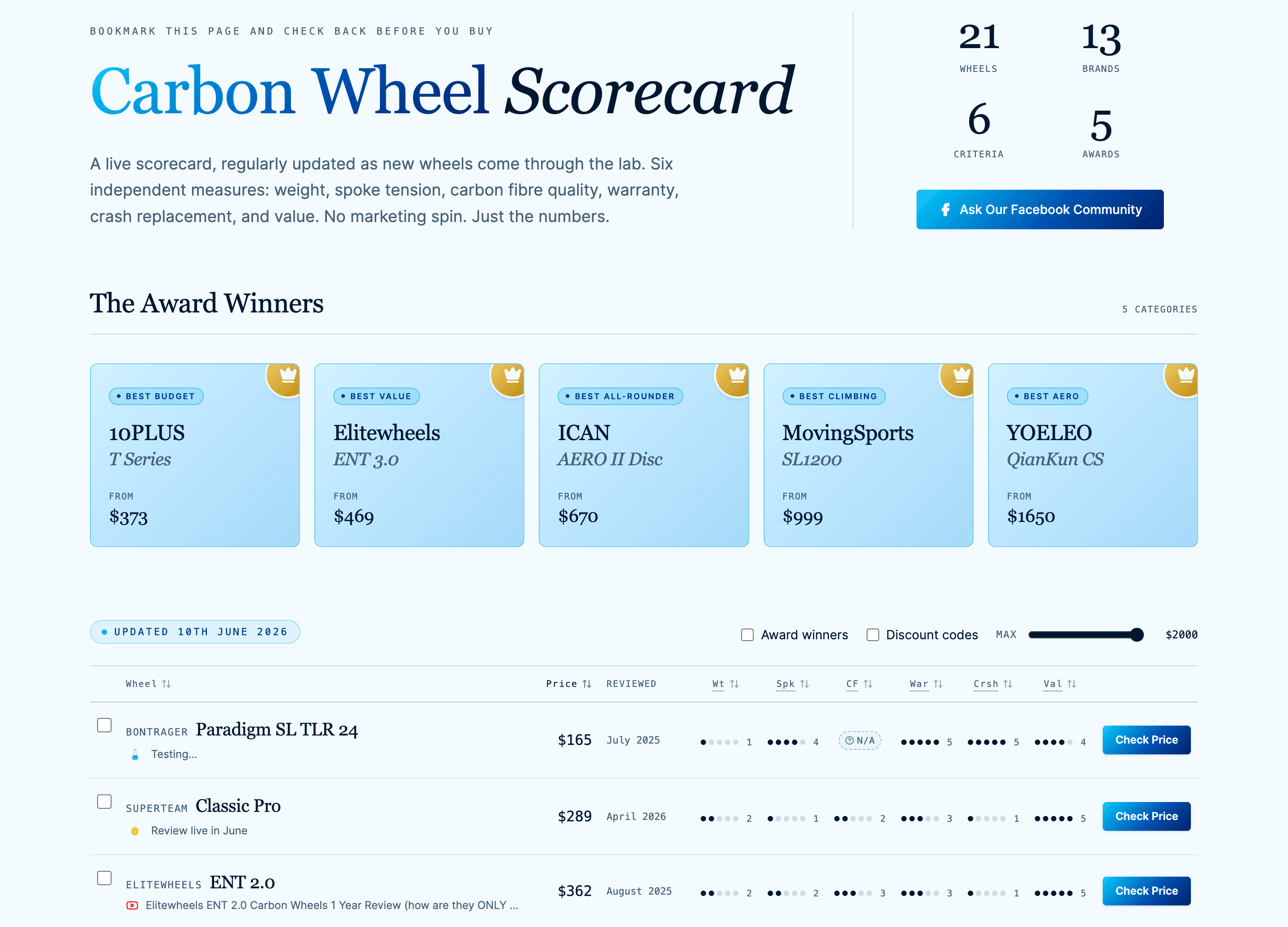
The goal is objective data, not someone saying a wheel "feels fast." All 13 wheelsets are in a single comparison document called the Carbon Wheel Scorecard, which you can download for free. Link is in the description, and I update it every time I test a new wheelset.
The ENT 2.0 was the first one on that scorecard. Two years and 7,000 kilometres later, I now know exactly how it compares.
Ride Experience
First Impressions Moving from Aluminium
When I first bolted the ENT 2.0s onto the Domane, the difference from the stock Bontrager Paradigm SL aluminium rims was immediate. The bike felt more planted through corners, absorbed road buzz differently, and was noticeably more responsive under hard efforts. Within about five minutes of the first ride, I was thinking, okay, I get it now. That's not something I say about every product.

The wheels feel now almost exactly as they did when I first put them on. No gradual deterioration in stiffness, no developing wobble, no sense that these are wheels running out of life.
Long-Term Durability on Real Roads
A large chunk of those 7,000 kilometres has been Ironman 70.3 training, which means long rides, often back to back, in heat, on roads that are not always in great condition. These have not been babied. No visible chips, cracks, or structural marks anywhere on either rim after all of that. The finish has held up better than I honestly expected.
.webp)
The hubs still sound and feel exactly as they did on day one. No play, no creaking, no sign of bearing deterioration. Whatever Elitewheels did with the hub redesign on the 2.0, it has held up to sustained, hard use.
Wet Weather and Crosswinds
I've ridden the ENT 2.0s in wet weather multiple times. Through the disc setup, braking performance has been consistently reliable throughout, no drama, no surprises. That's not something you can always take for granted with budget carbon wheels.
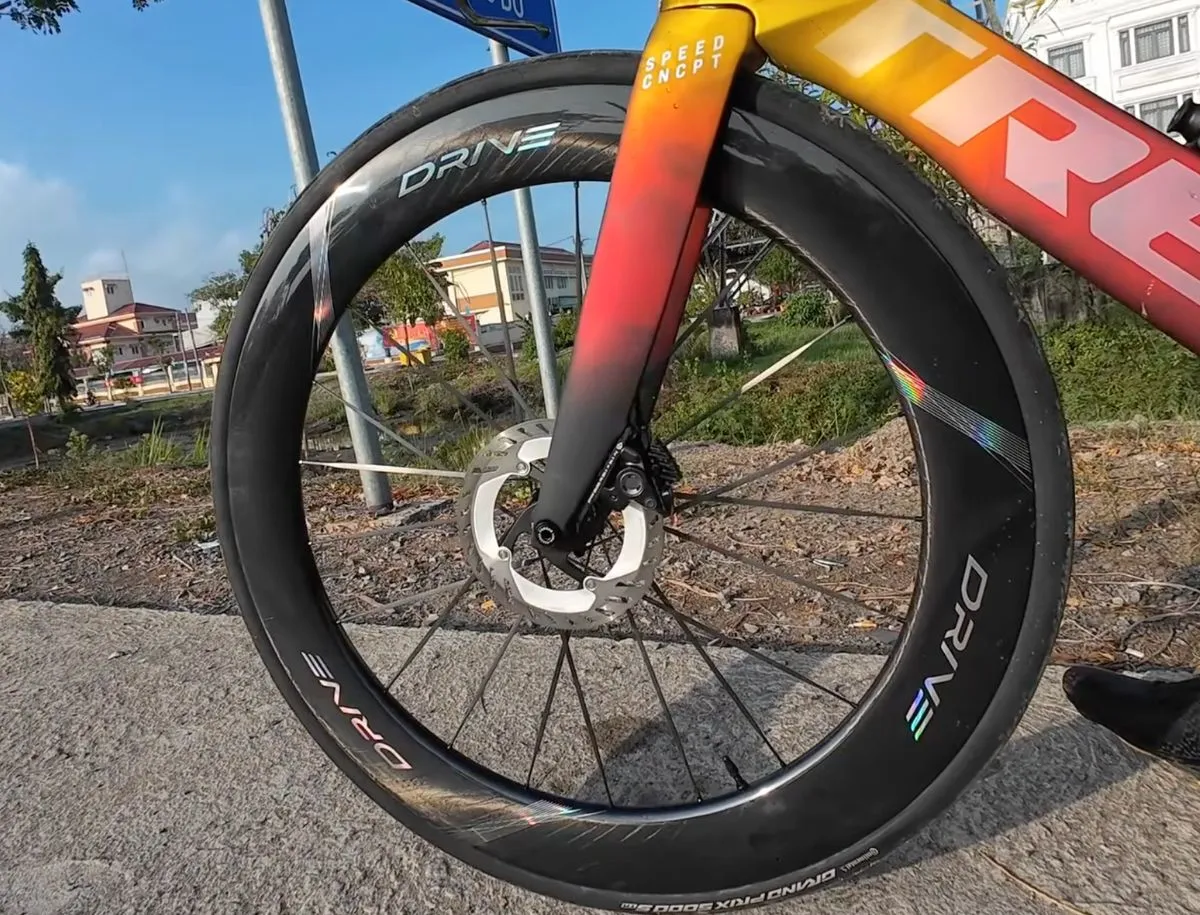
On crosswind stability: the ENT 2.0 comes in rim depths from 30mm to 82mm. On my 50mm version, I've maybe noticed the wind push the front wheel in a way that required real correction a handful of times. For most riders in most conditions, it won't be a factor, but if you're regularly riding in very exposed, gusty conditions, it's worth factoring in when choosing rim depth.
The Spoke Tension Issue: What It Means in Practice
Spoke tension matters more than most riders realise. Inconsistent tension is one of the leading causes of buckled rims, poor power transfer, and spokes failing under load. A wheel can look and ride fine and still have tension variance that causes problems under hard efforts. You would never know without actually measuring it.
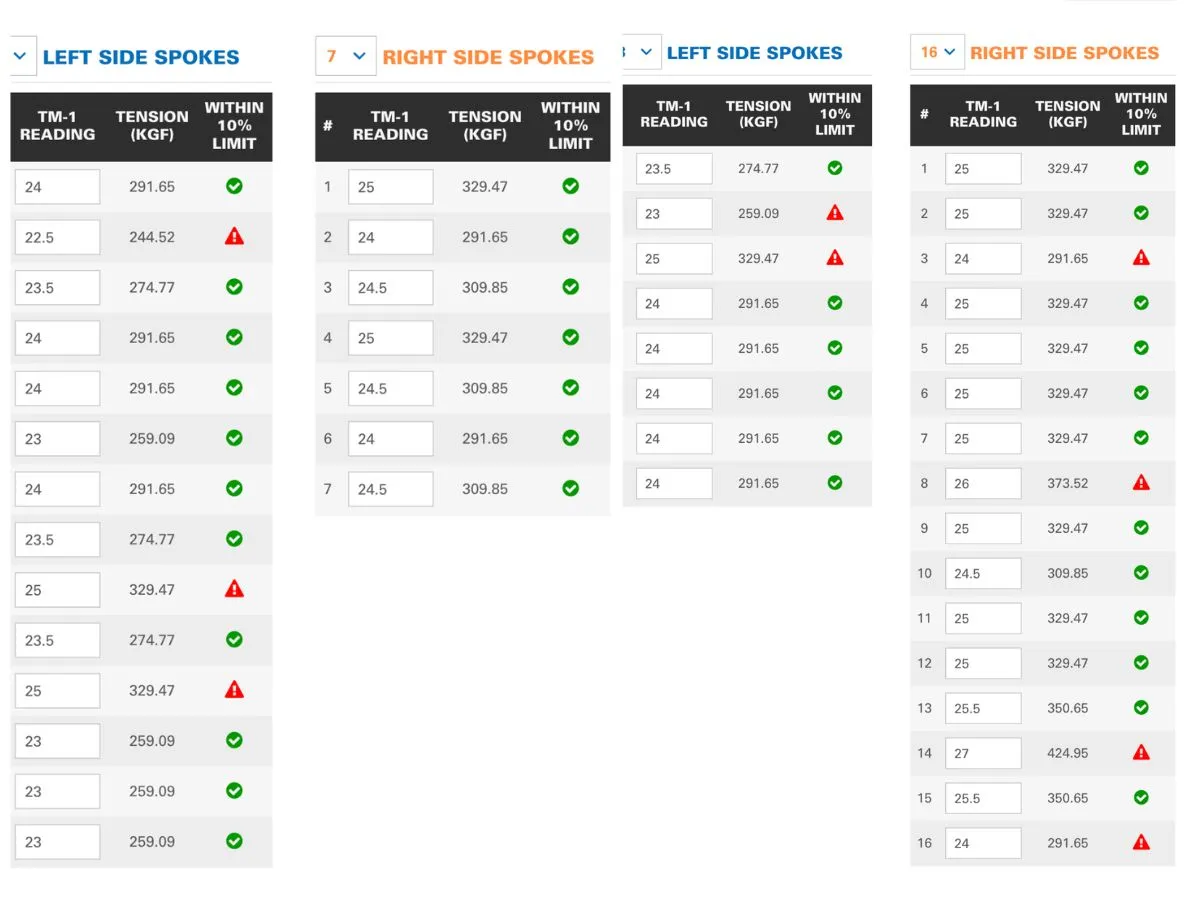
The ENT 2.0's radar charts show noticeably uneven shapes on both wheels, the left and right sides pulling in different directions rather than the even, round profile you want to see.
That said, I have not had a single failure with these wheels. But the data is the data, and it's worth knowing before you buy. If you pick these up, getting them re-tensioned by a local wheelbuilder after purchase is worth considering. The cost of a re-tension is small relative to what you're saving on the wheels themselves.
Elitewheels ENT 2.0 vs Zipp: Is the Gap Worth It?
The local bike shop quoted me over $1,200 for a decent set of Zipp wheels. The Elitewheels ENT 2.0 at $350 is roughly a third of that price. I have experienced no structural issues, consistent ride quality, and clean carbon internals. The hub has not degraded. The ride has not gotten worse.
What you give up compared to a Zipp wheel: better spoke tension consistency out of the box, a formal crash replacement programme, and lighter weight. What you keep: real carbon performance, a hub that lasts, and $800 or more in your pocket.
For most riders who are upgrading from aluminium and want to understand what carbon wheels actually feel like, the ENT 2.0 wins the value argument. If you're a competitive racer who needs every gram or demands Western-brand warranty support, the maths changes. But that's a narrower group than the marketing of expensive wheels would have you believe.
Why $350 Carbon Wheels Are Becoming Rarer
This is worth understanding before you decide. The profit margins on carbon wheels are already thin across the board. On a $300-$400 wheelset, they are extremely thin. Raw materials, manufacturing, quality control, shipping, warranty support, it all costs money, and at $350 there isn't much left over.
A $1,500 wheelset from a premium brand is not necessarily three or four times better than a $400 one, but the profit on it is a completely different conversation.
That's a large part of why there isn't much competition in the $300-$400 carbon wheel space. Most brands would rather not operate there. The economics make more sense at higher price points, and that's where they focus. The ENT 2.0 exists in a segment that is getting smaller, which makes it more relevant, not less.
Who Should Buy the Elitewheels ENT 2.0
Buy these if: You're riding aluminium wheels and want your first real carbon upgrade. You're building out a road bike setup on a realistic budget. You want to know what carbon wheels feel like before committing to a four-figure spend. You're an Ironman or triathlon rider who needs a wheel that can handle volume and heat without falling apart.
Skip these if: You need ultra-lightweight race wheels and every gram counts. You want a formal crash replacement programme. You're uncomfortable buying directly from AliExpress.
One important note: buy from Elitewheels' official AliExpress store, not from third-party sellers. The official store is where the warranty and customer service actually apply. I've linked the exact listing I bought from below. Prices shift on AliExpress, but as of writing this is what I paid.
Elitewheels ENT 2.0 Long-Term Verdict
Two years. 7,000 kilometres. Thirteen wheelsets were tested for comparison. The ENT 2.0 at $350 still has the best value-to-performance ratio of anything I've tested. The spoke tension result is a real flag and worth addressing after purchase, but it hasn't caused a single real-world failure in my experience, and the ride quality, hub durability, and carbon construction have all held up exactly as well as I'd hoped.
I covered the full test process and two-year breakdown on my YouTube channel.

Review by Mike Dee
I test road bikes, carbon wheels, and cycling gear with quantifiable lab tests and real riding. No marketing spin, just the data - so you don't have to spend hours researching or wasting money on the wrong gear.