



Trek Domane SL5 Road Bike Review: 18 Months and 10,000km Later
I bought the Trek Domane SL5 4th Generation about two years ago for $3,500. No sponsorship, no press loaner. In the 18 months since then, I've put around 10,000km on it, ridden two Ironman 70.3 triathlons, done plenty of 5 am training sessions, group rides, riding in the torrential rain, pothole-filled roads, and everything in between.
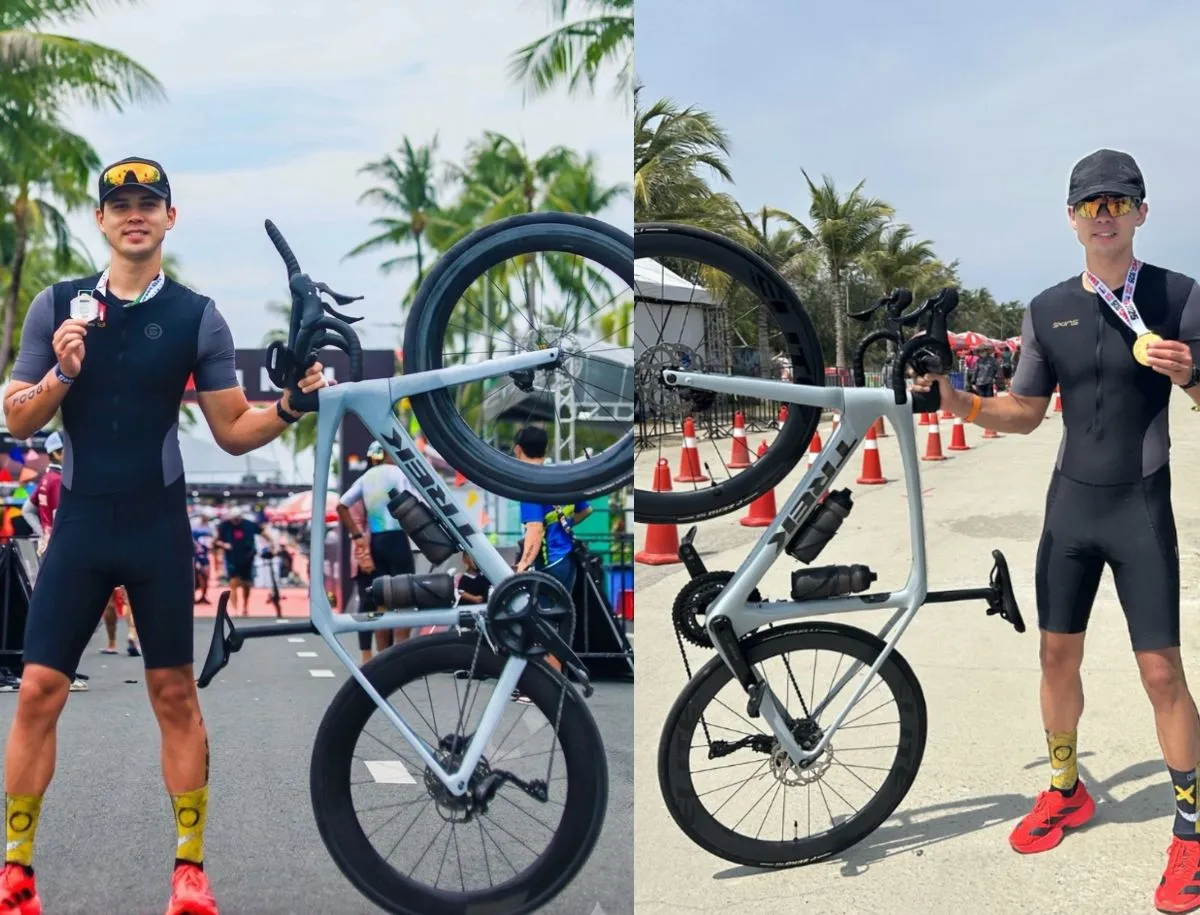
I still absolutely love this bike. I would buy it again without hesitation. But there are things I found out about it at the 6-month mark, and again at 12 months, that most reviews never get to because they're based on a few weeks of riding. That's what this review is actually about.
What is the Trek Domane SL5?
The Domane sits in Trek's endurance road bike lineup. If you're comparing it to the Madone, which is Trek's race-focused frame, the key difference is geometry. The Domane has a taller head tube, shorter reach, and puts you in a more upright position. It's built for long days in the saddle, not for chasing KOMs.
The 4th generation SL5 runs Shimano 105 components and weighs in at 8.42kg in my build. That's on the heavier side for a carbon road bike, but that weight is deliberate. The IsoSpeed decoupler, the in-frame storage, and the more relaxed front end all add up. This is not a bike you buy to shave seconds on a climb.
I bought it because I was training for my first Ironman 70.3 and needed something that could handle long training days without destroying my back. It delivered on that.
Ride Quality
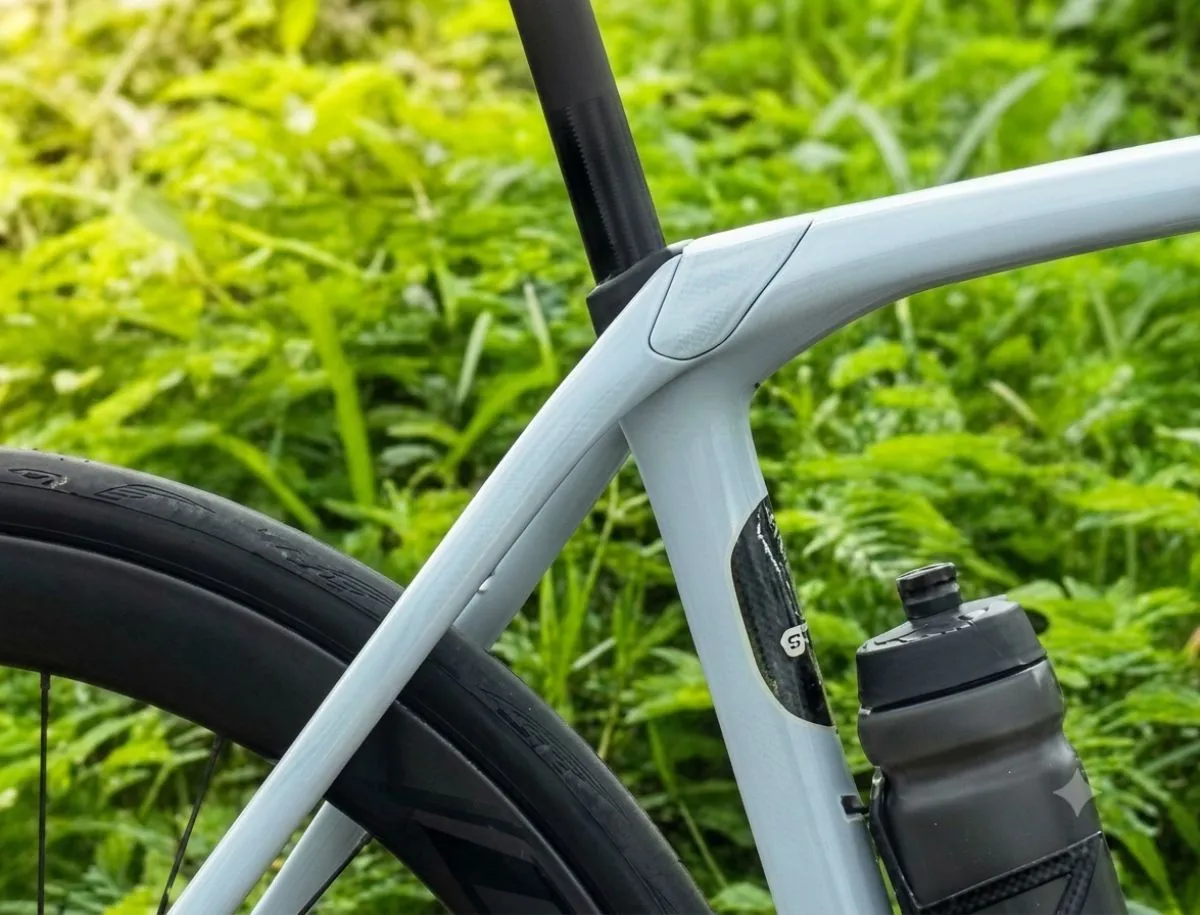
The ride quality is genuinely good. The IsoSpeed system at the seat tube lets the rear of the frame flex independently from the front, which takes the edge off road vibration without making the bike feel vague or disconnected. You still feel the road, but the harshness is filtered out in a way that makes 150km rides manageable
About 600 to 700km in, I slammed the stem completely. Dropped it as low as it would go. I half expected the ride character to shift toward something more aggressive. It didn't. The bike stayed comfortable even in that more aero position.
The 38mm tyre clearance is underrated. Most road bikes in this price range top out at 28 or 32mm. The Domane takes 38mm, which means you can run wider rubber for comfort, or swap in some gravel tyres if you want to explore light off-road terrain. That clearance makes this a genuinely versatile platform.
The Upgrades I Made
Wheels
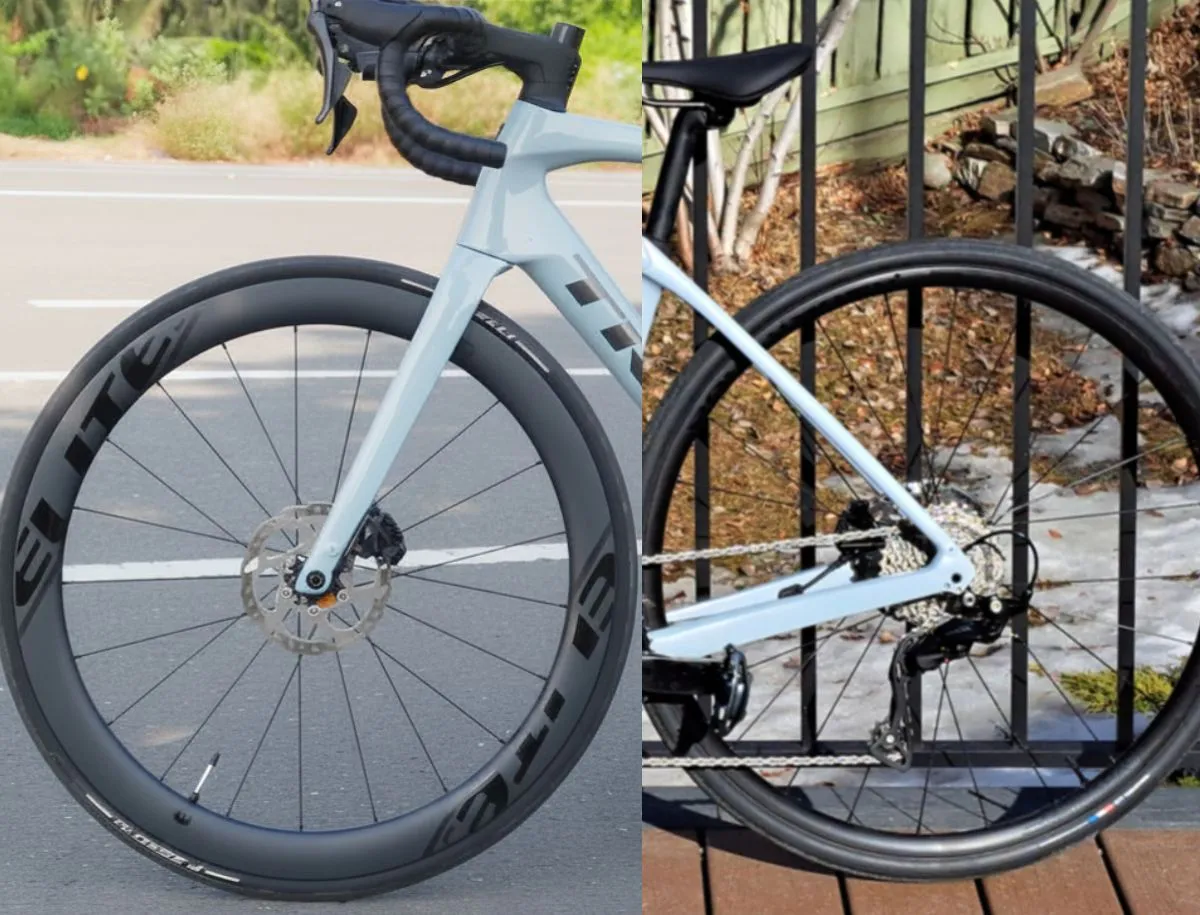
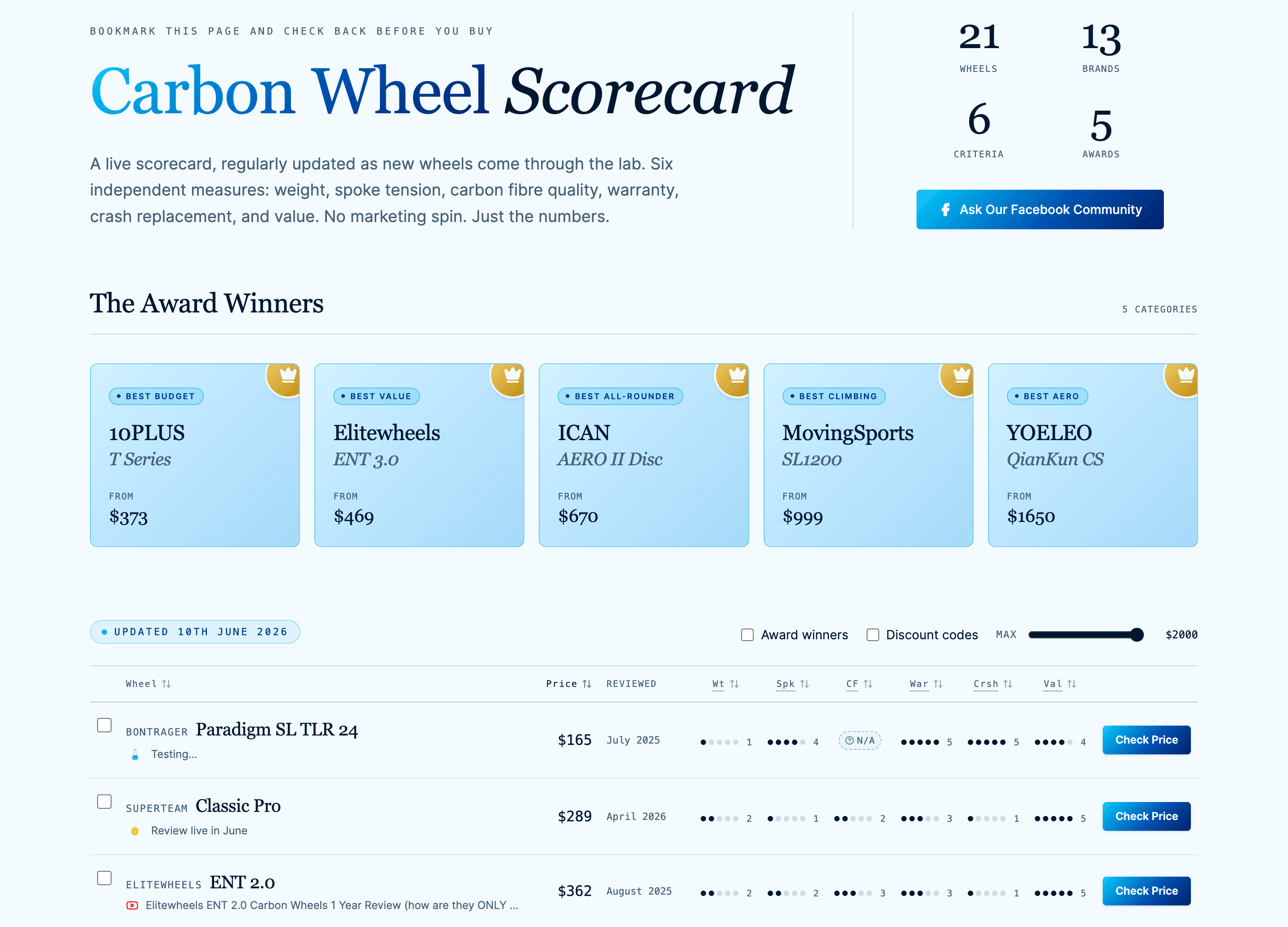
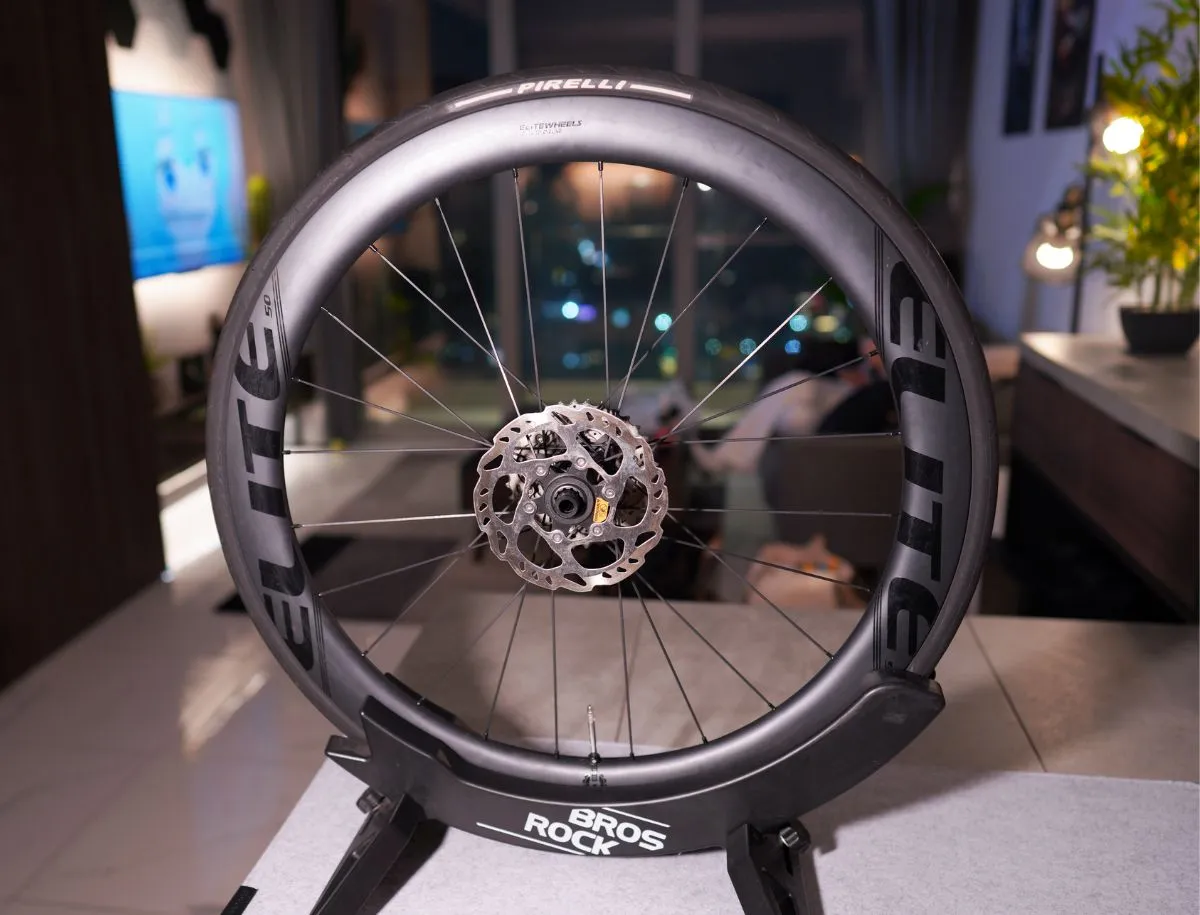
The stock Paradigm SL TLR 24 wheels that came with the SL5 were the first thing I changed. On a $3,500 bike, they made the whole package feel and ride like a cheap commuter. Swapping them out for the Elitewheels ENT 2.0 50mm carbon wheels was the single best upgrade I made. The difference was immediate. Faster, more responsive, and it completely changed the feel of the bike.
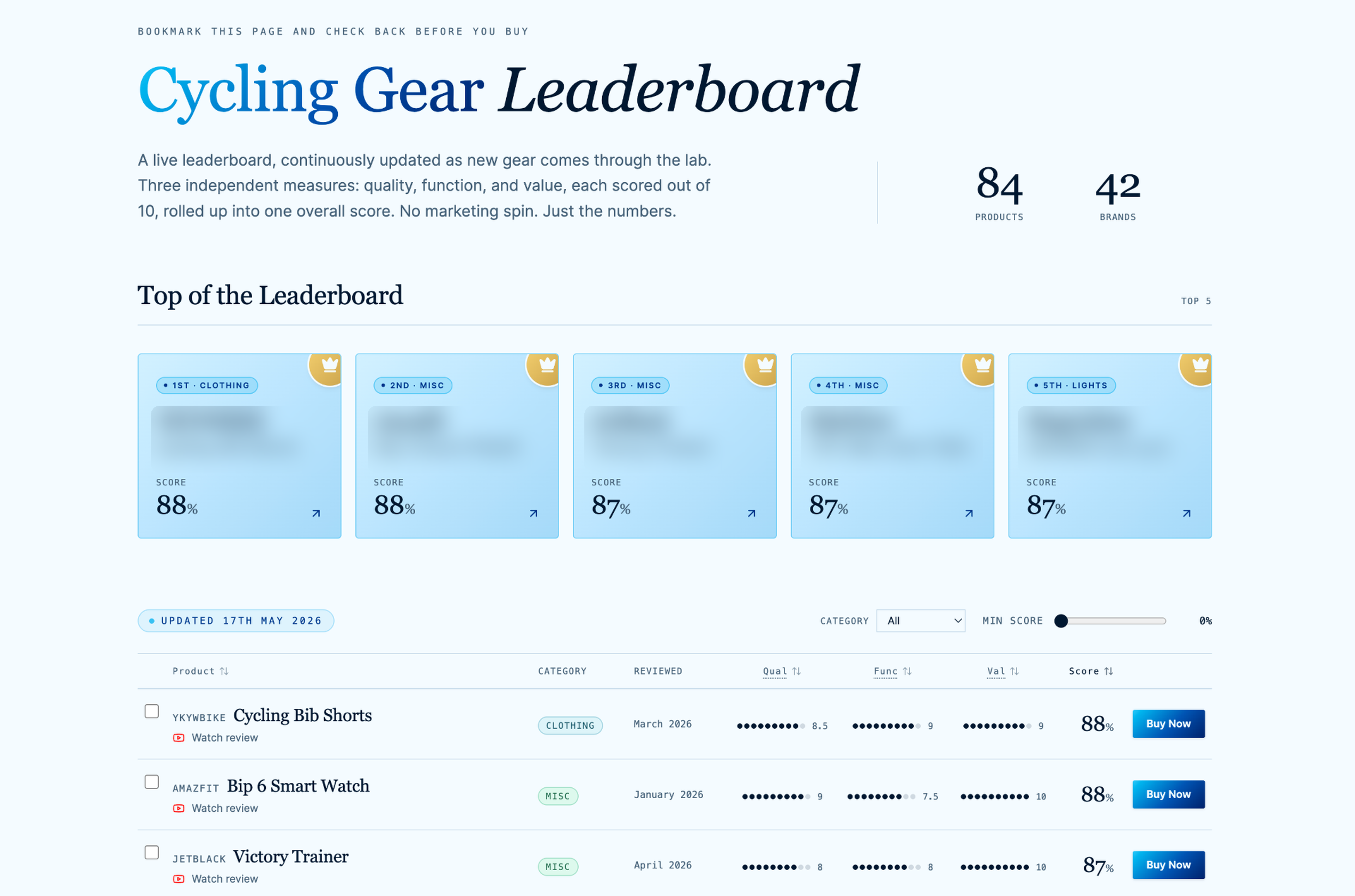
If you're trying to figure out which carbon wheels make sense for a bike like this, I've built a Carbon Wheel Scorecard that benchmarks 21 wheelsets I've reviewed across the same criteria: weight, spoke tension, carbon quality, warranty, crash cover, and value.
Tyres
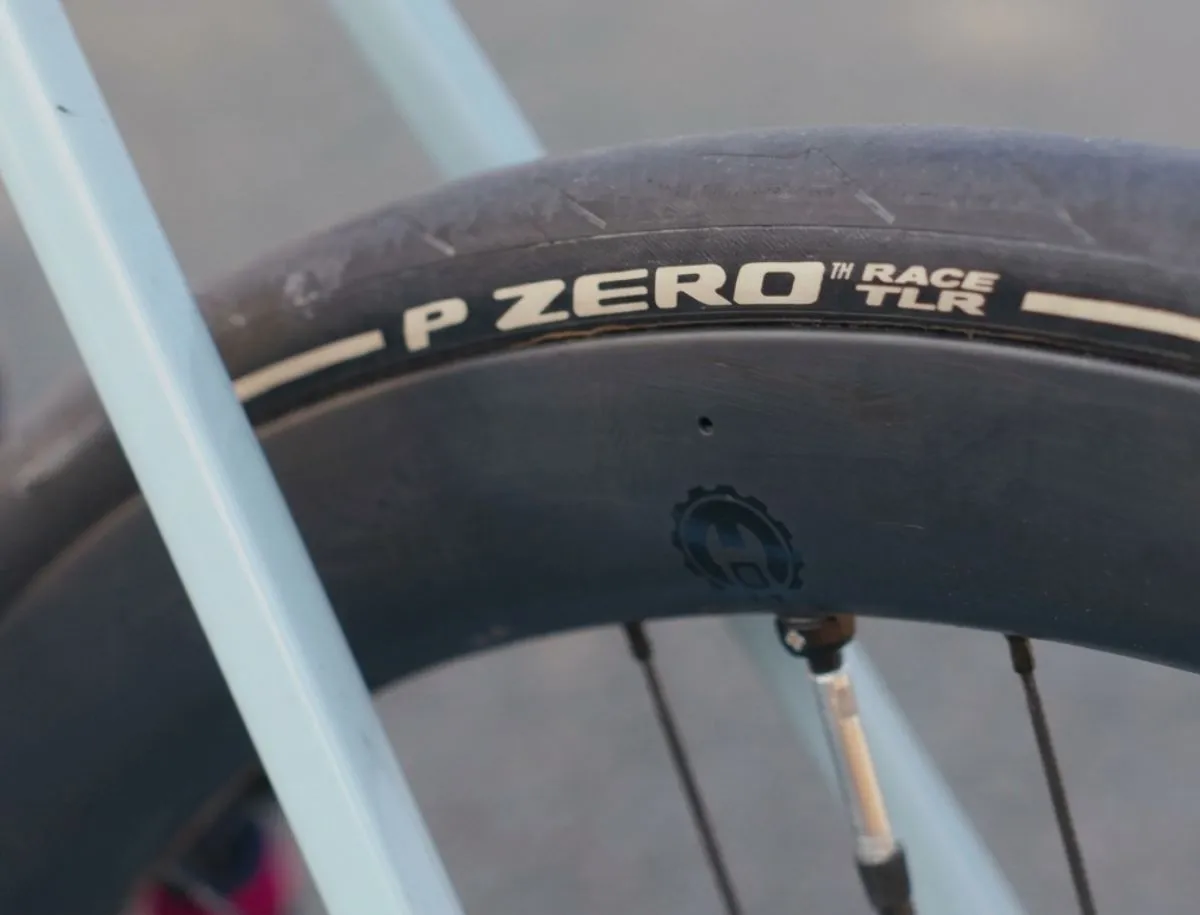
After the wheels, I swapped the stock tyres to Pirelli P Zero Race TLRs and later moved to Continental GP 5000 STR tubeless. Going from stock tyres to a proper tubeless setup is possibly the most noticeable single upgrade you can make to this bike. The ride gets more confident, more planted, quieter, and just smoother in almost every way.
Aerobars
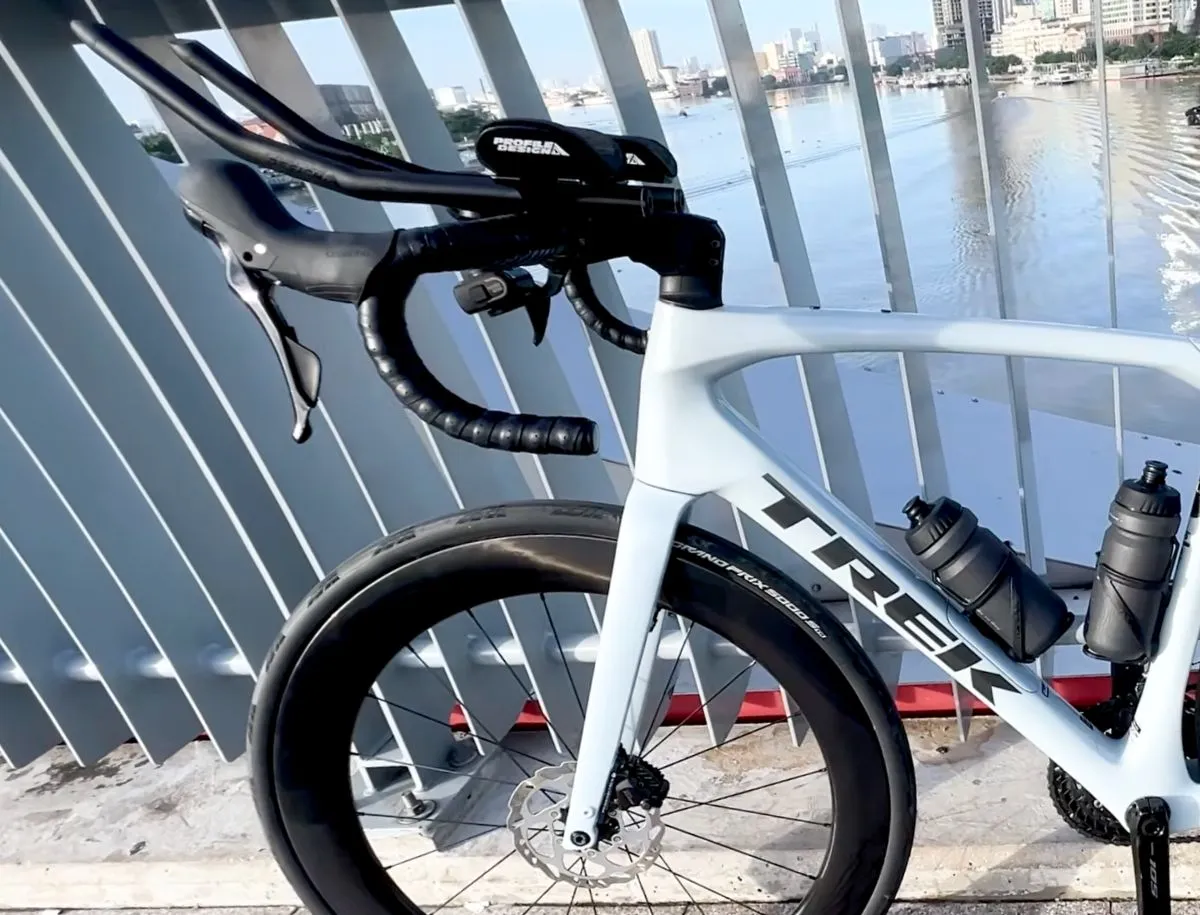
I added the Profile Design Sonic Ergo 39a aerobars for $199 because I was training for Ironman 70.3. They worked well in training and through my first 70.3. At my second 70.3, the left aerobar started to feel loose somewhere in the first half of the bike leg. That's on me. I didn't check the torque before the race properly, and I paid for it. Not a product failure.
Trek Blendr and In-Frame Storage
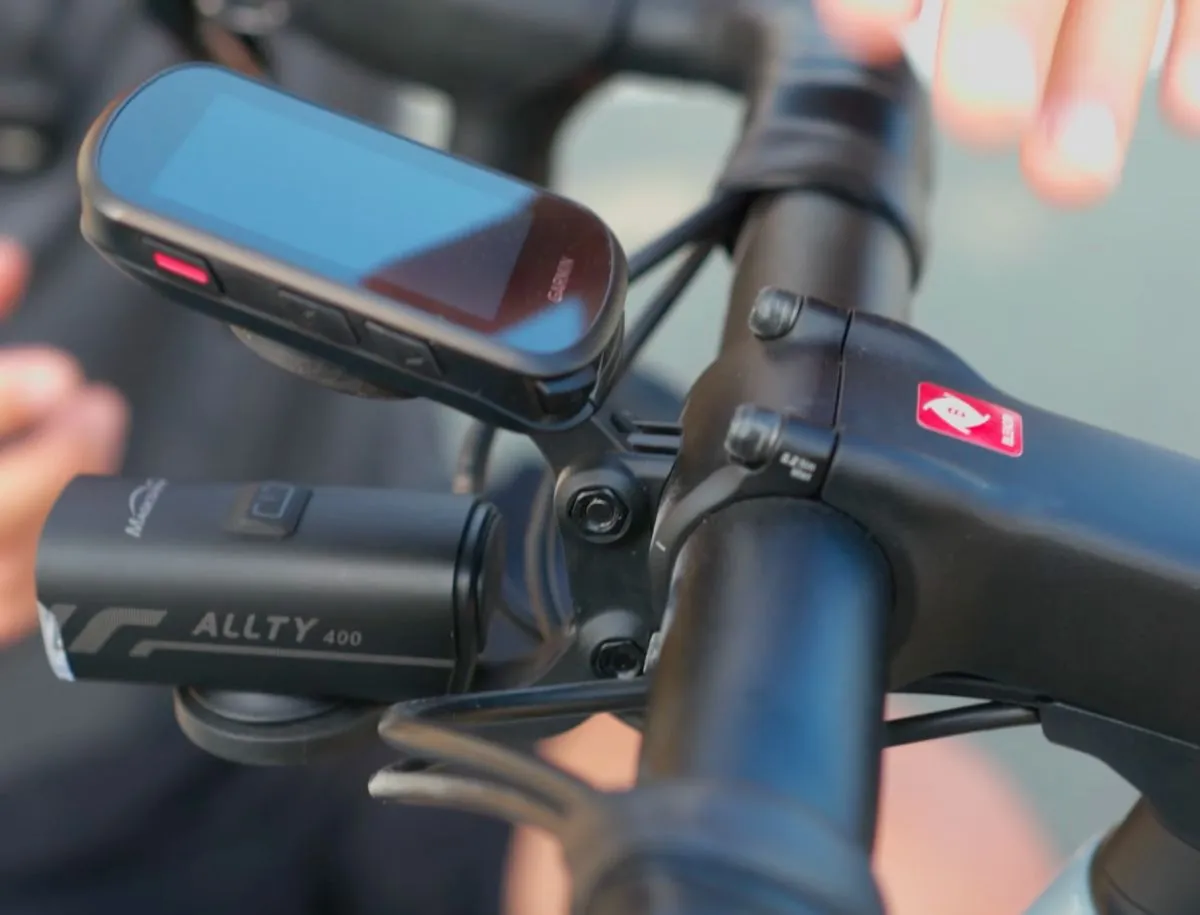
The Trek Blendr mount system integrates a Garmin computer flush with the stem, with a lower section for a light. It keeps the cockpit clean. Some will say it's overpriced for what it is, and that's fair, but aesthetically it makes a real difference, and it's secure.
The in-frame storage is something I mentioned in my earlier review of this bike, and I still feel the same way over a year later. Being able to carry a spare tube, CO2, and some gels inside the frame without a saddle bag flapping around underneath you is genuinely useful, especially in a triathlon context.
Problems I Found After 6 and 12 Months
The Seatpost Slip
About 50km into a ride, someone behind me pointed out that my saddle was sitting noticeably low. The seatpost had gradually slid down over time. This is a known issue on this bike. Plenty of people report it online, and it happened to me, too.
The fix is simple. Anti-slip compound, sometimes called carbon grip paste, costs a few dollars. Apply it between the post and the clamp, let it set, and the problem goes away. It hasn't come back since. But it's the kind of thing you shouldn't have to deal with on a $3,500 bike.
Handlebar Tape
The stock handlebar tape wore faster than I'd expect at this price point. I replaced it after a few hundred kilometers. Small thing, but worth knowing going in.
Is the Trek Domane SL5 Worth $3,800?
When I bought mine, it was $3,500. It's now $3,800. That increase isn't surprising given how costs have moved across the industry, but it does make the value conversation harder.
I review a lot of Chinese brands and direct-to-consumer carbon wheels: ICAN, Elitewheels, YOELEO. These are brands putting out genuinely solid products at significantly lower prices. So I'm not going into this comparison blind.
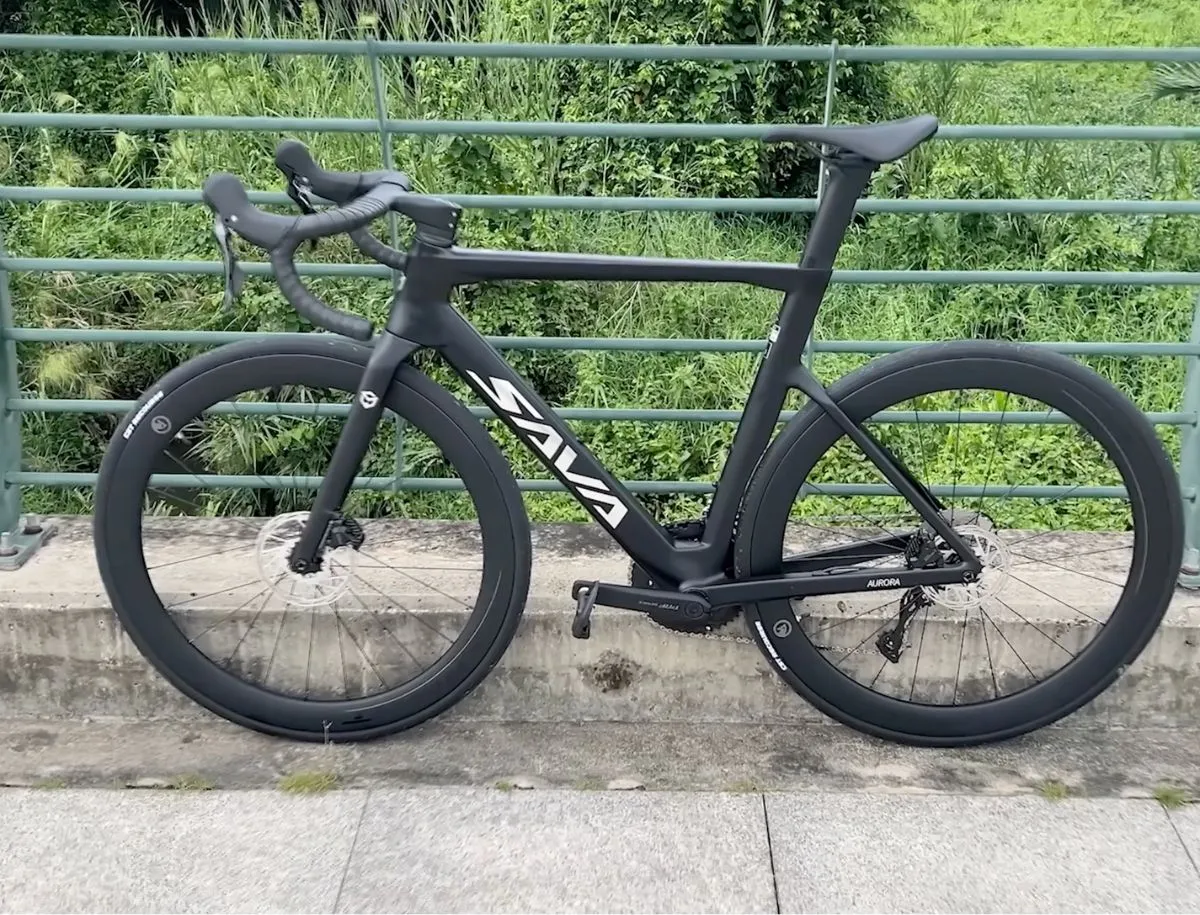
The SAVA A7L Pro I bought about 8 months ago was $1,500. It came with 50mm carbon wheels as stock, aero handlebars, and an anti-slip compound on the seatpost out of the box. Three things the Trek either doesn't have or didn't bother with. From a pure performance-per-dollar standpoint, the Chinese carbon route gets you further for less.
What Trek offers is different. The warranty is excellent. You have a dealer network you can walk into. If something goes wrong, or you need a fit adjustment, or you want something checked before a race, you go to your local Trek dealer, and they sort it. That support structure has real value, especially if you're not comfortable doing your own maintenance. You're also buying certainty. You know exactly what you're getting.
Whether that's worth an extra $2,300 over something like the SAVA is a personal call. For some riders, absolutely. For others, that gap is too wide to justify.
I covered the full unboxing and ride test on my YouTube channel, including the upgrade process and the race builds. Link below if you want to see it in action before you decide.
Who Should Buy the Trek Domane SL5?
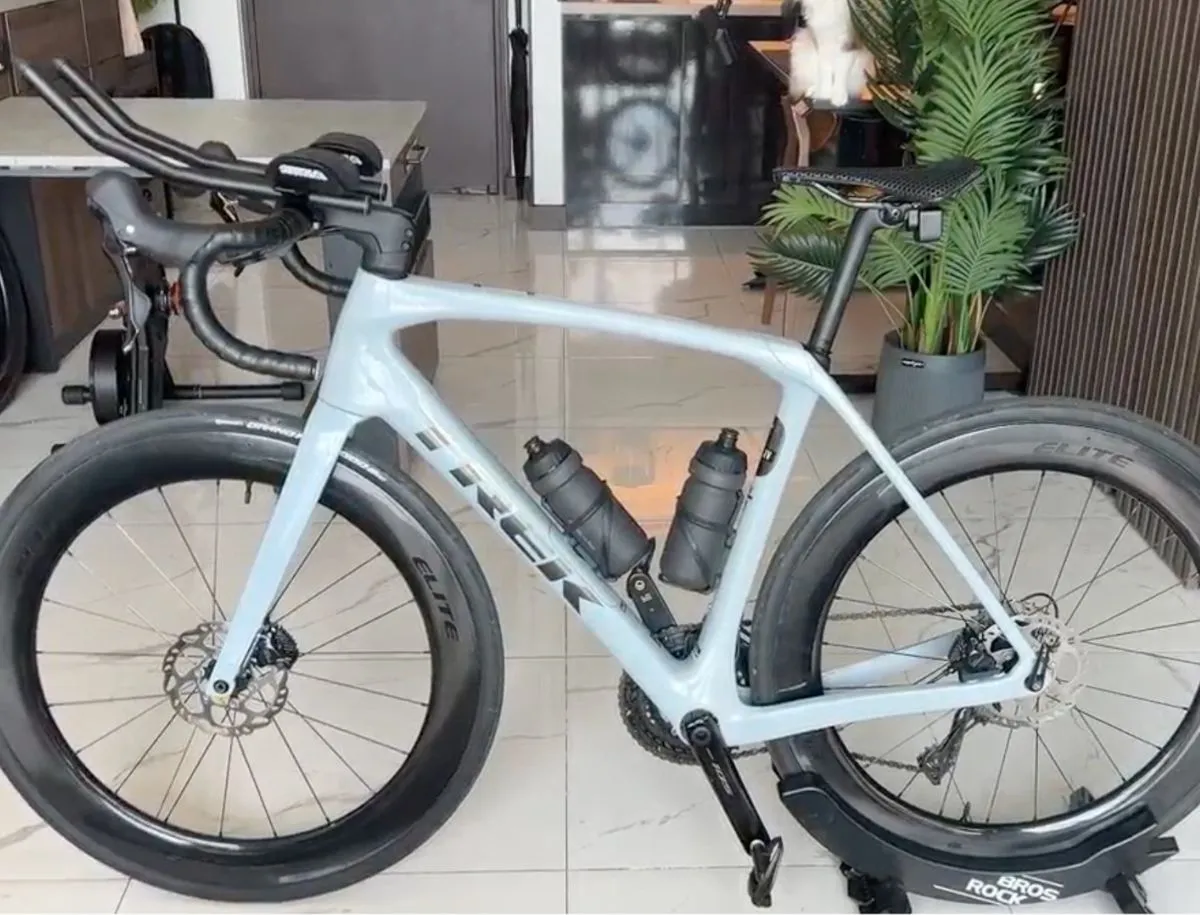
The Domane SL5 makes sense if you're planning long training rides or triathlon events, want a bike that can double as a light gravel setup with tyre swaps, and value having a local dealer behind you if something goes wrong. It also makes sense if you want a colour and finish quality that most Chinese brands still can't match. The Plasma Grey Pearl looks significantly better in person than in any photo.
It doesn't make sense if you're purely optimizing for performance per dollar, or if you're comfortable sourcing your own components and dealing with international warranty processes. In that case, the Chinese carbon alternatives are worth a serious look.
Budget for the wheel swap from day one. The stock wheels are the weakest part of the package, and replacing them early makes the whole bike feel like a different machine.
Colour and Finish
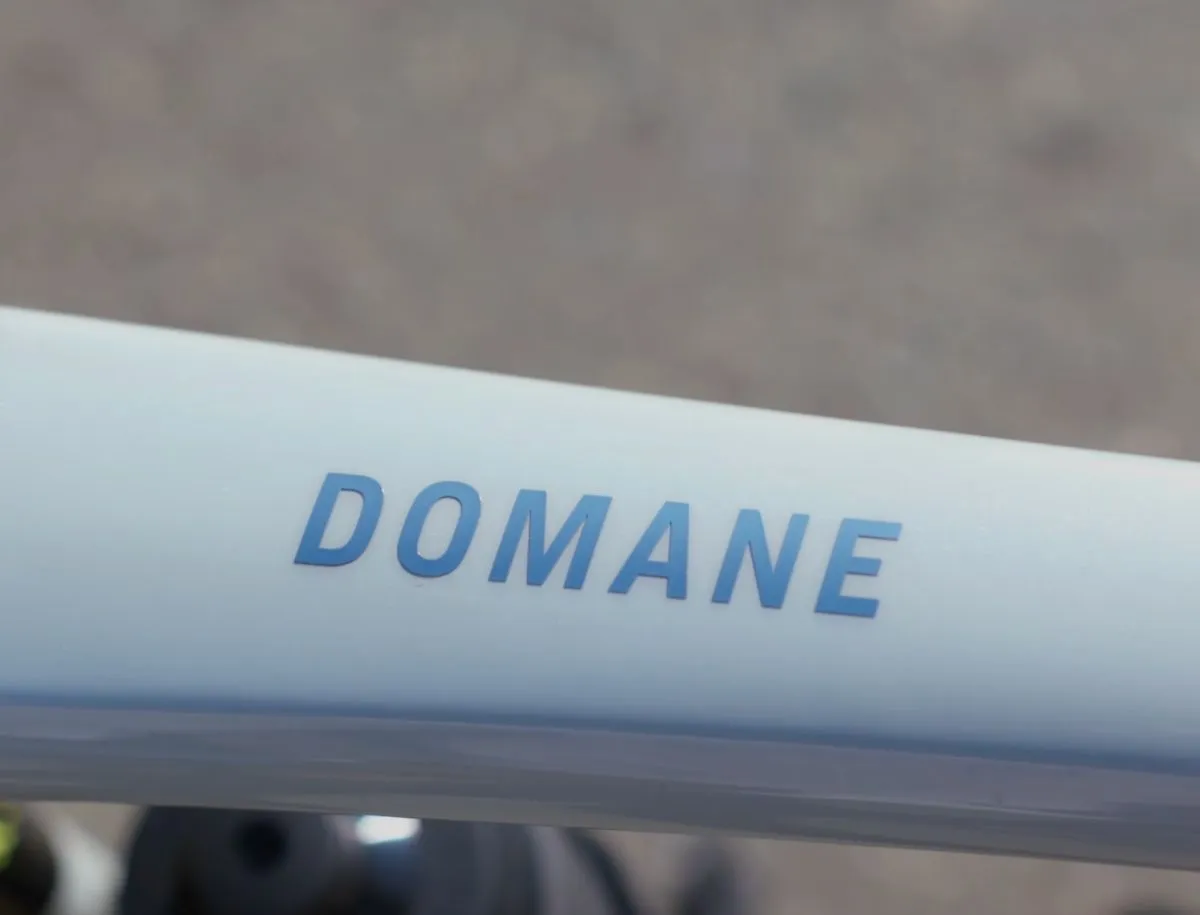
My bike is Plasma Grey Pearl, and I still love it. The paint looks significantly better in person than in photos. There's a depth to it, a kind of sparkle when the sun hits it, that photos just don't capture. Trek consistently does paint better than most of the competition.
My one criticism is that the current colour range on Trek's website feels a bit safe. A bit uninspiring. I got lucky with the Plasma Grey Pearl. Looking at what's available now, I don't think I'd be as enthusiastic about some of the current options.
Final Verdict
If you want a road bike that can genuinely do everything- long training days, triathlon, and some light gravel- and you're okay paying for the Trek name and everything that comes with it, the Domane SL5 is hard to argue against. Just swap the stock wheels and tyres early. That's not optional advice.

Review by Mike Dee
I test road bikes, carbon wheels, and cycling gear with quantifiable lab tests and real riding. No marketing spin, just the data - so you don't have to spend hours researching or wasting money on the wrong gear.