



Elitewheels Drive II Carbon Wheels Review
The Elitewheels Drive II might be the most talked-about carbon wheelset in this price bracket right now. After putting almost 1,000km on them, I can see why.
But there are things about these wheels that no other reviewers seem to be talking about - both good and not so good. I want to address all of it. That's what this Elitewheels Drive II review is for.
What Is the Elitewheels Drive II?
Elitewheels have been around since 2013 - a long time relative to the age of the Chinese carbon wheel industry. They were founded by two engineering classmates, Tony Tong and Jack Chen, who were doing part-time design work at carbon wheel factories while studying in Xiamen. They eventually decided they could make their own wheels and, by selling directly to consumers, do so at a fraction of Western-brand prices.
Everything is made in-house - their own carbon fibre, rims, hubs, and complete wheel builds - which keeps quality control tight and costs low. They're currently the number one seller of carbon wheels on AliExpress; their wheels are UCI-certified, and they're the official wheel partner for GCN. GCN are one of the biggest cycling media brands in the world. They care about their reputation. They wouldn't put their name next to Elitewheels if they had any doubts.
Elitewheels launched the original Drive series in 2022 as its premium flagship line. It was competitive - sub-1,300g, in-house hubs, carbon spokes, UCI-certified, and raced at the Tour of Turkey and Tour of Slovenia. The main criticism that emerged over time was the rim dimensions: a 21mm internal and 28mm external width. That was fine when 25mm tyres were the norm. Road cycling has moved toward 28-32mm as the standard, and those narrower dimensions weren't ideal for it.
Why the Drive II Is a Genuine Upgrade Over the Original
The Drive II is not a minor refresh. Wider rims, upgraded hubs, wider carbon spokes, and, according to Elitewheels' own wind tunnel testing at Silverstone, around 5 watts faster than the original Drive under identical conditions.
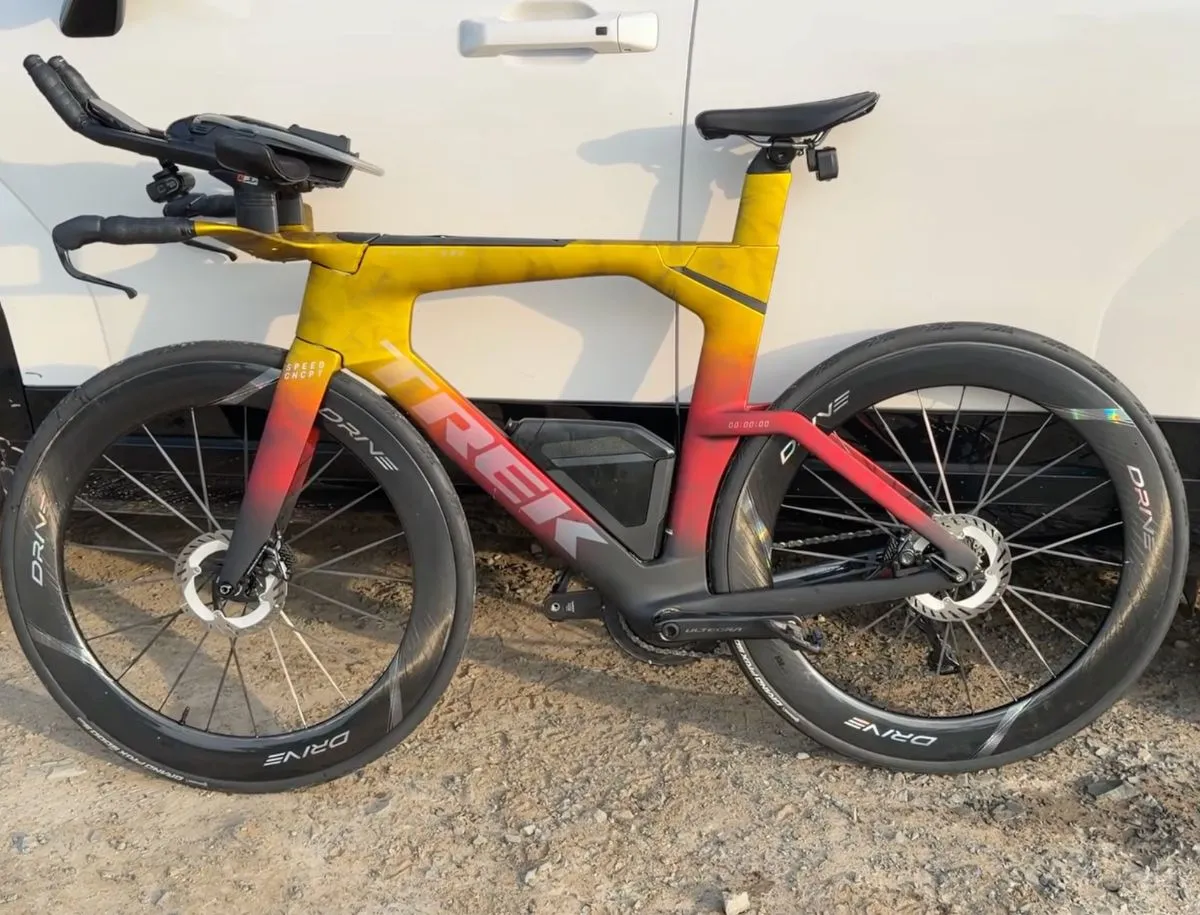
The rim now runs 23mm inner and 31mm outer. Those dimensions are optimised for 28-30mm tyres, which is now the standard choice for most road cyclists. You can run up to 45mm tyres, though Elitewheels recommend staying in the 28-30mm range from an aero perspective.
The inner width matters more than most people realise. A wider inner rim gives a wider tyre a rounder, more natural profile - better grip, better comfort, and you can run lower pressures without the tyre feeling unstable. Lower pressure means the tyre absorbs more road vibration, which takes the edge off on rougher surfaces.
The 31mm outer width is about aerodynamics. For a rim to be aero, the rim and tyre need to form a smooth, continuous shape - ideally, the rim is slightly wider than the tyre at the point they meet. With 28-30c tyres, a 31mm outer hits that sweet spot.
Despite being wider than the original Drive, the claimed weight stays the same, which Elitewheels attribute to improvements in their carbon layup process.
Delivery, Packaging, and First Impressions
I placed the order on 5th March and received the wheels on 25th March. Twenty days from China to my door - about average. No customs or import fees, which has been consistent with every Elitewheels order I've made. Their website confirms free shipping with no customs duties for orders to the US, EU, UK, and Australia.
The wheels arrived in Elitewheels' identifiable black and orange box, well packaged. Rim tape was already fitted, along with the valves - one less thing to install before riding. They also included four spare carbon spokes in the box, which is a useful addition.
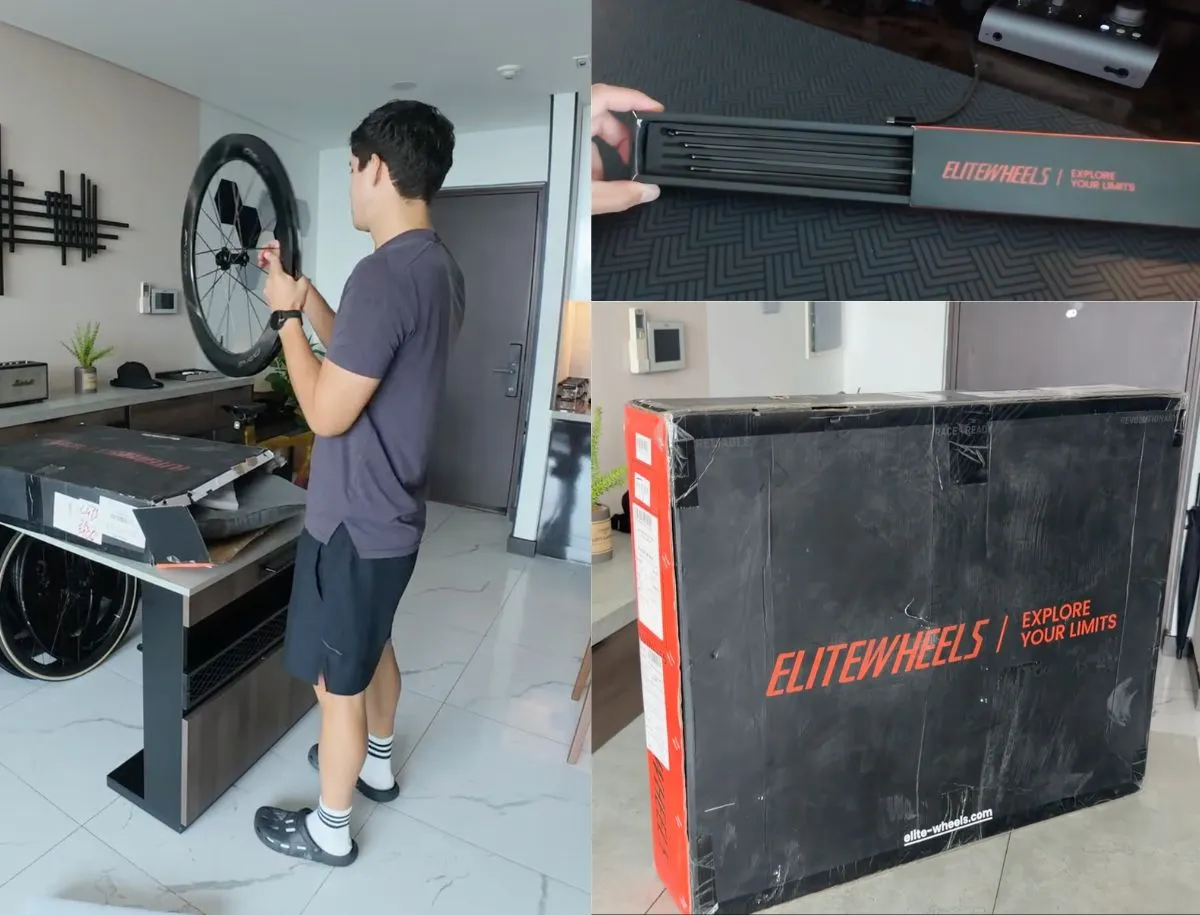
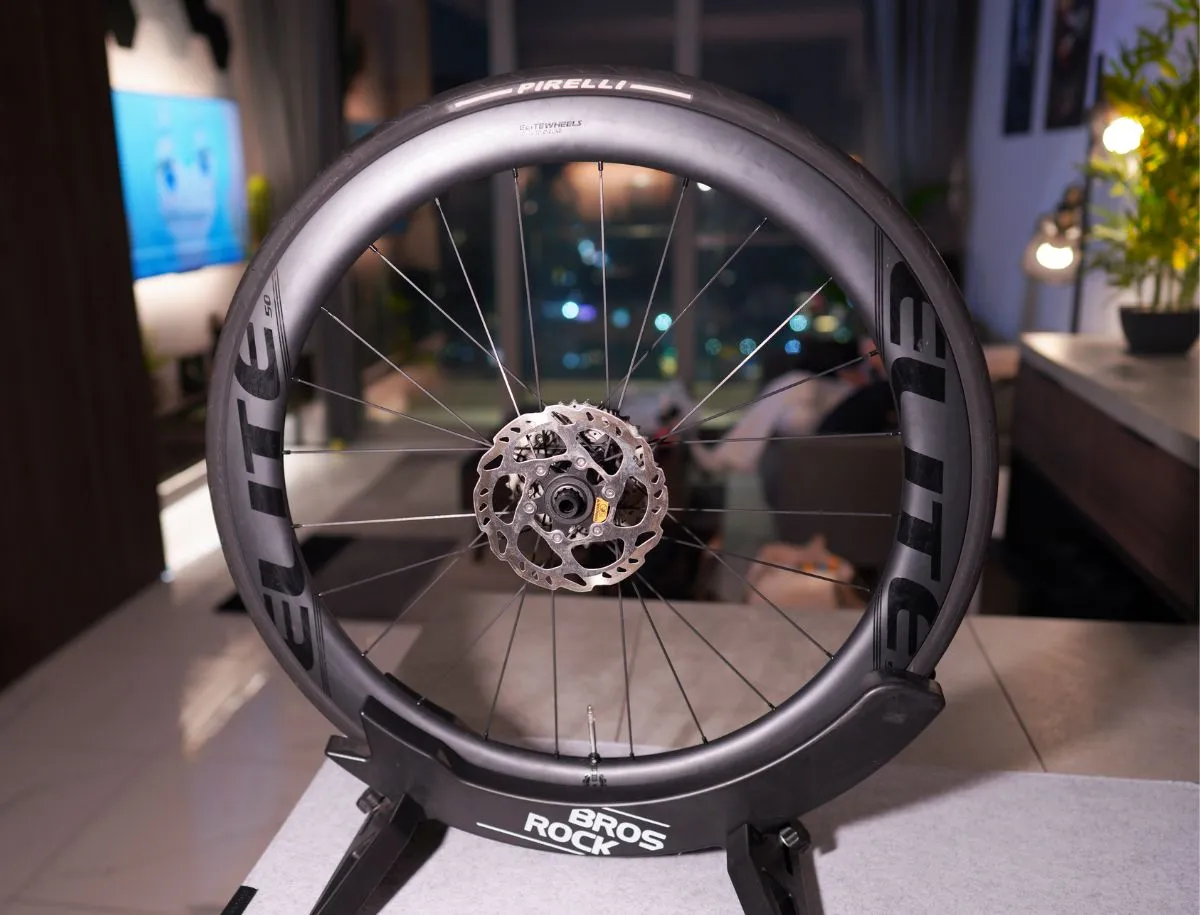
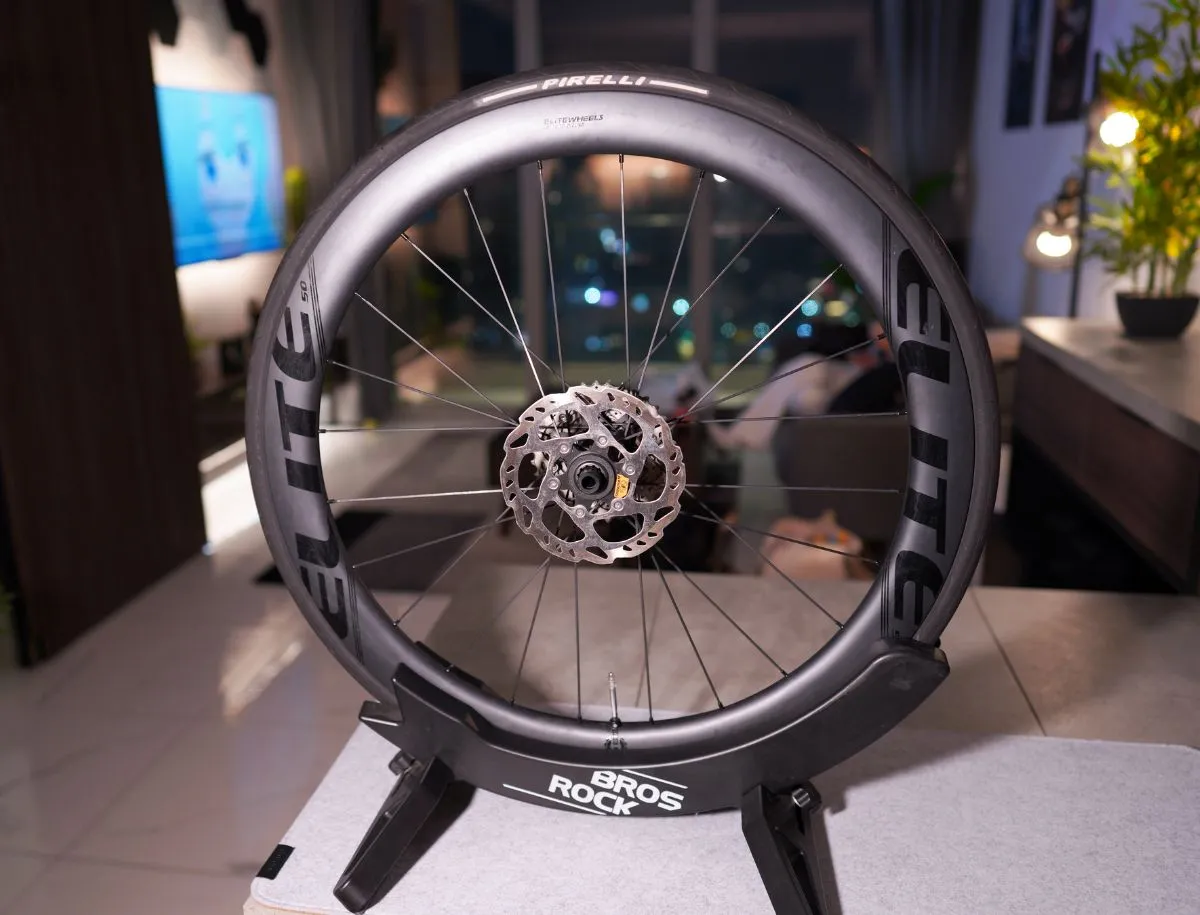
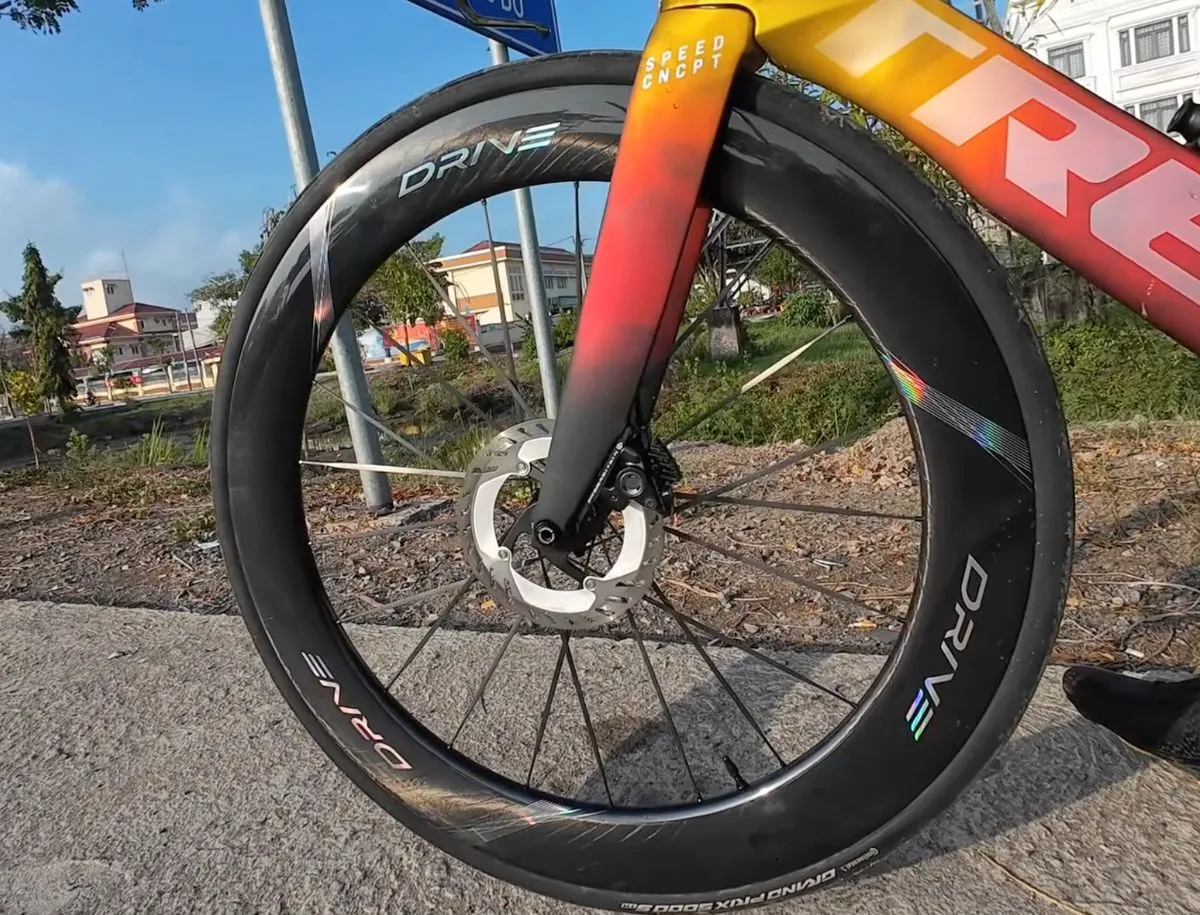
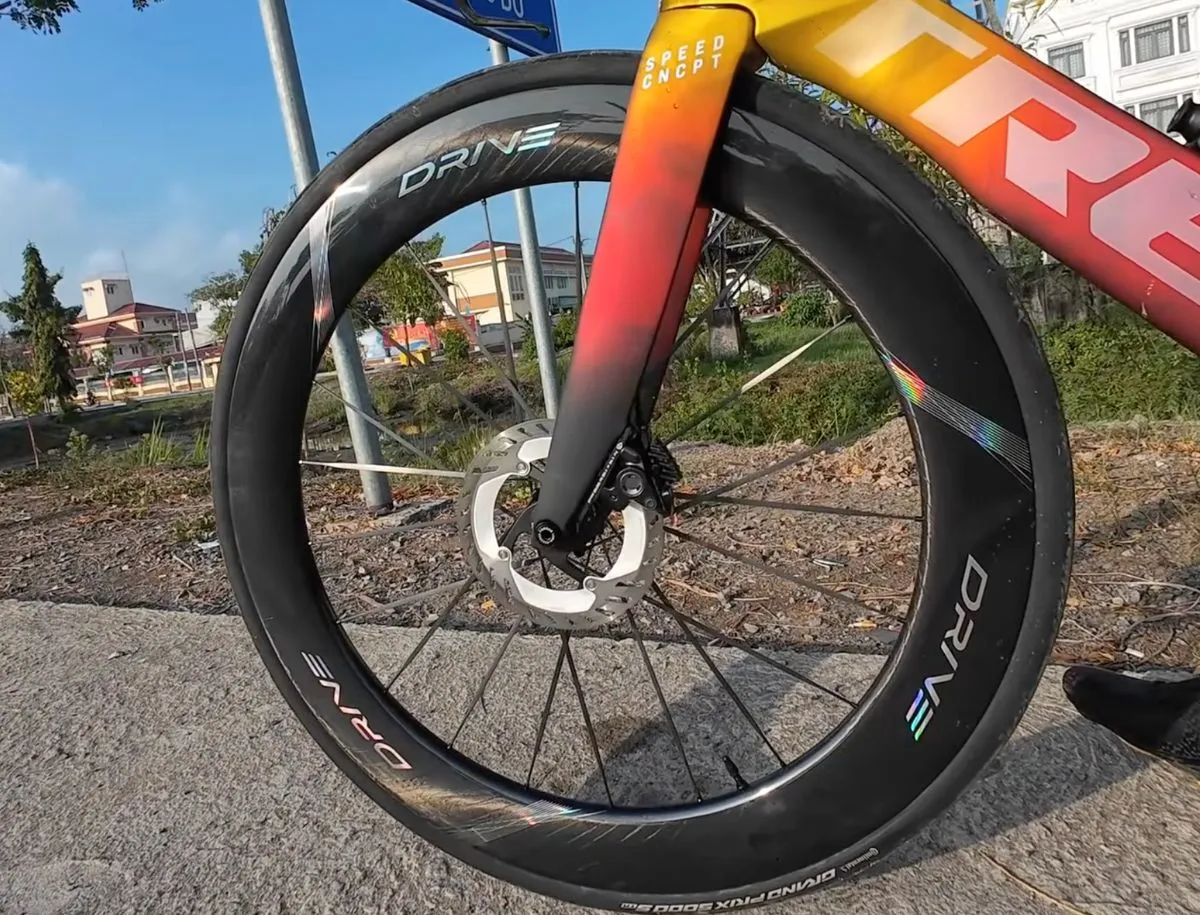
The first thing I noticed when I unboxed them: they look incredible. I'm not usually a gloss wheel person. I have a pair of Elitewheels Marvel II wheels - around $800 - and I could never get used to the gloss finish. I prefer matte. But the Drive II gloss is different. It's a deeper black, and I went with the Reflective Rainbow decal option.
On screen, they look fairly standard. In person, in sunlight, they're a completely different wheel. I had my bike propped up in the kitchen getting it ready for a morning ride, and the way the sun hit the decals through the window - I had to stop and take a picture. I've never used the word "magnificent" to describe a wheelset before. I'll use it here.
Other decal options available: black and fusion gold. I would normally have gone for fusion gold. I'm glad I didn't.
Carbon Spokes: What You Actually Need to Know
The Drive II uses 4.5mm aero-bladed carbon spokes, and two things are worth understanding here.
First, these aren't bonded carbon spokes. They're replaceable the same way a standard steel spoke is. If you damage a spoke on a trip, you're not looking at a wheelset rebuild - you just replace the spoke.
Second, each spoke weighs around 3 grams, noticeably lighter than a comparable steel spoke. Elitewheels claim their lab testing shows these spokes are 8% more laterally stiff than steel, leading to more efficient power transfer. The principle is sound - a stiffer spoke means less flex under load, which in theory means more of your power goes into forward motion. Whether you'd feel that on the road is something we'll cover in the ride section.
One thing that is easy to understand: because these spokes are bladed and carbon, they don't rotate under tension the way a steel spoke can. The blade stays facing the right direction, which is the whole point of a bladed spoke aerodynamically.
Hub: The Kinetic Upgrade
The hub on the Drive II is completely new. It's called the Kinetic hub, and the biggest change is engagement. The old design used a pawl-ratchet system. The new design uses a star ratchet with 50 teeth. More teeth means the hub engages faster - when you push down on the pedals, power gets to the wheel sooner.
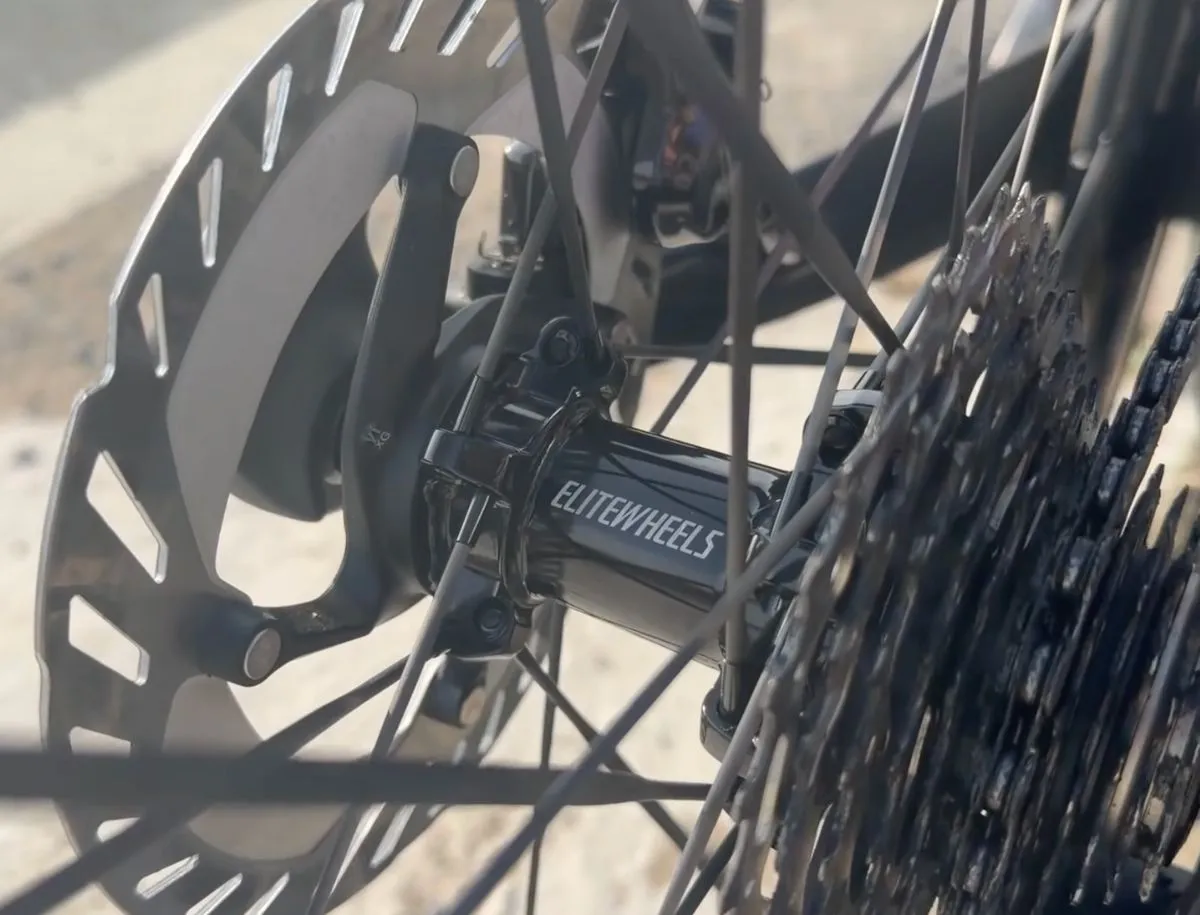
The ratchet faces are machined in a conical shape, which increases the surface area in contact when they engage. Less concentrated stress on any one point, which should help them last longer.
There's also a new waterproof seal. Water and grit get in less easily, so the internals stay cleaner for longer. On bearings, the Kinetic hub uses ceramic rather than steel. The real-world watt difference is small - don't expect to feel it on the road. What matters more is how precisely the bearing seats are machined: tolerances here are 0.02mm. A bearing that sits even slightly crooked creates friction regardless of its quality. Get the fit right, and the bearing runs true.
Two small ventilation holes sit on either side of the hub. When you're riding in the rain, centrifugal force spins water through the nipple to the outside of the rim, and out through the holes. It's a small detail, but a thoughtful one.
Spoke Tension Results
The rear wheel is consistent. Both sides balanced well, with only 4 spokes slightly outside the 10% variance threshold. The front wheel shows the same picture: 4 spokes slightly out. Given that carbon spokes are notoriously harder to tension with perfect consistency compared to steel, that's not surprising, and it's nothing to be concerned about structurally. I gave them a 4 out of 5 for spoke tension on the Carbon Wheel Scorecard.
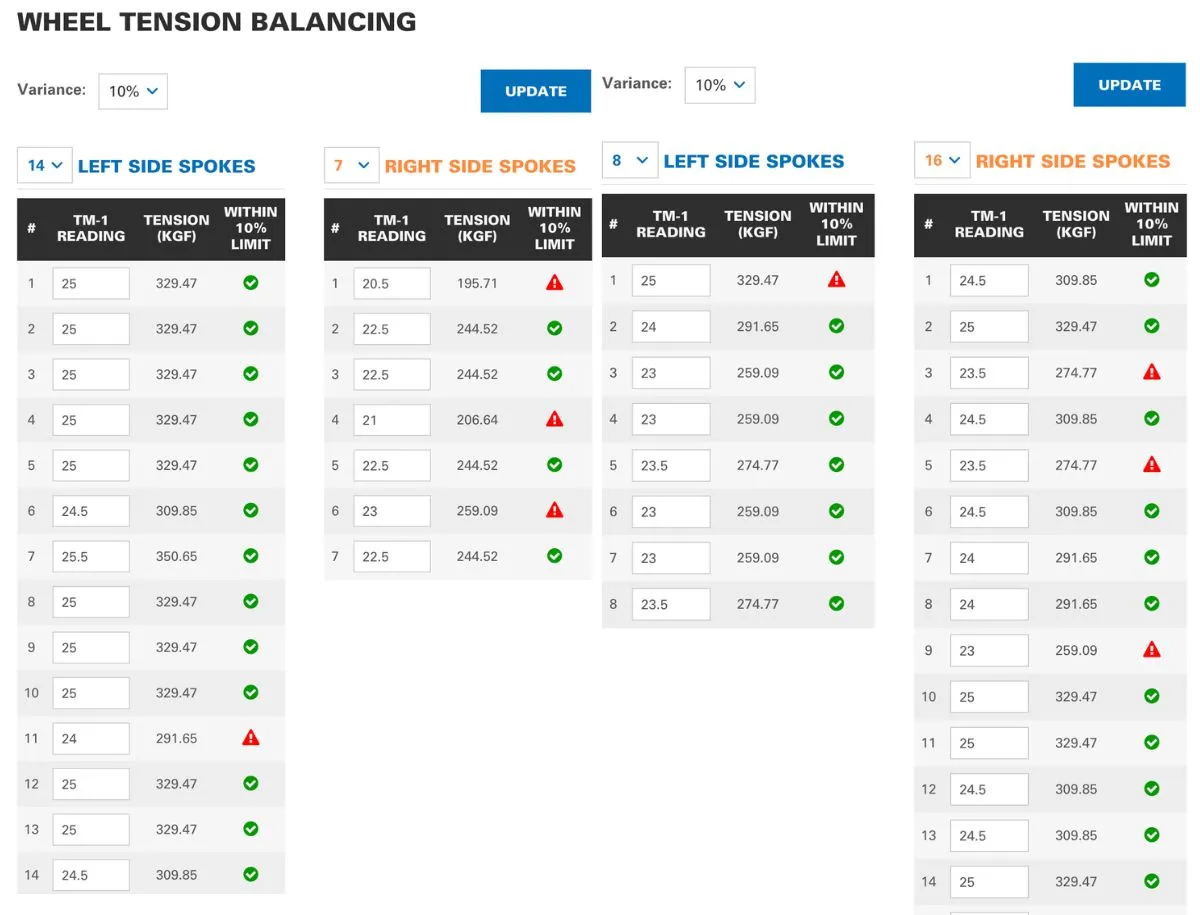
One thing worth flagging: these spokes are running at slightly lower tension than other wheels I've tested. That's a good thing for comfort. Lower spoke tension means the wheel has a bit more give, which translates into a smoother, more compliant ride feel - and it's part of the reason these wheels feel as comfortable as they do despite the inherent stiffness of carbon spokes.
Rim Construction and Endoscope Test
The Drive II rims use Elitewheels' own UNI carbon fibre - a proprietary blend of T700 and T800 combined with their own resin, produced in their own factory.
Elitewheels claims their air bladder manufacturing process prevents resin from pooling on the inner walls. When I put an endoscope camera inside both wheels, that's not entirely what I found.
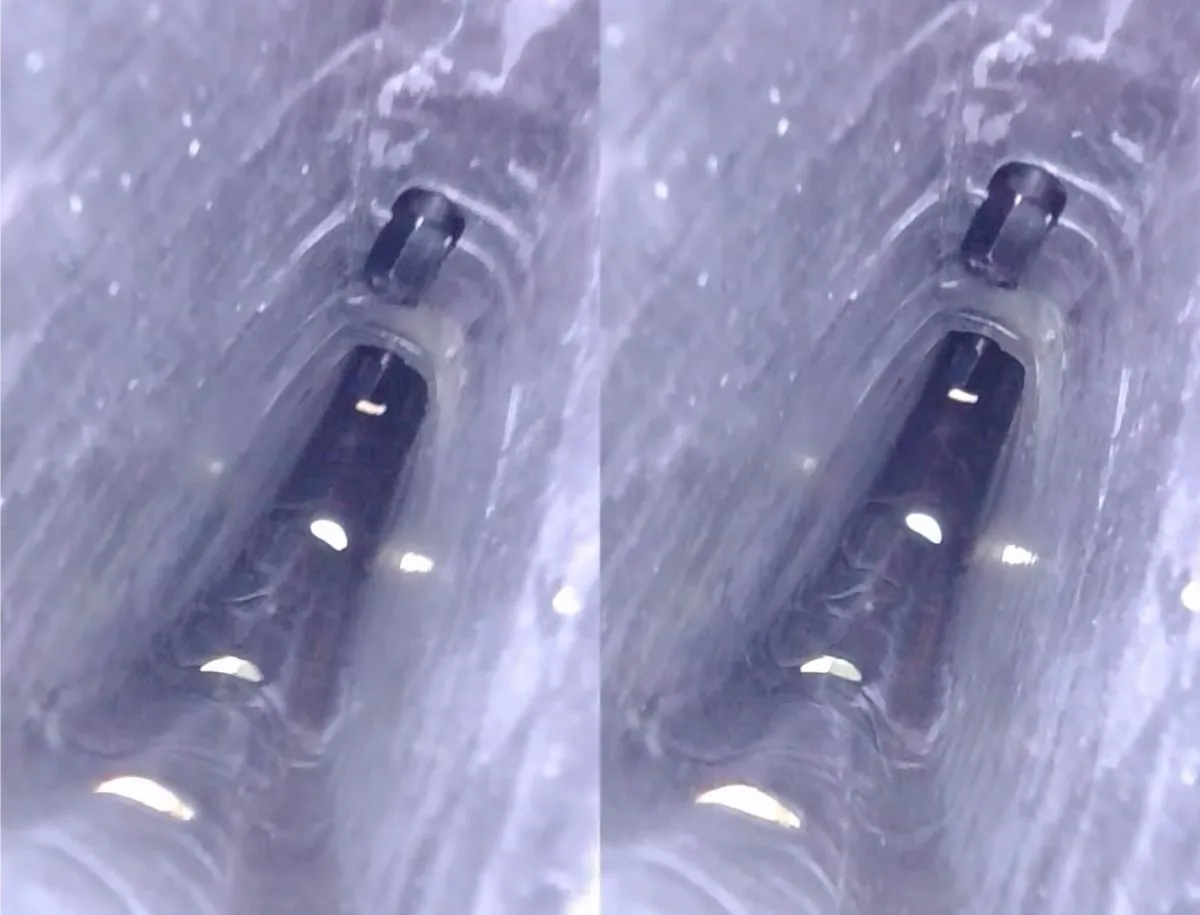
The inner surface is reasonably consistent, and the construction around the spoke nipple beds is functional. But there is visible resin pooling around the nipple beds on both the front and rear. It's not a structural concern - the carbon layers are consistent where it actually matters - but it's not the perfectly clean layup you'd find in some wheelsets. I've given them a 3 out of 5 for carbon fibre quality on the Scorecard. Decent, not class-leading.
Real-World Ride Experience
The first thing you notice is the stiffness. That's exactly what you'd expect from carbon spokes - they're inherently stiffer than steel, and you feel it the moment you put power down.
But considering how stiff the wheel is, it's also surprisingly comfortable - I'd say just as comfortable as less stiff wheels I've ridden. There are two reasons for that. First, I'm running 30mm Continental tyres, which take the edge off on rougher surfaces.
Second, those slightly lower spoke tensions mean the wheel has a bit more give. Despite the inherent stiffness of carbon spokes, there's enough compliance in the build to absorb road vibration rather than transmit it all straight through to you.
Elitewheels have struck a nice balance here. You get the power transfer benefits of a stiff carbon spoke wheel without the harsh, unforgiving ride that you might expect to come with it.
Where the stiffness really makes itself known is when you sprint. It's noticeable in a way that steel-spoked wheels aren't - when you hammer down on the pedals, the power goes somewhere. No flex absorbing what you're putting in.
That same stiffness is what makes these wheels confidence-inspiring through corners. Because the wheel isn't flexing, you get much better road feel.
You can actually sense what's happening underneath you, which means you can push harder into corners without the creeping uncertainty you sometimes get on a less stiff wheel. It's hard to describe until you've experienced it, but once you have, it's difficult to go back.
On the flats, they roll smoothly and hold speed well. The stiffness translates into efficient straight-line performance; you're not losing energy to flex.
I have the 65mm depth, and yes, you will get hit with crosswinds. But that's a 65mm wheel, not an Elitewheels problem. In my experience, they handle crosswind about the same as any other 65mm wheelset I've tested.

If you're riding in consistently gusty or coastal conditions, the 50mm or 36mm would be the smarter choice. One option worth knowing about: you can mix and match rim depths. Run a 36mm front and a 65mm rear, or any combination of the three depths. Not every brand offers this, and it means you can dial in exactly the setup you want for your riding conditions.
Hub Sound
This is a loud clutch. Very deep. One of the nicest hub sounds out of all the wheels I've tested. You can always make it quieter by adding a bit of grease to the spacer, hub body, and clutch ring, a five-minute job. I'm not going to do that, because I like my clutches loud.
Warranty and Crash Replacement
The Drive II comes with a three-year warranty, which is about the industry standard. The only company with a better warranty is Trek Bontrager, who offer a lifetime warranty, but to buy Trek Bontrager carbon wheels at the same specification as these, you'd be paying almost double.
The crash replacement policy is also worth mentioning. Not all carbon wheel brands offer one. Elitewheels does, if you crash and damage your wheels beyond repair, you can buy a replacement set with 38% off. That's a useful bit of insurance that hopefully you'll never need to use.
Value Comparison: Elitewheels Drive II vs Western Brands
At $1,299, or around $1,104 with the code Mike15, the Drive II sits well below comparable Western brand wheelsets. Trek Bontrager carbon wheels at a similar specification would cost you close to double. Zipp and Enve wheels at this rim depth and spoke specification run significantly higher still.
What you're giving up compared to the absolute top end: slightly cleaner internal finish, and in some cases a marginal weight advantage. What you're getting: UCI certification, a 3-year warranty, a crash replacement policy, ceramic bearings, replaceable carbon spokes, a 50-tooth star ratchet hub, and a wheel that has been raced at a professional level.
The gap is not worth the price difference. Not at double the cost.
Who Should Buy the Elitewheels Drive II
Buy these if you're a road cyclist who wants the performance and feel of carbon spoke wheels without paying Zipp or Enve prices. They work particularly well if you're running 28-30mm tyres and want a wheelset that's stiff enough for sprint performance and cornering confidence but won't beat you up on longer rides.
Skip these if ultra-light weight is your single biggest priority; there are lighter options at this price. Also, skip if you need hookless tyre compatibility, since the Drive II is a hooked rim.
Click the button below to check the best prices, and use code MIKE15 for a 15% discount at checkout.

Review by Mike Dee
I test road bikes, carbon wheels, and cycling gear with quantifiable lab tests and real riding. No marketing spin, just the data - so you don't have to spend hours researching or wasting money on the wrong gear.