



SAVA A7L Pro Review: Is This $1,500 Carbon Bike the Best Value Road Bike Right Now?
I paid $1,557 for this bike. No sponsorship. No gifted unit. Just my own money, my own decision, and about 500km of riding to figure out whether SAVA has genuinely cracked the code on affordable carbon bikes.
Here's the short answer: this might be the best value road bike at $1,500. And it's not particularly close.
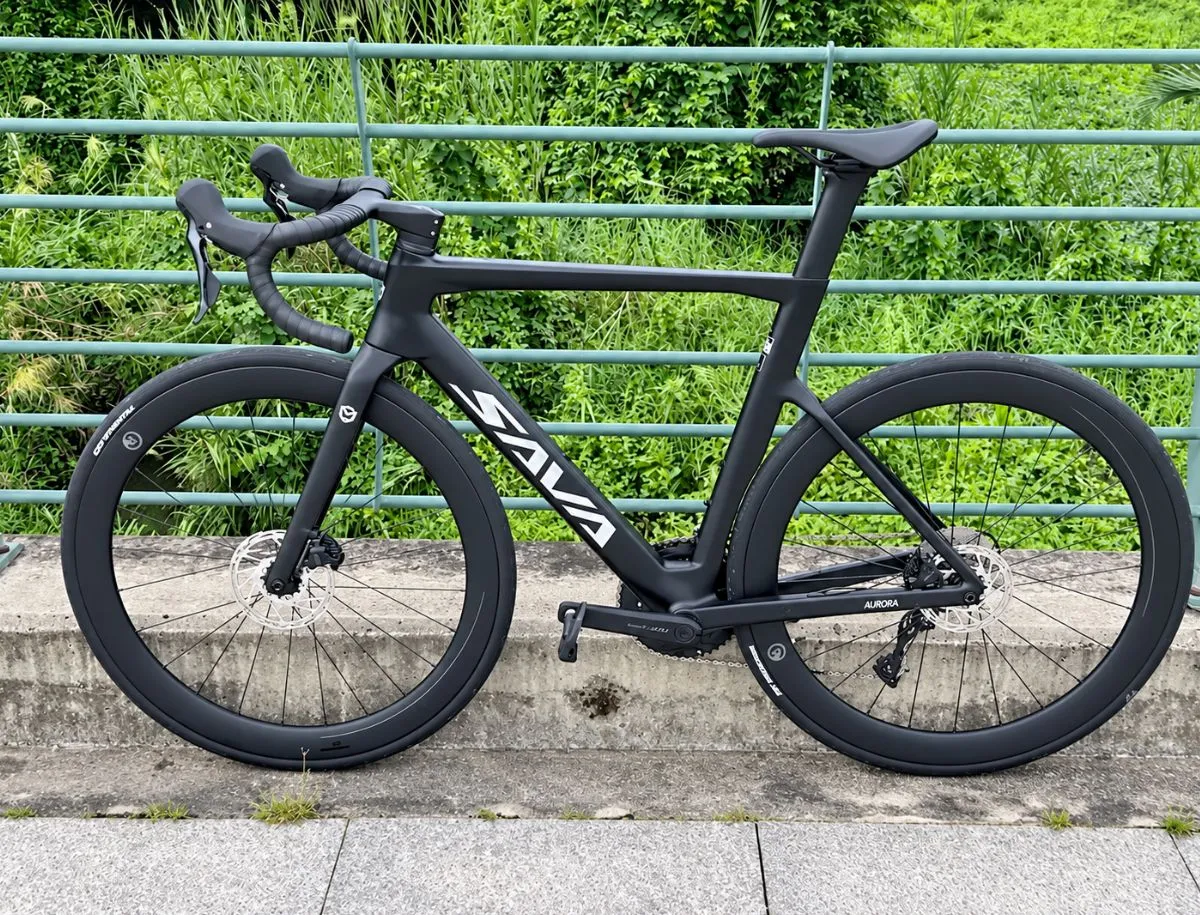
But there are some things you need to know before you buy. I'll cover everything here, including the delivery issues I hit out of the box, how it compares to my $3,500 Trek Domane SL5, and who this bike is actually built for.
What Is the SAVA A7L Pro?
SAVA is a cycling brand founded in 2005 by Chinese cyclist Yang Yiwu, originally based in Germany. By 2012, the company had moved its brand and R&D team back to China, where it has operated ever since. Their model is direct-to-consumer, which is how they can put full carbon builds together at a price point that would embarrass most major brands.
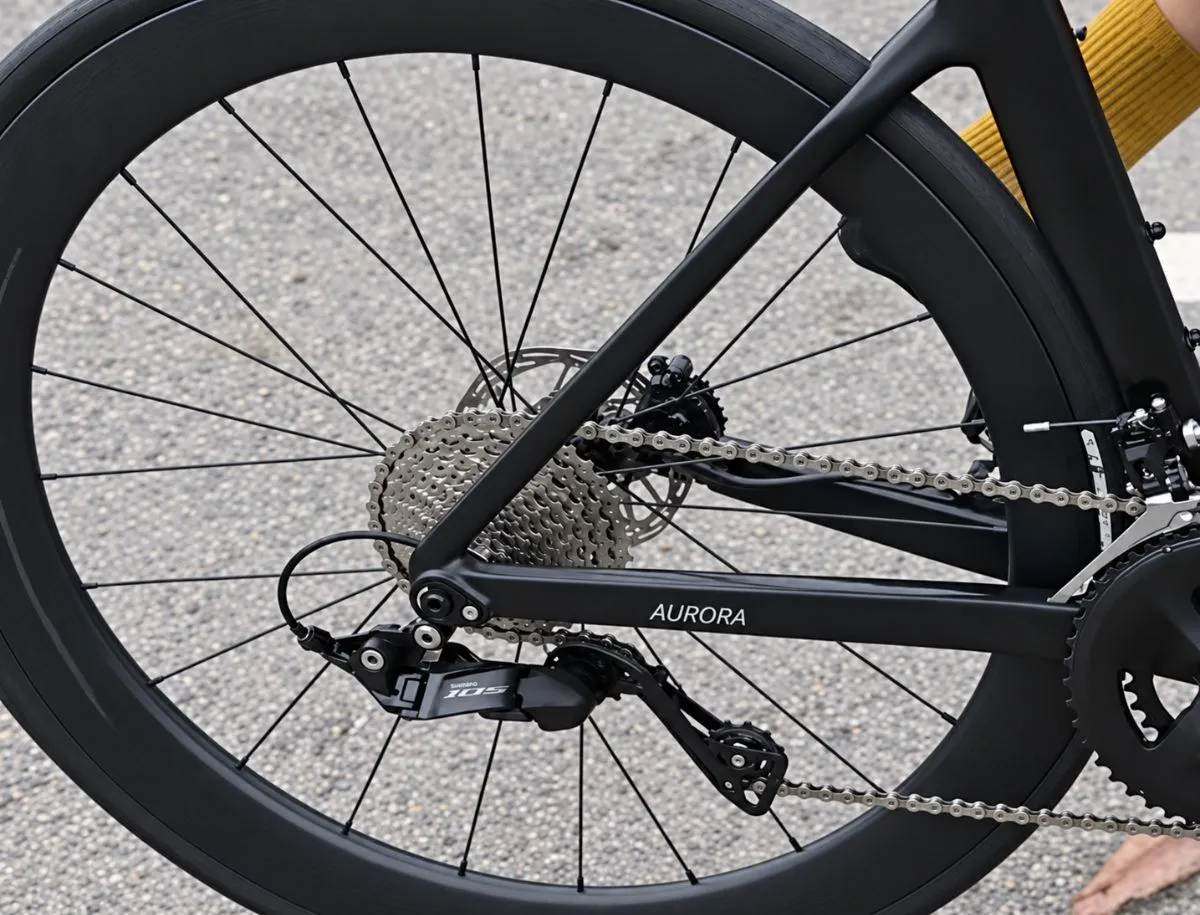
The A7L Pro is their newest model, released a couple of months before I bought mine. It sits above the standard A7L, which is $200 to $300 cheaper and runs SENSAH components. The upgrade to the Pro gets you a complete Shimano 105 R7120 groupset, including hydraulic disc brakes and 12-speed shifters. That difference alone justifies the price jump.
According to SAVA's website, all frames carry a 15-year warranty. Take that with a grain of salt until we see more long-term data, but it's a bold claim that at least signals some confidence in their manufacturing.
Full Specs: What You Actually Get for $1,500
This is where the SAVA A7L Pro makes a statement. Here's what's included at stock:
Frame, fork, and seat post: T800 carbon fiber (the same grade used across many mid-to-high-end carbon bikes)
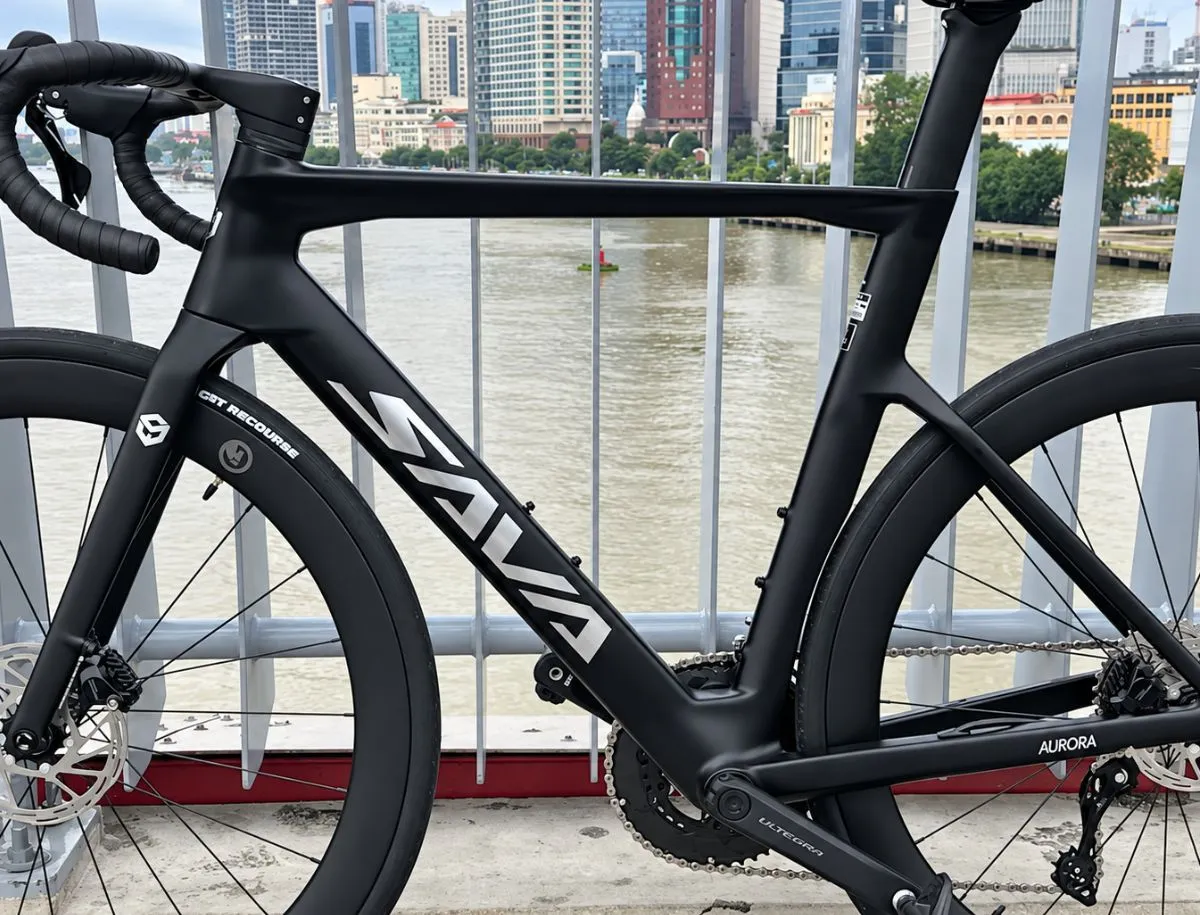
- Groupset: Shimano 105 R7120, 12-speed with hydraulic disc brakes
- Crankset: 50/34T
- Cassette: 11-34T (wide range, climber-friendly)
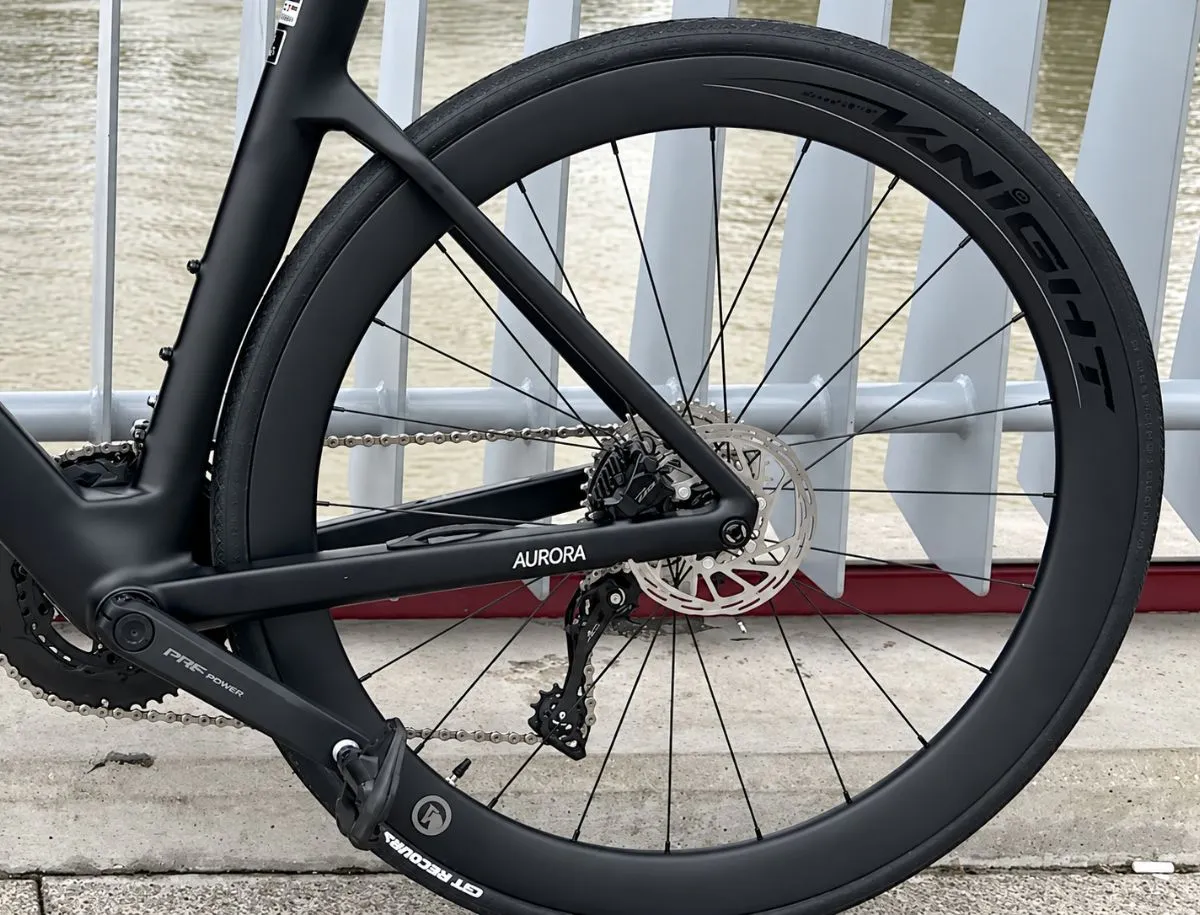
- Wheels: SAVA in-house 50mm carbon fiber, 700C, tubeless-ready
- Tires: 700x25C
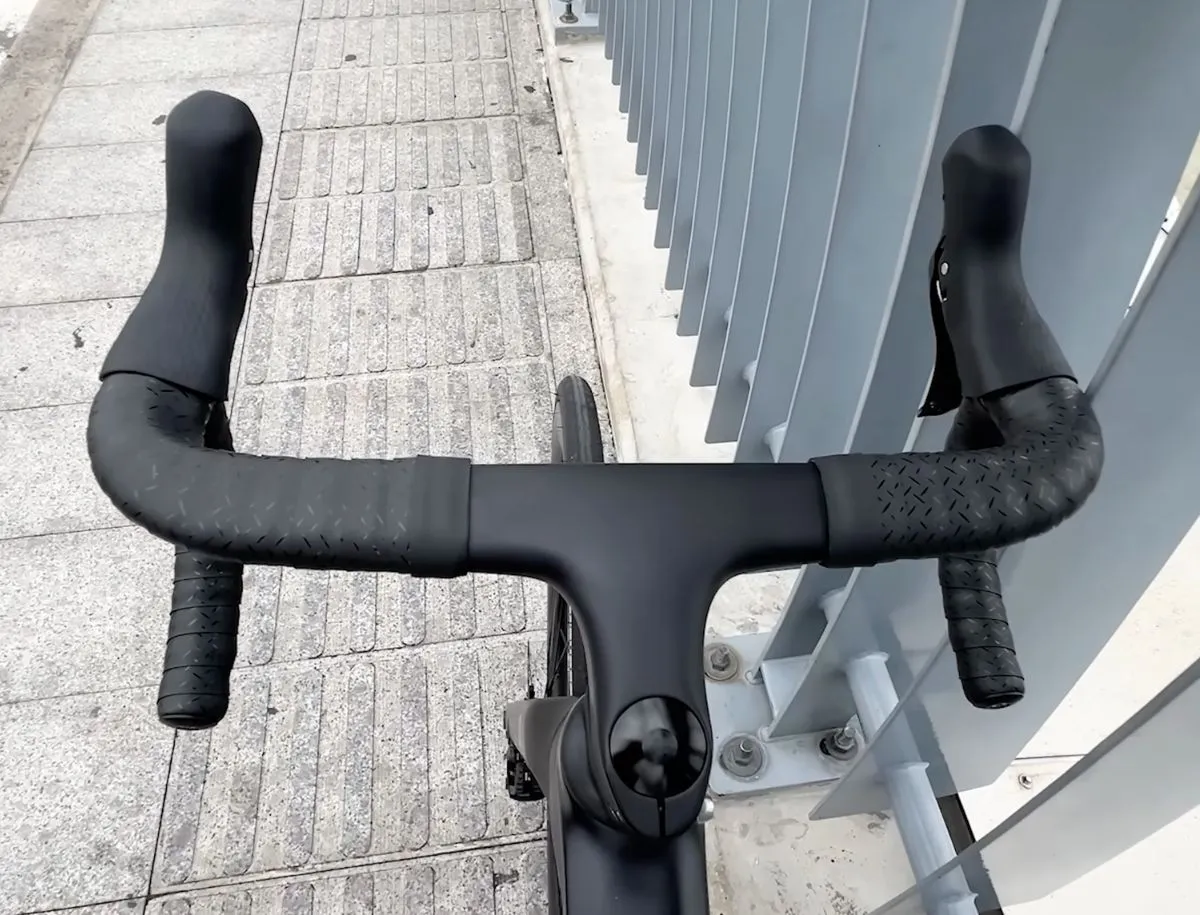
- Handlebars: Fully integrated aluminum, internal cable routing
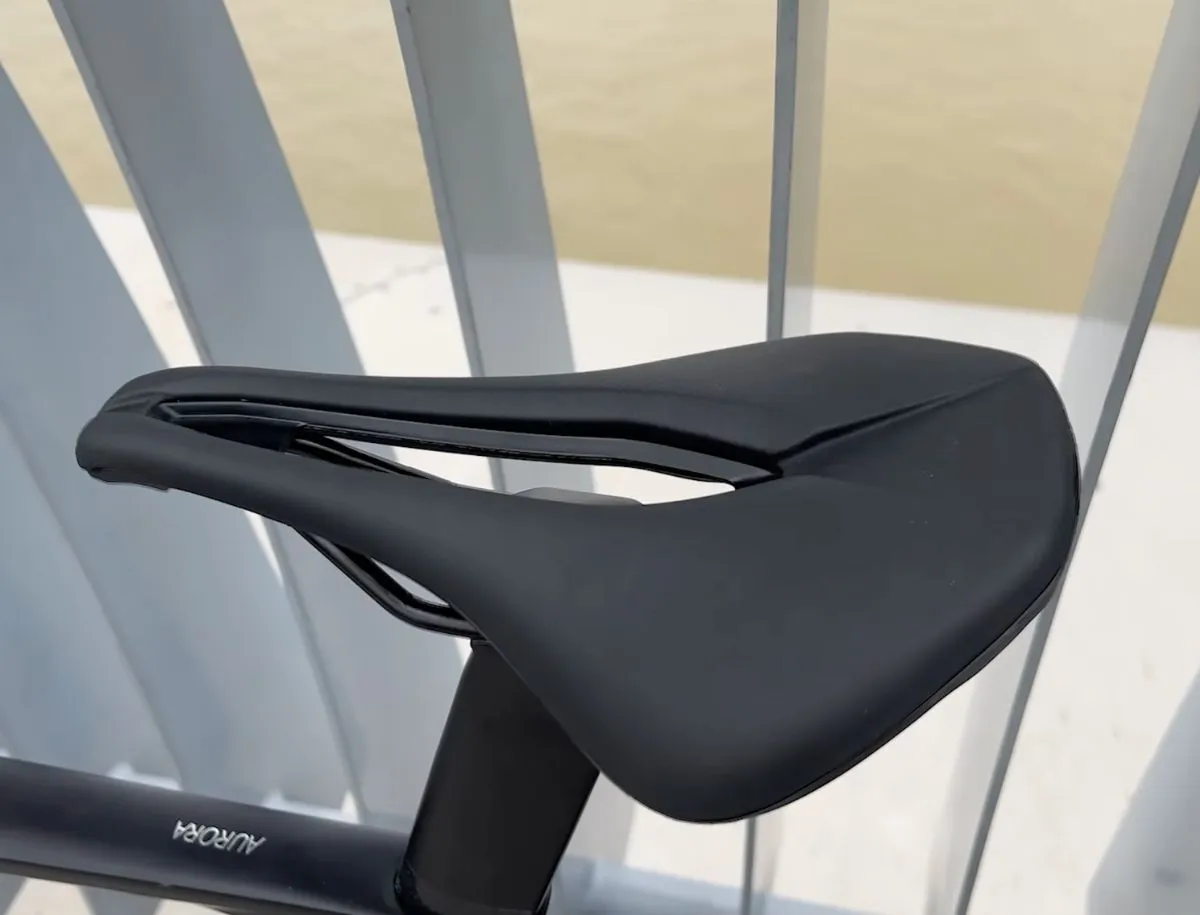
- Saddle: DE99 (we'll come back to this)
- Weight: 8.9kg
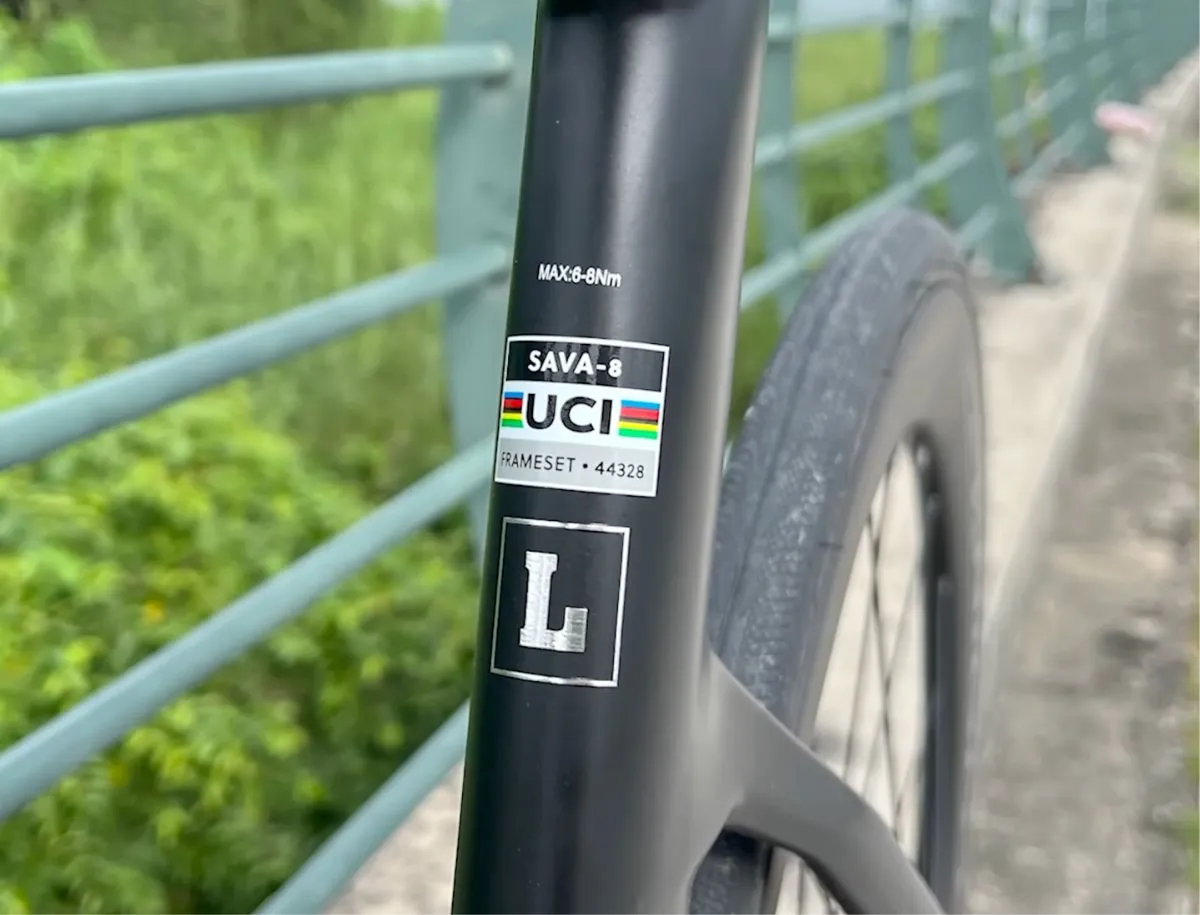
- UCI approved
Carbon wheels at this price point are the headline. Most bikes under $1,500 ship with aluminum hoops. Getting 50mm carbon wheels as stock equipment changes the entire character of the bike.
The integrated handlebar setup is also worth calling out. Aftermarket integrated cockpits run $200 to $400+. Having one included on a $1,500 complete build is unusual, and it's a big part of why the bike looks and feels like it costs considerably more than it does.
Buying Through AliExpress: Shipping, Customs, and What to Expect
I ordered directly from SAVA's official AliExpress store. The bike arrived in 8 days, which was well ahead of the 2-3 weeks I was expecting. No customs or import fees. SAVA operates warehouses in both China and the US, so your experience may vary depending on where you're located.
Before you order, it's worth reaching out to SAVA's customer service on AliExpress to ask about warehousing and shipping to your specific country. In my experience, they responded quickly and were genuinely helpful.
I'll include a link to this specific bike in the resources section below, along with any active coupon codes. AliExpress regularly drops $50-$100 coupons on this listing, though they tend to expire fast.
Delivery Issues: What Happened Out of the Box
This is the part nobody talks about enough in bike reviews.
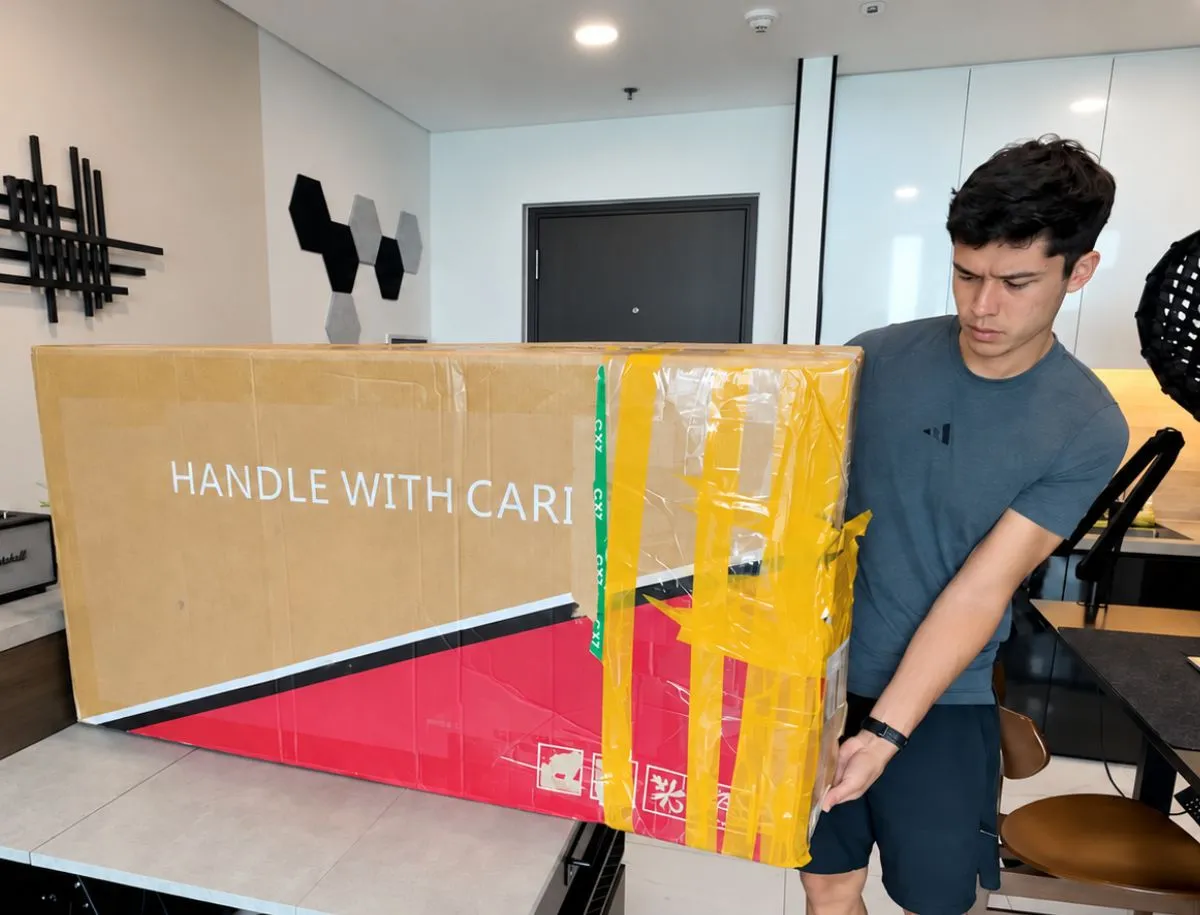
The packaging looked solid when it arrived. I was careful unboxing it, scissors away from the frame. But as I worked through the packaging, three separate issues showed up:
- The handlebar tape had a tear through it
- One of the rubber hood sleeves had a small cut
- A paint chip just above the carbon fork
All three problems were confined to the front end of the bike. When I looked closer at the box itself, there was yellow repair tape on one side, which explained everything. The bike had been knocked around in transit, the delivery company had tried to patch the box, and the damage made it through.
I contacted SAVA on AliExpress. They asked for photos of the damage and photos of the box. Once I sent everything over, they told me to take the bike to a local shop, get the repairs done, and send them the invoice. They covered the full cost.
This kind of handling mattered a lot. The damage came from the courier, not from SAVA's manufacturing, and they owned the resolution without any back-and-forth. Chinese brand customer service has a reputation for being unreliable. SAVA was the opposite of that in my experience.
Ride Quality After 500km: The Honest Assessment
I've put this bike through a proper range of conditions. Rough roads, climbs, long flat efforts, and a few faster group rides. Here's how it sits after 500km.
Carbon feel: The T800 frame does a good job of smoothing out road chatter without feeling dead under power. It's not as plush as a Trek Domane with IsoSpeed, but it absorbs vibration better than I expected from a bike at this price with 25mm tires. On rough surfaces, the ride is firm but manageable.
Geometry: More aggressive than the Domane. Bars sit about 2-3cm lower, even with the stem slammed on both bikes, putting you in a proper aero position rather than an endurance-friendly upright stance. I could comfortably hold 3-4 hours in the saddle without major discomfort. For reference, I'm 183cm and running the Large.
Shimano 105 shifting: Exactly what you'd expect. Crisp, reliable, zero drama. This groupset is proven over decades of use, and there's no reason to question it here.
Descending: Stable and planted at speed. No flex or unusual handling behavior. The bike tracks predictably, which builds confidence fast.
One issue: The handlebars are narrower than what I'm used to on the Domane. Standing sprints and steep climbs felt slightly less planted until I adjusted. This is a personal fit issue as much as anything, and the narrower profile does help the aero case. If you run wide bars on your current bike, budget time to adapt.
Stem length: My bike fitter flagged that the stem runs slightly short for my proportions. Not enough to be a problem in practice, but worth noting if you have a longer torso.
The Saddle Nobody Talks About
The DE99 saddle that comes stock on this bike is the most comfortable saddle I've ridden. I can put 100km+ on it with no issues. It looks premium, feels premium, and has a profile that closely resembles the Specialized S-Works Power Comp. There's very little information available about this saddle online, whether it's an in-house brand or a rebadged OEM component. What I know is that it works, and it's one of the better surprises on this build.
SAVA A7L Pro vs Trek Domane SL5: Real-World Comparison
I bought the SAVA as a second bike for my indoor trainer. After riding it alongside my Domane SL5, I'm rethinking that plan.
The Domane's strengths are real. IsoSpeed genuinely smooths out rough roads by decoupling the seat tube from the frame. In-frame storage is genuinely useful on longer rides. The brand has local dealer support and a known resale market.
But the A7L Pro ships with 50mm carbon wheels as stock. The Domane SL5 at that price comes with 21mm aluminum hoops. Upgrading to comparable carbon wheels would add at least $350-$400 to the Domane's cost, pushing the real comparison price over $4,000.
The Domane is heavier at 9.5kg versus 8.9kg for the SAVA, partly because IsoSpeed technology adds material. The SAVA has fully integrated cable routing through both bars and the frame.
The Domane doesn't. The SAVA has an anti-slip coating on the seat post that stops it from sliding down over time, which is actually a chronic issue on the Domane that I fixed with anti-slip compound.
Knowing what I know now, I would buy the SAVA over the Domane and save $2,000 to $2,500.
Small Things Worth Noting (Likes and Dislikes)
What I like:
- Carbon wheels with subtle gloss-on-matte branding. They look expensive and understated.
- 50mm depth hits the aero sweet spot without becoming unmanageable in crosswinds.
- Tubeless-ready out of the box.
- UCI approved, for anyone who wants to enter sanctioned events.
- Anti-slip seat post grip, a small detail that solves a real problem.
What I don't like:
- Two or three small air bubbles in the chainstay protector. Cosmetic only, but shouldn't happen at any price.
- Two plastic bumps on the stem spacers that need to be cut off before assembly. Minor, but worth flagging.
- Matte black paint shows every fingerprint, smear of grease, and dust speck. This is true of all matte black bikes, but if cleanliness matters to you, factor in the maintenance time.
What's the One Upgrade I'd Make?
Tires. The stock 700x25C rubber is fine, but the roads around me are rough, and 25mm is narrower than what most experienced riders are moving toward. I'd swap straight to 30 or 32mm Continental GP5000s. That one change would transform the ride on anything less than perfect tarmac.
I've kept the rest of the bike standard for this review because upgrading everything defeats the purpose of testing what SAVA actually delivers at $1,500.
Who Is This Bike For?
The SAVA A7L Pro makes sense for a few different types of riders:
First-time carbon buyers: You want to try a proper carbon road bike without spending $3,000+. This gives you the real experience, including carbon wheels, at a price where you're not wrecked if you decide road cycling isn't for you.
Budget-conscious performance riders: You know exactly what you want. Shimano 105, carbon frame, 50mm wheels, aero geometry. You don't need the badge on the downtube to justify the purchase.
Indoor trainer owners looking for a dedicated second bike: This is exactly why I bought it. A full-carbon build at $1,500 is a reasonable price for a bike that lives on a smart trainer. It ended up being too good to stay inside.
Endurance and Ironman athletes on a tight build budget: The aero geometry and integrated cockpit make this a capable triathlon or time trial setup without the price tag of dedicated TT equipment.

Review by Mike Dee
I test road bikes, carbon wheels, and cycling gear with quantifiable lab tests and real riding. No marketing spin, just the data - so you don't have to spend hours researching or wasting money on the wrong gear.