Join my newsletter to receive weekly cycling gear recommendations


Join my newsletter to receive weekly cycling gear recommendations
%201.svg)
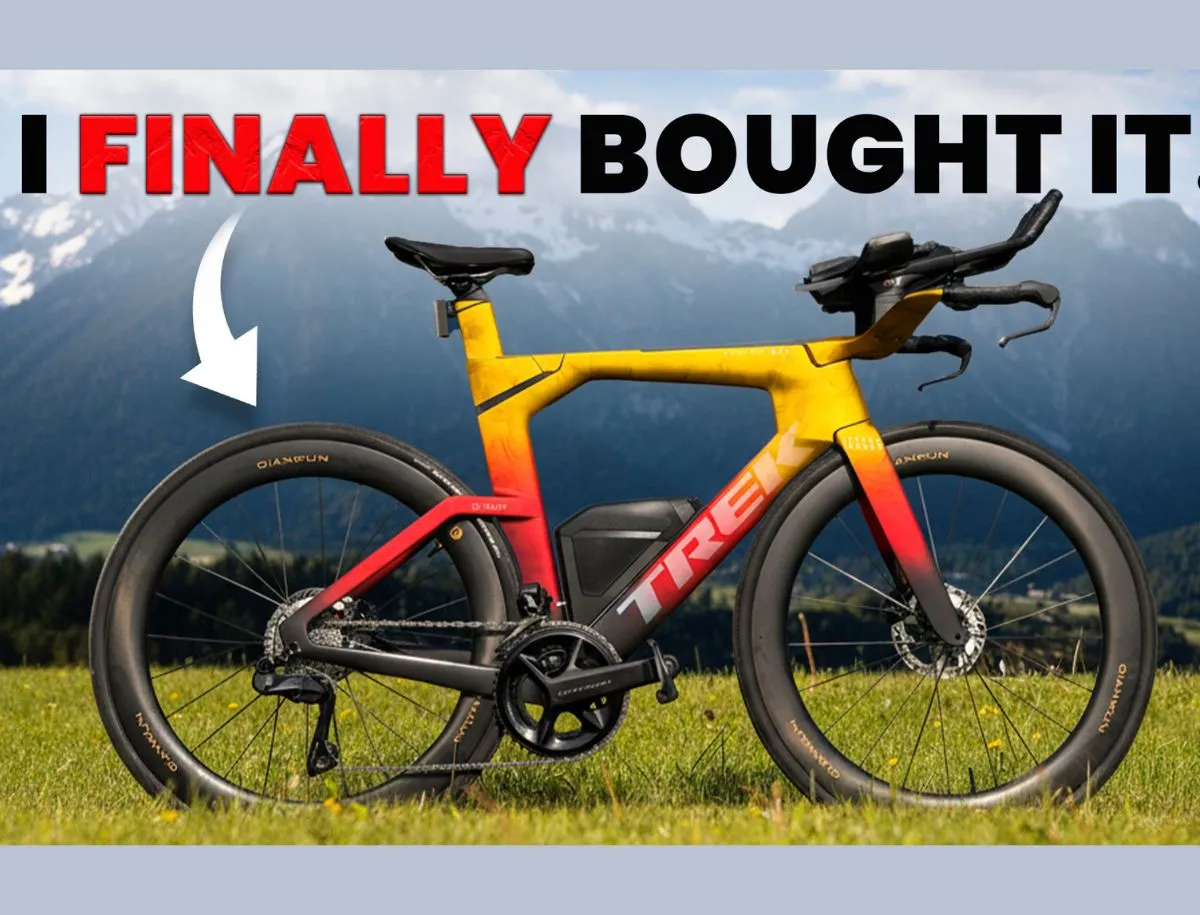
Trek Speed Concept SL7 Project One Review: Is It Worth $10,000?
Three weeks ago, I picked up a Trek Speed Concept SL7 Project One in a custom yellow, red, and black smoke campfire finish from my local Trek dealer. I spent $10,000 of my own money on it. Trek did not send this to me. No sponsorship, no affiliate deal, just a customer buying a bike and telling you exactly what it is.
Here is my honest verdict on whether the Trek Speed Concept SL7 is worth the money, who it is actually built for, and the one design flaw that genuinely frustrates me every single ride.
Why I Chose Trek Over Canyon or a Chinese Brand
I wanted the absolute best triathlon bike I could get my hands on, and I had a few options on the table.
The Canyon Speedmax was the obvious competitor, and it is probably a better value for money on paper. But I am currently based in Vietnam, and Canyon has no authorised dealer here. Factoring in flights to Thailand or China, one or two nights in a hotel, and half a day of travel in each direction, the Speedmax stops looking like such a great value. Walking into my local Trek dealership and walking out with a Speed Concept was simply the smarter move.
The Argon E117 is another bike I genuinely like. At around $7,500 for a similar spec, it is about $1,000 cheaper than the Speed Concept. Availability killed it for me, though - I could not easily buy one where I live.
I also considered going the Chinese route. The Elves Amanyar 1.0 is a genuinely interesting bike, especially with its seat-tube-free design, and you can buy a frame for under $2,000. But I wanted a bike with a proven track record, proper after-sales support, and a dealer I could walk back into if something went wrong. That mattered more to me than saving money on the frame.
My Honest Relationship With Trek as a Brand
I already own the Trek Marlin 5 and the Trek Domane SL5. Both have been completely faultless across tens of thousands of kilometres. Trek makes incredible bikes that are not up for debate.
Are they good value for money? Honestly, no. Chinese brands are offering far better value right now, and that gap is not closing any time soon. What Trek sells, at a premium price, is the convenience and peace of mind of a local dealer network. You can walk in, pick your bike, take it home the same day, and return it if something goes wrong. That is what you are paying for beyond the hardware itself.

Trek's accessories are a different story. Their Commuter Pro RT front light launched in 2022 and still sells for $145, a price that made sense in 2022, but not now, when bike lights at half the price outperform it across every metric. Their Bontrager Comp Road Pedal Set has the same problem: $90, released in 2020, heavier than the competition, and outperformed by Shimano and ONIRII pedals at a lower price. Trek is clearly prioritising the bike itself over its peripheral products, and that is probably the right strategic call but it is still worth knowing before you assume the Trek badge means best-in-class across the board.
Trek Speed Concept SL7: Specs and Configuration
The SL7 is the mid-tier Speed Concept, built around a Shimano Ultegra Di2 8170 groupset. Base price is $9,500.
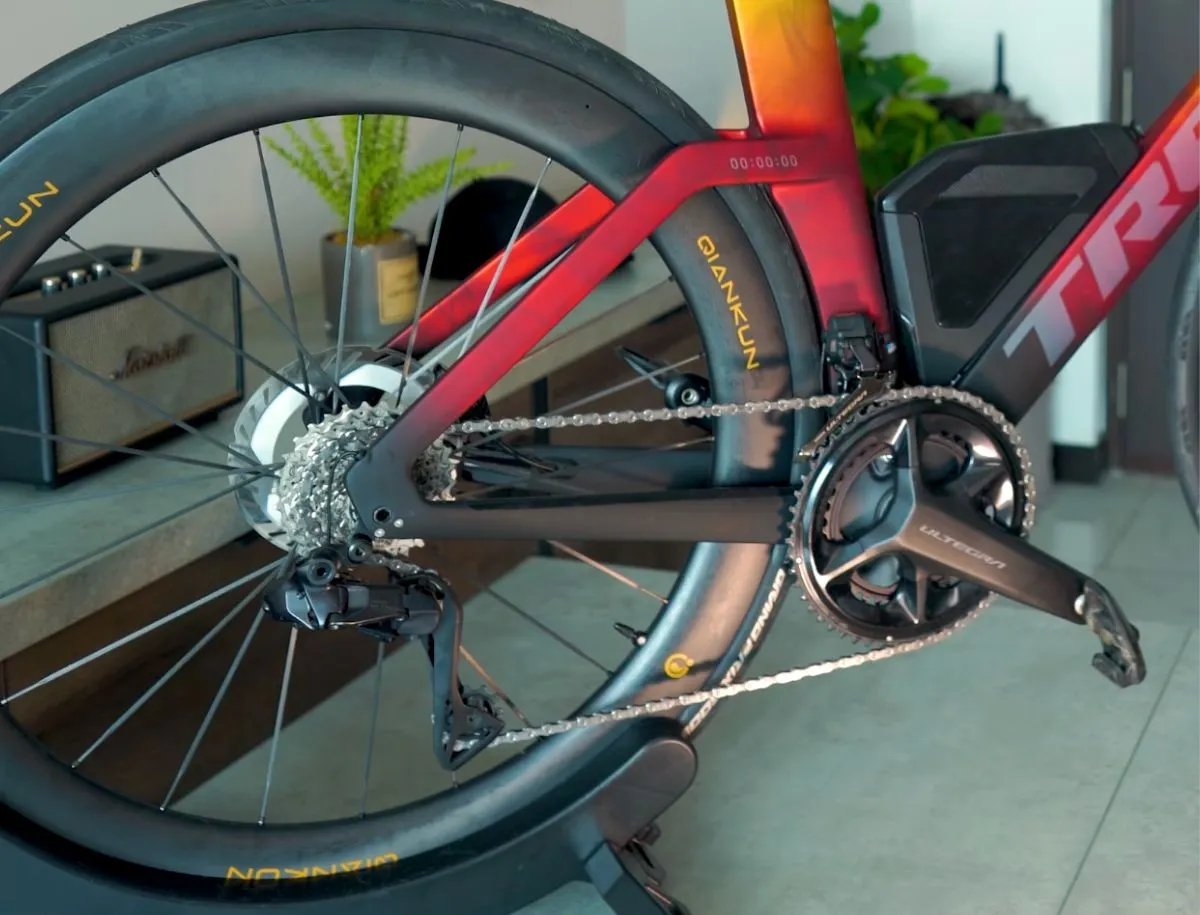
If you want to step up to the SLR 9 with Shimano Dura-Ace, you are looking at $14,000, a $4,500 jump. For most riders, the Ultegra Di2 is more than enough. The shifting is flawless: smooth, instant, and so responsive it feels like the bike shifts before you consciously ask it to. Comparing it to a 105 mechanical is like comparing a touchscreen to a dial-up modem. Both work. One is just in a different league.
Paintwork and Project One Customisation
As standard, the SL7 comes in four colours. None of them really did it for me. The Project One programme is Trek's made-to-order custom service where you spec every detail - paint, logos, components, and they build the bike specifically for you.
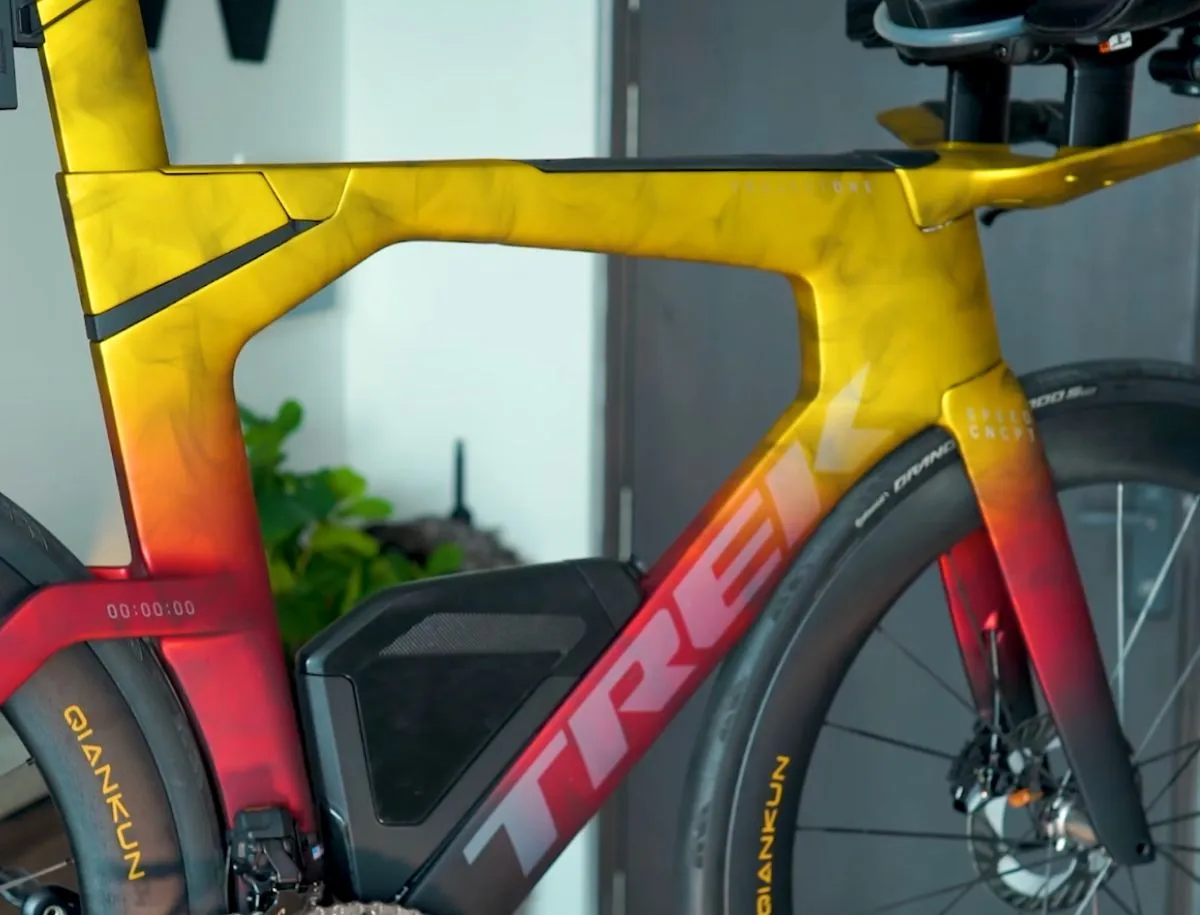
A basic custom colour runs an extra $700. If you want one of Trek's ICON designs, you are looking at $1,200 to $2,500 on top of the base price. The Real Smoke Campfire colourway is what I went with, and it is genuinely stunning in person. Trek makes, in my opinion, the best custom paintwork available on any production triathlon bike. Yes, YOELEO will do a basic custom design for around $300. But the depth and finish of Trek's Project One colours are on a completely different level.
Wheels
The SL7 ships standard with Bontrager Aeolus Pro 51 TLR carbon wheels. Since I had carbon wheels at home, I knew I would be swapping out immediately. I downgraded to the Bontrager Aeolus Pro 37 TLR at checkout and saved $500. The YOELEO QianKun CS60 carbon wheels went on as soon as the bike arrived.
.webp)
Tyres
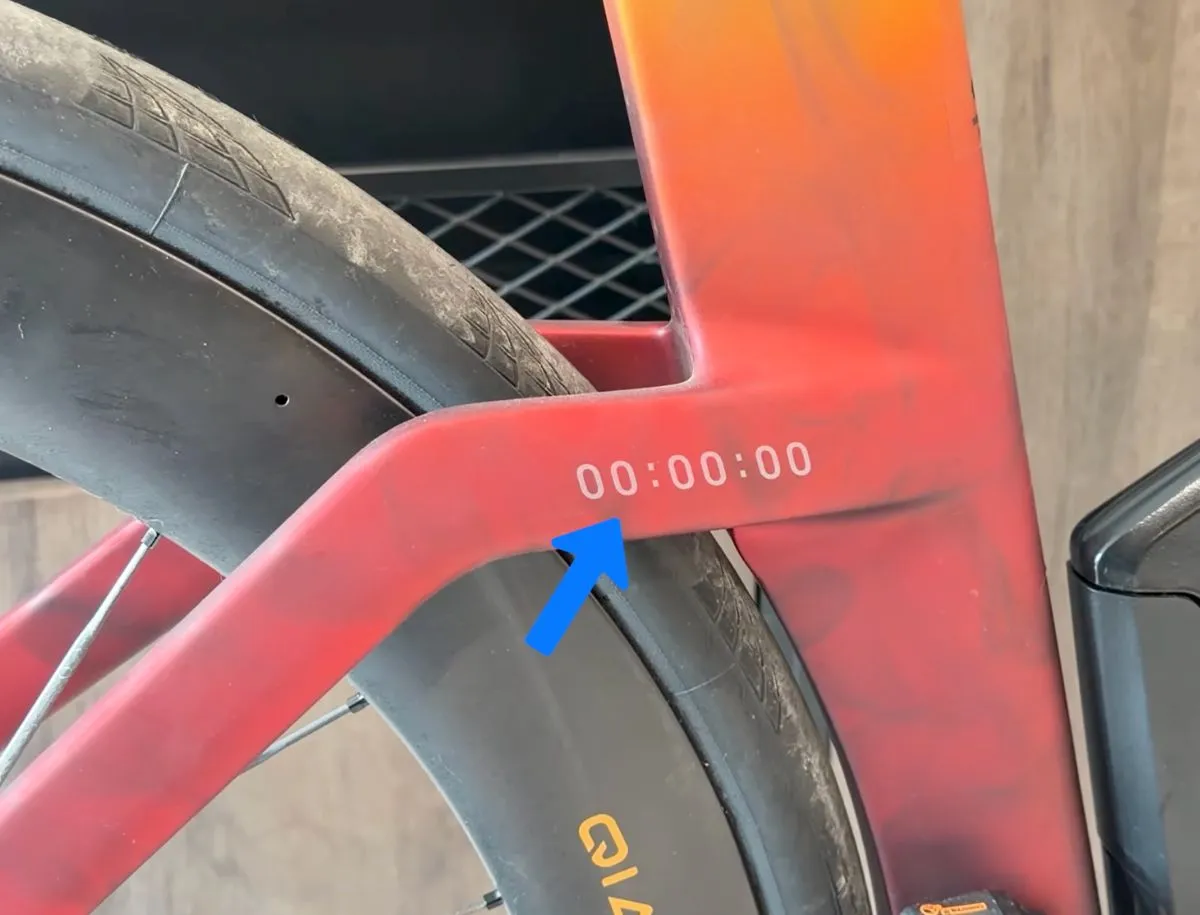
Trek officially rates tyre clearance at 25mm. I am currently running 32mm tyres and they just about fit; they are not ideal, but they work.
Brakes
One of the biggest upgrades in the third-generation Speed Concept over the second-gen is the move from rim brakes to disc brakes. For a bike at this price and at this performance level, disc brakes were honestly overdue. The extra stopping power and control, especially cornering hard or riding in the wet, is not something you want to compromise on a time trial bike pushing this kind of speed.
Saddle
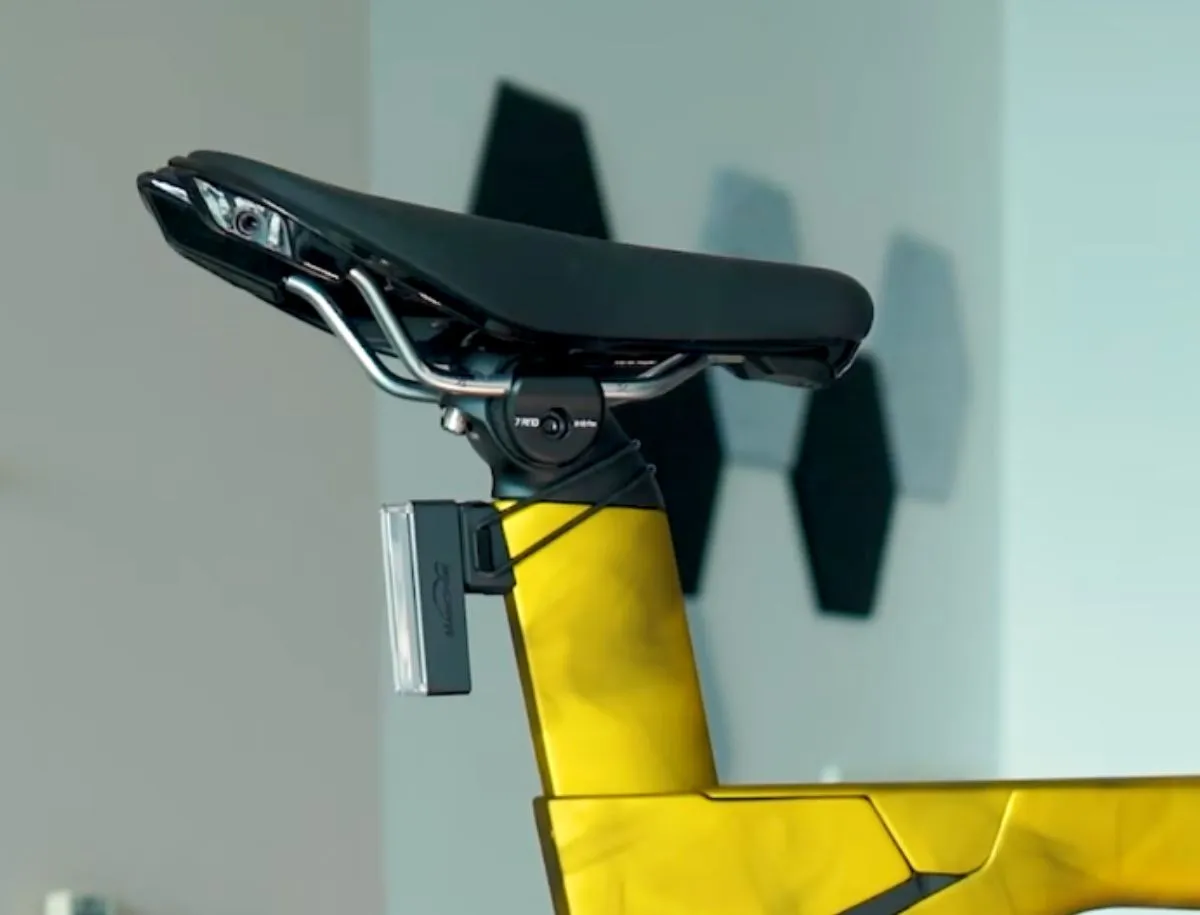
The stock Bontrager Hilo Comp Saddle is genuinely comfortable. I can ride 100km on it without any discomfort. I could have upgraded to the Pro saddle and saved 100 grams for an extra $115, but the Hilo Comp does not need replacing.
Storage
Storage is one of the better surprises on this bike. The integrated compartment holds around eight to nine energy gels and is easy to access mid-ride. There is additional space beneath the water bottle for a flat repair kit, CO2 canister, spare tube, tyre levers, though it is a tight fit and a bit fiddly to get into. It would have been better with slightly more room, but having some integrated storage on a bike this aerodynamic is genuinely useful.

What Rides Like on the Road
This bike is fast in a way that re-frames every other bike I own. After a few weeks on the Speed Concept, every other bike just feels slow. That is not a complaint; it is context. The aero position, the stiffness, the Di2 groupset, everything is calibrated for one purpose: moving through air as quickly as possible.

At 8.97kg, this is not a climbing bike. It is not trying to be. Ride it for what it is, a time trial machine, and it delivers beyond what I expected.
The One Design Flaw I Cannot Ignore
My biggest frustration with this bike has nothing to do with the bike itself. It is the BTA (between-the-arms) bottle, which does not come included and costs an additional $143.
The straw falls out. Constantly. Every time I hit a bump at speed, the straw drops out of position and water starts spilling. On a 50km ride, I have had to reposition the straw approximately 20 times. The fix would be trivial: a small magnet on each side to hold the straw in place. For whatever reason, that did not happen.

Refilling the BTA bottle mid-ride is also awkward. When you tip the main aero water bottle (which holds 769ml and is genuinely well-designed from an aerodynamics standpoint) upside down to pour into the BTA bottle, the tip presses against the valve and blocks the flow. It is a two-handed fumble when it should be a one-second pour.
The cockpit is also less adjustable than I would like. The standard setup only accepts Bontrager extensions, which is why you see pro athletes with fully custom front ends on these bikes. If you have a preferred brand of extensions from Vision or Profile Design, budget for a custom cockpit build.
Who Should Actually Buy the Trek Speed Concept SL7
Honestly, about 95% of people reading this should not buy this bike. That is not a dig; it is just the reality of what this bike is.
There are two types of riders for whom the Trek Speed Concept SL7 makes sense.
The first is a competitive triathlete or time trial rider who needs the absolute fastest production bike available. This bike has been on the podium at Kona. When winning or losing comes down to seconds, the equipment matters, and this is the bike that serious athletes trust.
The second is anyone fortunate enough to be in a financial position where $10,000 on a bike is not a meaningful outlay. If you want the best of the best and cost is not a constraint, this bike is a piece of art that backs up its appearance with genuine performance.
For everyone else, there are better value-for-money options, and I will be reviewing several of them over the coming months.
Final Verdict
The Trek Speed Concept SL7 Project One is the fastest, most ridiculous, most fun bike I have ever ridden. It is also overpriced relative to what the competition offers at similar performance levels, comes with a BTA bottle system that needs a redesign, and runs accessories that do not match the quality of the bike itself.
If you are the right rider for it, none of that will stop you. The performance is real. The paintwork is genuinely beautiful. And the local dealer support, for those of us far from home markets, is worth more than people give it credit for.
Just buy the BTA bottle mod materials at the same time. You will need them.
FAQ
Is the Trek Speed Concept SL7 worth the money? For competitive triathletes and riders without budget constraints, yes, the SL7 delivers elite-level aerodynamics, flawless Shimano Ultegra Di2 shifting, and a proven race pedigree. For most recreational riders, the price-to-performance ratio makes alternatives like the Canyon Speedmax or Argon E117 more sensible choices.
What is Trek Project One? Project One is Trek's made-to-order customisation programme. You choose every detail, paint colour, logo treatment, components, and Trek builds the bike specifically for you. Custom colours start at $700 above the base price, with premium ICON designs running $1,200 to $2,500.
How does the Trek Speed Concept SL7 compare to the SLR 9? The SL7 uses Shimano Ultegra Di2 8170 and starts at $9,500. The SLR 9 steps up to Shimano Dura-Ace and costs $14,000. For most riders, the Ultegra Di2 on the SL7 offers identical real-world performance at a $4,500 saving.
What tyre size fits the Trek Speed Concept SL7? Trek officially rates the SL7 for 25mm tyres. In practice, 28mm tyres fit comfortably, and 32mm tyres can be made to work, though they are tight and not ideal.
Is the Trek Speed Concept good for beginners? No. This is a race-position time trial bike built for speed, not comfort or versatility. The aggressive fit, limited tyre clearance, and $10,000 price tag make it a poor choice for anyone not specifically targeting triathlon or time trial racing.
How does the Trek Speed Concept compare to the Canyon Speedmax? On paper, the Canyon Speedmax offers similar performance at a lower price and is likely a better value for money. Availability is the deciding factor, Canyon's authorised dealer network is limited in parts of Asia, which makes Trek's global dealership reach a practical advantage for some buyers.

Mike Dee
I test and review road bikes, carbon wheels, and accessories. I put them through real-world riding, then tell you honestly whether they're worth buying. My goal is simple: help you discover incredible cycling gear that delivers premium performance without the premium price tag.