



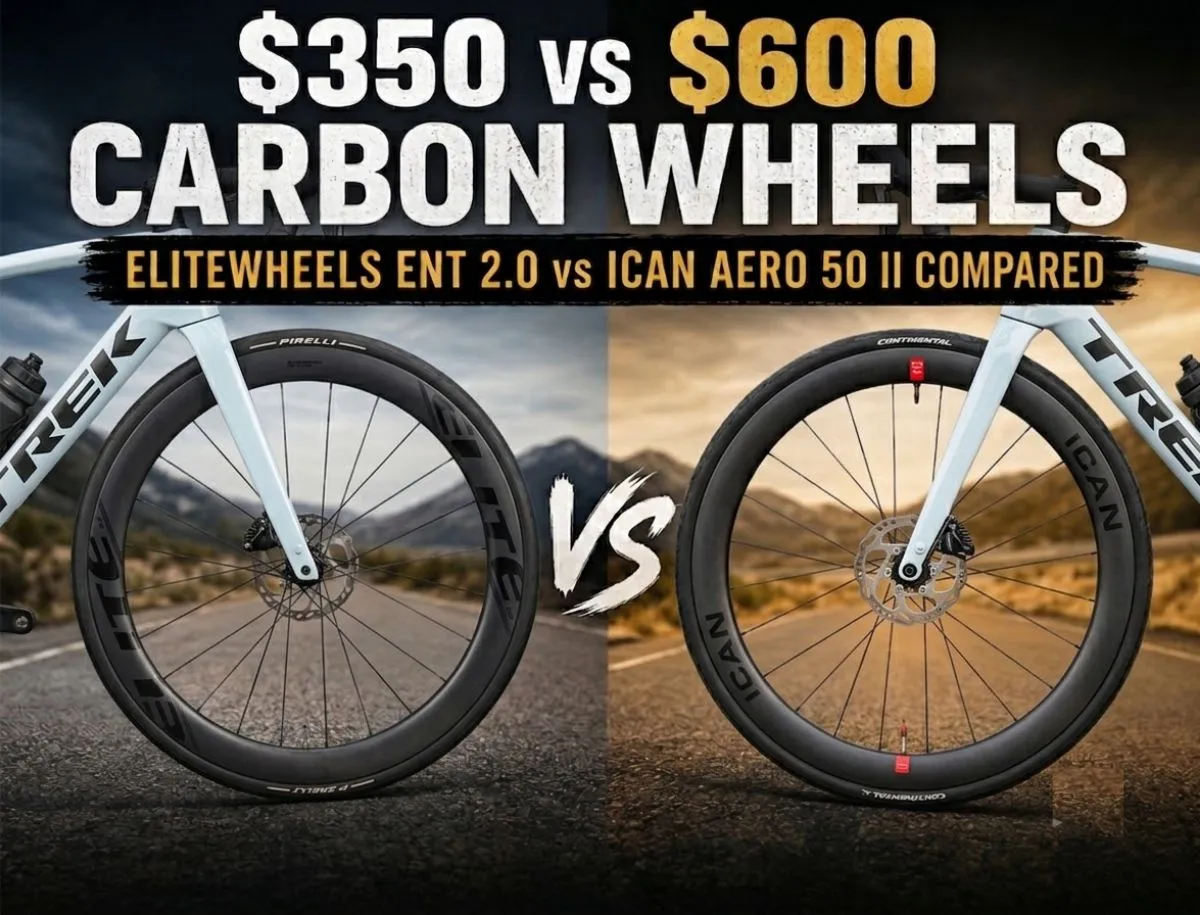
$350 vs $600 Carbon Wheels: Elitewheels ENT 2.0 vs ICAN AERO 50 II
Spending $250 more on a wheelset sounds like a straightforward upgrade. Better wheel, better ride. Done. But when the cheaper option is one of the best-value carbon wheelsets ever tested at its price point, the answer gets more complicated.
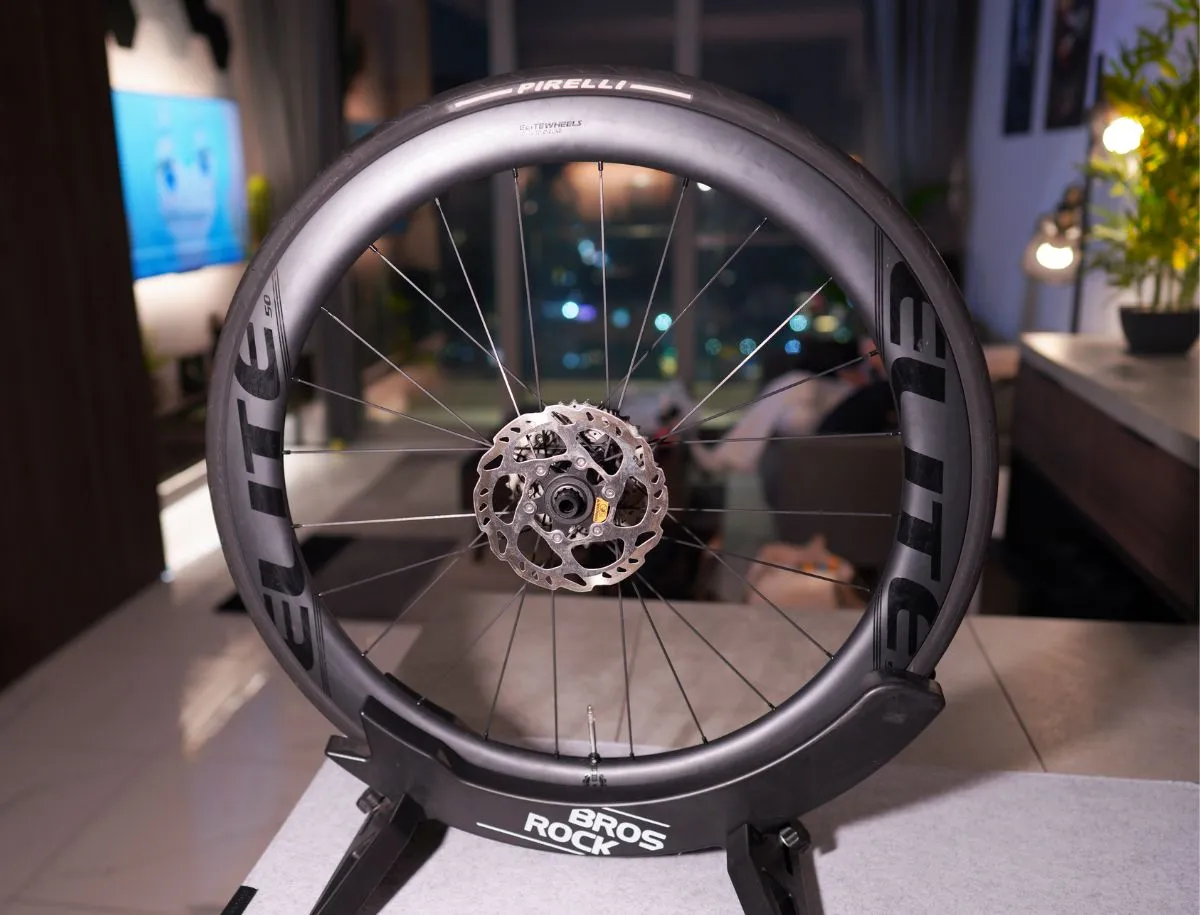
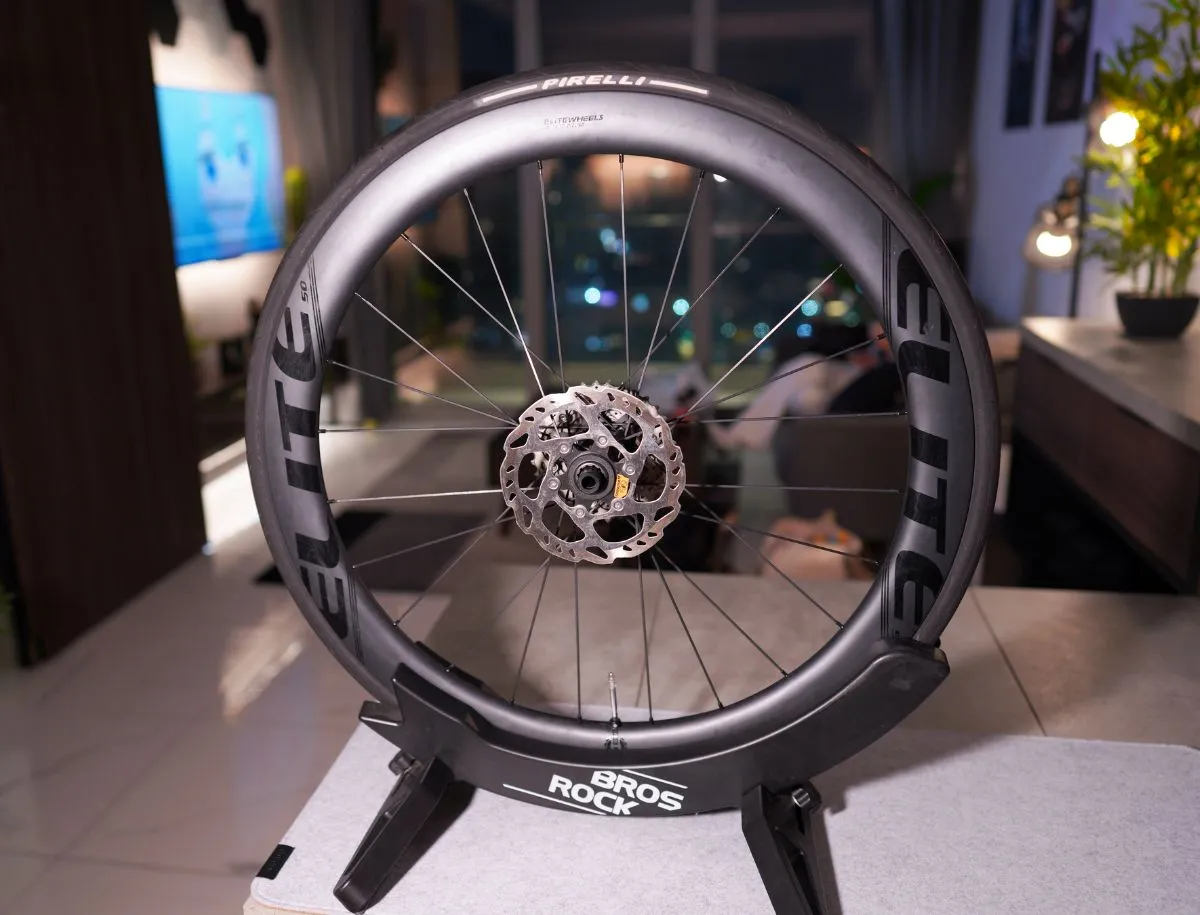
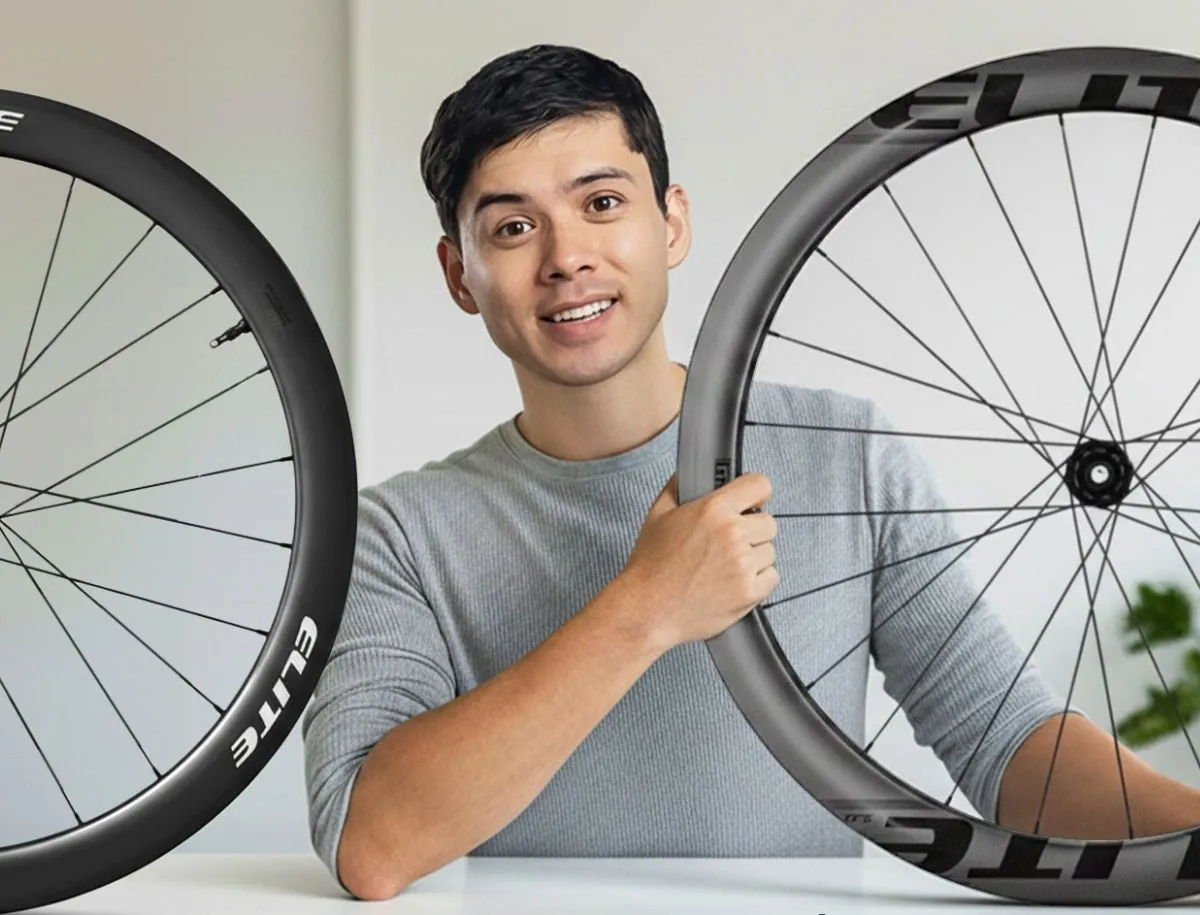
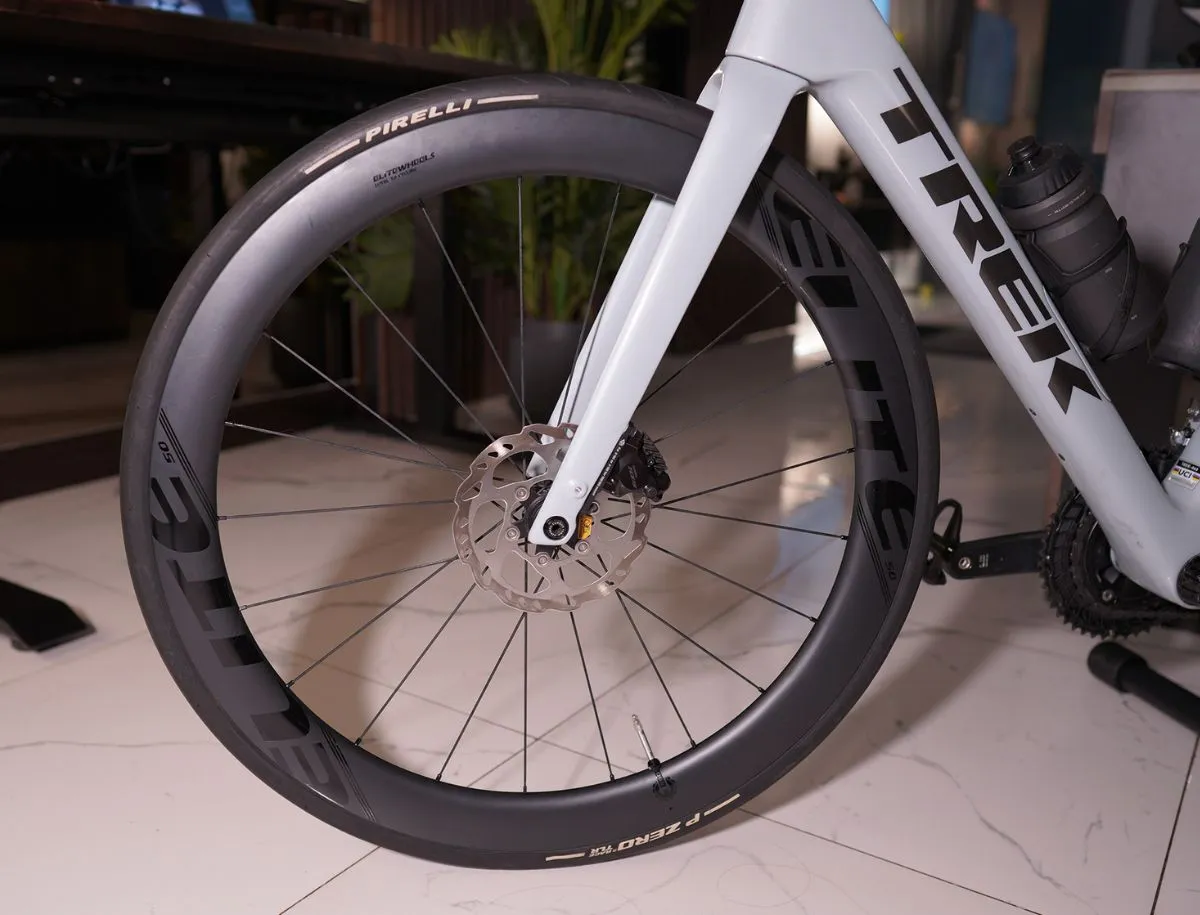
I have ridden the Elitewheels ENT 2.0 for 12 months with roughly 7,000km on them. The ICAN AERO 50 II is a newer addition to the test fleet. Over the last 12 months, I've reviewed 21 carbon wheelsets in total, which means I have real comparison data across weight, spoke tension, carbon quality, and ride feel, not just impressions.
The Two Wheelsets
The Elitewheels ENT 2.0 comes in at $373 standard on AliExpress, or $333 with the current discount code. Those codes expire quickly, so check the link below for what's live when you read this.
After 7,000km, I'd call these the best carbon wheels I've reviewed in the $300 to $350 bracket. Not decent for the money. Actually good, full stop.
The ICAN AERO 50 II is $670 standard, or around $636 with the discount code MIKE5. These are the best carbon wheels I've reviewed in the $600-$650 range. The weight figure alone made me double-check my scale.
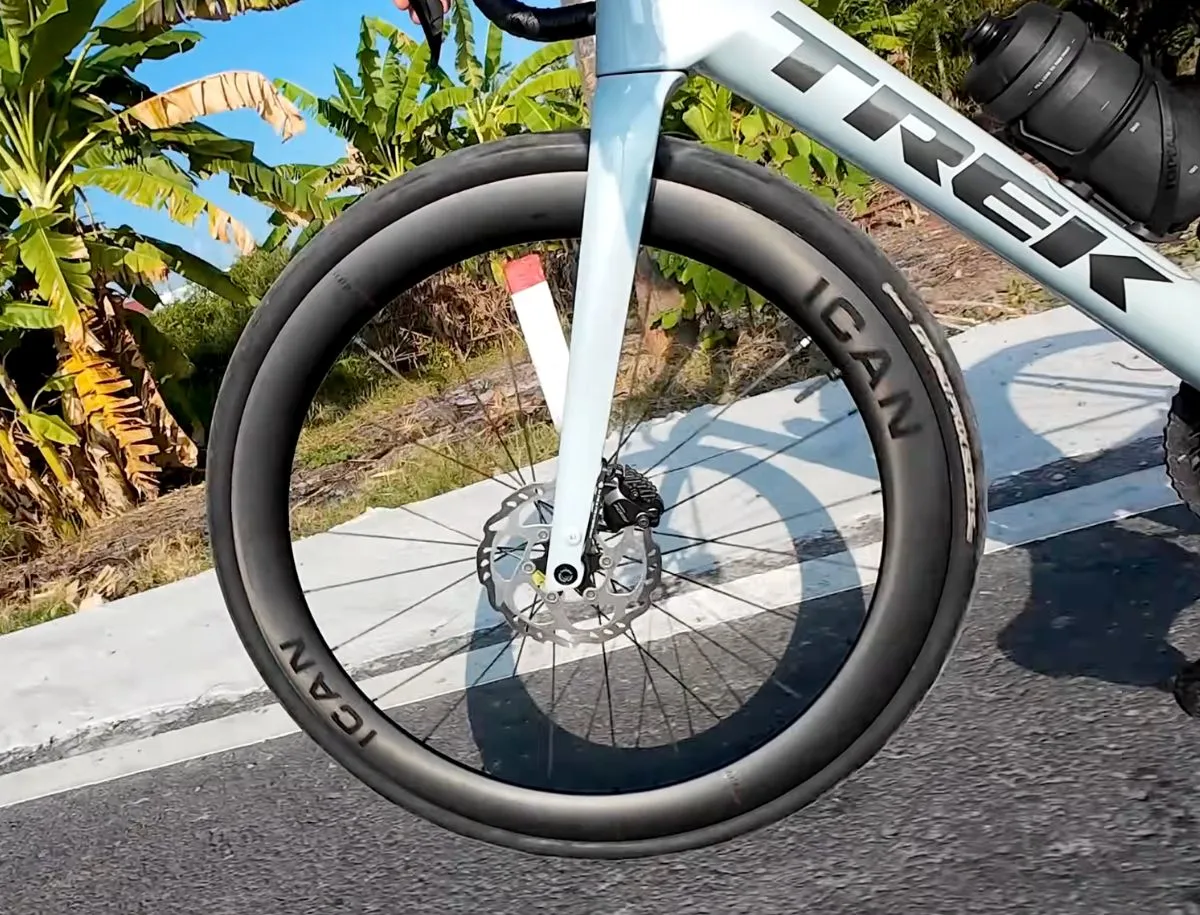
What follows are nine differences between them, ranked from least to most important. By difference three, two, and one, you should have a clear answer on whether the extra $250 is worth it for you.
Difference #9: Where You Buy Them
This one matters more than most people give it credit for.
The ENT 2.0 is available on AliExpress. That matters because AliExpress buyer protection genuinely works. If your wheels arrive damaged, if there's a dispute, if something goes wrong, AliExpress steps in. I've seen it play out, and in most cases, the outcome is fair. That protection sits on top of whatever Elitewheels itself offers.
One thing to flag: make sure you're buying from the official Elitewheels store on AliExpress. There are fake storefronts on the platform, and it's not always obvious which is which. I've linked the official store in the description so you don't have to guess. If you buy through my link, I get a small kickback at no extra cost to you; that's what keeps these reviews coming.
The ICAN AERO 50 II is only available directly from ICAN's website. That's normal at this price point; budget-oriented wheels tend to land on AliExpress, and more expensive ones sell direct. ICAN is an established brand with a proper support team, but if something goes wrong, you're dealing with ICAN directly. No platform sitting in the middle.
For most buyers, this will never matter. The wheels arrive fine, and the question of disputes doesn't come up. But if buyer protection is important to you, especially when spending $600-plus with a brand you haven't bought from before, it's worth knowing.
Verdict: Advantage ENT 2.0. AliExpress buyer protection is a genuine benefit. Just buy from the official Elitewheels store.
Difference #8: Real-World Track Record
Before committing to any wheelset, 20 minutes on Reddit and the cycling forums, reading what actual owners say, is worth more than the spec sheet.
The ENT 2.0 has been out long enough that a real body of community feedback exists. You'll find riders in Facebook groups, on forums, and on Reddit who've put serious kilometres on them, reported back on any issues, and described how Elitewheels handled it. That kind of accumulated, real-world knowledge is valuable when you're deciding where to spend your money.
The original ICAN AERO 50 (the first version, not the II) was in a similar position after a few years on the market: strong community reputation, confident recommendations based on real data over time.
The AERO 50 II is a different situation. It was released recently. On the positive side, you get newer technology, an updated hub, a lighter build, and whatever ICAN learned from the original.
On the less positive side, the community data isn't there yet. Most reviews that exist, including this one, are early impressions. A few weeks on the road tells you less than 12 months does.
That's not necessarily a reason to avoid the AERO 50 II. The original earned a strong reputation, and the II is a meaningful step forward.
The expectation is that positive community data will follow. But right now you're buying on less information than you'd have with the ENT 2.0, and that's worth being honest about.
Verdict: Advantage ENT 2.0. The track record is more established. If you like to research thoroughly before committing, there's considerably more to work with on the ENT 2.0.
Difference #6: Internal Carbon Quality
I run an endoscope through every wheelset I review. It's a small camera that goes inside the rim and shows you the carbon layup from the inside, one of the few tests that gives you real build quality information invisible from the outside.
The ENT 2.0 internal carbon is clean for the price. Consistent layup, no visible voids, no delamination. For a $350 wheel, that's a genuinely good result. Some budget carbon rims look rough internally, even when they perform fine on the road.
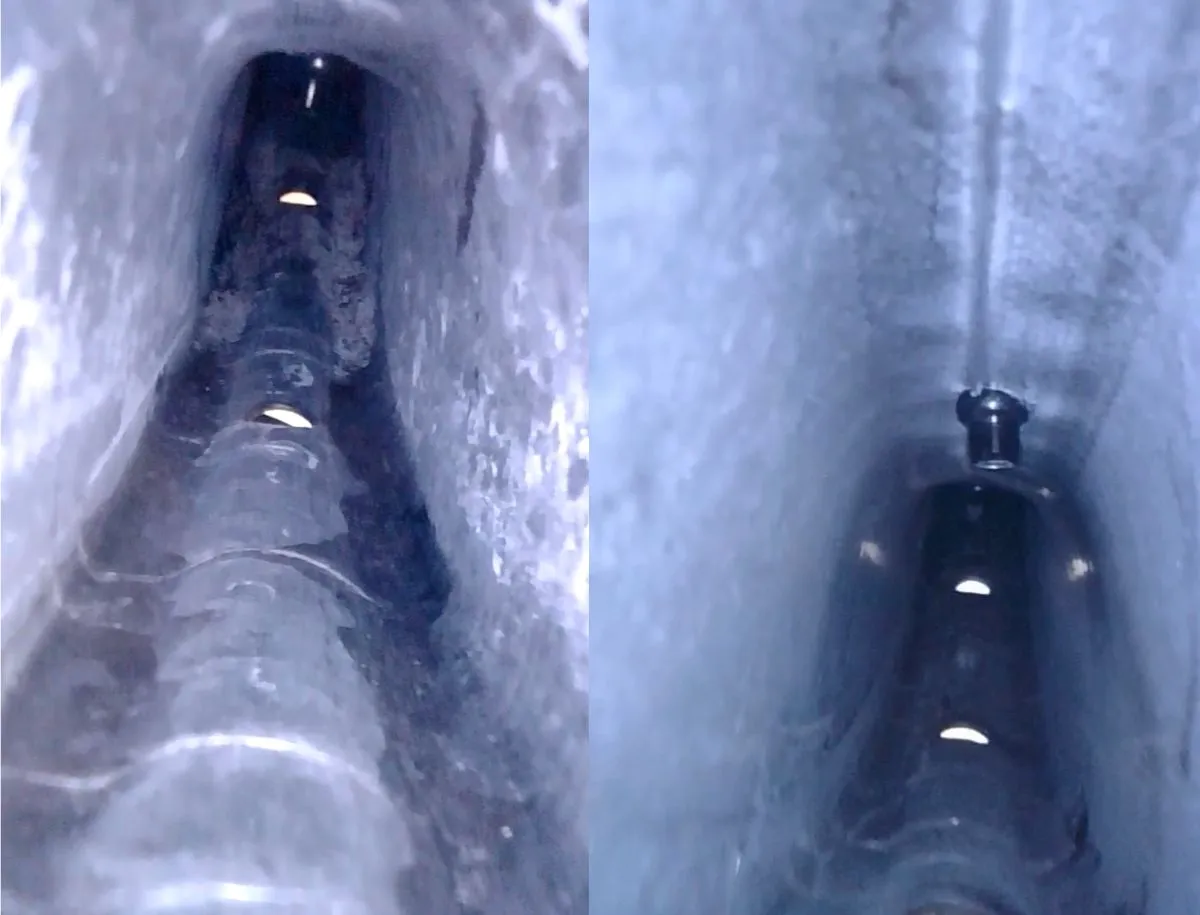
The ICAN AERO 50 II's internal finish is decent but not exceptional. There are some surface ripples and minor resin inconsistencies visible near the spoke bed area. Nothing that raises a structural concern, but it's not the cleanest internal layup I've seen at this price.
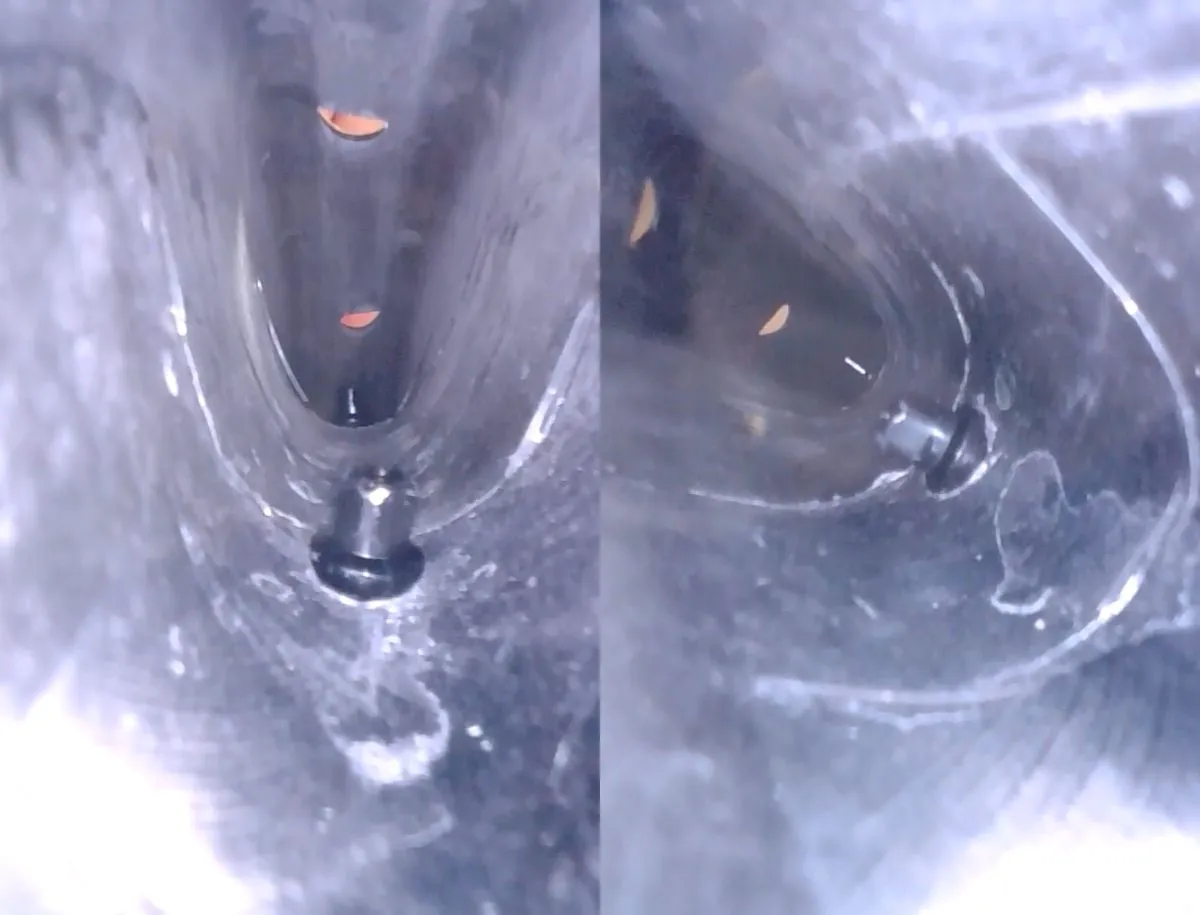
On the Carbon Wheel Scorecard, I gave both wheels a 3 out of 5 for carbon fibre quality. They score identically here, which is notable given the $250 price gap. Both use a combination of T700 and T800 carbon. T800 is roughly 28% stiffer than T700, which matters in a rim where lateral rigidity under hard sprinting and cornering loads is what you want. Neither brand publishes its exact layup schedule.
Verdict: Draw. The extra $250 buys you nothing in terms of carbon quality. Both wheels score the same.
Difference #5: Hub Design
The ENT 2.0 uses Elitewheel's own hub design. After 12 months of regular riding, I've had zero issues with it. Engagement is good for road riding, it runs smoothly, and the freehub body is aluminium. The aluminium freehub is worth noting: over enough kilometres, a cassette can start to dig in. A steel or titanium freehub body replacement typically runs $30 to $50 if it becomes necessary. You can also upgrade to ceramic bearings on the ENT 2.0 for an extra $48, which is a nice option to have on a wheel at this price.
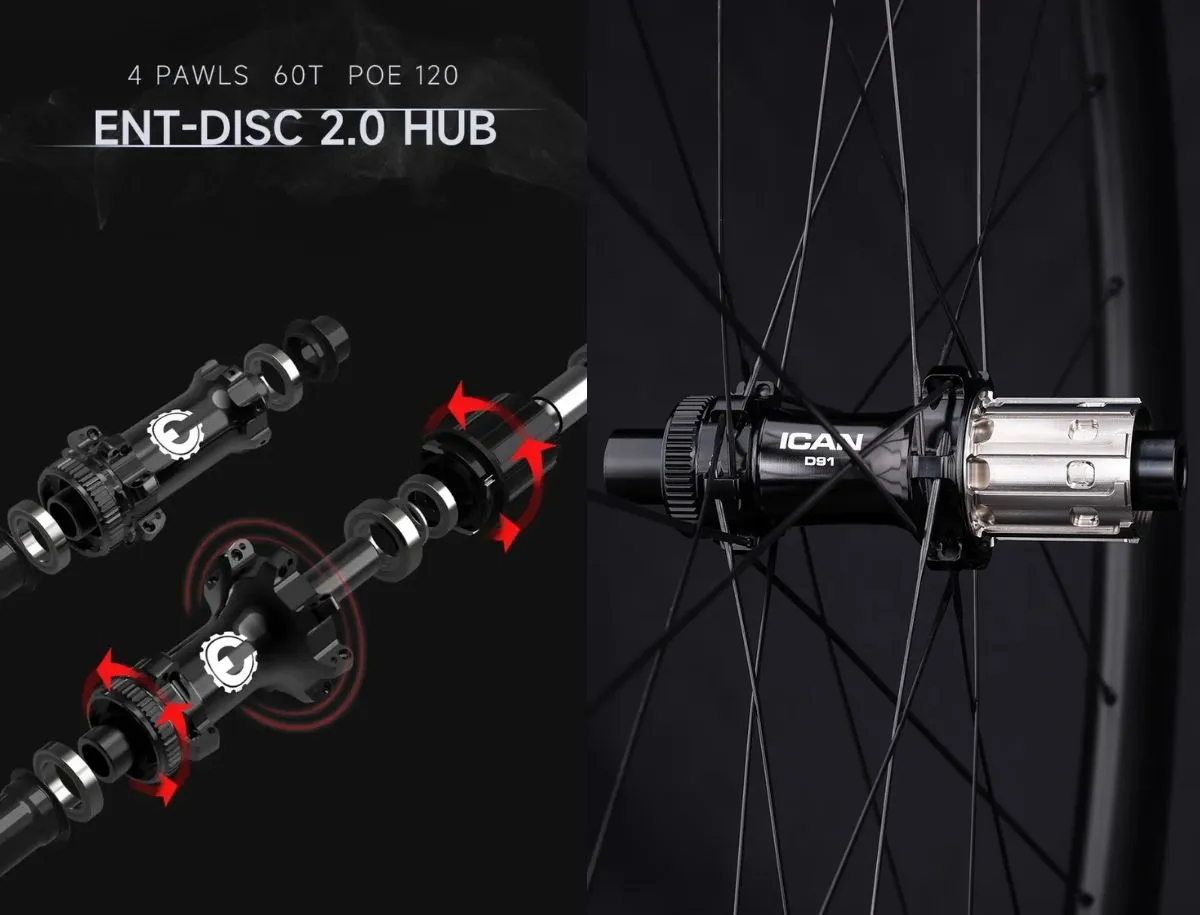
The ICAN AERO 50 II uses their newer D91 hub, replacing the older D01. The headline change is weight: 49 grams lighter than its predecessor, bringing the total hub weight down to 279 grams. That's a meaningful saving on a component sitting at the centre of rotation, and part of why the AERO 50 II spins up as quickly as it does. Engagement uses a 45-tooth star ratchet, giving you 8 degrees of engagement. For road riding, that's plenty. High-engagement ratchets matter most in technical mountain biking, where you're constantly making short, sharp pedal strokes. On a road bike, you're unlikely to notice. The D91's freehub body is also aluminium, so the same cassette wear consideration applies.
Verdict: Slight advantage ICAN on hub weight and engineering refinement. But for road riding, both hubs are more than capable.
Difference #4: Ride Quality
The ENT 2.0 has a solid, planted feel under power. Minimal lateral flex out of the saddle, predictable through corners, composed on descents. For a $350 carbon wheelset, the stiffness is genuinely good. This isn't a flexy or dead-feeling budget wheel. It's a proper, capable rim that happens to be very affordable.
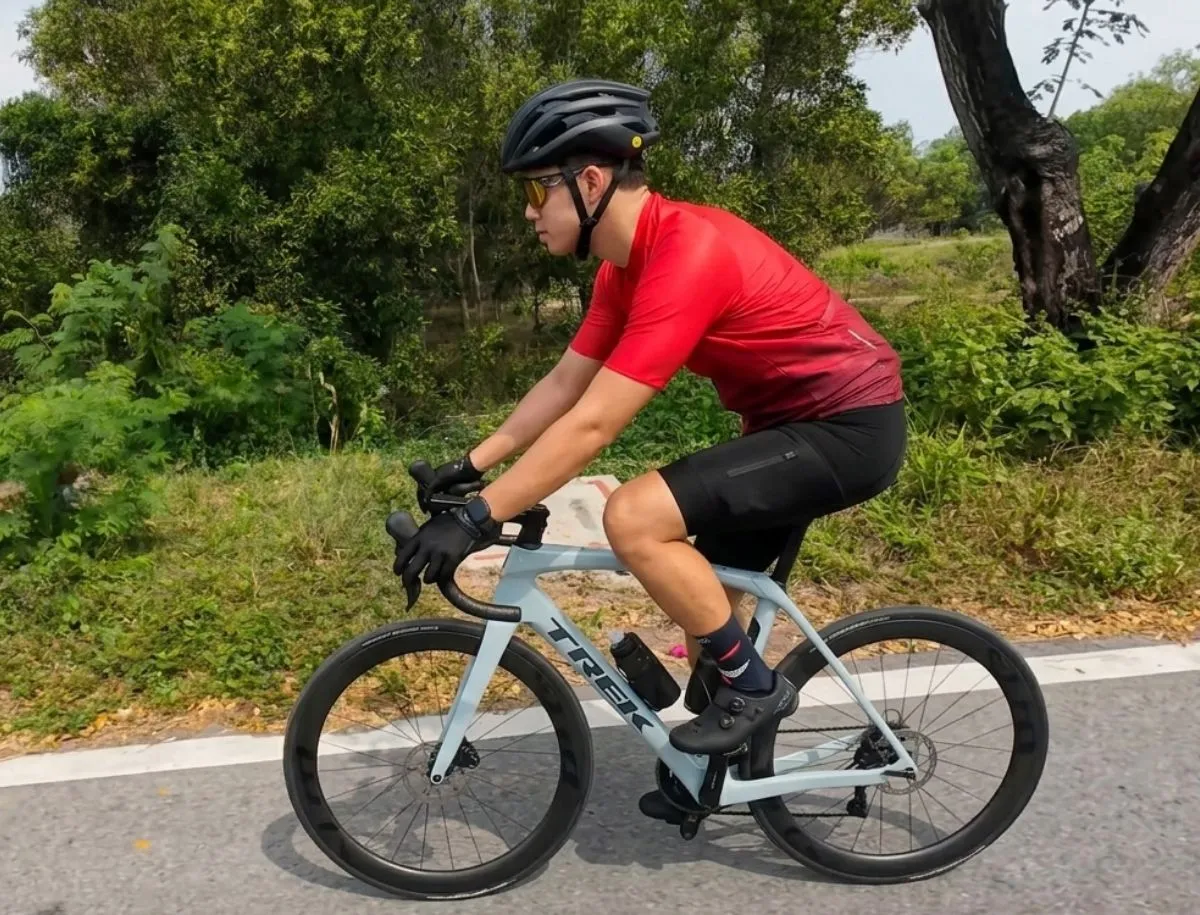
The ICAN AERO 50 II is noticeably stiffer when you're pushing hard. Part of that comes from the T800 carbon construction. Part of it comes from the Sapim CX-Ray spoke build, which I'll cover in the next section. Hard efforts out of the saddle, sprinting, punching over short climbs- there's very little to argue with.
The stiffness translates directly into the feeling that your power is going somewhere useful. On rougher surfaces, that stiffness means more road feedback. I run 32mm GP 5000 S TR tyres tubeless on my test bikes, and at that width, the tyre absorbs enough road buzz that comfort isn't a complaint. If you're running 25mm tyres on patchy tarmac, it's worth being aware of.
Crosswind handling at 50mm is similar across both wheels. In calm to moderate conditions, both feel stable and predictable. In strong gusts, you feel the rim depth wanting to move, which is normal for any 50mm rim regardless of price.
Climbing is where the gap becomes real. The ENT 2.0s are reasonably light for the price. The ICAN AERO 50 IIs are dramatically lighter, and you feel it. The ICAN spins up faster and holds speed with less effort. Over a long ride with serious elevation, that compounds.
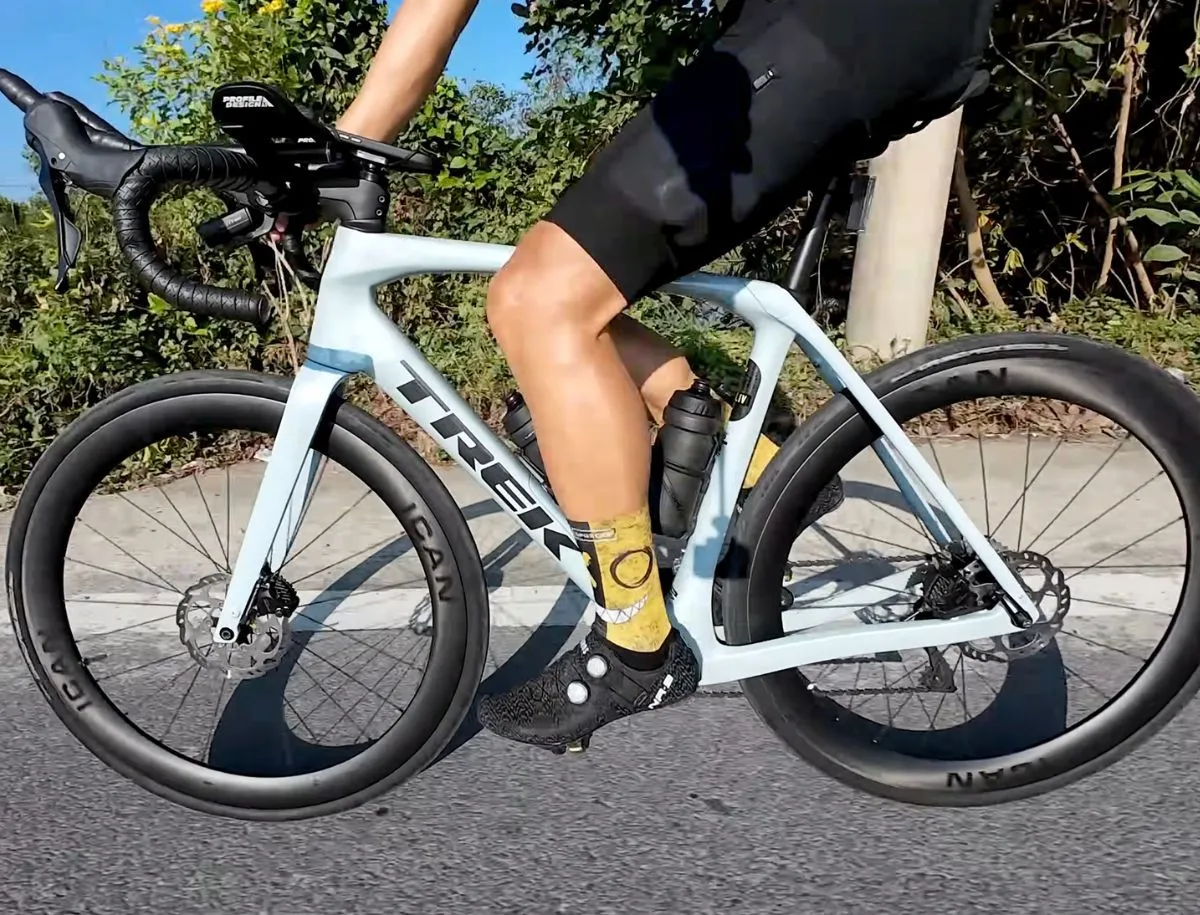
Verdict: Advantage ICAN on stiffness and power transfer. If you push hard, sprint, and climb regularly, you'll feel the difference. If you ride at a steadier pace, both wheelsets feel genuinely excellent.
Difference #3: Spoke Specification and Tension
This is where the comparison shifts decisively, and it's the result that surprised me most about the ICAN AERO 50 II.
The ENT 2.0 runs Pillar 1423 spokes. Pillar is a Taiwanese manufacturer, solid and reputable, and you'll find them on several well-regarded wheelsets at this price point. A reasonable choice for a $350 wheel.
The ICAN AERO 50 II comes with Sapim CX-Ray spokes. Sapim is a Belgian company with a long history in spoke manufacturing, and the CX-Ray is their flagship product. Blade-shaped, extraordinarily strong for the weight, and typically found on wheels costing $1,500 or more. I've reviewed wheels at $1,000 and $1,100 that don't carry this specification. Some brands charging a significant premium still don't get you a Sapim CX-Ray build. The ICAN AERO 50 II does, at $636.
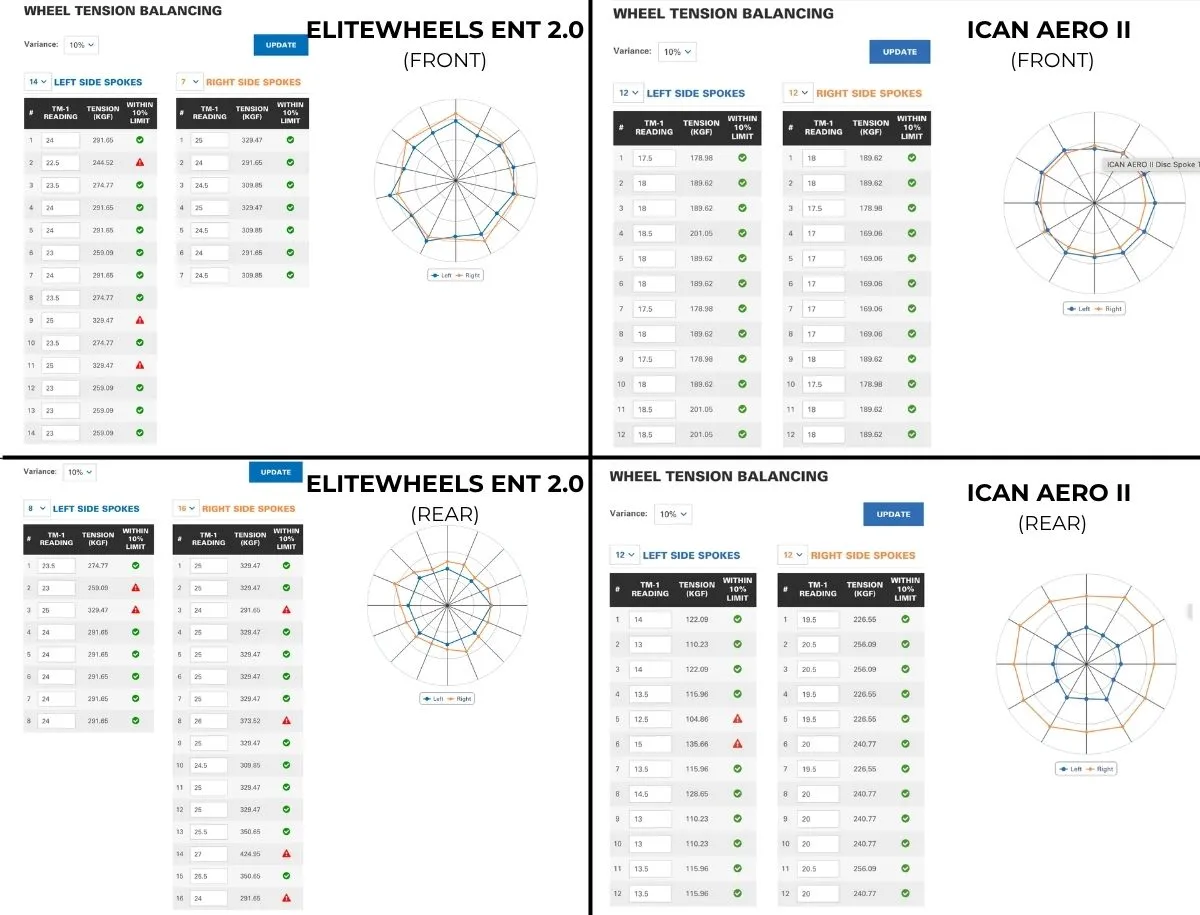
Spoke specification alone only tells you part of the story. The other part is spoke tension, and that's why I test every wheel with a spoke tension meter before publishing a review. Inconsistent spoke tension is one of the leading causes of wheel failure, buckled rims, and poor power transfer. A wheel can look perfect from the outside and have tension problems that will cause it to go out of true under hard efforts, or cause a spoke to fail. You'd never know without measuring.
On the ENT 2.0, the results weren't great. The front wheel has 14 left-side spokes and 7 right-side spokes. Three spokes on the left side fell outside the 10% variance limit. The radar chart shows a noticeably uneven shape, with left and right sides pulling in different directions. The rear wheel told a similar story: with 8 left-side spokes and 16 on the drive side, 6 spokes sat outside the variance limit, including some meaningful outliers on the drive side. On the Carbon Wheel Scorecard, I gave the ENT 2.0 a 2 out of 5 for spoke tension, one of the lower scores across all 13 wheelsets tested.
For a $350 wheel, this is probably to be expected, and in 12 months of riding them, I haven't had any failures. But the data is the data.
The ICAN AERO 50 II is a completely different picture. The front wheel was near-perfect across every single spoke. The rear wheel had 22 out of 24 spokes within the acceptable variance range, with just two sitting slightly outside the limit. The radar charts on both wheels show tight, even, almost circular profiles — the signature of a wheel built carefully with proper attention to tension consistency. Spoke tension scored 5 out of 5 on the Scorecard, the highest score I've given any wheel across this metric.
Having Sapim CX-Ray spokes and a near-perfect tension result on a $636 wheelset is not something you can take for granted. Those two things together, the quality of the component and the quality of the build, are a significant part of what justifies the price gap.
Verdict: Clear advantage ICAN, and it's not close. The ENT 2.0's Pillar 1423 spokes are reasonable for the price, but the tension results were below average. The ICAN's Sapim CX-Ray build with a 5 out of 5 tension score is exceptional for this price point.
Difference #2: Weight
The ENT 2.0's 50mm version came in at 1,605 grams on my scale. For $350, that's a competitive, respectable number. If you're upgrading from alloy wheels, you'll feel the difference immediately on climbs.
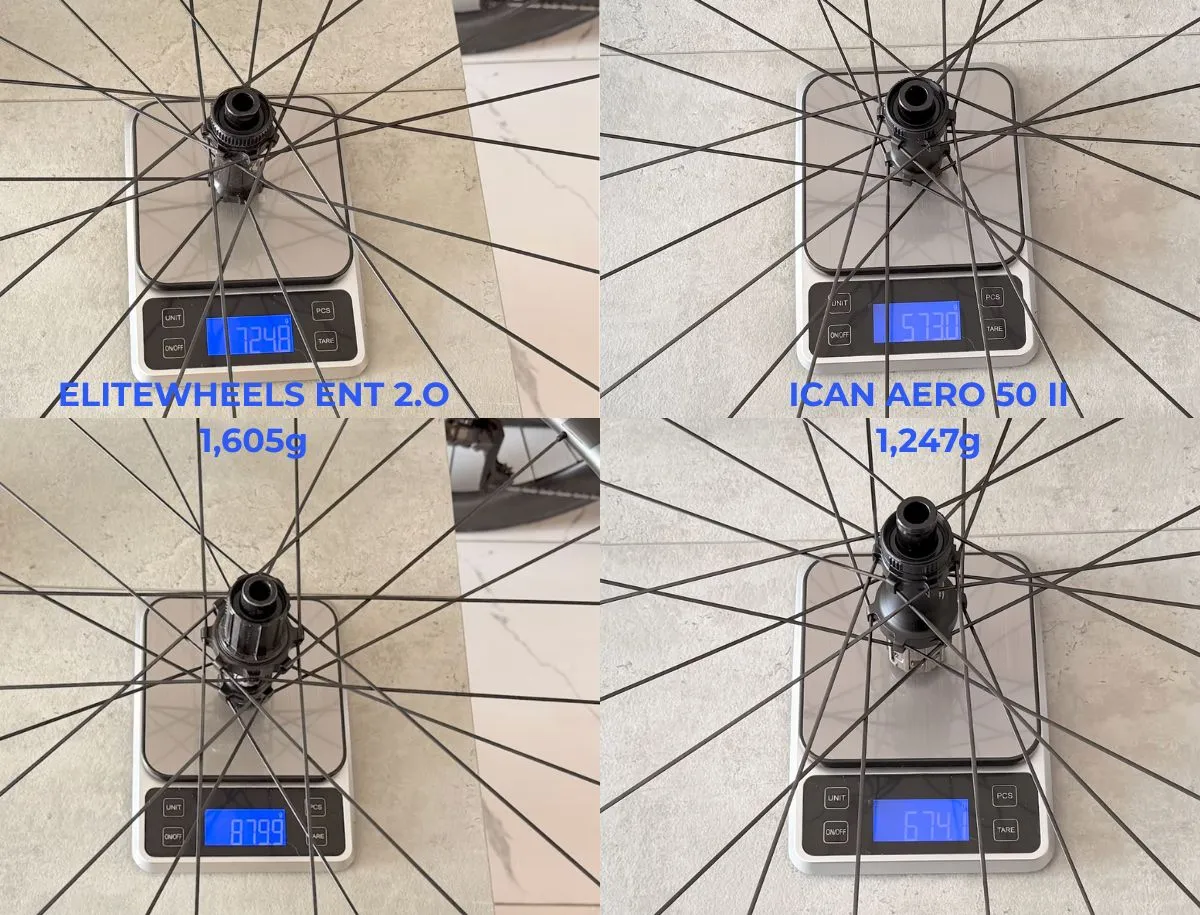
The ICAN AERO 50 II at 50mm came in at 1,247 grams. That's 358 grams lighter than the ENT 2.0. And that number is the single most striking thing about this wheelset, not just relative to the ENT 2.0, but relative to everything I've tested.
To put 1,247 grams in context: the $840 Elitewheels Marvel II weighs 1,500 grams (253g heavier). The $1,000 MovingSports SL1200 weighs 1,265 grams (18g heavier). The $1,100 Superteam Ultra H2 weighs 1,290 grams (43g heavier).
The ICAN AERO 50 II is lighter than all three, and all three cost significantly more. The only wheelset I've reviewed that comes in lighter is the YOELEO QianKun CS50 at 1,185 grams, and those cost $1,650.
On flat ground, the weight difference between these two wheelsets is not dramatic. You feel it when climbing and accelerating. Every 100 grams saved on rotating components has a greater effect than 100 grams saved anywhere else on the bike, because your wheels are spinning that weight continuously for every metre you ride.
All the weight data for every wheelset I've reviewed is in the Carbon Wheel Scorecard, which you can download for free. The link is in the description.
Verdict: Significant advantage ICAN. 1,247 grams at $636 is the clearest single argument for paying the extra $250.
Difference #1: Overall Value for What You're Actually Getting
This is the one that ties everything together.
The ENT 2.0 at $350 is one of the best cycling purchases I've made. After 12 months of regular riding, they've held their true, performed consistently, built up an enormous body of positive community feedback, and never given me a reason to question the decision. Available on AliExpress with buyer protection through the official Elitewheels store. For riders who want to get onto a proper set of carbon wheels without spending serious money, these are about as good as it gets at this price.
But here's what the ICAN AERO 50 II actually gives you for $636:
- Sapim CX-Ray spokes, typically found on wheels costing $1,500 or more
- 1,247 grams, lighter than carbon options at $840, $1,000, and $1,100
- A 5 out of 5 spoke tension score, the highest I've given across 13 wheelsets tested
- A two-year warranty and crash replacement coverage
- A hub that shed 49 grams from its predecessor
- Carbon quality on par with the ENT 2.0 despite the price gap
The gap between these two wheelsets is real. The ICAN is stiffer, lighter, and better specified on the spokes; those are measurable differences, not marketing claims. It's the right wheel if you're competing in events, if weight matters to you, if you're putting in serious kilometres, or if you want to buy once and not revisit the decision for several years.
The ENT 2.0 is the right wheel if you're newer to riding, if $350 is your ceiling, if you want the most thoroughly community-validated option available, or if AliExpress buyer protection matters to you. All of those are legitimate reasons, and you won't be disappointed.
Who Should Buy the Elitewheels ENT 2.0
Buy the ENT 2.0 if:
- Your budget is tight at $350 or below
- You're moving from alloy to carbon for the first time and want a proven starting point
- You value AliExpress buyer protection and community-validated track record
- You ride at a steady pace without regular competitive events or serious climbing
Avoid if you sprint hard regularly and want wheels that won't give up anything under pressure.
Who Should Buy the ICAN AERO 50 II
Buy the ICAN AERO 50 II if:
- You push hard and climb regularly
- Weight matters to you, and you want to see the difference on every climb
- You want Sapim CX-Ray spoke quality at a price that normally doesn't include it
- You want to buy once and not revisit the wheel question for several years
Avoid if the $636 price is a stretch, or if you're still new enough to riding that the performance gap won't be noticeable yet.
Click the button below to check the best prices.

Review by Mike Dee
I test road bikes, carbon wheels, and cycling gear with quantifiable lab tests and real riding. No marketing spin, just the data - so you don't have to spend hours researching or wasting money on the wrong gear.