



Trek Domane SL5 Road Bike Review: 6 Months and 1,000km Later
Three months. 1,000km. Pothole-filled roads, group rides, and one looming Ironman 70.3 on the calendar. That is the context for this review of the Trek Domane SL5 - bought with my own money, ridden hard since day one.
I did not borrow it from Trek. Nobody sent it to me. I paid $3,500 of my own money and I am going to tell you exactly what that gets you after the honeymoon period is over.
Why I Bought the Trek Domane SL5
I am training for an Ironman 70.3. That means long rides in the saddle matter more than sprint speed, and comfort over distance is not a luxury - it is a training requirement.
I needed something that could handle 100km+ days without destroying me, hold up on the mixed-surface roads around Saigon, and still look good sitting in my living room (small apartment, the bike lives with me, that matters).
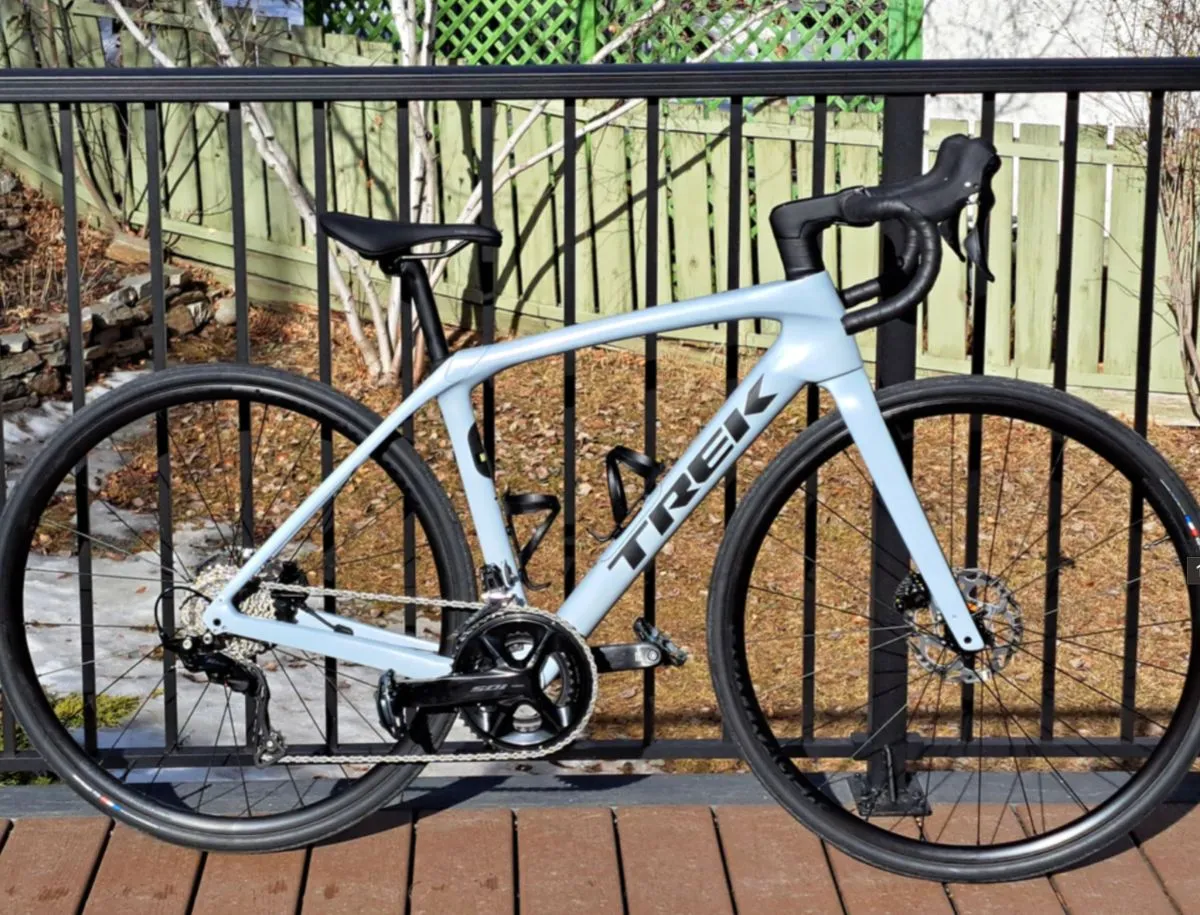
The Domane SL5 is Trek's entry-level carbon road bike in their endurance lineup. It is built around one idea: long-distance comfort without sacrificing the feel of a proper road bike.
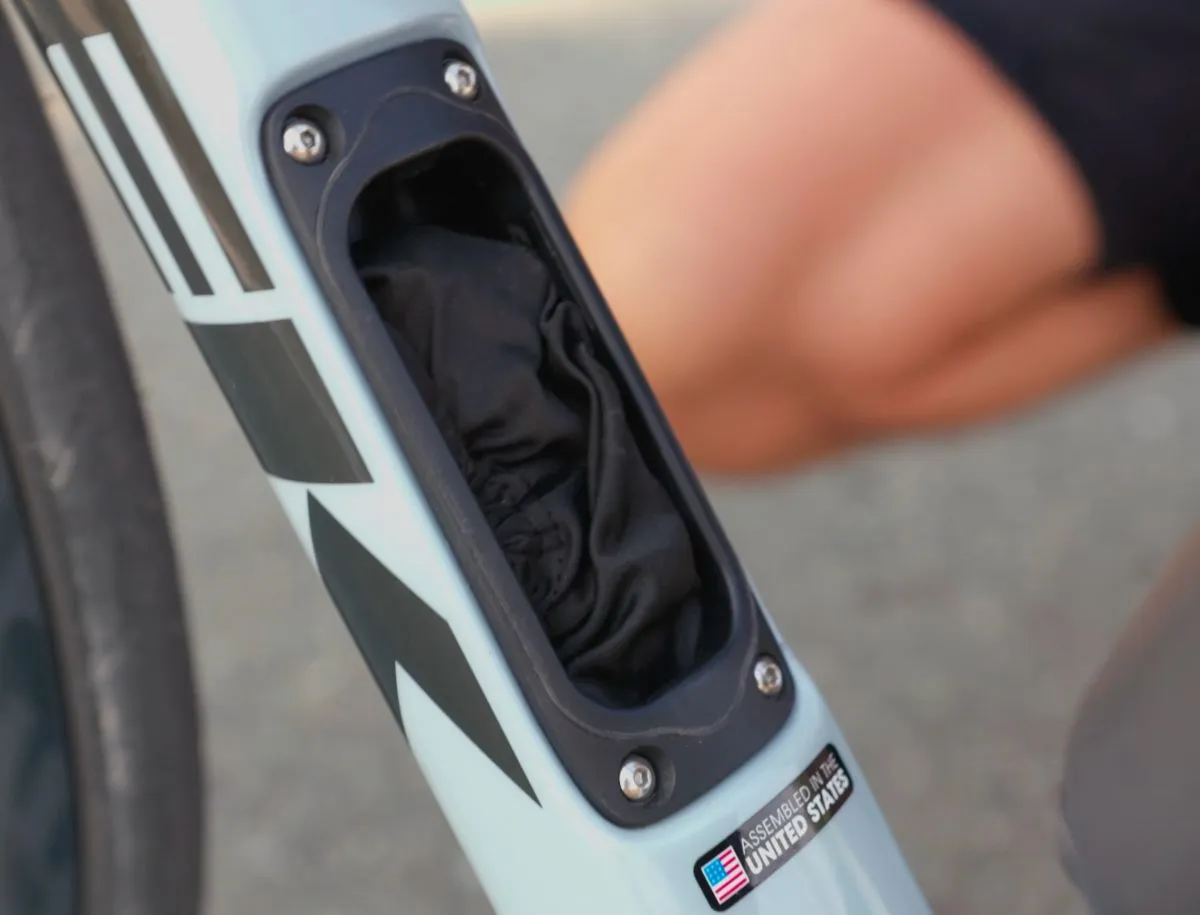
The IsoSpeed decoupler in the frame absorbs road vibration at the seat tube, the geometry keeps you in an upright but efficient position, and the clearance for wider tyres means you are not limited to smooth tarmac.
I could have bought the SL6. I made a deliberate choice not to go into more on that in the value section.
Stock weight runs heavier than the spec sheet implies, mostly due to the Bontrager wheels and stock tyres.
Swapping tyres alone makes a noticeable difference. More on that below.
What It's Actually Like to Ride
The Smoothest Bike I've Ridden
The first thing you notice on the Domane SL5 is how well it irons out the road. The road around where I live - let's just say we don't have the cleanest tarmac.
Potholes, expansion joints, rough patches - all of it feeds into the IsoSpeed system and disappears. Riding this bike on a bad road section felt like a different category of experience compared to the aluminum bikes I had ridden before.
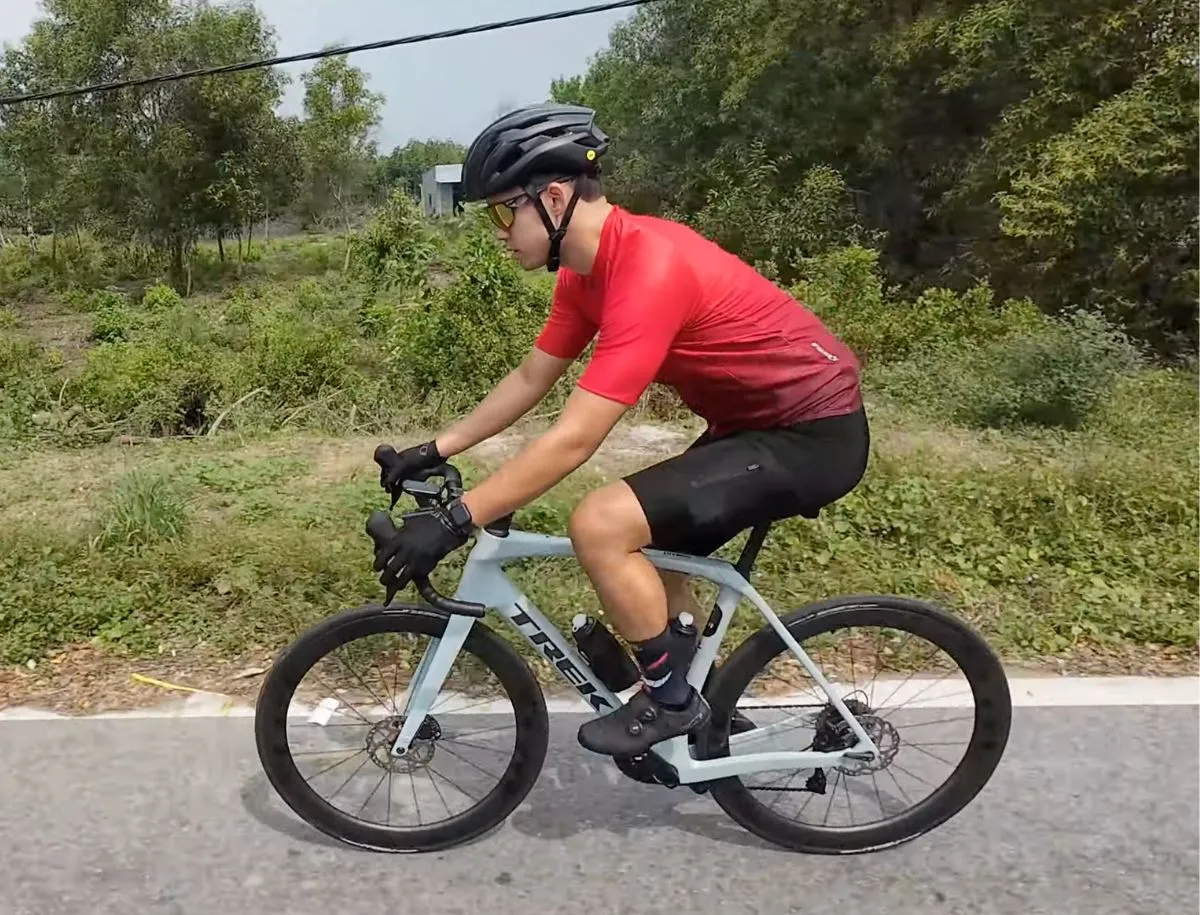
The bike accommodates bigger tyres than most road bikes, which means you have real options depending on the terrain you ride. This is an endurance bike after all - not a super aggressive speed monster.
For 100km+ rides, the comfort difference is real and cumulative. After three hours, a harsh road bike starts grinding you down. The Domane does not. I have finished long training rides feeling genuinely fresh in my upper body, which is not something I expected from a road bike.
Geometry That Works for Training
I have not slammed the stem. The endurance geometry keeps your head up and your back at a manageable angle for long days of riding.
The saddle that comes with the bike is comfortable enough, although I did upgrade it with a $40 saddle from AliExpress. If the stock saddle was a 7 out of 10 for comfort (which isn't too bad!), the $40 AliExpress saddle is an 8 out of 10. A small, but noticable, improvement.
Handling and Road Feel
The SL5 is stable without being slow. It tracks predictably on corners, responds without drama, and does not require effort to hold a line. For someone new to road cycling, that stability builds confidence fast. On descents, it stays planted. In crosswinds, it does not get twitchy.
This is not a race bike. It will not feel like a race bike. The geometry and weight mean you are not going to be attacking climbs or sprinting it out. That trade-off is the point.
SL5 vs SL6: Is the Upgrade Worth It?
This is the question I had to answer before I bought. The SL6 costs around $1,200 more than the SL5. What you get for that money is Shimano 105 Di2 (12-speed electronic shifting) and slightly better wheels.
That is it.
The frame is the same OCLV carbon. The IsoSpeed is the same. The geometry is the same. You are paying $1,200 for electronic shifting and a wheel upgrade. For someone training for Ironman, that money is better spent on carbon wheels, better tyres, and a tubeless setup.
The SL5 with aftermarket upgrades will outperform the stock SL6, cost less overall, and give you more control over what you are improving.
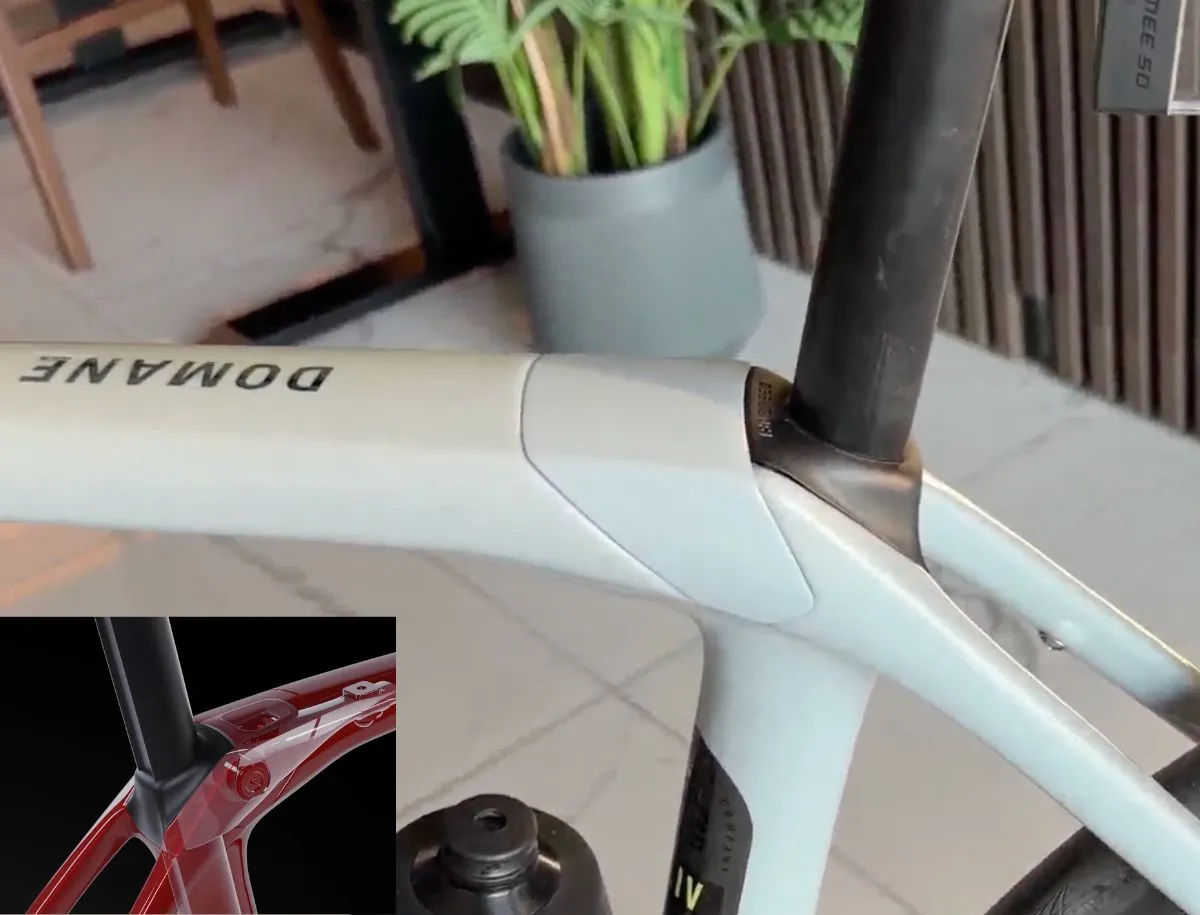
In my opinion, the sweet spot in the Trek Domane lineup is the SL5. The step up to the SLR models is where the frame itself changes significantly, and the price jump reflects that. Everything between the SL5 and SLR is incremental component upgrades on the same platform.
Upgrades That Actually Made a Difference
After 1,000km, here is what I changed and what I would recommend:
Tyres (do this first). This is the highest-impact upgrade on the SL5. The stock Bontrager R1s are heavy and slow. Switching to a lighter, faster tyre made the bike feel like a different machine.
Going tubeless is the logical next step, and the Bontrager Affinity wheels that come with the bike are tubeless-ready.
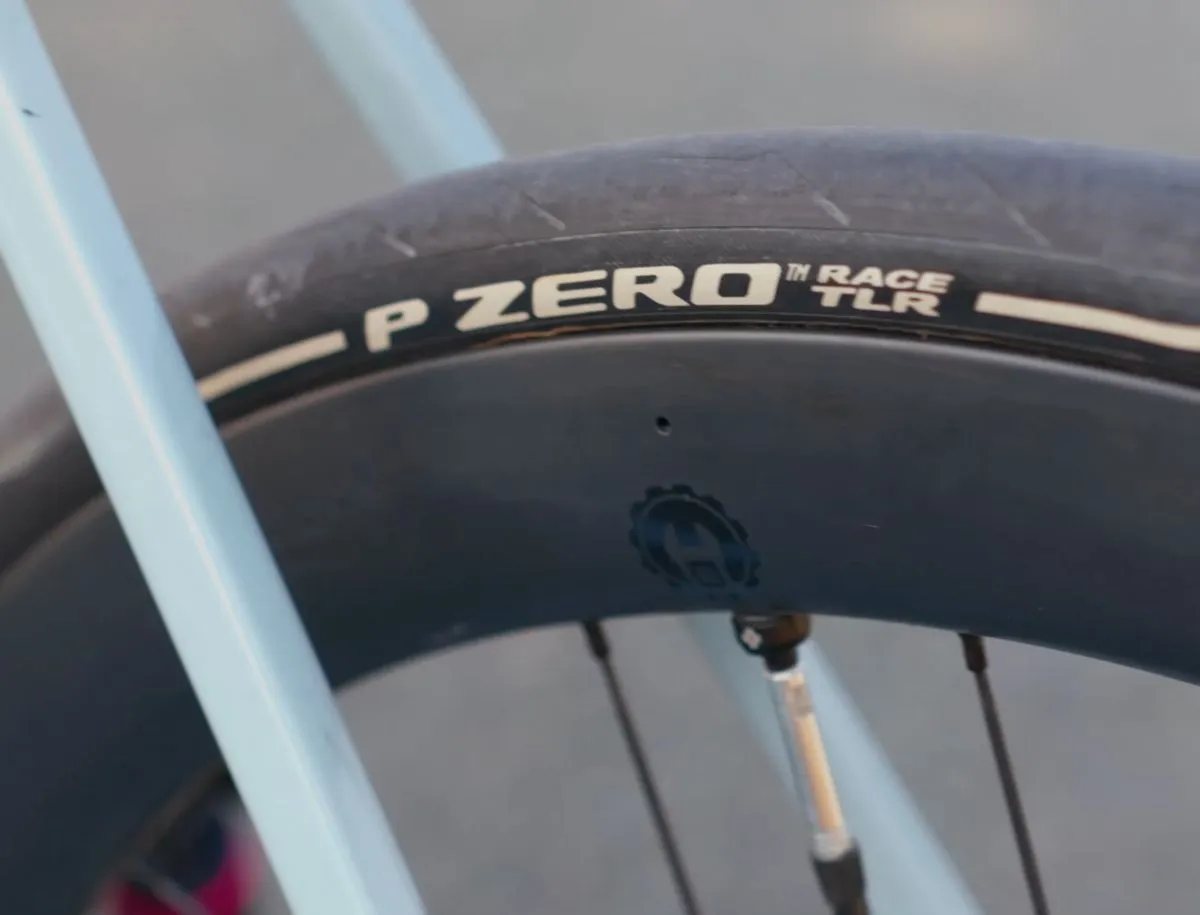
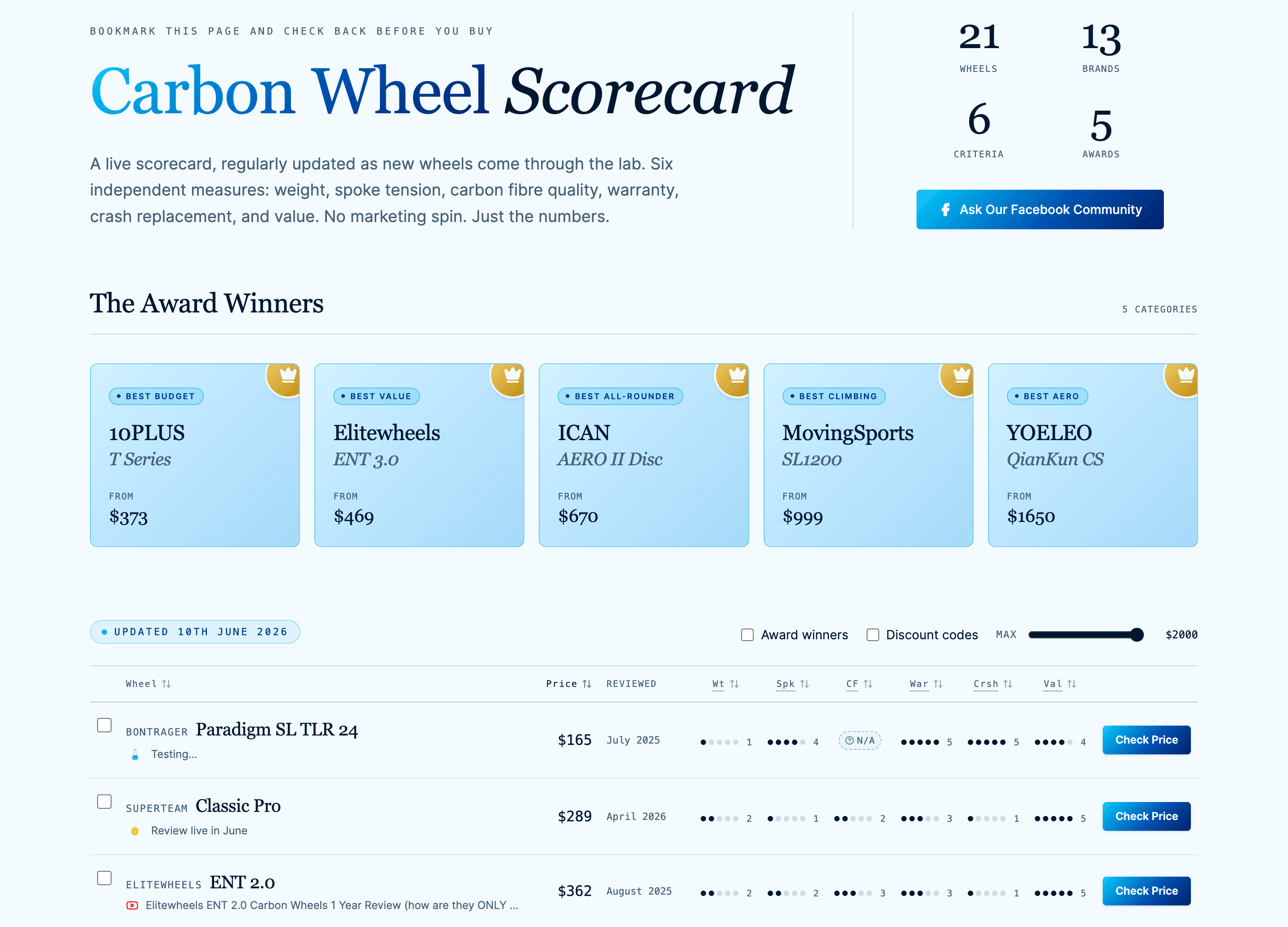
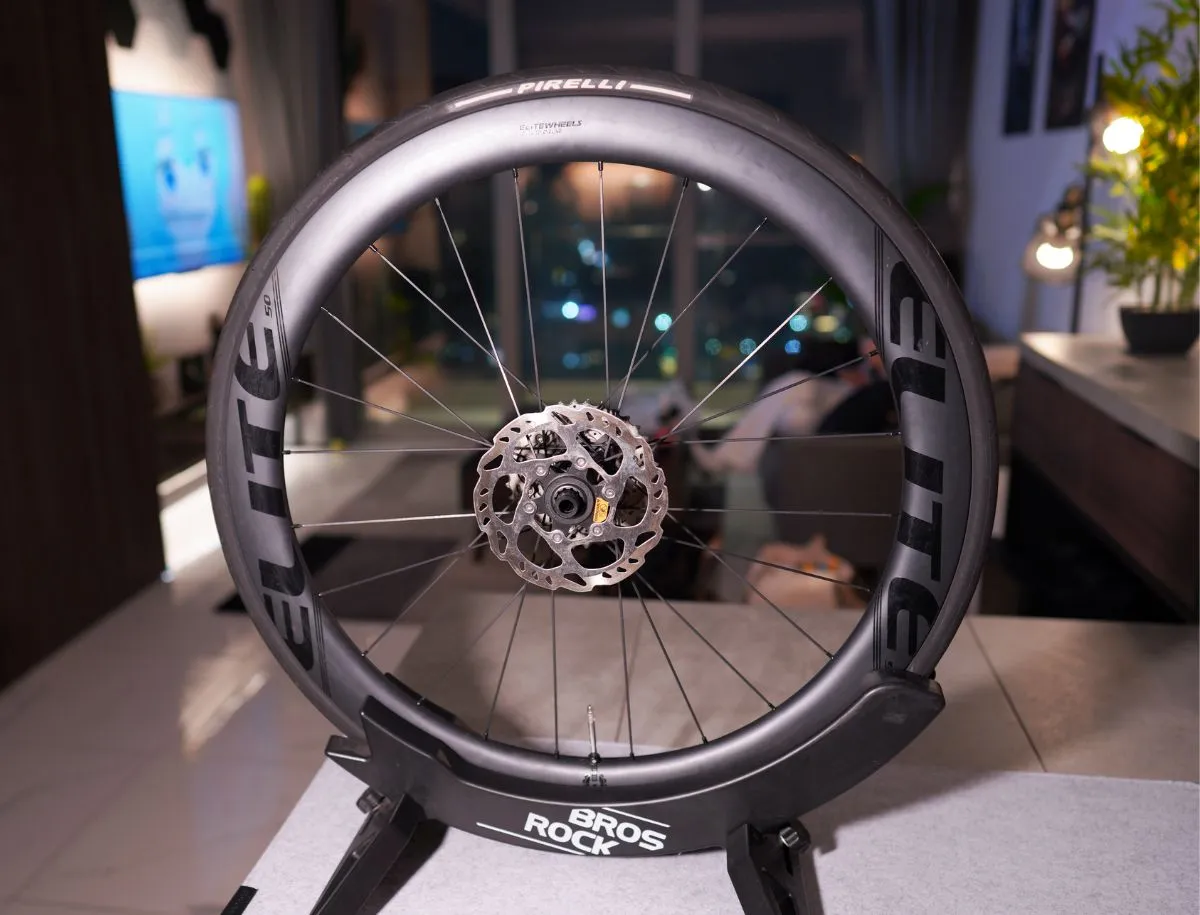
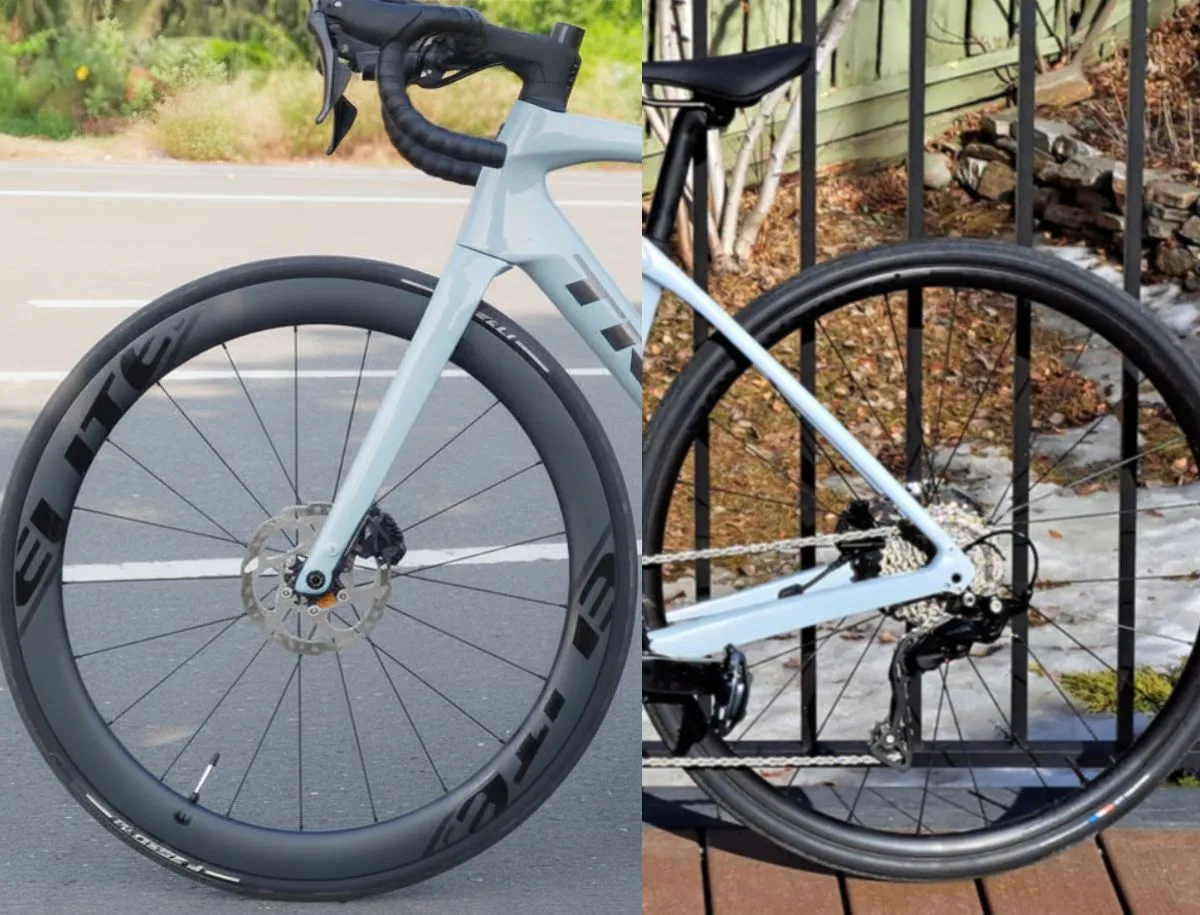
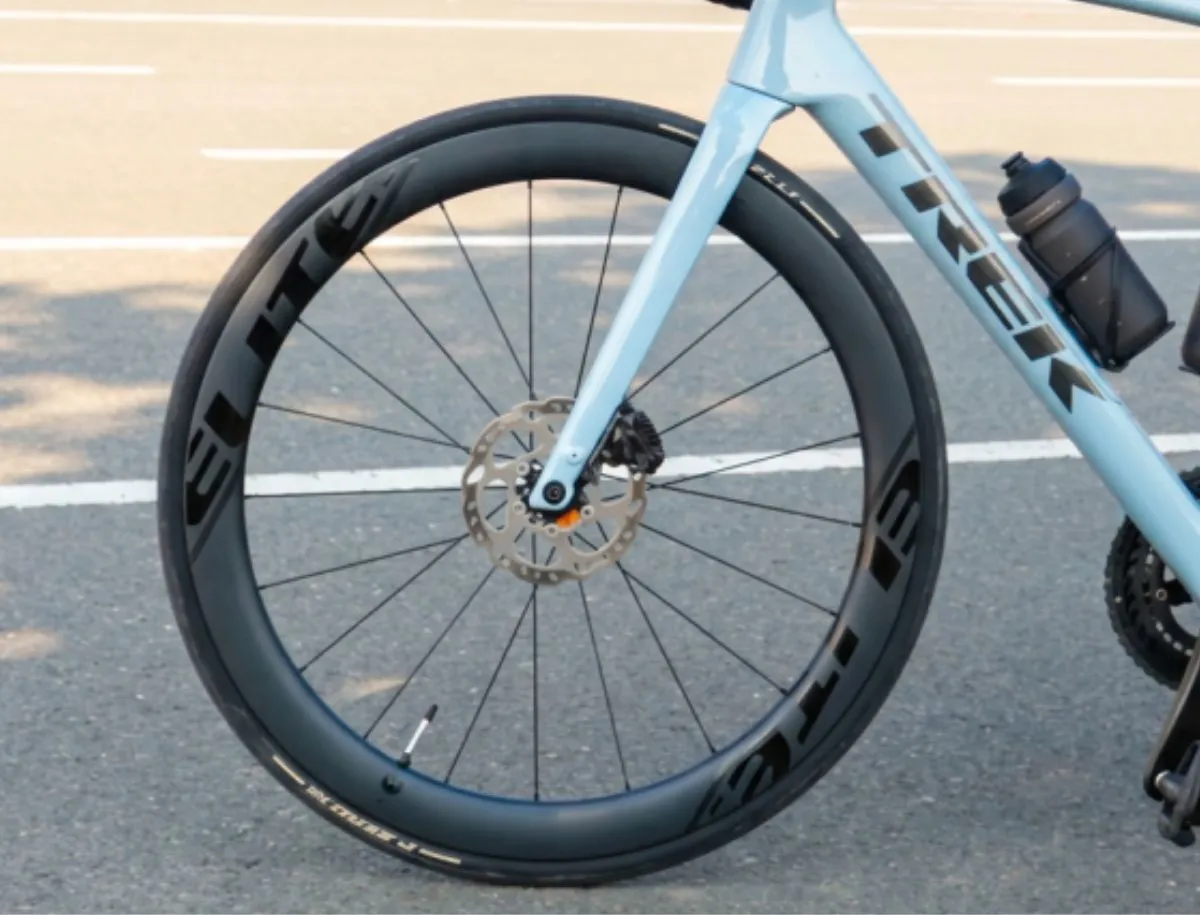
Carbon wheels. The stock wheels are where most of the weight lives. A carbon wheelset transforms the SL5 into something genuinely fast. I have been running the Elitewheels ENT 2.0, and the difference in roll speed and acceleration is very noticable. This is the upgrade that justifies buying the SL5 over the SL6 - put the price difference into wheels.
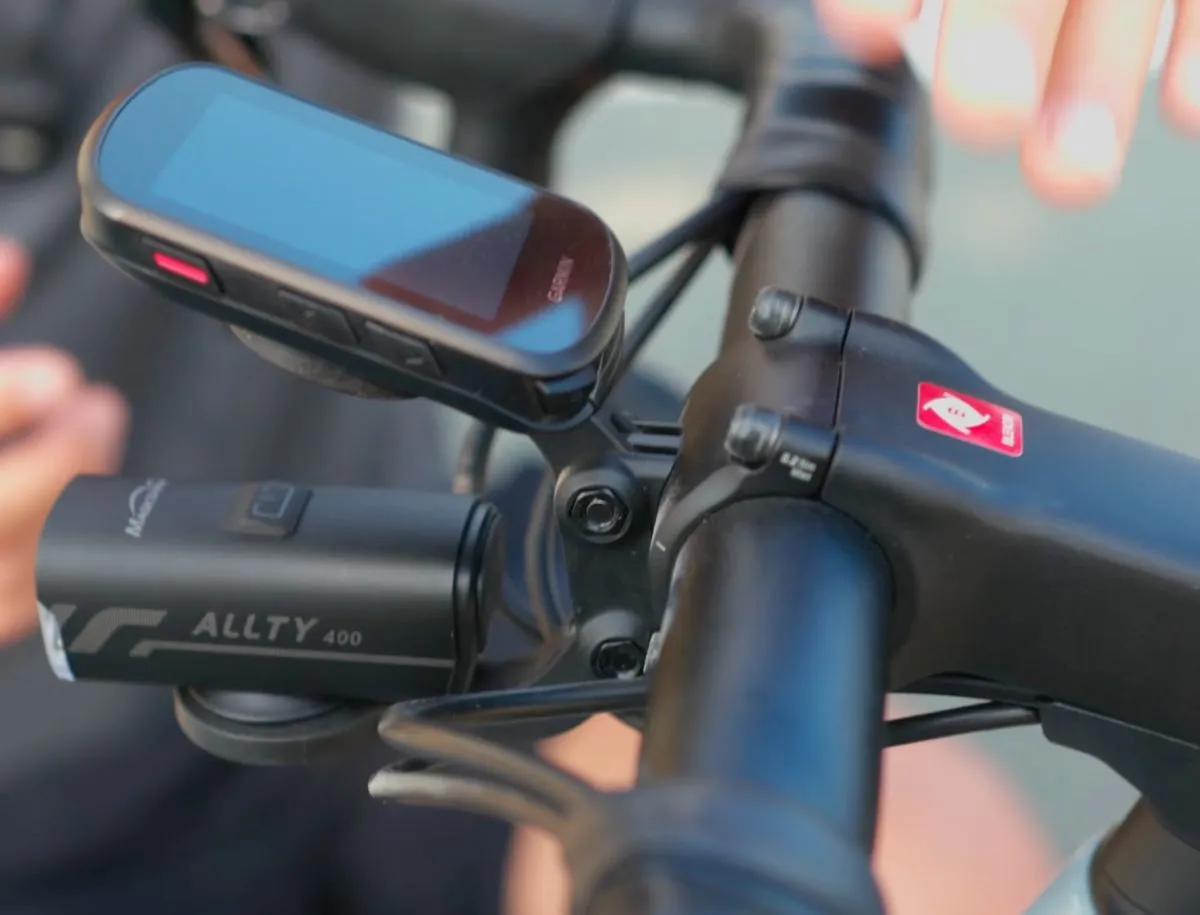
Magicshine lights. I am running Magicshine Allty 400 on this bike. On busy city roads, especially in traffic, front and rear lighting is not optional for me. Magicshine gives you serious output without the Trek Blendr System. I covered them in more detail on my YouTube channel.
Topeak Ninja cages. Mounting water bottles directly to the frame with a clean integrated cage is a small thing that makes every ride tidier.
Shimano PD-R540 pedals. Stock bikes do not come with clipless pedals. The PD-R540 is a solid entry-level clipless pedal that does not require you to spend more on the first upgrade you actually need.
I covered the full setup on my YouTube channel if you want to see it in action before you decide.
Who Should Buy the Trek Domane SL5
Buy this bike if:
- You are new to road cycling and want something you will not outgrow in a year
- You are training for an endurance event (sportive, Ironman, Gran Fondo) where comfort over distance matters
- You want a road bike that can handle less-than-perfect tarmac
- You want to upgrade components over time rather than buying everything at once
Do not buy this bike if:
- You want to race crits or time trials - wrong tool for the job
- You are prioritizing minimum weight above everything else
- You need something light out of the box with no budget for upgrades
Value Comparison
At $3,500, the Domane SL5 sits in a competitive bracket. You are buying an entry-level carbon frame with a proven endurance geometry and a reliable groupset.
The stock build is heavier than it needs to be, but the frame and IsoSpeed system are the same across a much wider price range; you are not paying for a compromised platform.
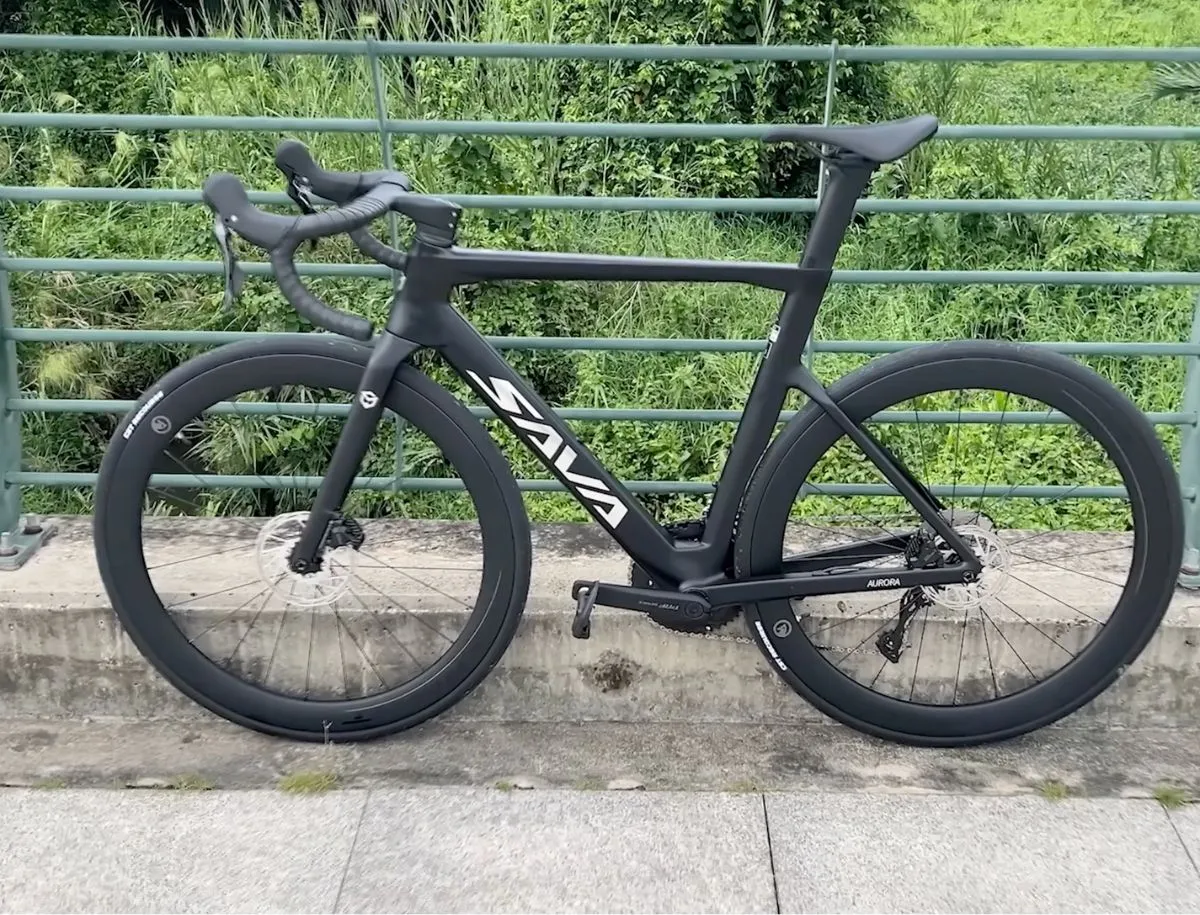
A comparable Chinese direct-to-consumer carbon road bike, something like the SAVA A7L Pro, will get you into a carbon frame for significantly less. The trade-offs are brand support, fit expertise, and the IsoSpeed system specifically.
If comfort over distance is your priority, the IsoSpeed is genuinely worth paying for. If you are more focused on weight-to-price and are happy to dial in your own fit, the Chinese market options close the gap faster than most people expect.
For a first road bike aimed at Ironman training, the SL5 is the right call at this price. I would buy it again.
So, is the Domane SL5 worth the money for a first road bike? Absolutely, three months and 1,000km in, I have no regrets.

Review by Mike Dee
I test road bikes, carbon wheels, and cycling gear with quantifiable lab tests and real riding. No marketing spin, just the data - so you don't have to spend hours researching or wasting money on the wrong gear.