



5 Cycling Accessories Worth Buying on Amazon Prime Day 2025 (All Tested)
Amazon Prime Day only comes around twice a year. This time I went through the platform specifically looking for cycling gear I already own and actually rate. Every product in this list is at least 20% off right now. I've dropped affiliate links for each one below.
Five products. All tested. Here's what's worth your money.
IGPSPORT BSC100 Smart Bike Computer
I own a Garmin Edge 840. It sits on my bike about twice a week for roughly an hour at a time. These days, I'm doing more indoor training on a smart trainer as I build toward my next Ironman 70.3, so the Garmin gets even less use.
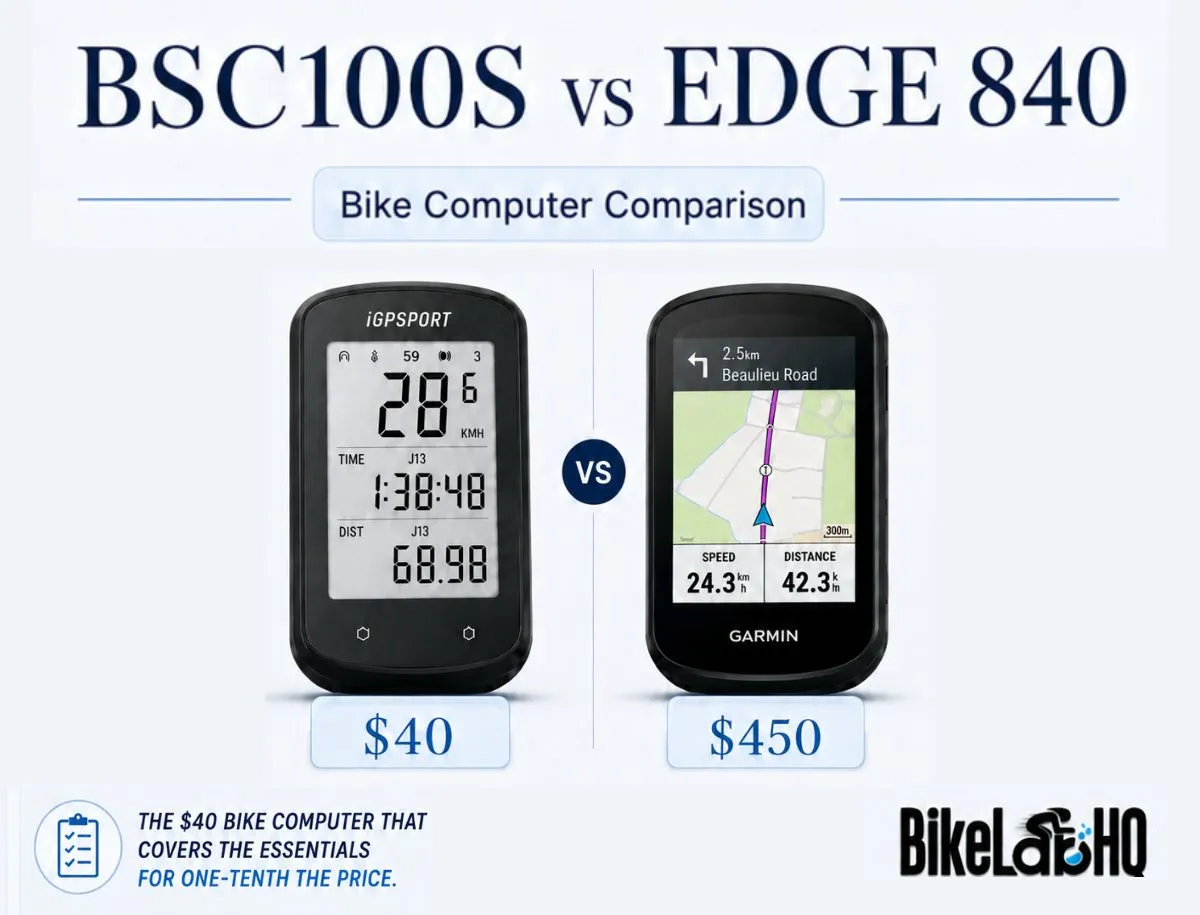
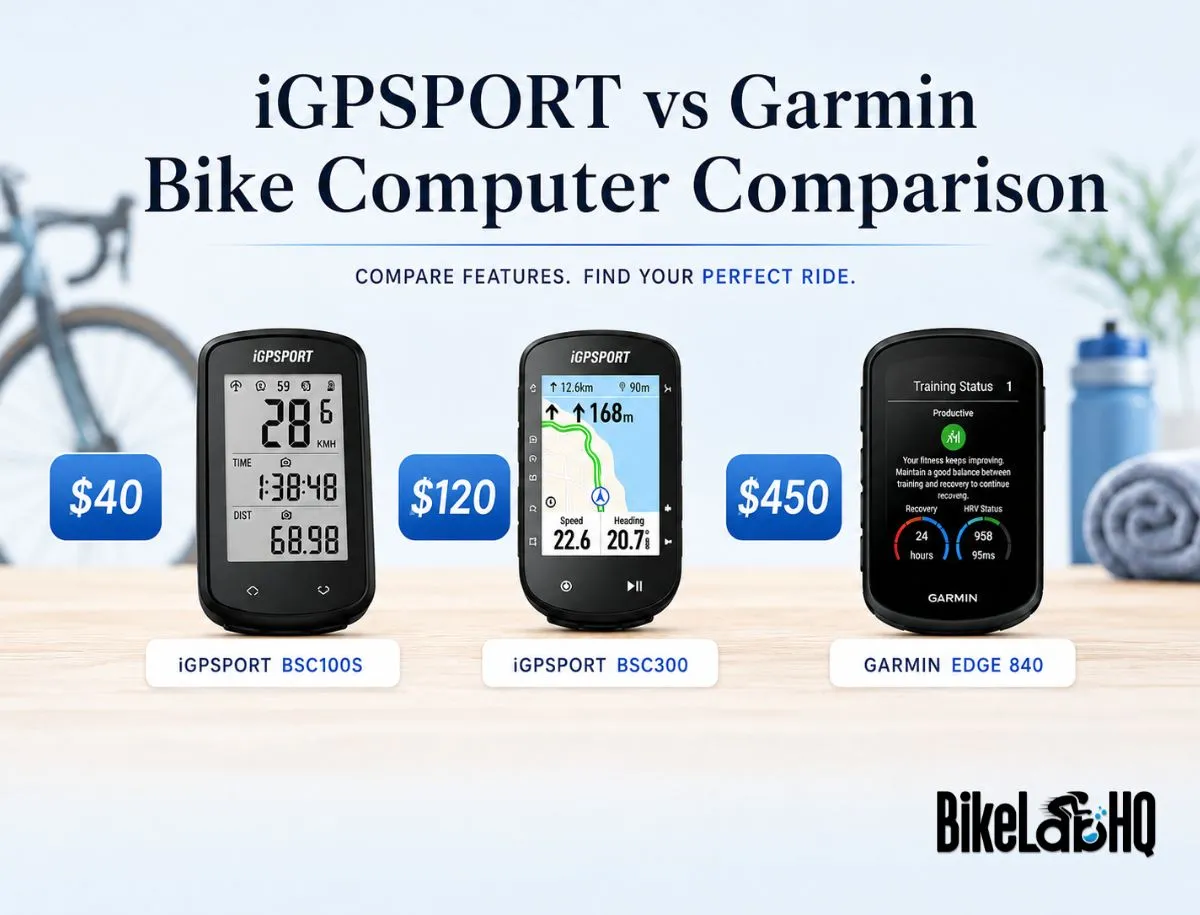
The iGPSPORT BSC100S costs $40. The Garmin Edge 840 sells for $450. That is not a rounding error.
What most cyclists actually need from a bike computer is current speed, average speed, and distance covered. The BSC100 handles all three without fuss. Set up connects via Bluetooth and takes a few minutes. The 2.6-inch display reads clearly in direct sunlight, and the buttons respond immediately. When you're trying to scroll through data screens mid-ride, no lag matters more than you'd think.
The battery life is where this gets interesting. iGPSPORT claims 40 hours. Garmin claims 26 hours for the Edge 840. At one-tenth the price, the BSC100S outlasts it on paper. Both carry an IPX7 waterproof rating. The BSC100S also comes with a 12-month warranty.
Worth noting: during this Prime Day, the Garmin Edge 1040 dropped from $600 to $400. That's the lowest I've seen it, and it's even cheaper right now than the 840 at $450. If you want a flagship Garmin, that's genuinely a good deal. But if what you actually need is accurate basic tracking, the BSC100S at $40 does the job. That gap is hard to close with features most riders never use.
iGPSPORT makes higher-end models with colour touchscreens, turn-by-turn navigation, and smart connectivity for riders who need those things. The BSC100S is not trying to be that. It's a precise, reliable computer for cyclists who want data without the complexity. At the Prime Day price, it's the easiest recommendation on this list.
Magicshine HORI 900 Bike Light
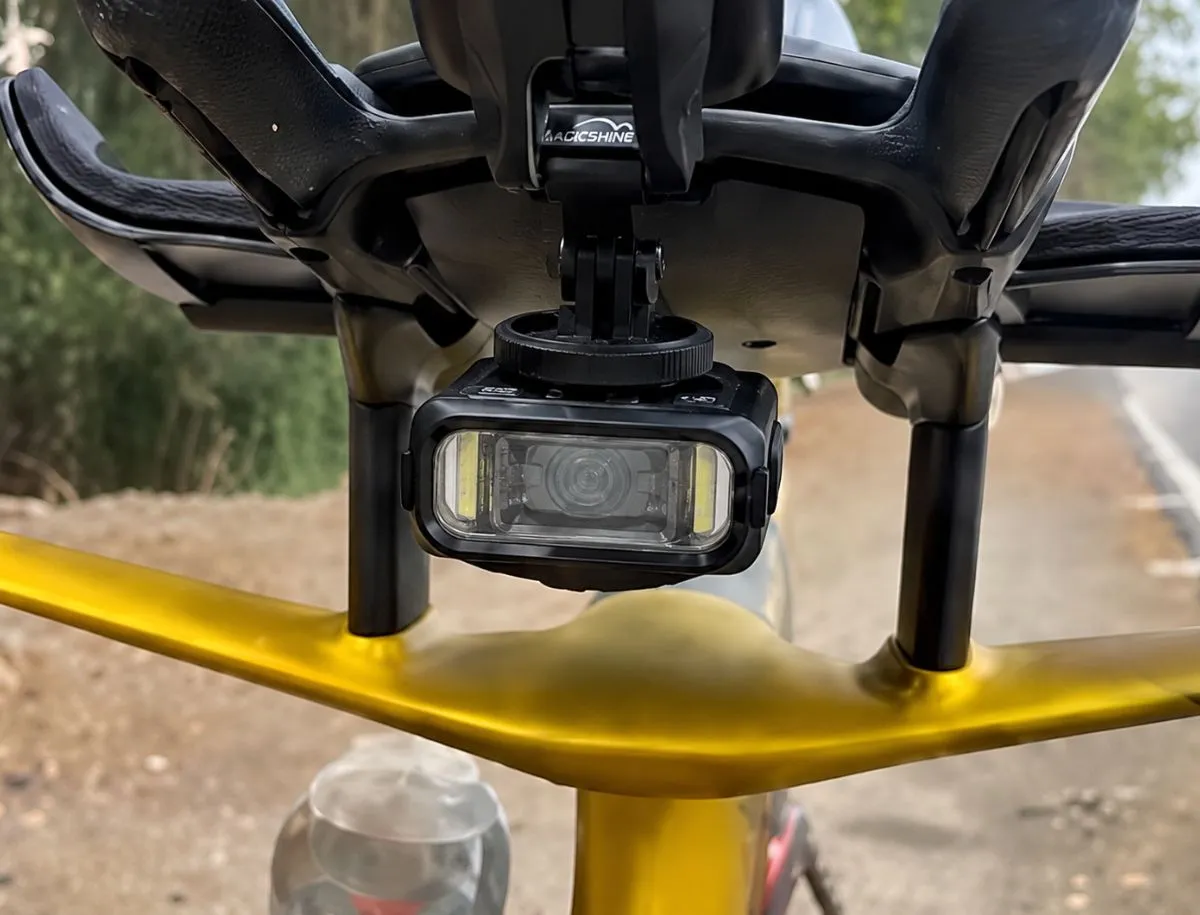
I've been riding with Magicshine lights for over a year and have more than 10 of them. The HORI 900 was released just a few weeks before this video, and it's already one of my favourites. Two things set it apart from everything else I own.
The first is the beam cutoff. Plenty of lights advertise anti-glare and still throw light directly into oncoming riders' and drivers' eyes. The HORI 900 has a hard cutoff line, the kind you'd see on a car headlight. On night rides, nobody I pass is getting blinded. That's a real improvement for group rides and road sharing.
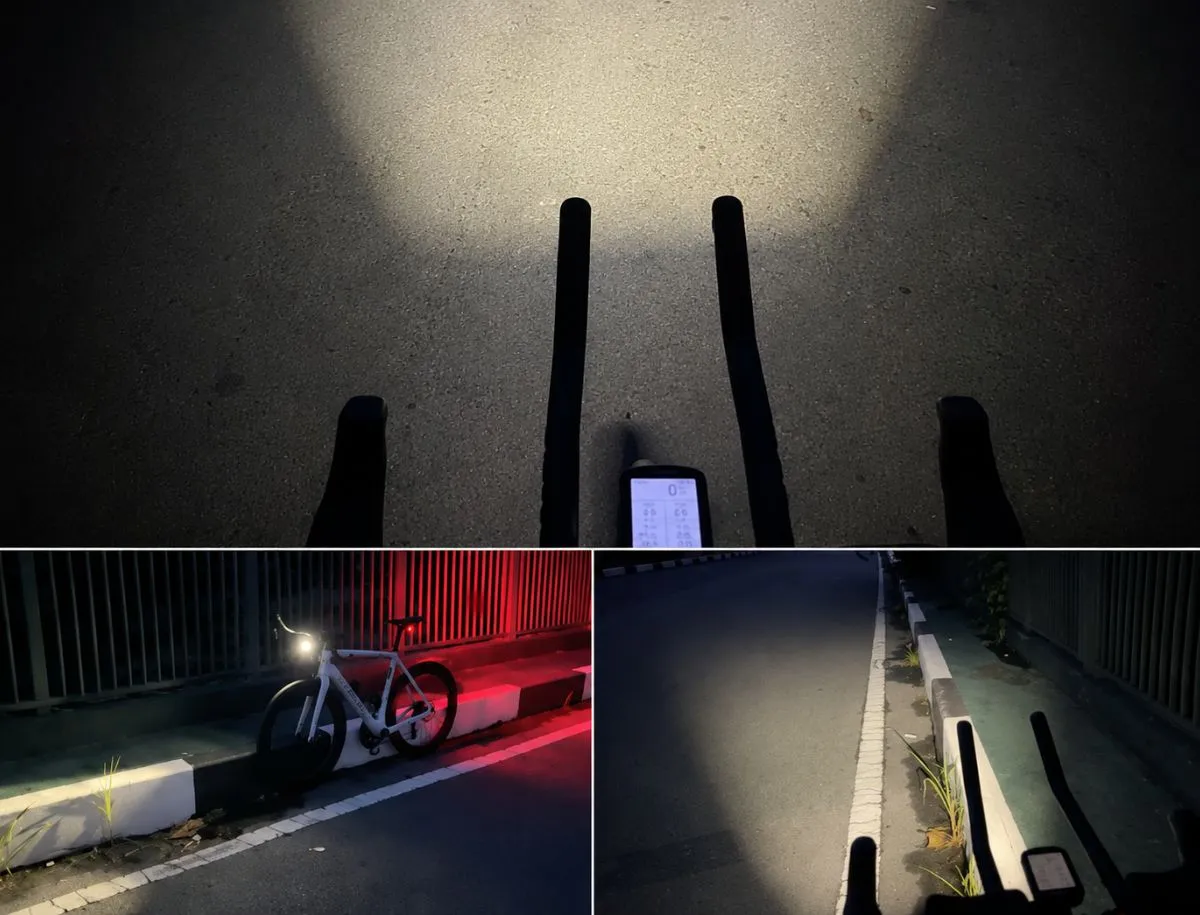
The second is the beam angle. My ALLTY 800 v2 runs a 15-degree beam, and that's a solid light. The HORI 900 runs 46 degrees. That wider spread means hazards, potholes, and debris at the edges of your path are visible, not just what's dead ahead. On rougher roads, that difference is noticeable.
There's also a secondary mount on top of the housing. You can attach a Garmin computer, a Wahoo, or a DJI camera directly to the light itself. That clears one mounting position off your handlebars and keeps everything consolidated. The box includes a Garmin mount, a Wahoo mount, and a GoPro mount.
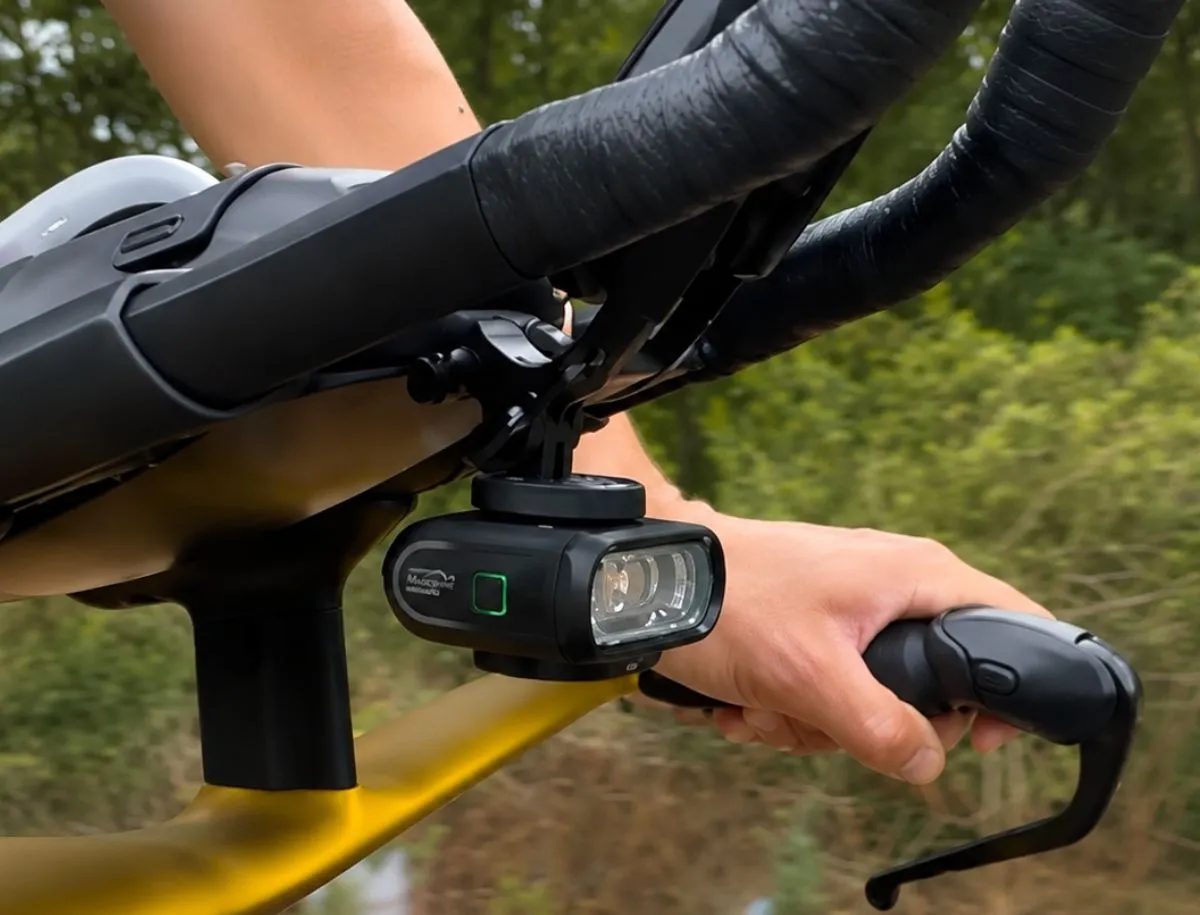
Battery life is 30.5 hours on the lowest mode and 1.5 hours at full 900-lumen output. It's IPX6 waterproof, so rain and road spray aren't a concern. Magicshine also added their FTR LightSync system, which connects your front light, rear light, and remote so one button press turns both on and off together and syncs the flash pattern. The system also works with the Magicshine 1200U and SEEMEE 50 v2 if you already have those.
The app is functional, not just a marketing checkbox. You can set custom brightness profiles, check battery status, and connect the remote to it.
The HORI 900 is 20% off for Prime Day. Most of Magicshine's store is discounted 20 to 50% right now, so if you've been thinking about picking up a front and rear light set, now is the time.
Amazfit Bip 6 Smart Watch
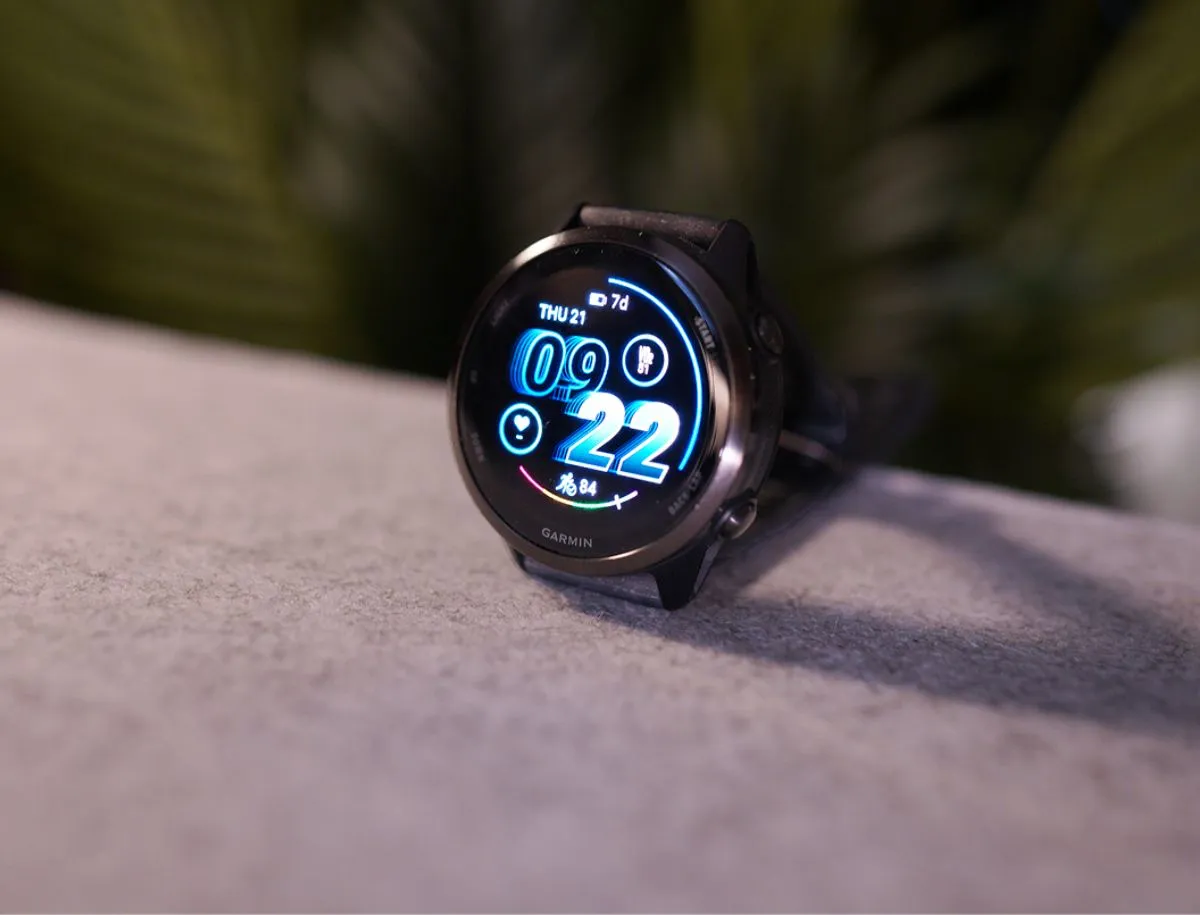
I bought the Garmin Forerunner 570 about a month and a half ago. It's the training watch I use every day, and I rate it. On Prime Day, it's still at full price: $550. The Amazfit Bip 6 does roughly 70% of what the Forerunner does at around 10% of the cost.
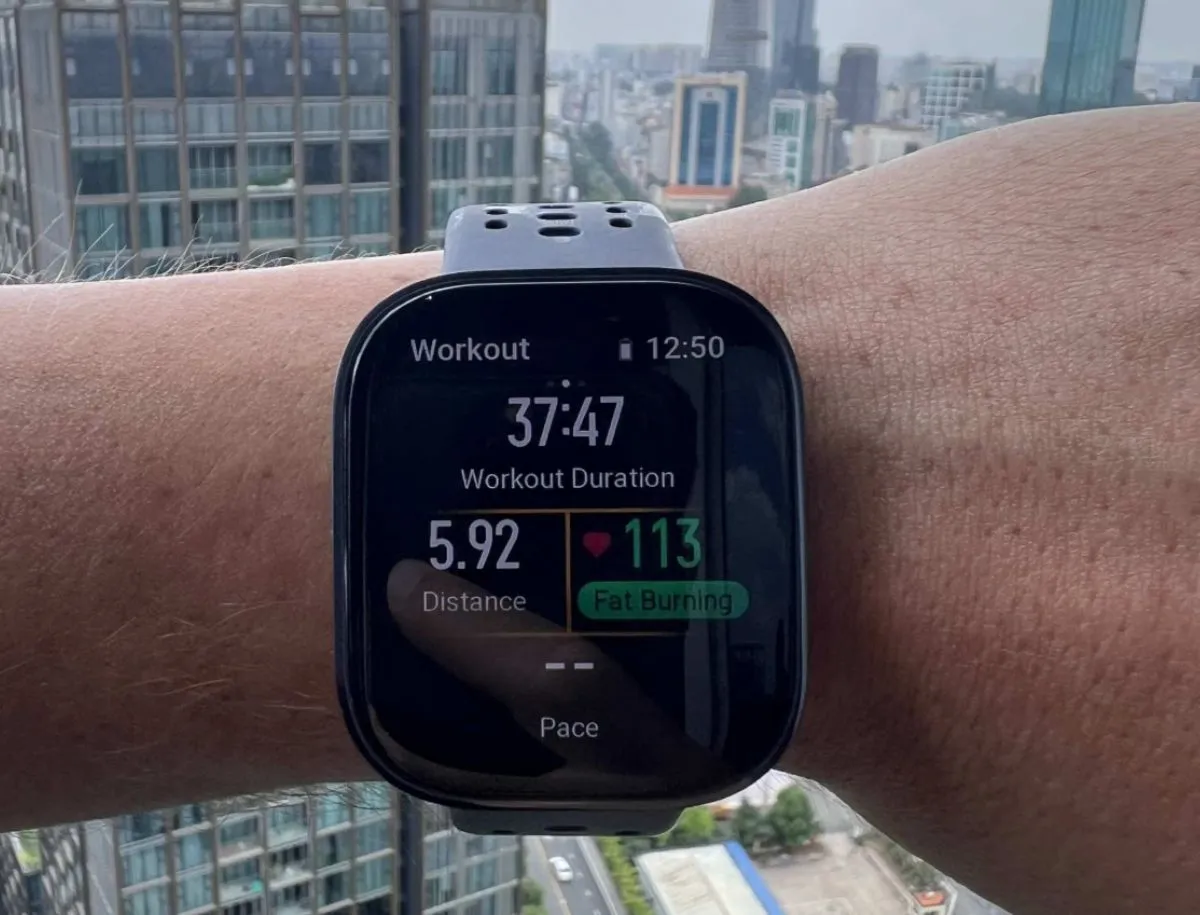
The first thing that surprised me when I unboxed it was the build quality. The 1.97-inch AMOLED display looks significantly better than you'd expect at this price point. The interface is smooth, the crown navigates cleanly between screens, and there's no lag when switching between workout modes or data views during a session.
Battery life is up to 14 days. My Apple Watch lasts 1 to 2 days and costs around $400. The Forerunner 955, which I use daily, doesn't get close to 14 days either. For a watch you're wearing to track training over multiple days, battery life is not a small thing.
Feature-wise, you get 140-plus workout modes, including HYROX Race and strength training, GPS with turn-by-turn navigation via downloadable free maps, support from 5 satellite systems for fast and accurate connection, 24/7 heart rate monitoring, sleep tracking with stage breakdowns and a daily sleep score, blood-oxygen measurement, and stress tracking.
The Bip 6 launched two months ago and has already sold over 5,000 units on Amazon with 962 reviews averaging 4.5 stars. It's on discount during Prime Day. If you want a training watch that handles cycling and multisport without the Garmin price tag, this is what I'd point you toward.
CYCPLUS AS2 Pro Tiny E-Pump
This fits in a jersey pocket. It also fits in a bib shorts pocket, a saddle bag, or a backpack. I take it everywhere.
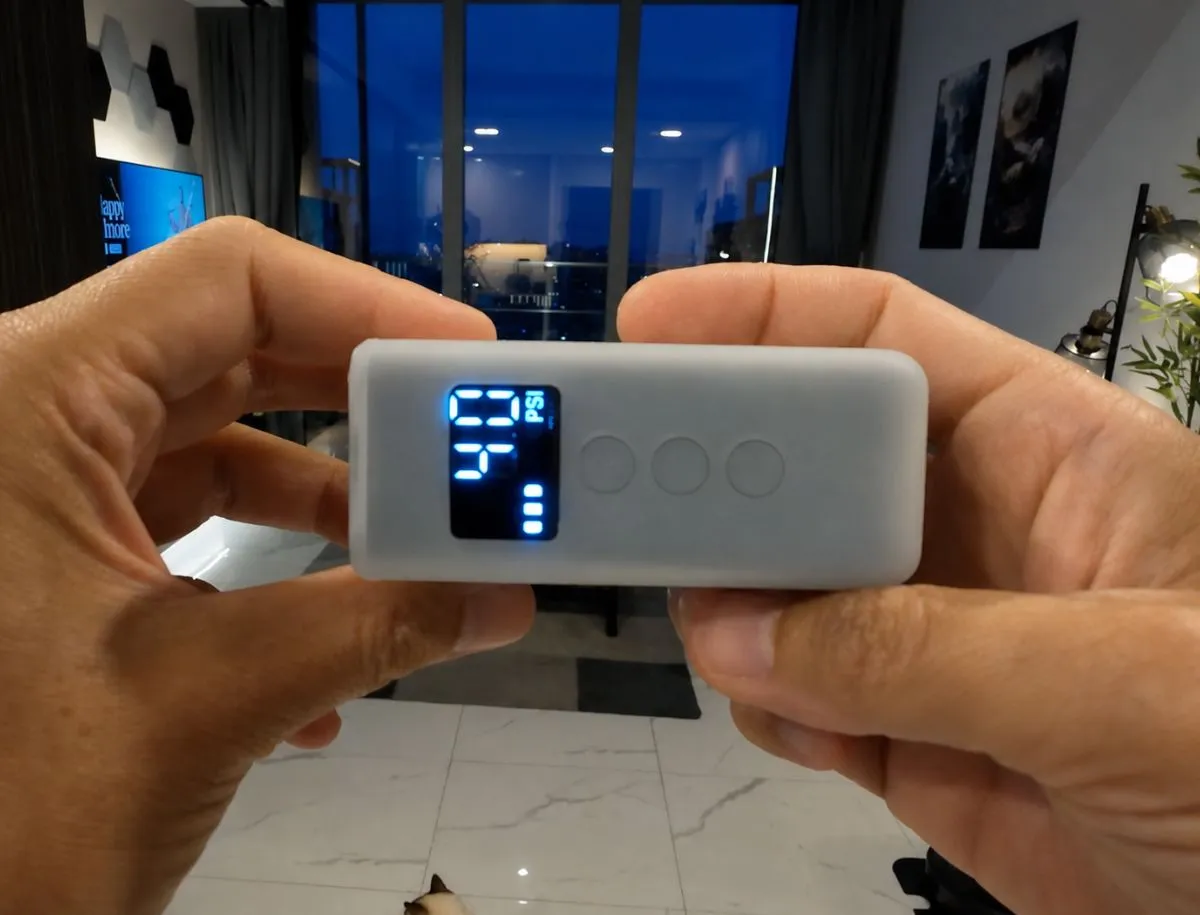
Maximum pressure is 120 PSI. From zero, it inflates a 700x25C tyre to 80 PSI in 52 seconds and reaches 120 PSI in 120 seconds. I timed those numbers. They match what's on the box.
The LED screen shows real-time pressure with an accuracy of plus or minus 1 PSI. It charges via USB and takes 30 minutes to get back to full. A full charge inflates at least two 700x25C tyres from 0 to 110 PSI. A battery indicator on screen shows you exactly how much charge you have left.
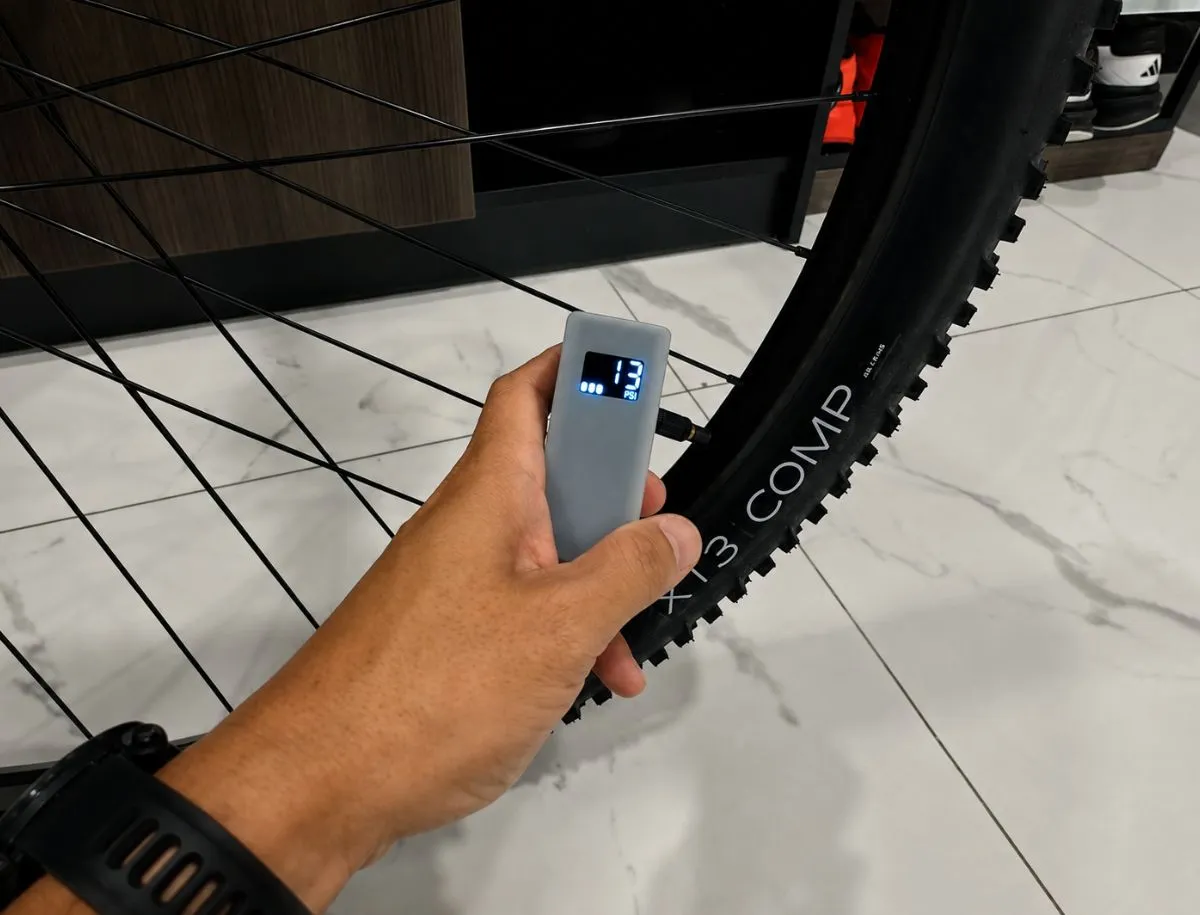
One honest downside: it's loud. If you're sneaking out for a 5 am ride without waking your household, inflate your tyres the night before. Other than that, I haven't touched a manual pump since I started carrying this one. When you're on the road and you get a flat, being back in the saddle in under two minutes is hard to put a price on.
Over 2,000 units sold in the last month alone, 386 reviews averaging 4.6 stars, and a 30% Prime Day discount.
CYCPLUS AS2 Pro Max E-Pump
The Pro Max is the larger version. Bigger battery, bigger body, more weight. Not something I carry on a ride, but that's not what I use it for.
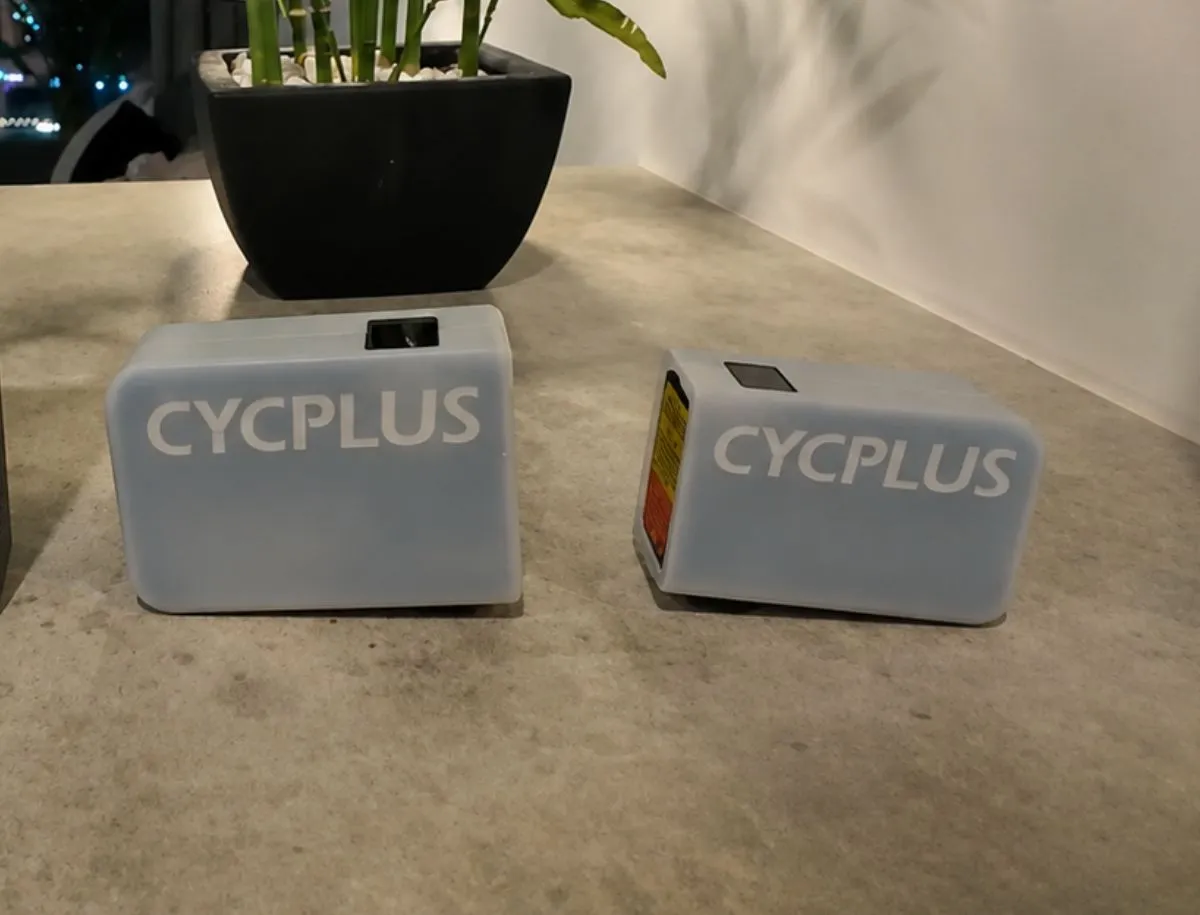
This one stays at home. Before rides, I run a pressure check on my bikes, and the Pro Max handles that across multiple bikes without needing a recharge every session. The larger battery capacity means significantly more inflation per charge than the Tiny.
If you want one pump that goes everywhere, get the Tiny. If you want to split the job, the Pro Max handles pre-ride prep at home, and the Tiny handles everything on the road. Both are discounted during Prime Day; links below.
If Any of These Caught Your Eye, Now Is the Time
I covered the full unboxing and ride testing on my YouTube channel. Link below if you want to see them in action before you decide.
And if you want one honest gear pick per week, join the newsletter. No fluff, just the product I actually think is worth your money.

Review by Mike Dee
I test road bikes, carbon wheels, and cycling gear with quantifiable lab tests and real riding. No marketing spin, just the data - so you don't have to spend hours researching or wasting money on the wrong gear.