

Beginner Cycling Gear: What You Actually Need (And What to Skip)
Eight months ago, I bought my first road bike. And almost immediately, I started spending money on gear. Some of it was smart. A lot of it was not.
This article covers everything I would buy if I were starting over, including the gear that's genuinely worth spending money on, the stuff you can get cheaply without sacrificing much, and a few things I'd skip entirely. If you're new to road cycling, this is the guide I wish I had.
The Bike: Carbon vs Aluminum for Beginners
The first thing every beginner cyclist overthinks is the bike itself. And I get it. I walked into my first bike shop and saw a Trek Madone Project One sitting next to a Trek Emonda for $3,000, and I couldn't figure out why the Madone cost $9,000 more. They looked identical to me.
Here's the honest answer: for a beginner, they're essentially the same bike.
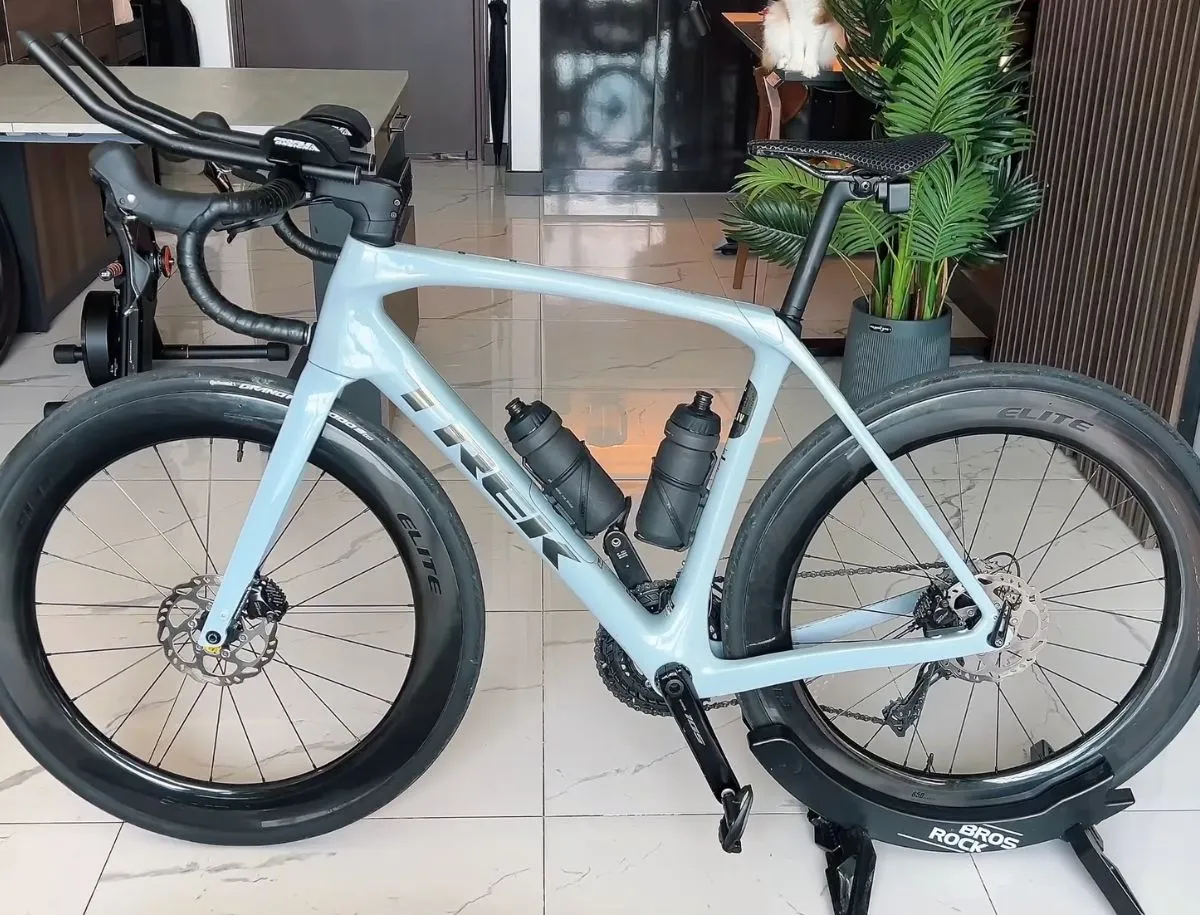
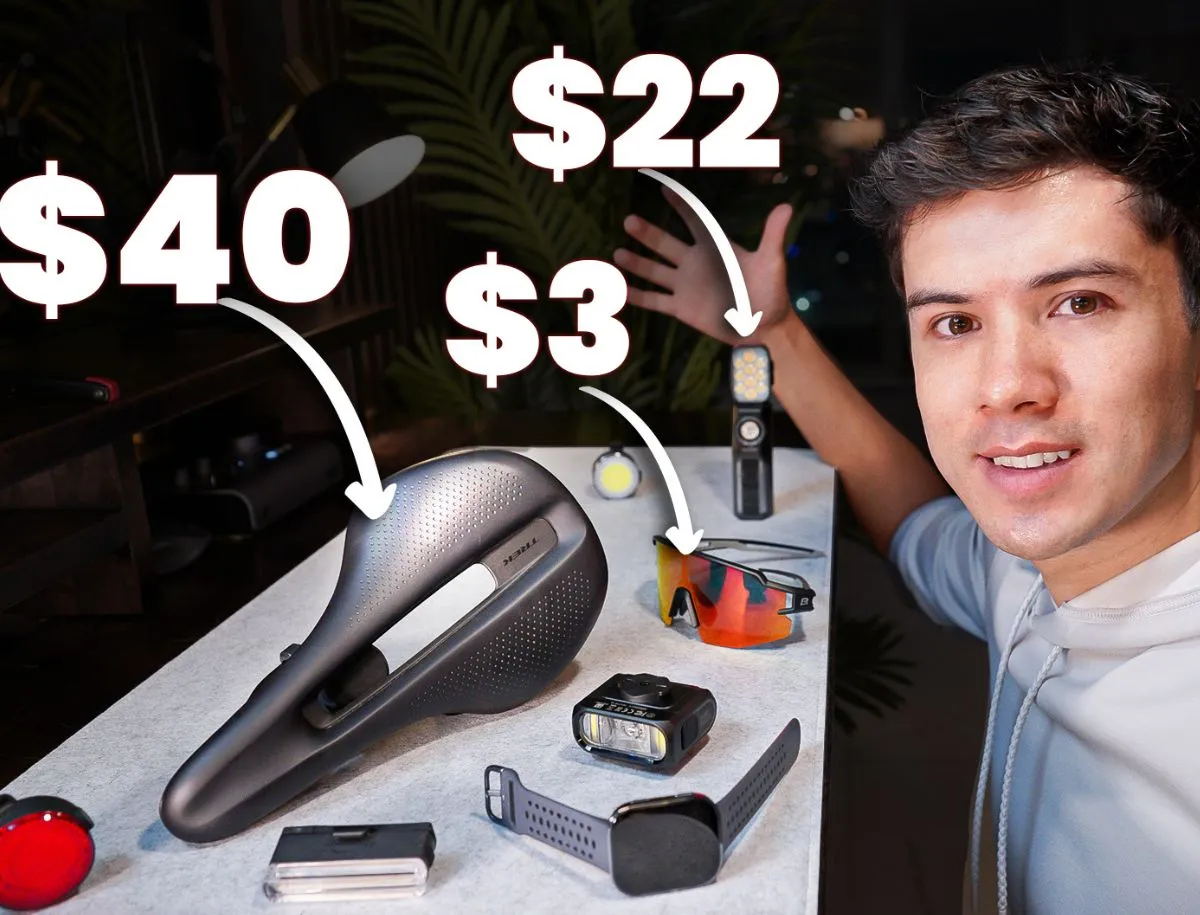
I ended up buying a Trek Domane SL5 with a carbon frame for around $3,700. Was it necessary? No. The equivalent aluminium Domane with slightly lower specs is $1,300. The carbon version is lighter, and the ride quality is marginally better, but nothing a new cyclist would notice when they're still learning how to shift gears properly.
If you're just getting started, a solid second-hand aluminium road bike in the $300 to $600 range is a perfectly sensible choice. Well-maintained aluminium bikes last years, and you'll still go 95% as fast as someone on a carbon setup at five times the price.
Two things actually matter when buying your first bike. First, comfort. I chose the Domane over the Emonda or Madone specifically because it's built for endurance and comfort. As a beginner, comfort matters more than weight savings. If your back is screaming after 45 minutes, you won't stick with the sport. Second, budget. If you have a mortgage, kids, or other financial commitments, a $3,000 road bike isn't a smart first purchase. Buy second-hand, ride for six months, and upgrade when you know you're hooked.
I finished my first Ironman 70.3 two weeks after buying this bike eight months ago. The Domane handled it well. But I'd be willing to bet I could have finished on a $700 aluminium bike too.
Bike Lights: The One Thing You Should Never Skip
I run my lights every single ride, day or night. I've never found a good reason not to.
I use the Magicshine ALLTY 400 v2 front light and the Magicshine SEEMEE 200 v3 rear light. I've tried a lot of bike lights, and in terms of price to quality, these are hard to beat. About $30 each. Aluminium build, compact size, and they stay discreet on the bike. The rear light is particularly good because it doesn't just flash backward; it illuminates the side of the bike frame too. Drivers really have no excuse not to see you.

One small note for group rides: switch the rear light from flashing to steady. A strobing light six inches from someone's face for two hours is not going to make you friends.
I'll link these in the description of the YouTube video if you want to check them out.
Water Bottles and Cages: Learn From My Mistake
This one comes with a story.
I started with cheap bottles from AliExpress and Topeak Ninja cages. Rode about 1,000km with that setup without issues. Then on a group ride, my bottle bounced out of the cage on rough tarmac. The rider behind me swerved, hit a ditch, and went down. It's completely my fault.
I haven't used those bottles since.
The fix was simple: I switched to Topeak bottles used with Topeak cages. They're designed to work together, so the fit is tight and secure. Lesson learned: don't mix brands on bottles and cages if you're riding in groups.
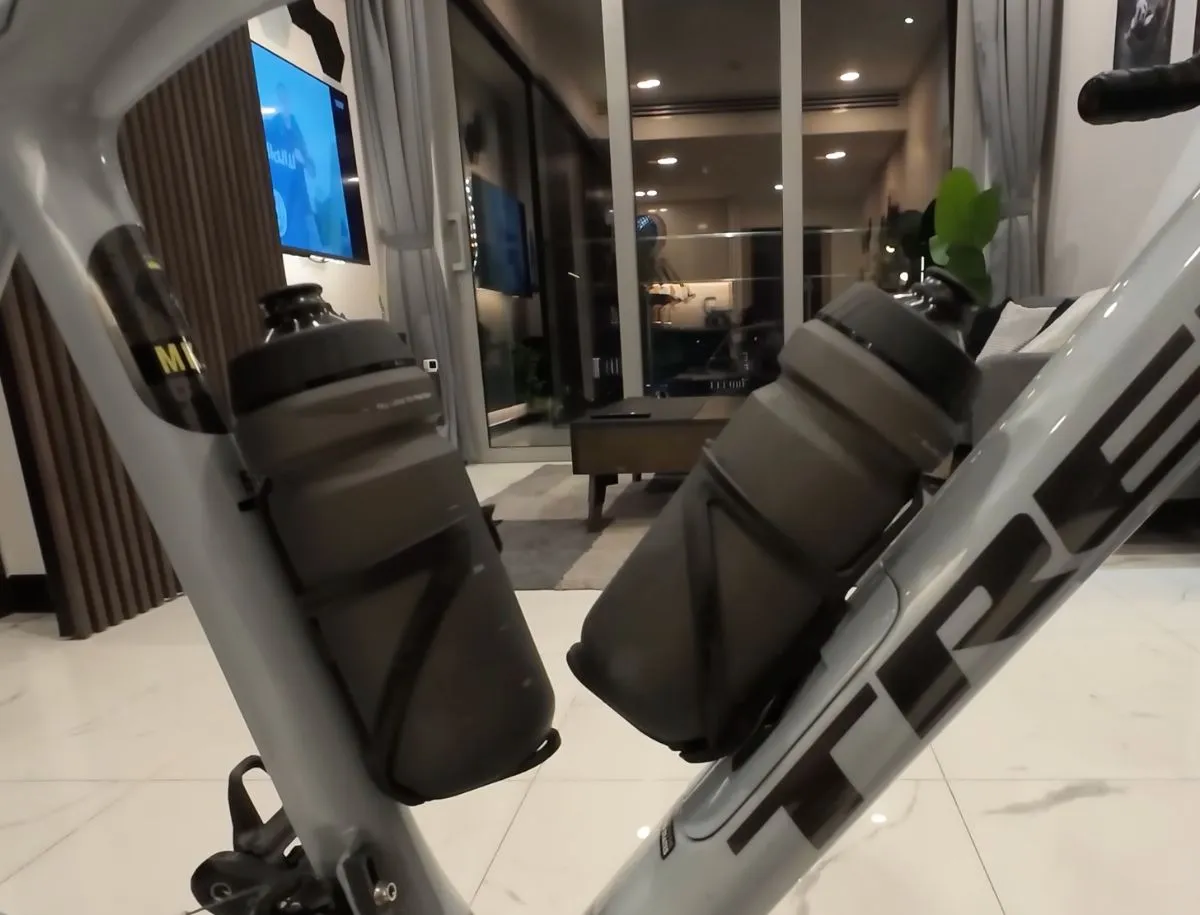
Don't overthink this category, but don't cheap out on it either. Topeak cages are around $8 each. Their own bottles are roughly $10 to $15. That's not a big spend for something that keeps your kit on the bike.
Bike Computer: Your Phone Works Fine to Start
When I started cycling, I spent $370 on a Garmin Edge 840. I now use it every ride and genuinely love it. But I only bought it after a few months, once I was confident cycling was a long-term thing for me.
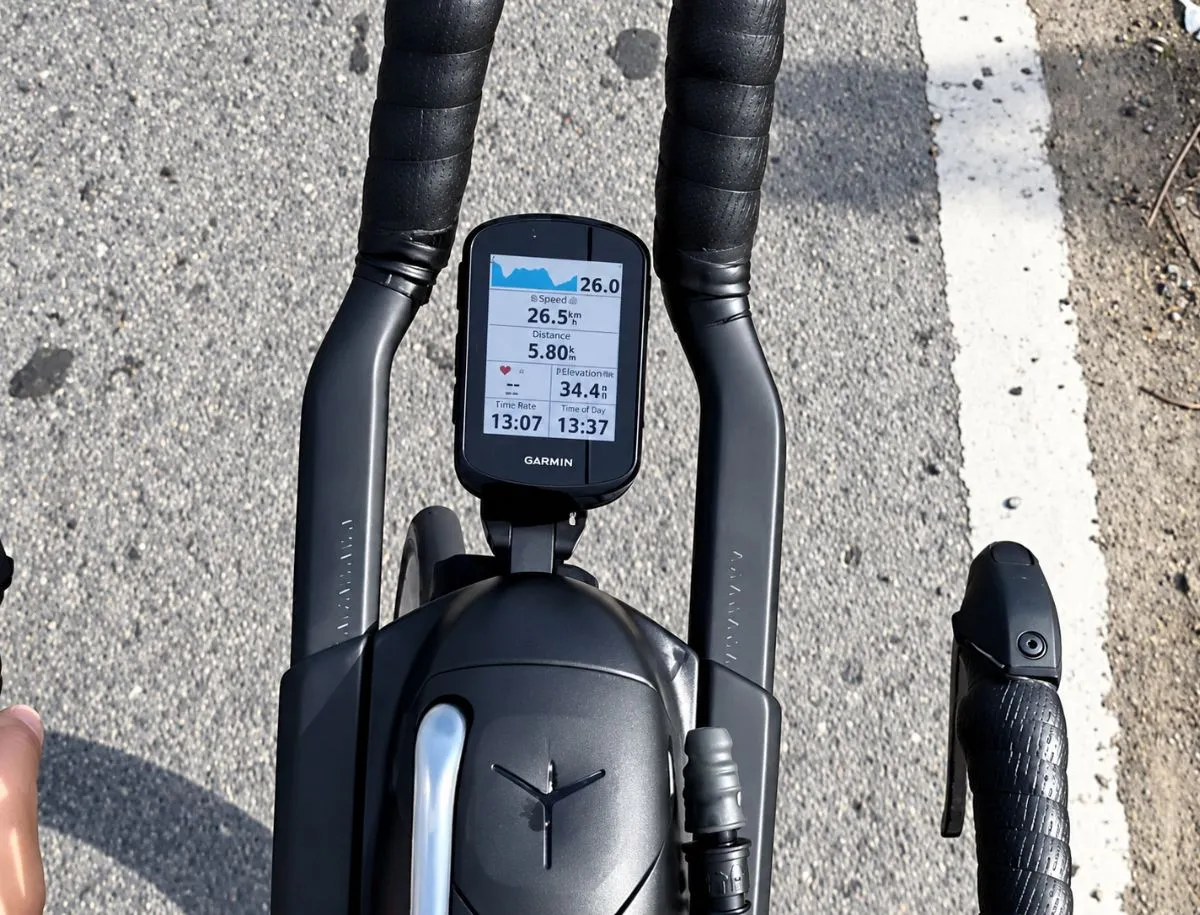
For the first few weeks? Your phone and a $15 mount will do everything you need. Strava handles tracking and basic navigation. Komoot is better for longer routes. Neither requires a dedicated cycling computer.
When you're ready to upgrade, the Garmin Edge 840 is excellent. Navigation is solid, the screen is readable in sunlight, and it connects to all the usual sensors. One quirk: mine constantly tries to route me through a tunnel where bikes are banned. Everything has its flaws.
Pump: Basic Works, Electric is Convenient
A floor pump is essential. You can get a decent one for around $30. For rides, carry a portable hand pump at around $15.
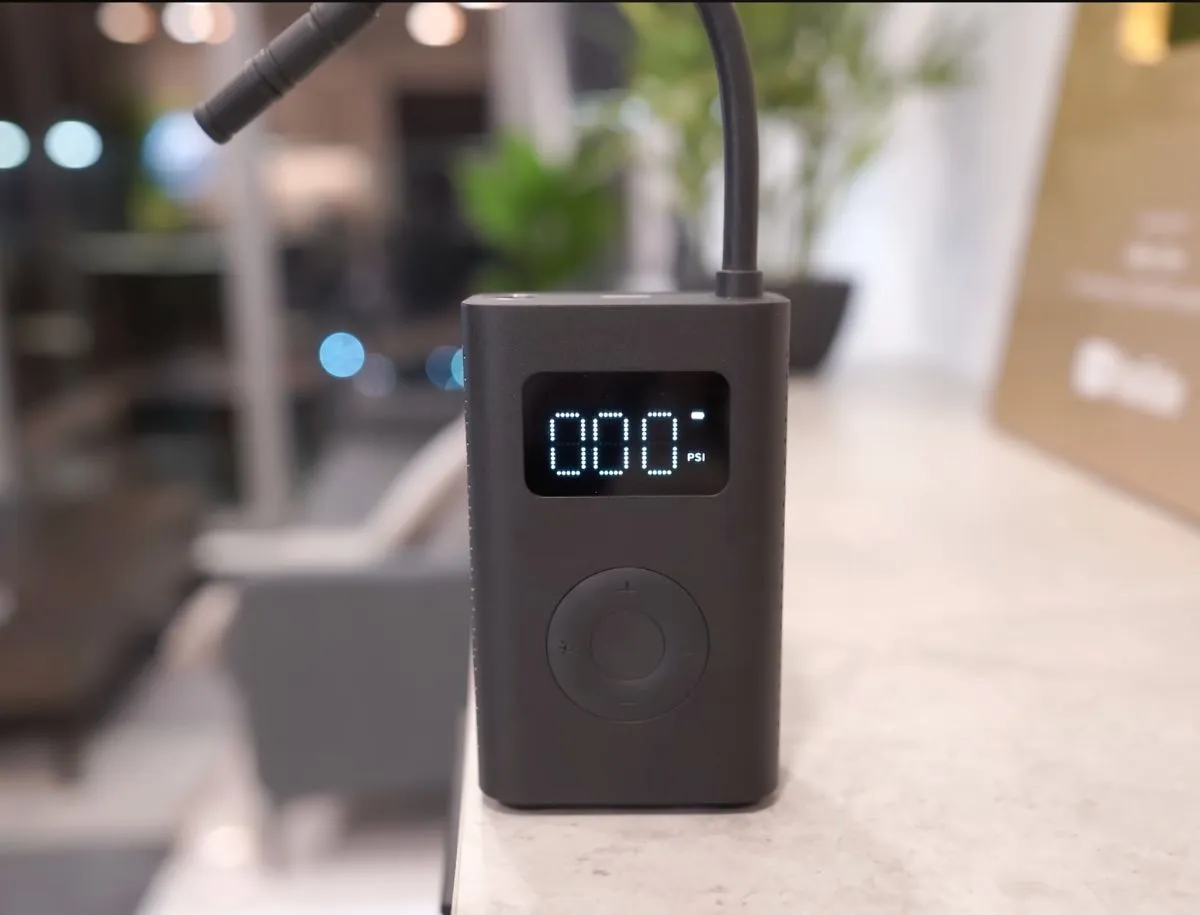
I also picked up a Xiaomi electric pump from AliExpress. You dial in your exact target PSI, and it stops automatically. Convenient? Yes. Necessary for a beginner? Absolutely not. Get the basics sorted first.
Cycling Jerseys: Where I Wasted the Most Money
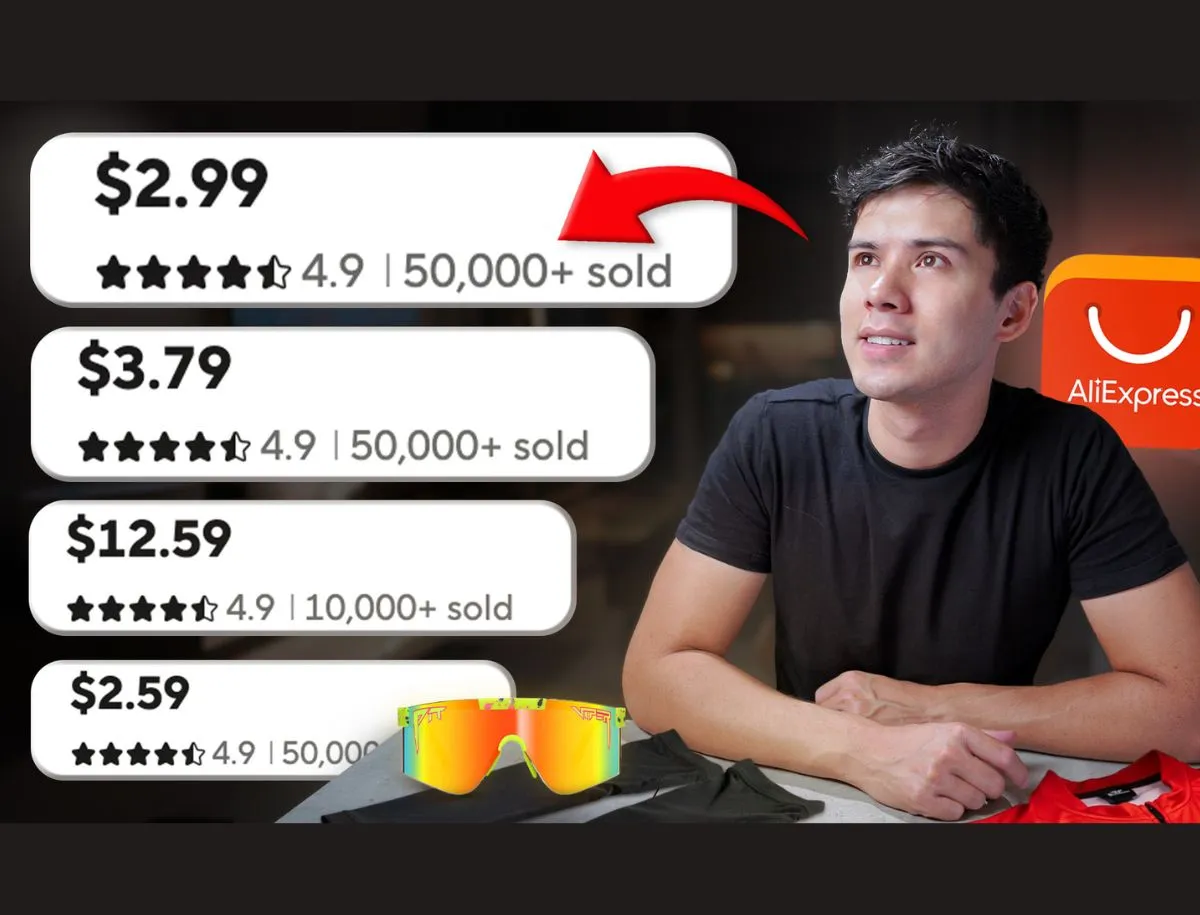
Jerseys were my most expensive mistake category. I bought jerseys ranging from $16 on AliExpress to $169 for a MAAP jersey. The MAAP is nicer, but not $150 nicer for someone who's just getting started.
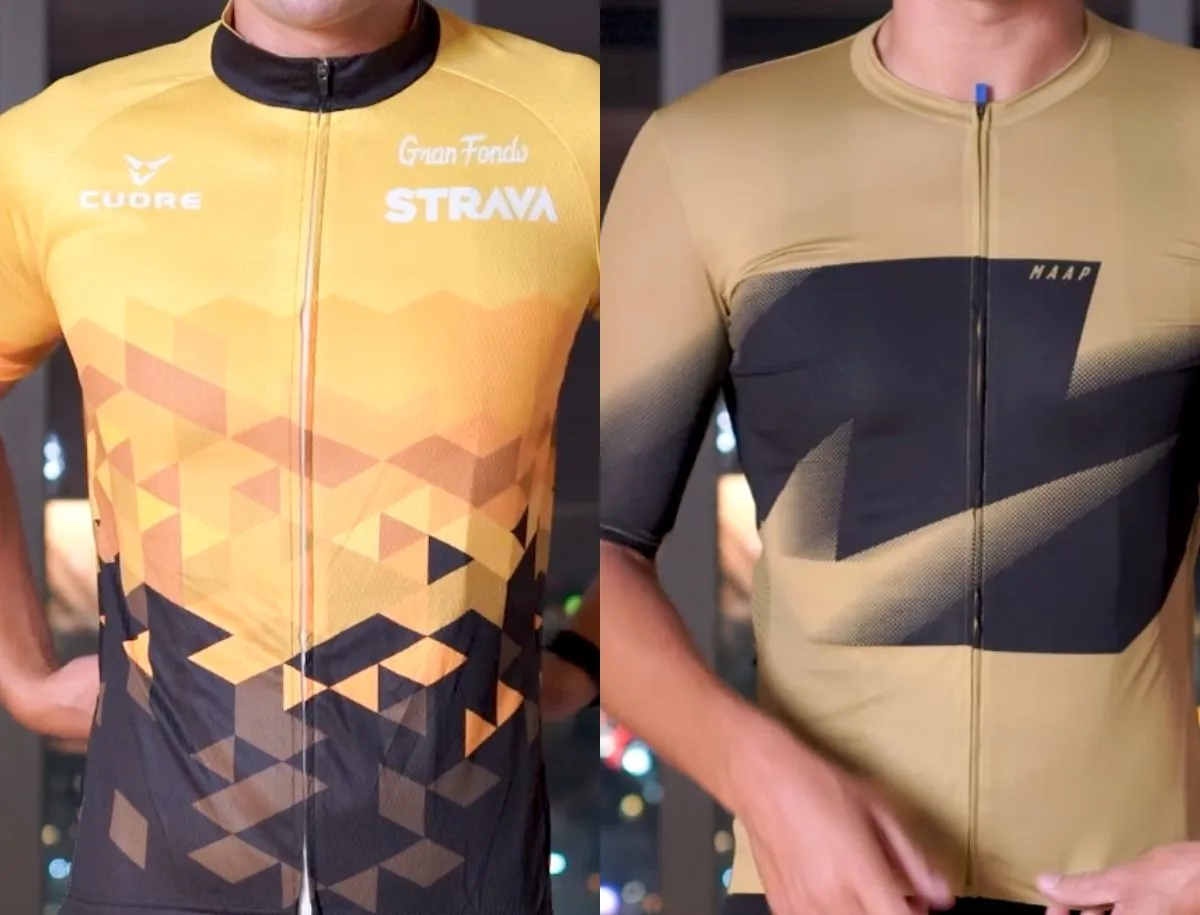
A $20 jersey from a bike shop bargain bin will do the job when you're building your base fitness. Two things actually matter: fabric that wicks moisture, and bright colors. Not because it looks better, but because cycling is dangerous enough without blending into traffic. My everyday clothes are dark grays and blacks. My cycling kit is yellow, red, and gold. Visibility matters.
Don't spend heavily on jerseys early on.
Bib Shorts: The One Place Worth Spending More
If there is one piece of cycling clothing that will directly affect your enjoyment of riding, it's bib shorts.
I went through the progression most cyclists go through. Cheap pair first. Mid-range next. Finally, a quality pair, the MAAP bib shorts with pockets. The difference between cheap and quality bibs is not subtle. The cheap ones made me dread getting on the bike. A good chamois pad changes the experience entirely.
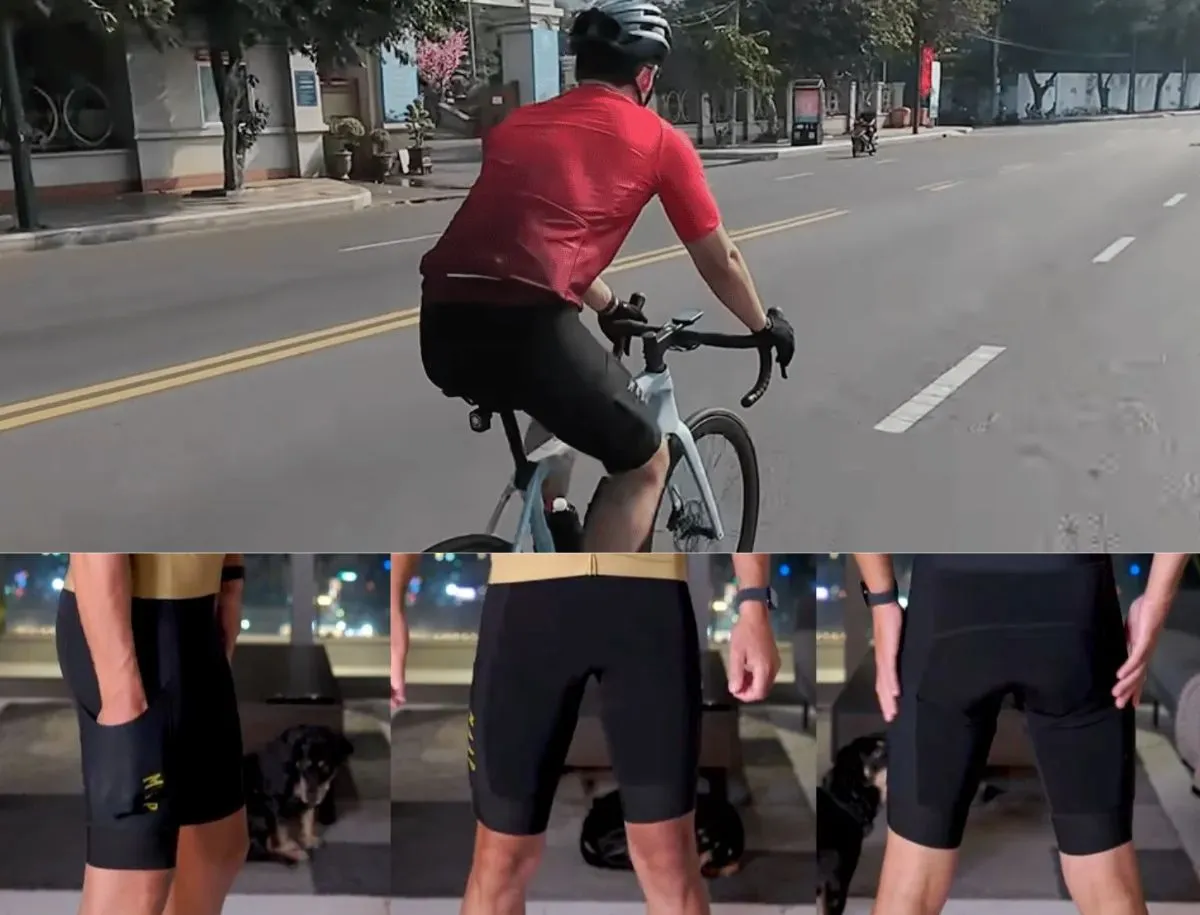
The pockets are genuinely useful too. Being able to keep gels or a phone in a side pocket rather than stuffed in a jersey back pocket makes longer rides more manageable.
If you're going to spend money on cycling clothing as a beginner, spend it here. You don't have to go full MAAP from day one, but don't buy the cheapest pair you can find either. Somewhere in the $40 to $70 range is where you start getting quality without diminishing returns.
Cycling Shoes: Good Enough at $80 to $100
I have Shimano RC7s, which retail for around $169. They're great shoes. But you can get perfectly functional cycling shoes for $80 to $100 that do the same job for a beginner.
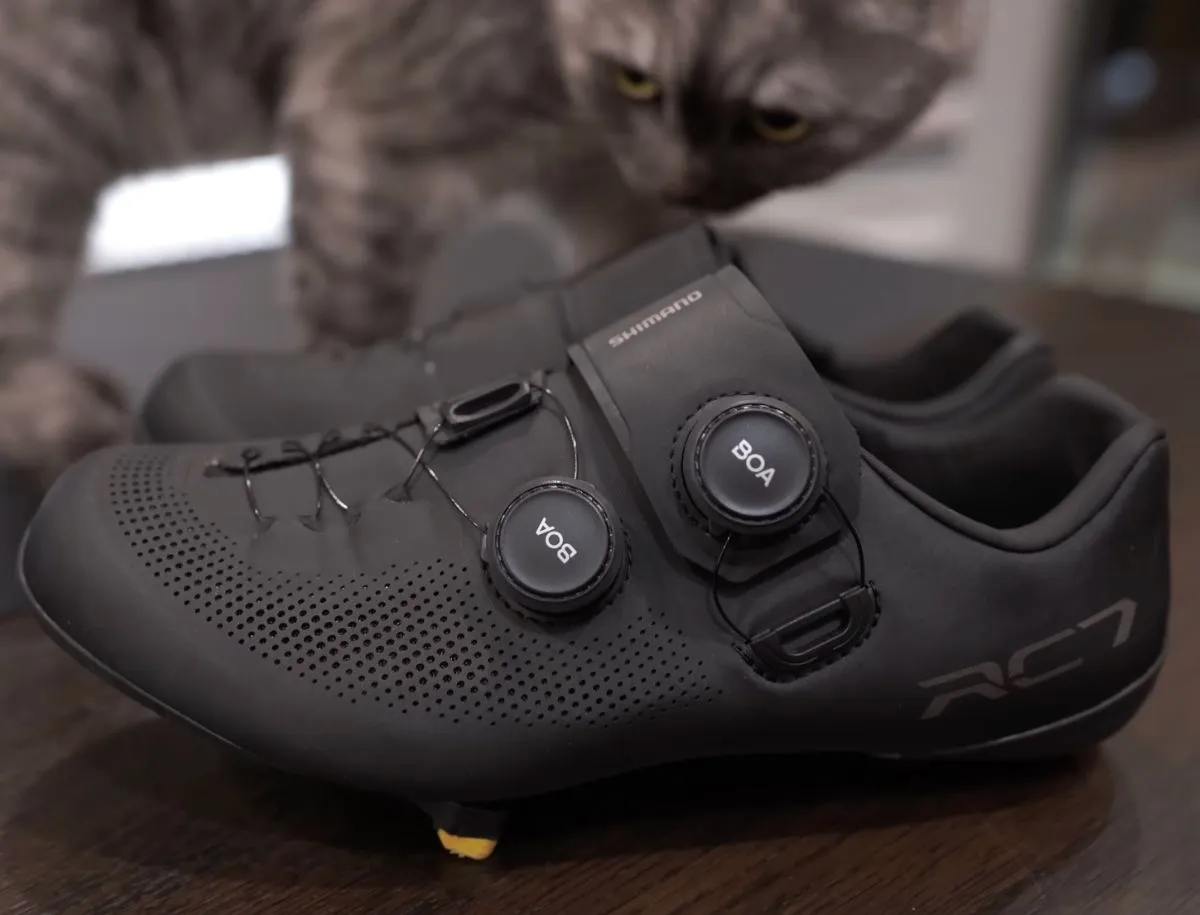
The important thing is stiffness. A stiff sole transfers power more efficiently and reduces foot fatigue on longer rides. Don't buy running shoes and expect them to work. Beyond that, comfort and fit matter more than price at this stage.
Helmet: Buy From a Reputable Brand, Don't Skip the Fit
I went with the MET Trenta MIPS. The MIPS system adds rotational protection that standard helmets don't have, and the research supporting it is credible. Whether you need to spend what a MET Trenta costs is a different question.
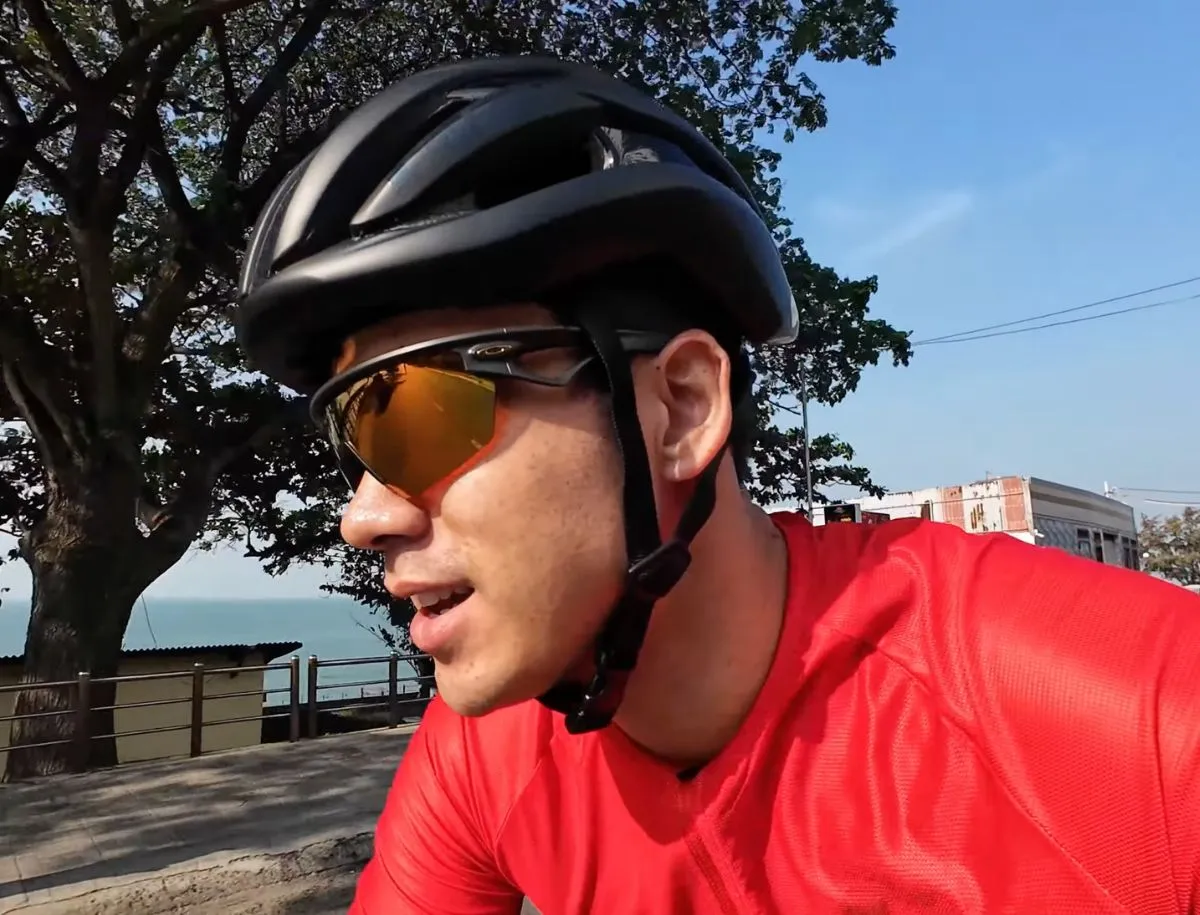
Any helmet from a reputable brand, bought in a physical store, will meet safety certification standards. What you get at higher price points is reduced weight, better ventilation, and better materials. Not necessarily more protection.
One place I'd draw the line on AliExpress: helmets. Don't risk your head on an unknown brand that claims certification but has no verifiable testing record. For everything else, go ahead and shop around. For helmets, go into a shop, try it on, and buy something you've actually touched.
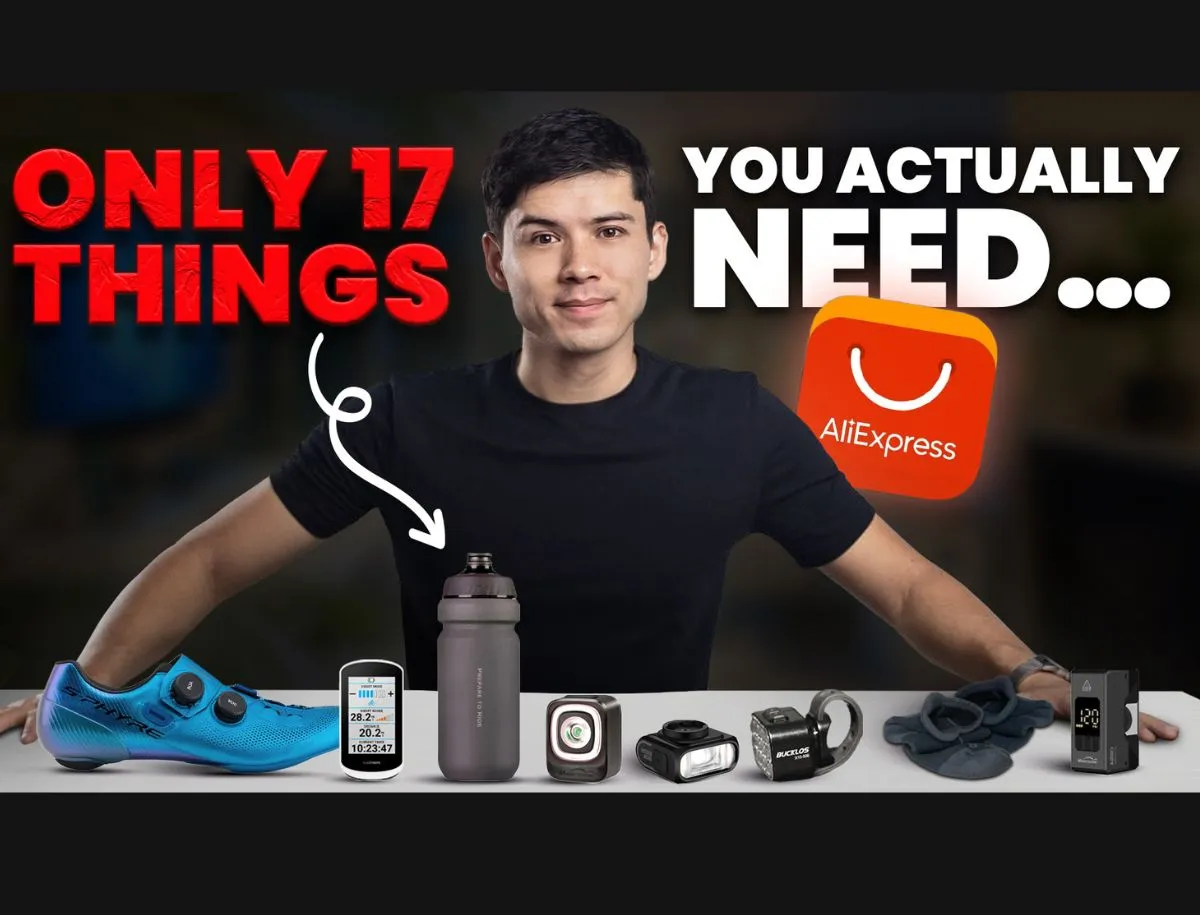
AliExpress: Where to Save Real Money
I wish I had found AliExpress when I started cycling. The savings are real.
Cycling socks, basic tools, bottle cages, phone mounts, and small accessories all hold up well from AliExpress. I bought handlebar grips for my mountain bike for $3. The same design from Ergon costs $35. Are the Ergon grips slightly better? Probably. Are they twelve times better? No.
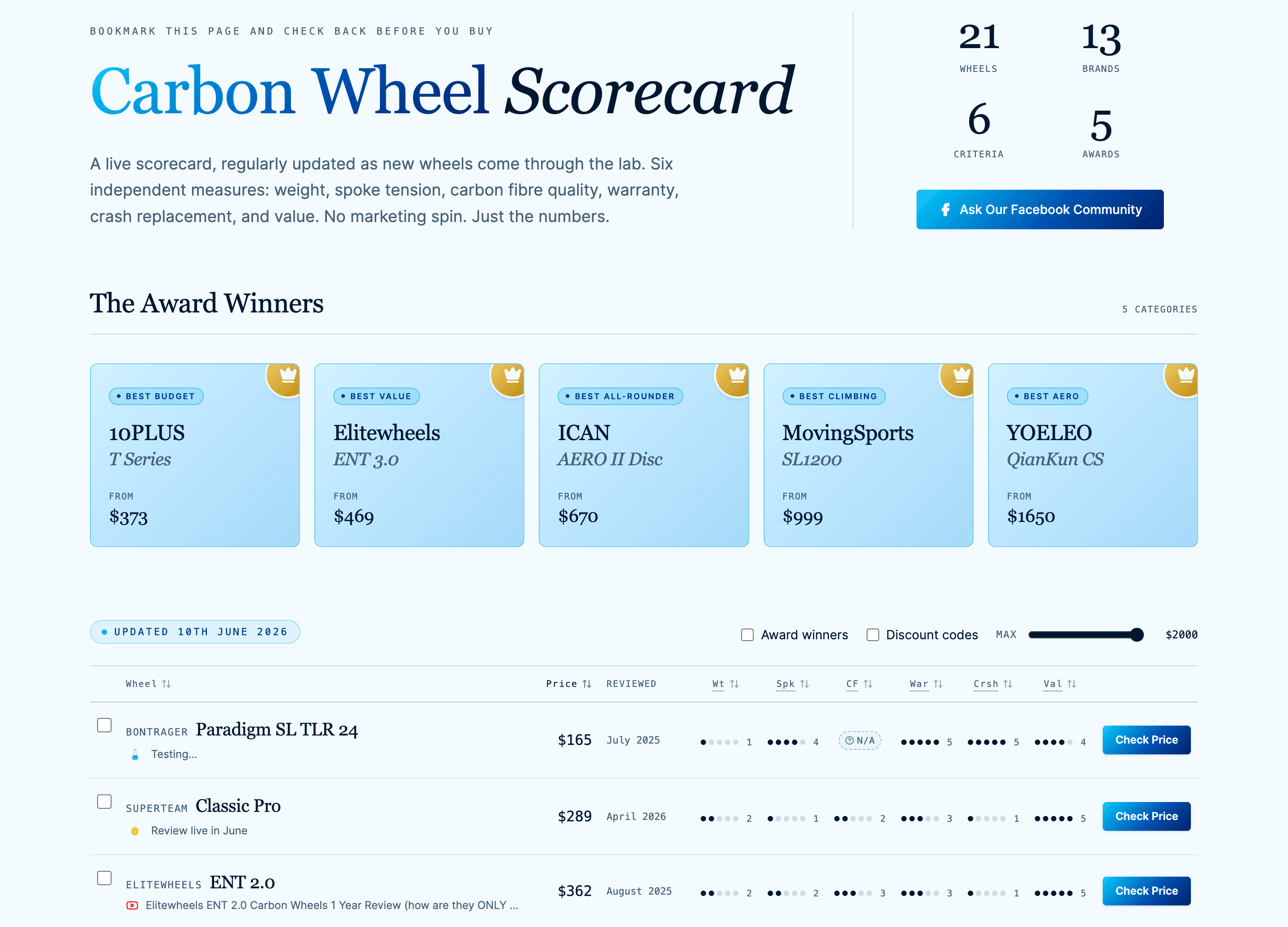
Wheels are another area where the savings are significant. Instead of $1,000-plus Zipp wheels, I bought Elitewheels carbon wheels for $350. Are they heavier? Yes. Are they a massive upgrade from stock aluminium wheels? Also yes. And they look great.
For tools, you need a multi-tool, tire levers, spare inner tubes, and a portable pump. You can get all of that for under $50 on AliExpress. Start there.
What to avoid on AliExpress: helmets (already covered), and anything safety-critical where certification actually matters.
What a Smart Beginner Setup Actually Costs
To summarize, here's a rough starter setup that covers everything you need without wasting money:
Second-hand aluminium road bike: $300 to $600. Magicshine front and rear lights: ~$60 combined. Topeak bottles and cages: ~$40. Decent bib shorts: $50 to $70. Basic jersey (bright color): $20 to $30. Cycling shoes: $80 to $100. MIPS helmet from a reputable brand: $60 to $120. Floor pump: $30. Portable pump and basic tools: ~$30.
Total: $700 to $1,100 for a complete setup. You don't need to spend more than that to ride well, enjoy the sport, and be safe on the road.
The Bigger Picture
Some of the fastest cyclists I've met are riding aluminium frames with basic components. They're crushing sportives and finishing races while having a great time. The gear helps, but it doesn't make or break the experience. What makes the difference is time in the saddle.
Cycling was one of the best things I've added to my life. The fitness, the mental reset, the sense of going somewhere under your own power. None of that requires expensive equipment.
If you want to go deeper on cheap cycling upgrades, I filmed a whole video on 15 solid AliExpress bike upgrades worth your time. You can find that linked in the video description.
Review by Mike Dee
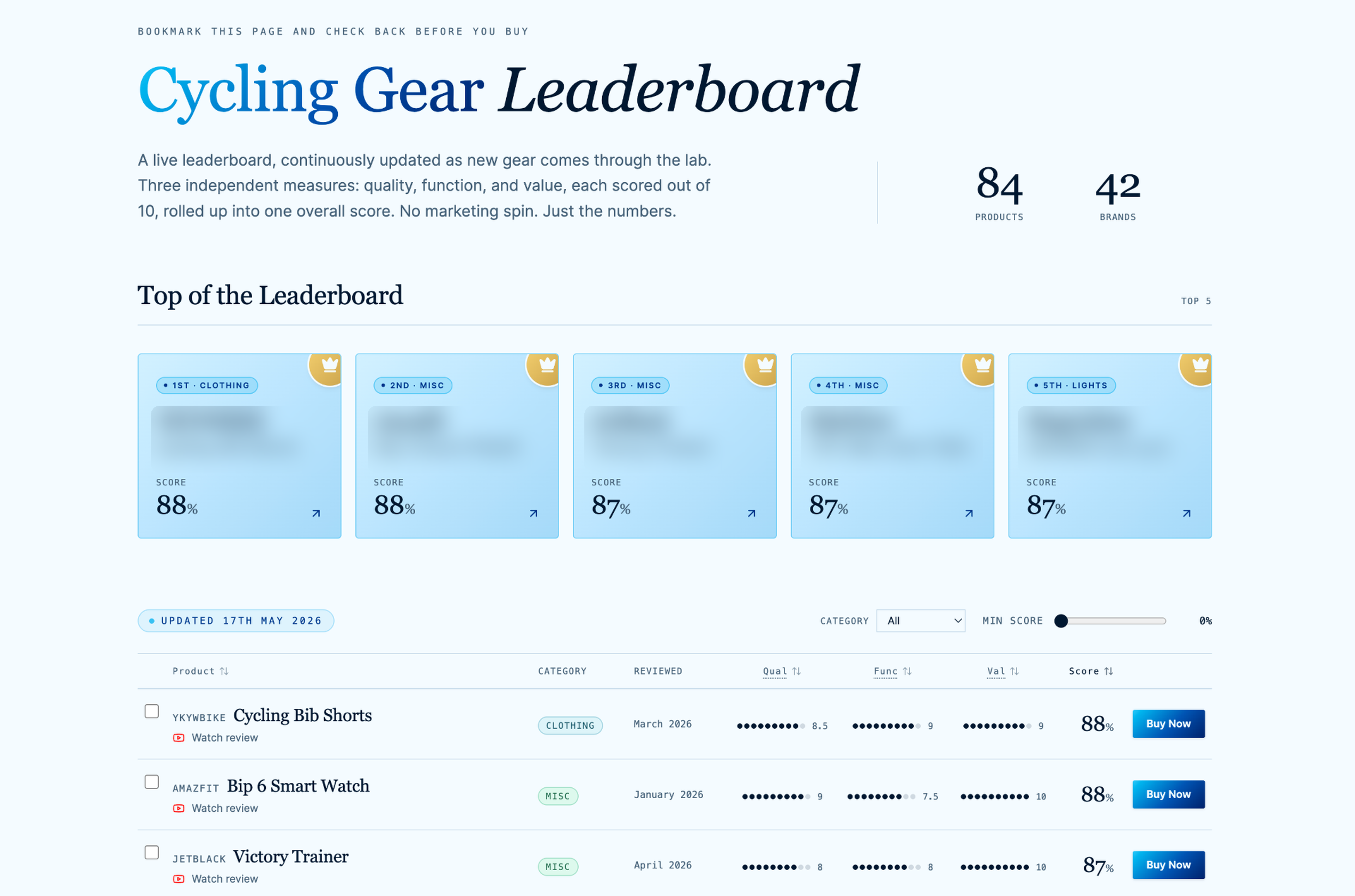
I test road bikes, carbon wheels, and cycling gear with quantifiable lab tests and real riding. No marketing spin, just the data - so you don't have to spend hours researching or wasting money on the wrong gear.