




I Tested 12 AliExpress Bike Lights So You Don't Have To (Here's What's Worth Buying)
AliExpress bike lights are a minefield. For every genuinely good option, there are a dozen that overstate their lumens, use rubber mounts that snap in winter, and fail the first time they see heavy rain.
I've spent real money testing 12 of them, front and rear, ranging from a $5 set that you might use once and throw away, to a $130 radar taillight that I actually use on my country road rides. A handful of the Magicshine lights were sent to me for free, but everything else came out of my own pocket, and my opinions on those freebies are just as honest as on the ones I paid for.
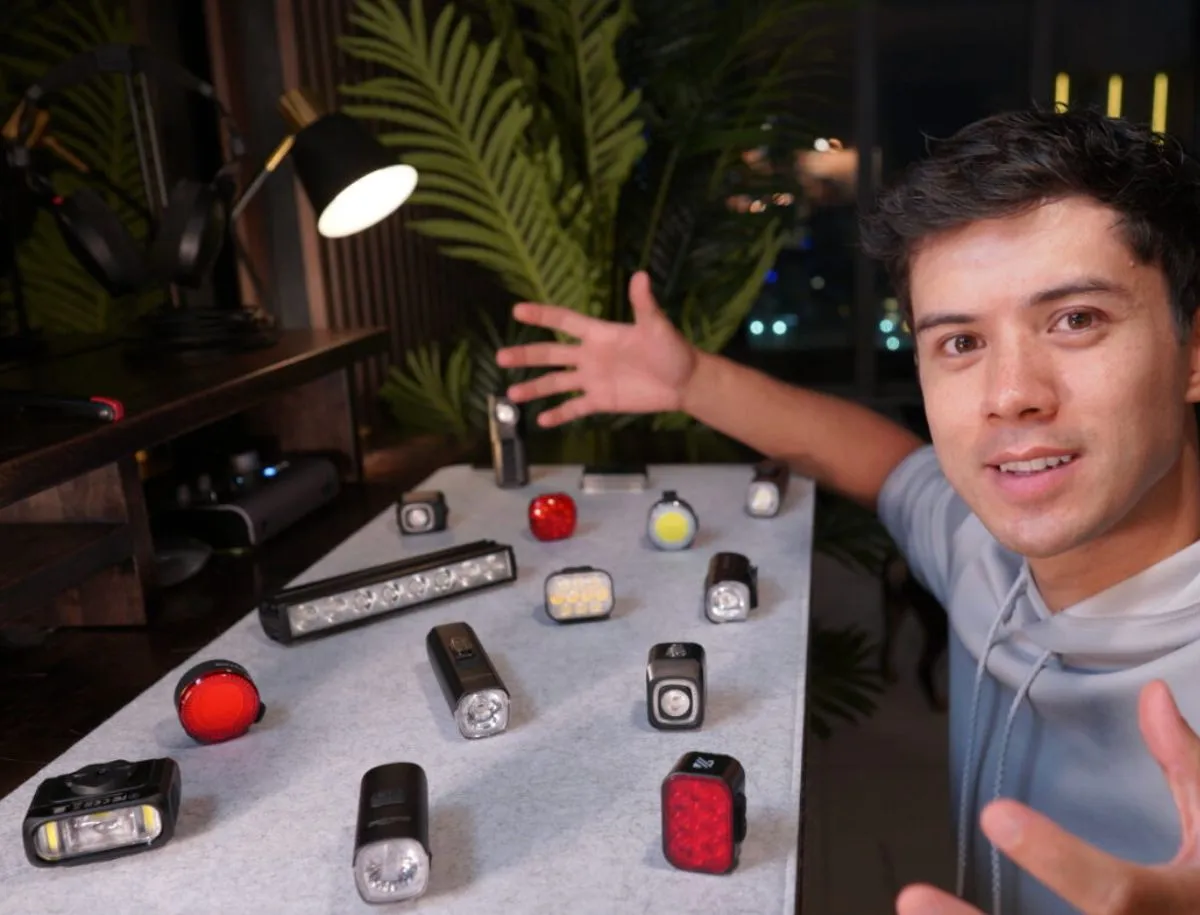
Here's what I found, structured by budget and use case, so you can stop guessing and just buy the right light.
What to Look for in an AliExpress Bike Light
Before getting into specific models, a few things matter more than anything else when buying from AliExpress.
Waterproof rating. IPX5 handles moderate rain. IPX6 handles heavy rain and pressure washing. IPX7 means full submersion up to one meter for 30 minutes. For UK and European winters, you want at least IPX6. Don't let sellers confuse you: "waterproof" without a rating is meaningless.

Housing material. Aluminium housing is a meaningful upgrade over plastic. It dissipates heat better, handles impacts better, and generally signals that a manufacturer has put some actual thought into build quality.
Mount system. Rubber strap mounts are fine at this price range, but they wear out and can slip on longer rides. Garmin-compatible out-front mounts are a better option if you care about a clean cockpit.
Lumen claims. Budget lights on AliExpress routinely exaggerate lumen output. A 500-lumen claim on a $5 light should be taken with a generous amount of scepticism. Magicshine, as a proper cycling brand, is generally accurate with its numbers.
Budget Bike Lights from AliExpress (Under $25)
BUCKLOS Front and Rear Set (~$5)
This is the cheapest light I tested. Over 4,000 units sold and a 4.8-star average, so clearly people are buying it. USB-C charging on a $5 light is a nice touch, and it's genuinely lightweight.

But let's be honest about what it is. The plastics feel cheap because they are cheap. The rubber attachment is the kind of thing that will split if you leave it in the cold. Waterproofing is IPX5, which means it will handle moderate rain but probably not a heavy downpour.
If you need a backup light for a kit bag or something to lend a friend who rides occasionally, this is fine. It's not a light I'd rely on for training rides.
Best for: Emergencies, lending to a beginner, and backup use.
BUCKLOS X10-500 Front and Rear Set (~$23)
A significant step up from the $5 version. IPX6 waterproofing, a better mount system, 350 lumens front and 100 lumens rear. It has eight modes on the front and nine on the rear, which is honestly more than anyone needs, but it doesn't get in the way.
The mount is better than on the budget version, which matters more than the extra modes. Build quality is still plastic, and you'll feel the difference if you ever pick up a Magicshine, but as a workhorse light for occasional riders or commuters who don't want to spend more, it delivers.
Best for: Commuters, occasional riders, anyone on a strict budget who still wants decent waterproofing.
Mid-Range AliExpress Bike Lights ($25 to $6
Magicshine SEEMEE 50 v2.0 (~$25)
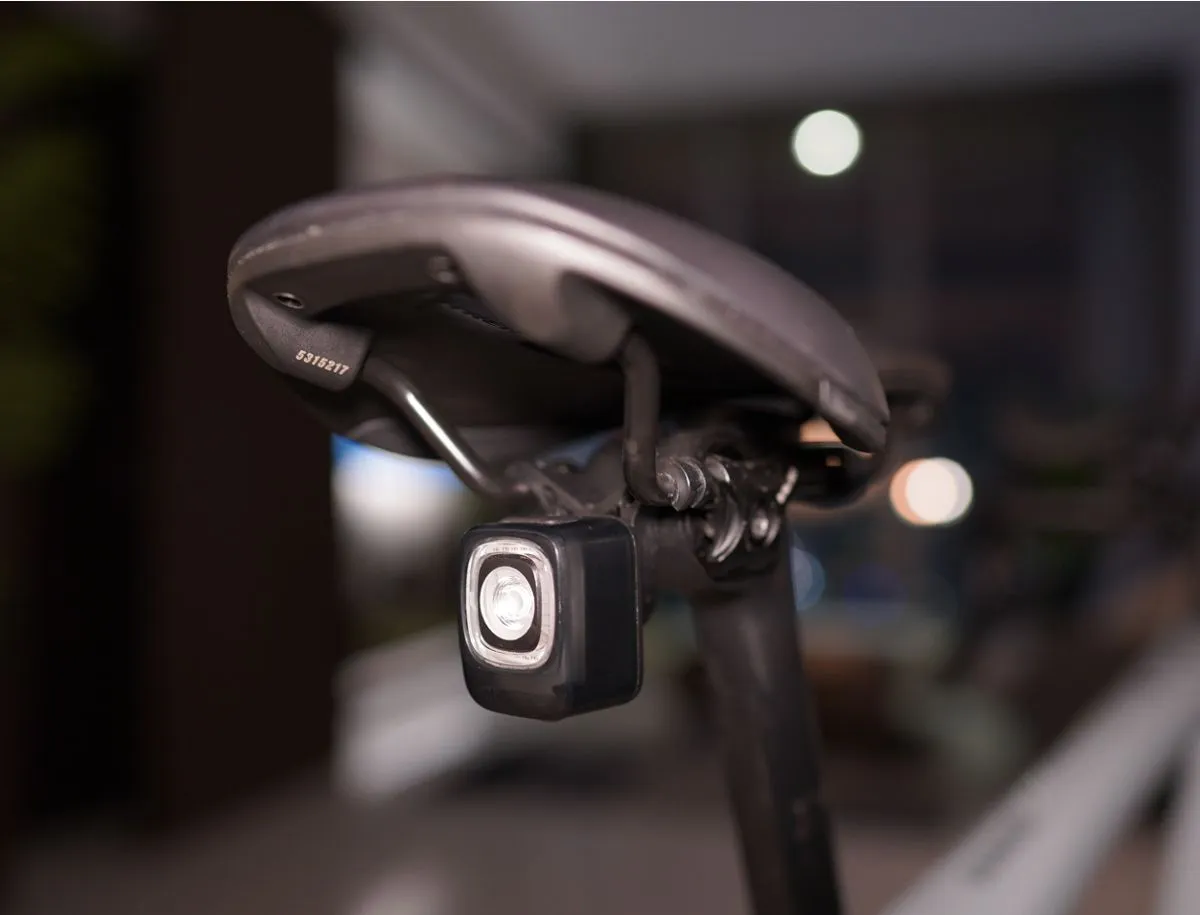
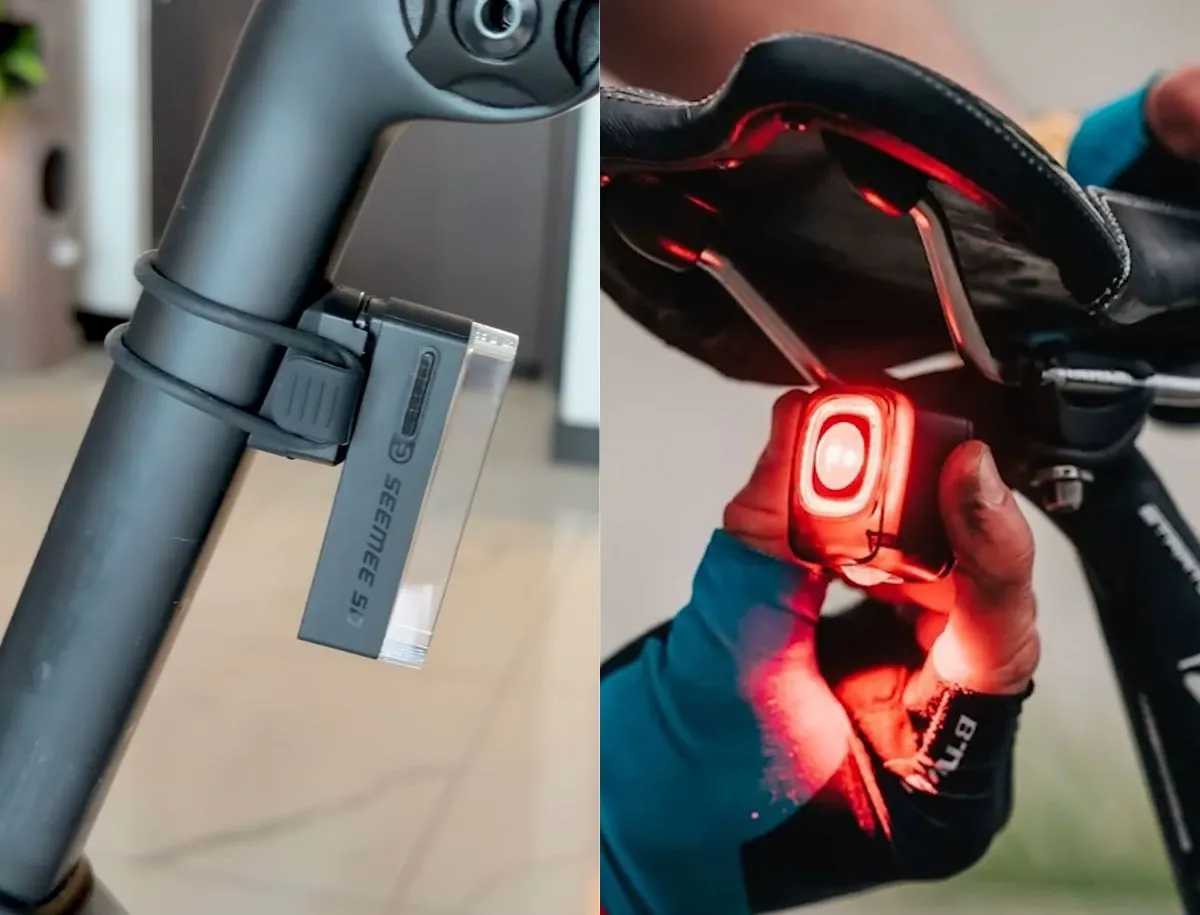
This is Magicshine's entry-level rear light, and it shows the brand's quality advantage over pure budget alternatives even at this price. It has FTR LightSync technology, which means it can sync with a front light and a remote, useful if you're building out a full Magicshine system.
50 lumens is enough to be seen in daylight and in average night conditions. The battery runs three to six hours. IPX6 rated.
My issue with it is the rubber fixture. At $25, you're paying a slight premium over the BUCKLOS, and the rubber mount is the one area where I'd want more. That said, the build quality elsewhere is noticeably better.
Best for: Riders who want to start a Magicshine ecosystem on a smaller budget.
Magicshine ALLTY 400 v2.0 (~$40 before discount)
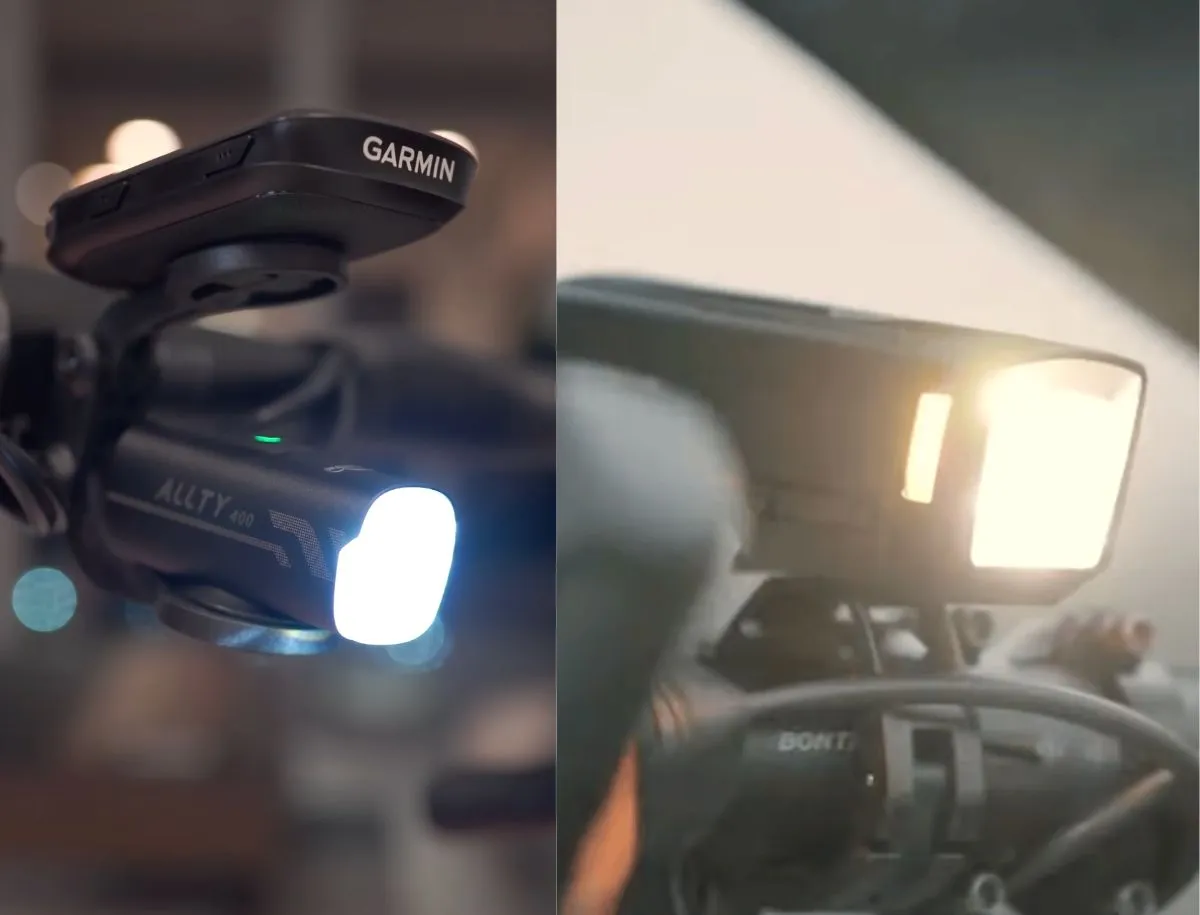
This is my daily front light for road cycling, and it's the model I'd point most riders toward if they're only going to buy one front light from this entire list.
The v2.0 matters: it has better battery life and improved anti-glare technology over the original. IPX7 rated, which puts it above almost everything else at this price point. The aluminium housing is immediately noticeable compared to plastic alternatives. It's about 86 grams, which is heavier than a budget light (BUCKLOS comes in around 40g), but for most road cyclists, that difference is trivial.

400 lumens sit in the right zone for 90% of road cycling. It's bright enough to see and be seen, small enough to fit neatly under a Garmin without looking out of place, and the Garmin-style mount makes it easy to move between bikes.
Spending an extra $15 to $20 over the BUCKLOS X10-500 for this light is the most straightforward upgrade decision in this entire review.
Use coupon code bikelab15 at Magicshine's website for 15% off.
Best for:h Road cyclists who want the best value-to-quality light in the category.
Magicshine SEEMEE 200 v3.0 (~$45 before discount)
My go-to rear light. The v3. adds a motion sensor that adjusts flash patterns based on movement, which is a smart feature for visibility in traffic. 200 lumens is genuinely bright for a rear light. Battery life runs from 5 hours up to 17.5 hours, depending on mode. IPX6 waterproof.

The one thing to check: the cap at the back needs to be properly seated, or the light can let in moisture. Minor issue, easy to fix, worth knowing.
The SEEMEE 200 is the rear light I reach for before every ride. It's built better than anything else at this price point from a pure cycling brand.
Best for: Anyone who wants a reliable, bright rear light for the road or commuting.
Magicshine ALLTY 800 v2.0 (~$50 before discount)
Same aluminium construction as the ALLTY 400, same IPX7 waterproof rating, same Garmin-compatible mount. The obvious difference is 800 lumens instead of 400, and a longer battery range of 3.5 to 17.5 hours.
It also connects to an app, where you can set custom brightness levels. I don't personally use the app, but it's there if you want it. A remote is also available separately.
One thing to flag: make sure you buy the v2.0 and not the original. The v2.0 is noticeably better, and the price difference is minimal. Links in the description will take you to the correct version.
I tend to pick the ALLTY 400 over the 800 for road riding because 400 lumens is enough. If I need more power, I go straight to the 1200U. But if you ride in poorly lit rural areas regularly and want one light that covers everything, the 800 is a solid choice.
Best for: Riders who need more brightness but don't want to jump to a dedicated mountain bike setup.
iGPSport TL30 Rear Light (~$45)
Something different in this list. The TL30 is small, thin, and pocketable in a way that no other light here comes close to matching. It's the light I'd take when I want to keep kit as minimal as possible.
50 lumens, IPX7 rated (impressive for the size), connects to an app, includes a brake light feature triggered by vibration sensors, and can sync flash patterns with other users in a group. Battery runs 10 to 50 hours, depending on mode.
The downside is the build feel. For a mid-range light at $45, the plastic finish doesn't match what you'd expect. The proprietary charger is also a frustration, given that every other light here uses USB-C.
Good light for the right rider, but I'd want a premium feel at this price.
Best for: Riders who prioritise size and portability above everything else.
Premium and Specialist Bike Lights ($60 to $130)
Magicshine HORI 900 (~$60 before discount)
My favourite front light in the entire test. Wide-angle beam, best-in-class anti-glare, 900 lumens in a package that still fits on road bike handlebars without dominating the cockpit. Battery life runs from 1.5 to 30.5 hours, app-compatible, and remote available.
The HORI 900 is Magicshine's newest light at the time of writing, and it shows. The beam angle is wider than the ALLTY series, which makes it more versatile for varied terrain. It can also mount a DJI action camera on it, which is genuinely useful if you want a clean setup.

IPX6 rather than IPX7 is a minor disappointment at this price, but it's not a dealbreaker.
If I'm going on a longer ride or riding somewhere with varied light conditions, the HORI 900 comes with me.
Best for: Riders who want the best all-round front light in this price range.
Magicshine ALLTY 1200U (~$70+ before discount)
This is what I run on my mountain bike for country road riding, where 400 lumens simply isn't enough. Under-mounted design, anti-glare, app-compatible, and comes with a remote. It's built like a tank, as you'd expect from Magicshine at this price.
If you're riding unlit rural roads or doing night trail riding and need serious light output, this is the right tool.
Best for: Mountain biking, unlit rural roads, night trail riding.
NEWBOLER 10,000 Lumen Light (~$40)
This is the wildcard in the list. A 10,000-lumen floodlight on your handlebars. 180-degree flood angle. Brighter than a car headlight, several times over. I had to remove my Garmin to fit it.

Aluminium housing, IP65 waterproofing, 4.5 to 10.5 hours battery life, percentage battery indicator, and reverse charging if you get stuck without power.
I'd never use this anywhere near other road users or pedestrians. It's too aggressive in a shared environment. But on a quiet country trail or forest road where you want to light up everything in front of you, it's genuinely impressive and genuinely fun.
Best for: Off-road riding on private land or very remote trails. Not for roads or shared paths.
Magicshine SEEMEE R300 Radar Taillight (~$130)
The most expensive light in this test, and the most divisive.
The R300 has an integrated ANT+ radar that detects approaching vehicles and relays alerts to compatible cycling computers, including Garmin Edge devices. When a vehicle is approaching from behind, the light automatically shifts to a faster, brighter flash, and drivers genuinely seem to notice. I've watched cars move significantly further out as they pass me on country lanes since using this light.
300 lumens, 270-degree visibility angle, battery life from 8 to 100 hours. It auto-shuts off on the rear. That combination covers the vast majority of my training rides.
When I need more versatility, or I'm riding varied terrain: Magicshine HORI 900 on the front for the wider beam and better anti-glare.
For country road rides where I want the awareness advantage, I swap in the SEEMEE R300 on the rear.
The ALLTY 1200U comes out for mountain bike sessions.
Everything is available directly from Magicshine's website, usually at competitive prices. Use code bikelab15 for 15% off. Links for all lights are in the description on the YouTube video version of this review.
FAQ
Are AliExpress bike lights any good? Some are, some aren't. Budget options from unbranded sellers often overstate lumens and have inconsistent waterproofing. Magicshine is a legitimate cycling brand that sells on AliExpress and directly, and their lights deliver what they claim. At the budget end, BUCKLOS offers reasonable value with honest expectations.
What IPX rating do I need for a bike light? For commuting in variable weather, IPX6 is a solid minimum. It handles heavy rain and hose washing. IPX7, which covers submersion up to one meter for 30 minutes, is the rating on the Magicshine ALLTY series and is the best available in this price range.
How many lumens do I need for a road bike light? For urban riding with street lighting, 200 to 400 lumens on the front is plenty. For unlit roads, 600 to 900 lumens gives you a solid margin. For mountain biking or very dark country lanes, 1200 lumens or more becomes useful. Rear lights: 50 to 200 lumens is the practical range for most cycling.
Is Magicshine a good brand? Yes. They're a genuine cycling-focused brand, not a white-label reseller. Their aluminium housing, IPX7 ratings, and accurate lumen output put them well above most generic AliExpress alternatives. The price premium over budget lights is real, but so is the quality difference.
Are radar taillights worth it? For country road riding and endurance cycling on roads with fast-moving traffic, yes. For city or commuter riding, no. The SEEMEE R300 makes most sense if you have a compatible Garmin computer and ride regularly on roads where approaching vehicles can't easily see you.
What is the best budget bike light on AliExpress? The BUCKLOS X10-500 at around $23 offers the best combination of features, waterproofing, and value at the budget end. If you can stretch to $40, the Magicshine ALLTY 400 v2.0 is a significantly better light and a purchase you won't need to repeat.
Can I use AliExpress bike lights for Ironman or triathlon racing? Lights aren't required during race hours, but they're essential for early morning or evening training rides. The ALLTY 400 v2.0 and SEEMEE 200 v3.0 are both compact and light enough that they don't add meaningful weight or bulk to a triathlon setup.
Watch Before You Buy
You can watch the full video first to know which bike lights fit your ride. Check it out here.

Review by Mike Dee
I test road bikes, carbon wheels, and cycling gear with quantifiable lab tests and real riding. No marketing spin, just the data - so you don't have to spend hours researching or wasting money on the wrong gear.