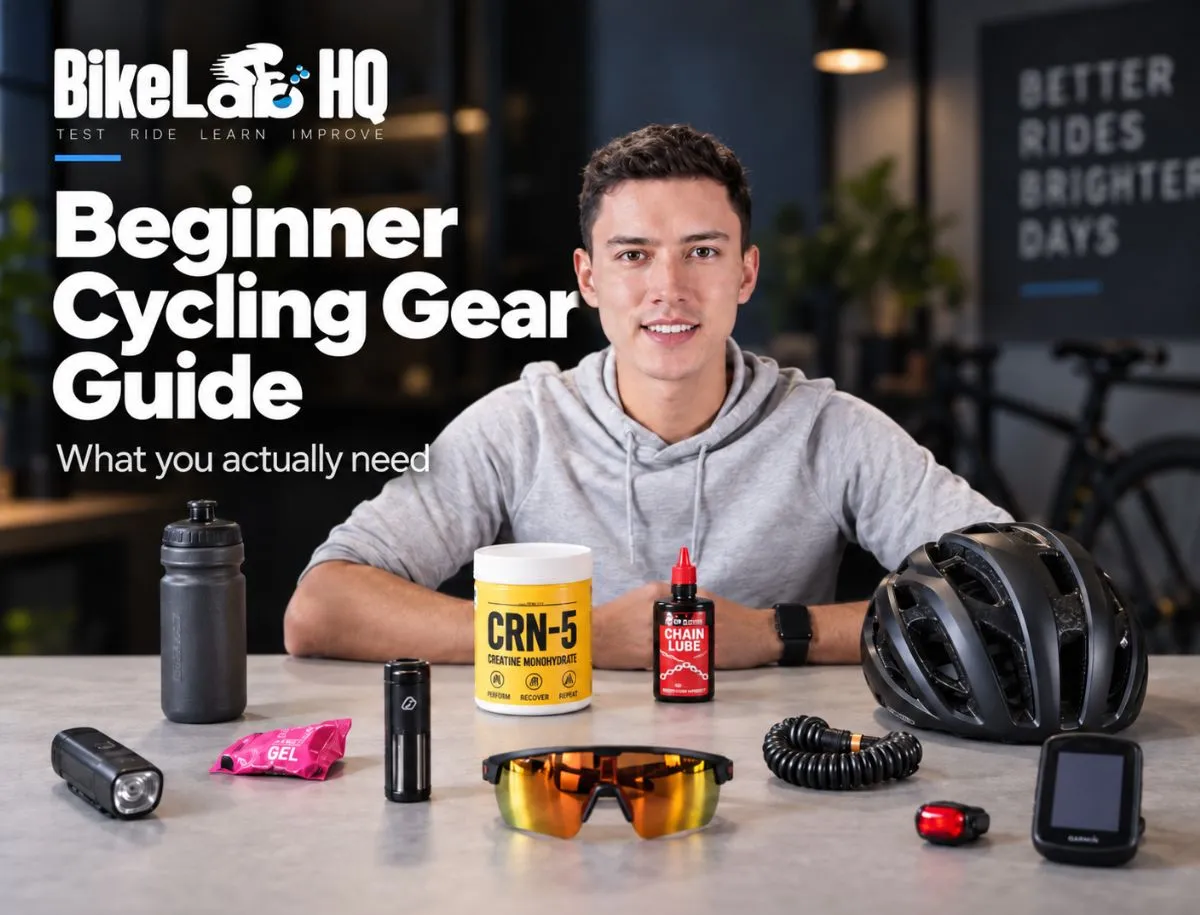





The Complete Beginner Cycling Gear Guide: What You Actually Need
I spent over $5,000 getting into cycling. I made plenty of expensive mistakes along the way. This guide exists so you don't have to.
I've reviewed over 100 cycling accessories on BikeLabHQ, from $40 bike computers to $320 bib shorts. I've tested cheap AliExpress options against well-known Western brands. And after completing my first Ironman 70.3, I can now tell you with confidence what you actually need as a beginner, what's worth spending more on, and what's a complete waste of money.
Let's get into it.
The Bike: Don't Overspend Here
The one non-negotiable: you need a bike. Everything else is secondary.
I bought a Trek Domane SL5 carbon road bike for around $3,500. Honestly? I didn't need to spend that much. A $1,000 aluminium road bike from Trek, Specialized, Giant, or Van Rysel would have been perfectly fine. Today's entry-level bikes are packed with technology that would have cost $10,000 ten years ago.
If you're not sure whether you'll even enjoy cycling long-term, a second-hand road bike in the $300-400 range is a completely valid option. I had a viewer comment that he picked up a 14-year-old Giant Defy Advanced carbon with Shimano Ultegra for $400 and went out for a 10-mile ride on his first day. He loved it. The point is: you can have a great time on almost any bike. Upgrade once you're sure this sport is for you.
Pedals: Often Overlooked, Rarely Included
Most quality road bikes don't come with pedals. That surprises a lot of new riders.
I use the Shimano PD-R540 clipless pedals. They're reliable, the engagement is crisp, and they've handled everything I've thrown at them. Nothing fancy, but they just work. For the price, this is an easy call.
If you're new to clipless pedals, practice clipping in and out before you hit traffic. Forgetting to unclip at a red light is a rite of passage for cyclists, but it's better to get it wrong in a car park than on a busy road.
Bike Lights: Non-Negotiable
This is one item I feel strongly about. Whenever I leave the house, I have bike lights on. Even during the day. Road cycling is already risky enough without making yourself harder to see.
I've tested more than 15 different front and rear bike lights. Here's where things land:
Budget option: The BUCKLOS X10-500 Front and Rear Bike Lights are surprisingly good for the price. The front puts out 350 lumens, the rear 100 lumens. They've sold over 2,000 units on AliExpress with a 4.8-star average from 348 reviews. Build quality is solid for the price. Battery life is around 3-4 hours on the brightest setting.
Step-up option: Magicshine lights are in a different league, with better build quality, more features, and significantly brighter. My favourite front light is the Magicshine HORI. Two things set it apart: the beam cut-off is unlike anything else I've tested (genuinely anti-glare, not just marketed as such), and the wide beam angle lights up the road ahead of you laterally, not just straight ahead. There's also a mount on top for your Garmin or a camera, which is genuinely useful.
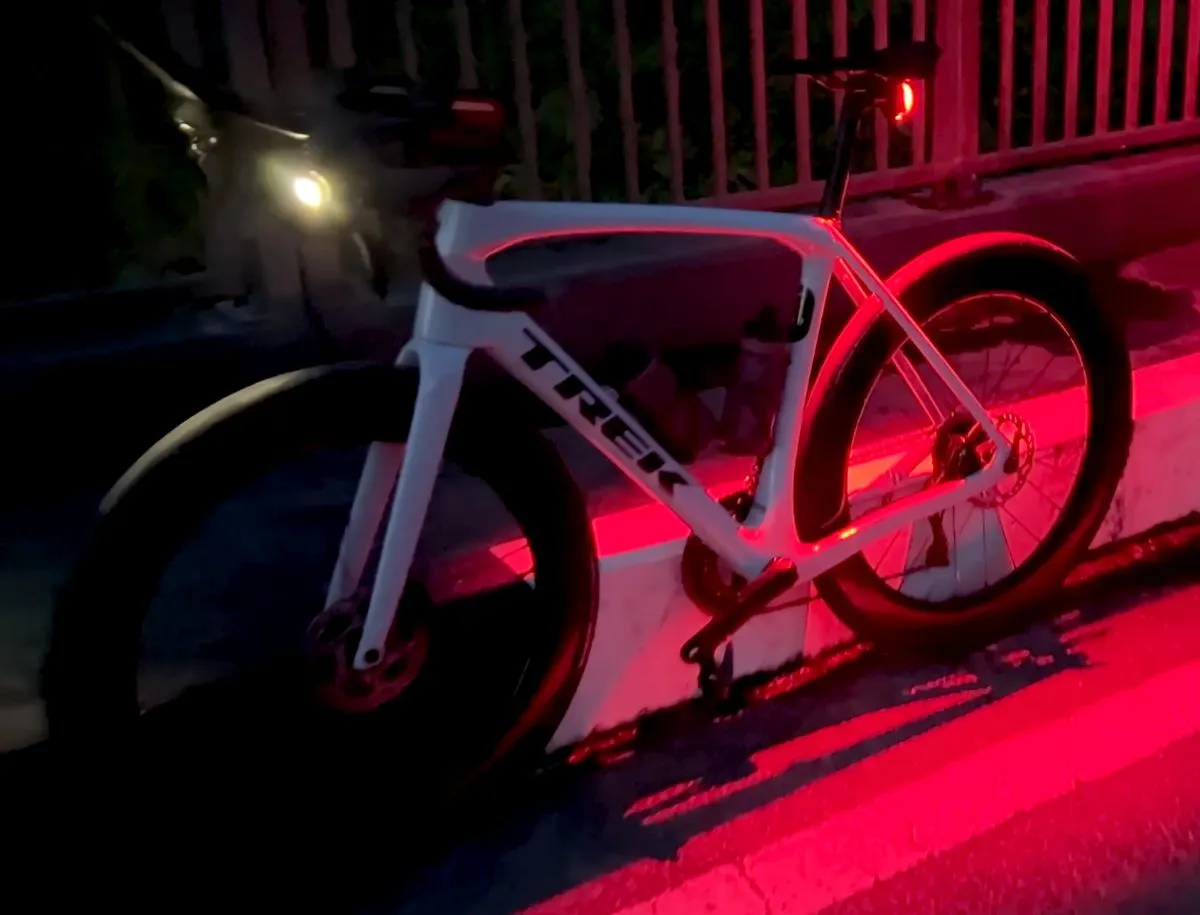
For rear lights, the Magicshine SEEMEE 200 v2.0 has been my go-to for over a year. 200 lumens, dual-light design with one facing rearward and one facing downward toward the road. That downward light improves side visibility and helps drivers judge distance. It's a clever design, and I haven't seen another rear light do it as well.
I have discount codes for the Magicshine lights in the description of the full video review on YouTube. Check that out here.
Whether you go budget or premium, just get a set. This is not optional.
Internal link opportunity: Link to BikeLabHQ's full roundup of the best budget AliExpress bike lights.
Helmet: Buy In Person, Not Online
A helmet is as essential as the bike itself. And the most important thing about a helmet is fit, not price.
An expensive helmet that fits poorly protects you less than a $100 helmet that fits your head well. That's why I always recommend going into your local bike shop to try a few on before you buy.
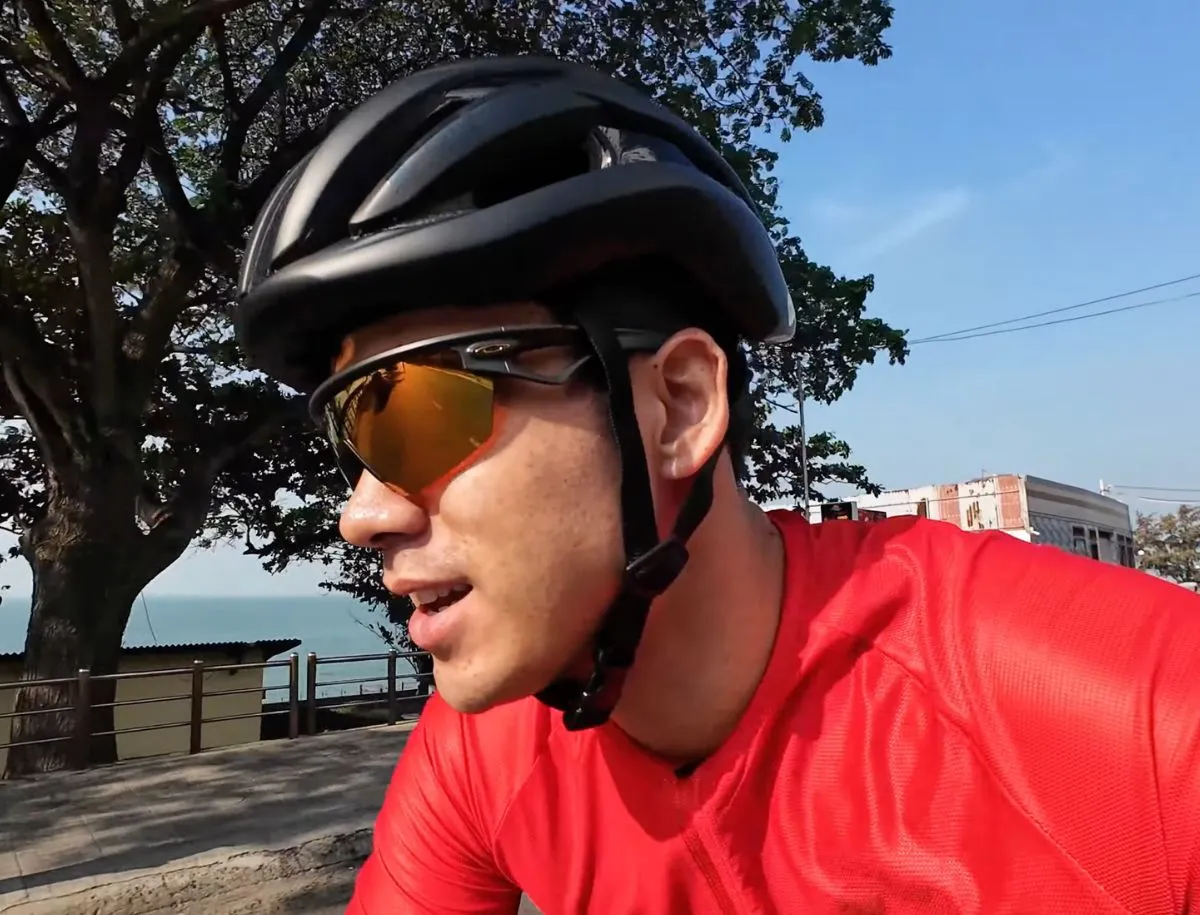
That said, more expensive helmets do offer better ventilation, lighter weight, and in some cases, better impact protection. I wear the MET Trenta MIPS, which costs around $250-300. The MIPS system adds rotational impact protection, which matters in cycling crashes where you often hit the ground at an angle. But this is not essential for most beginners.
Any helmet with the right safety certifications from a reputable brand will protect your head. Don't skip the helmet to save money. Do skip the $400 helmet if a $100 certified one fits you better.
Bib Shorts: Worth Spending More On
Unlike jerseys, bib shorts are worth the investment. But that doesn't mean going expensive.
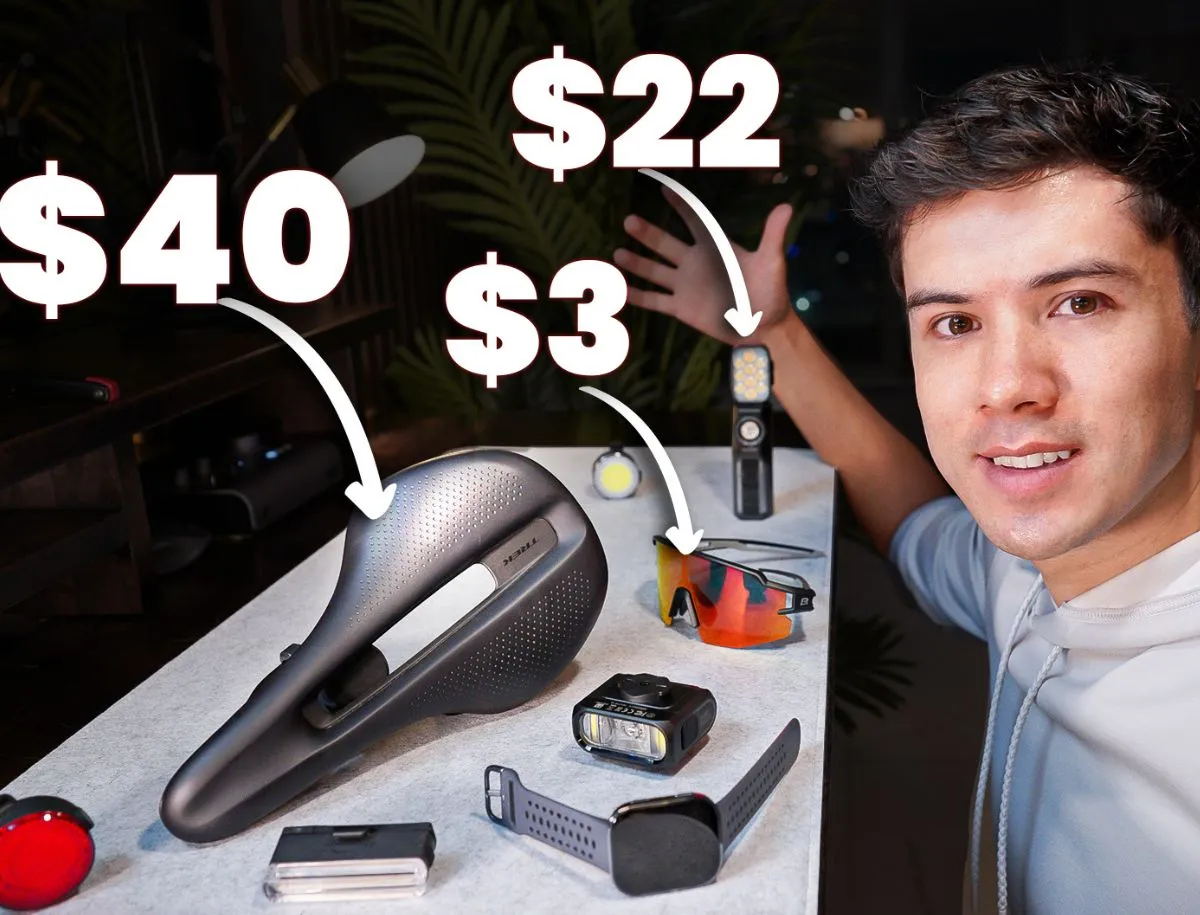
I've tested bib shorts from $10 AliExpress options to $320 MAAP shorts. My honest take: the sweet spot is $40-80. Below $40, and the chamois quality drops off noticeably. Above $100, and the gains become marginal for most riders.
The SOUKE Cargo Bib Shorts sit at around $66 direct from the SOUKE website, and with the code triathlonmike at checkout, they drop to around $56. I'm 6 feet, 75kg, and the medium fits comfortably. The chamois uses high-density foam placed specifically at the sit bones, shaped to your position on the bike rather than flat. On long rides, this matters a lot.
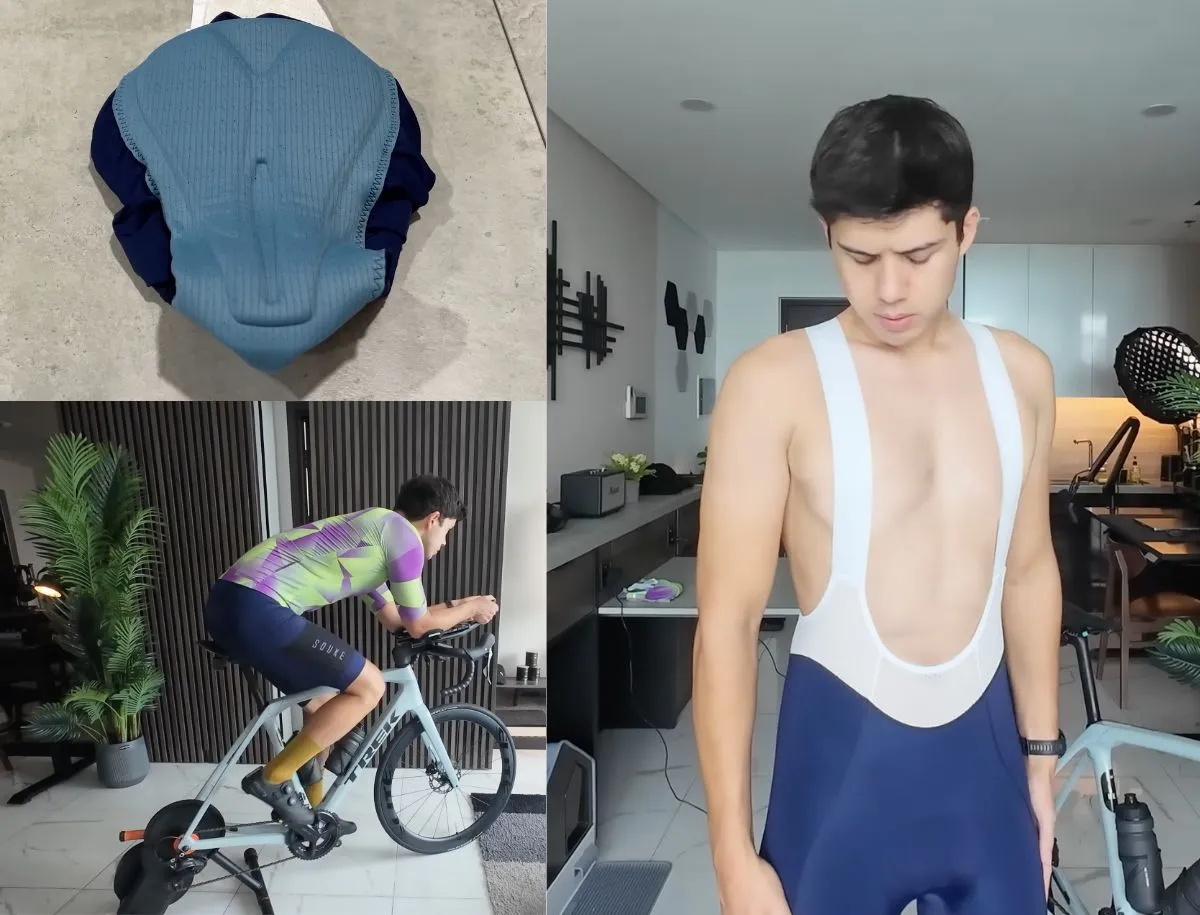
One thing I specifically like about these: the front panel sits high. When you're in an aggressive riding position, this makes a real difference in terms of support and comfort.
Jersey: Go Budget Here
Jerseys, in my opinion, are where you can save money. A $50-70 jersey performs nearly as well as a $150 one for most riders.
I wear the SOUKE 2025 Cycling Jersey, and it's very well made. Race fit, soft material, and the cut stays in place without digging in. Three rear pockets with a zippered middle pocket for valuables. It's the kind of quality that would sell for double the price if it had a mainstream Western brand logo on it.
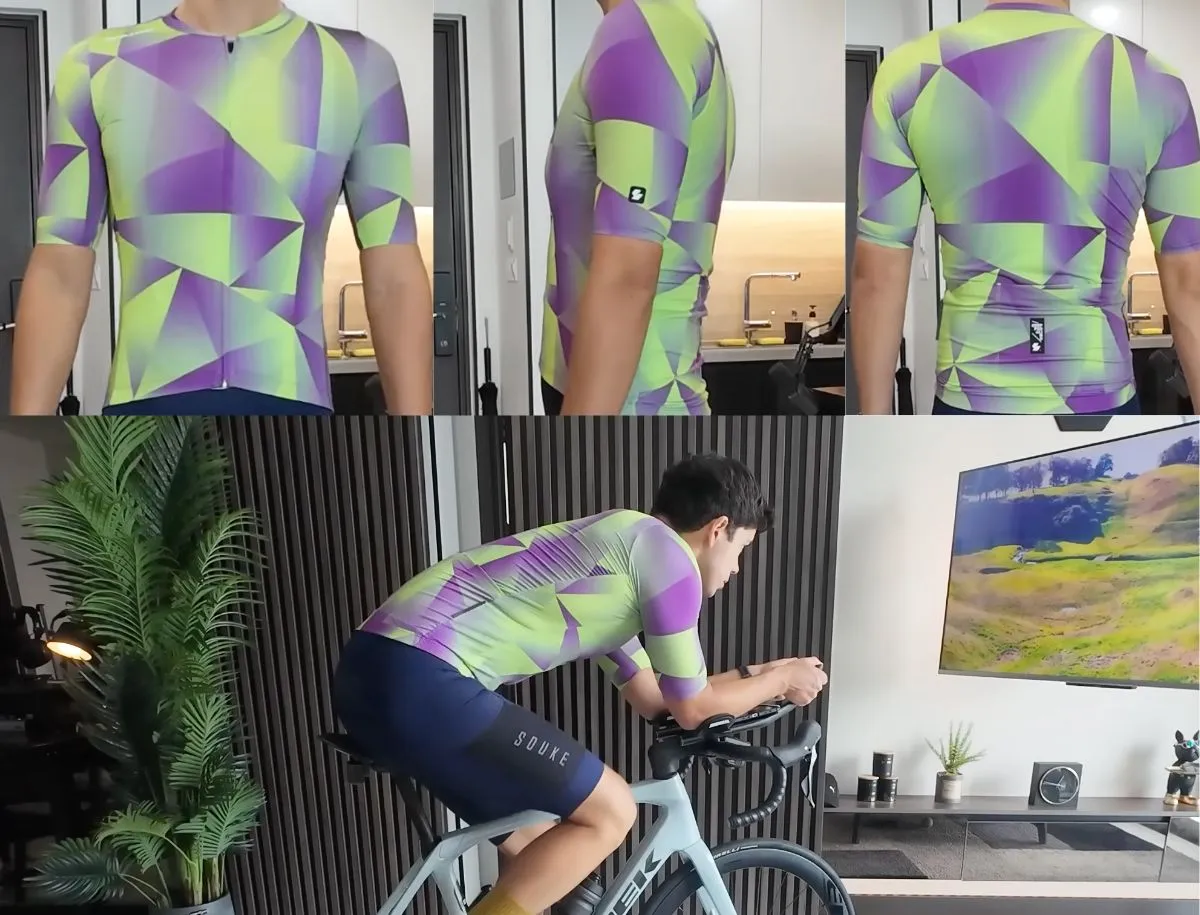
Always go for a bright color. Road safety is a real consideration, and being visible to drivers costs you nothing extra.
Cycling Shoes: Fit Over Price
You don't need to spend big on shoes. My Shimano RC7s cost $169, and they're great, but $80-100 gets you 90% of the benefit. The key things are stiffness and fit.
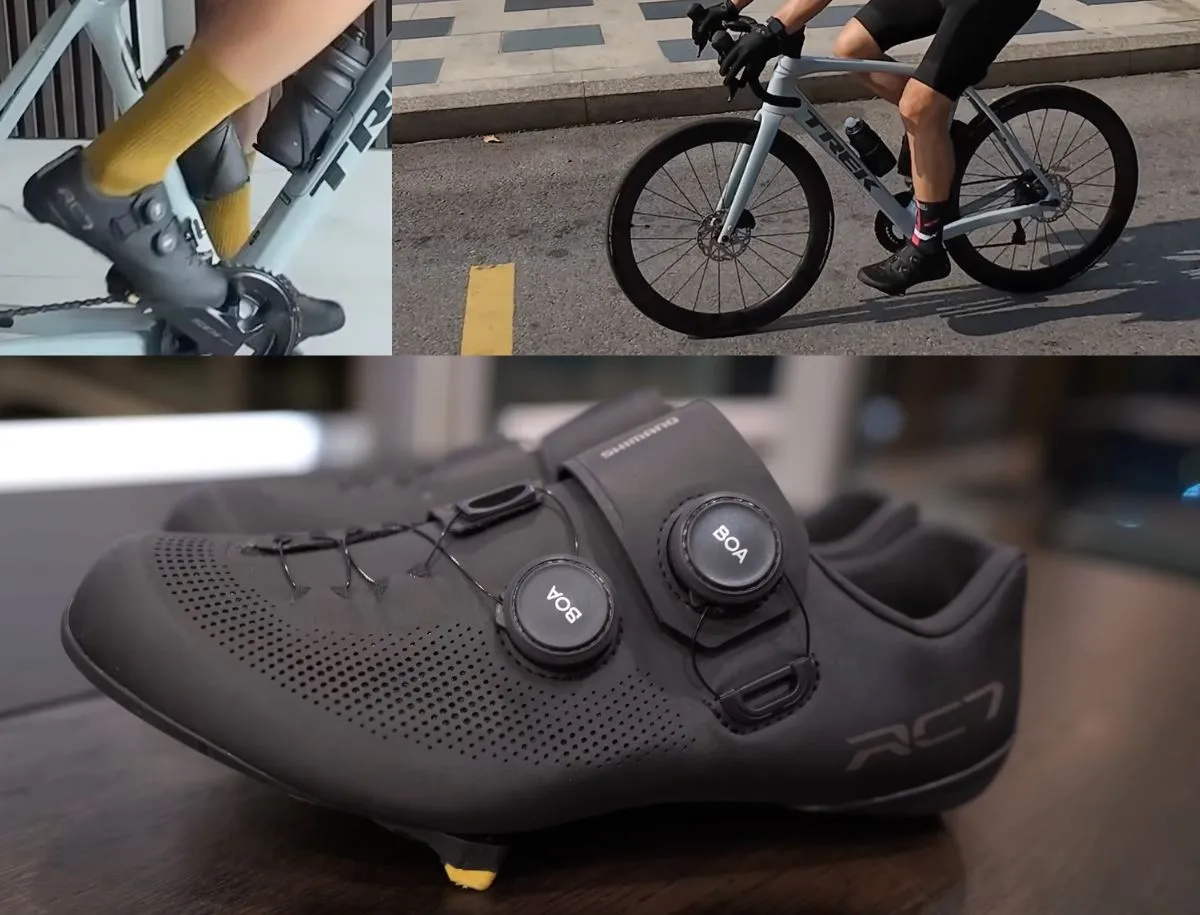
Go to your local bike shop and try a few pairs on. Shoe fit varies a lot between brands. Some run narrow, some run wide, some have a higher volume. Getting this wrong means discomfort on every single ride. Getting it right means you stop thinking about your feet entirely once you're moving.
Cycling Computer: Save Your Money Here
A bike computer is a nice-to-have for casual riders, and moves toward essential if you're training for an event like an Ironman or sportive.
I bought the Garmin Edge 840 for around $500. In hindsight, I'd skip it.
The iGPSPORT BSC100S is the most-reviewed cycling GPS on AliExpress: over 5,000 units sold, 1,478 reviews averaging 4.9 stars. I tested it, and those reviewers are right. It tracks speed, average speed, and distance, syncs with Strava automatically, and the GPS locks on fast. Battery life is around 30 hours per charge. You could literally buy ten of these for the price of one Garmin Edge 840.
For most beginners, this computer does everything you actually need.
Water Bottle and Cage: Don't Cheap Out on the Cage
Early in my riding, I used a no-brand water bottle and cage on a group ride. I went over a bump, and the bottle popped out, hit the road, and the rider behind me swerved into a ditch. She was okay. It was completely my fault.
Since then, I test every bottle-and-cage combination by flipping the bike upside down and shaking it. If the bottle shifts at all, I don't use that combination.
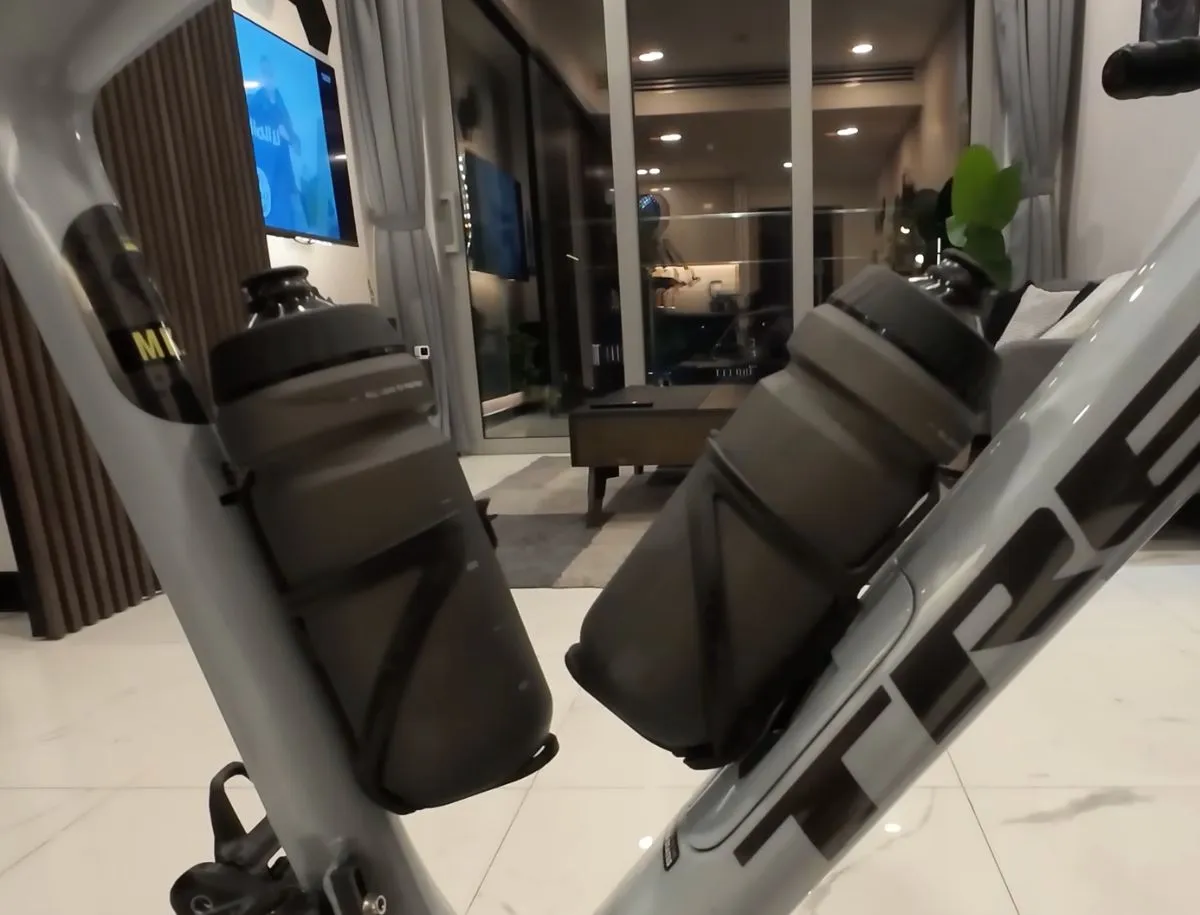
I now use Topeak 650ml Water Bottles paired with Topeak Ninja Cages. The bottle has an indent that locks into a lip on the cage. Once it's in, it's not going anywhere. That's the only feature that matters to me now. Get this right. It's a safety issue, not just convenience.
Tyre Pump: Go Electric
Manual pumps work. Electric pumps are just better.
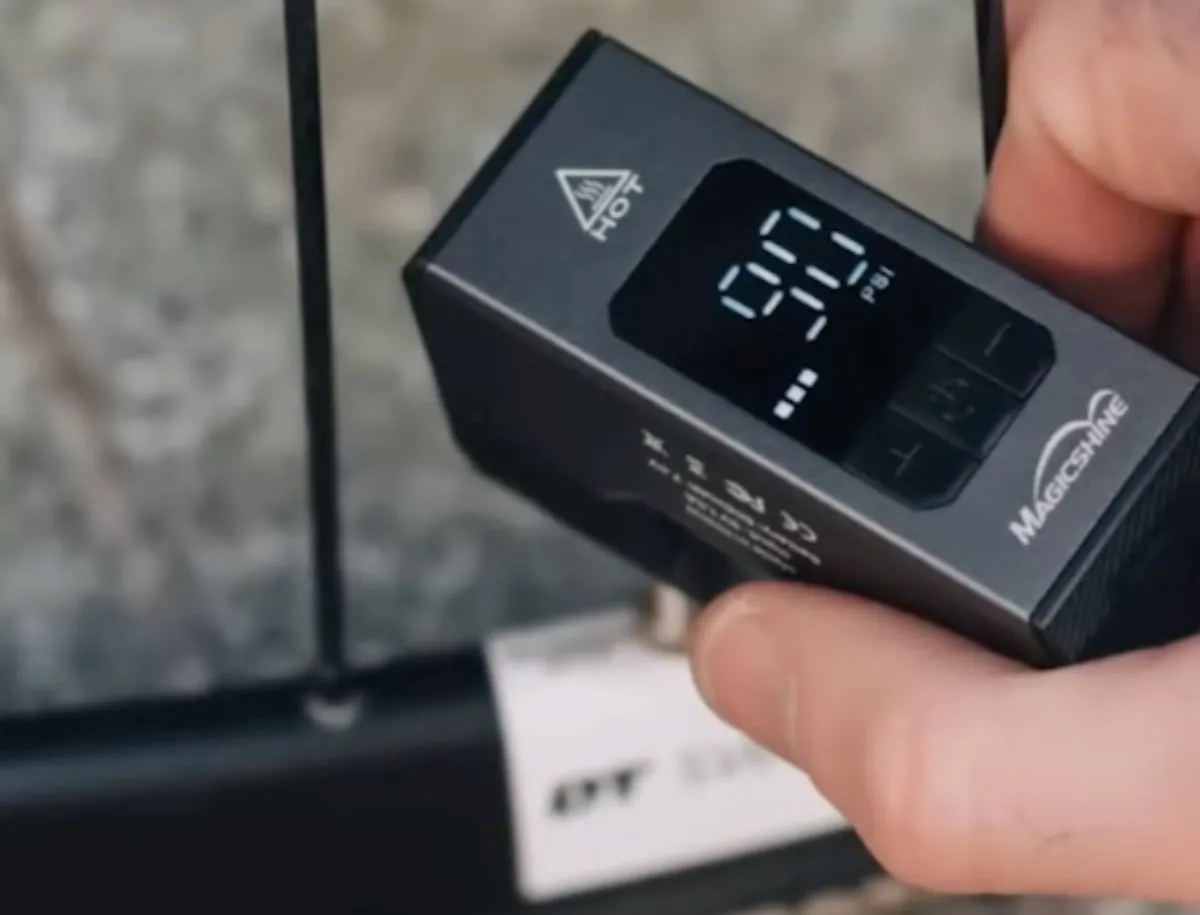
I use the Magicshine AIRRO Mini Tire Inflator. You plug it in, set your target PSI, and it stops automatically. No guessing. No workout before your workout. Tyre pressure directly affects comfort, speed, and puncture resistance, and getting it right consistently is easier with an electric pump.
Chain Lube: Just Use It
This is one of those items that's easy to skip and shouldn't be. A dry chain is noisy, wears out faster, and costs you efficiency. Wet lube, dry lube, or wax - pick one that suits your riding conditions and stick with it.
I use Finish Line Teflon Plus Dry Lube for dry conditions. It doesn't attract dust the way wet lube does, and I'm getting 150-200km between applications on average.
Gloves: Personal Preference, But Worth Considering
I don't always ride with gloves on shorter rides. But for anything over two hours, I reach for either the Giro Trixter full-finger gloves or the LAMEDA 2039 fingerless gloves.
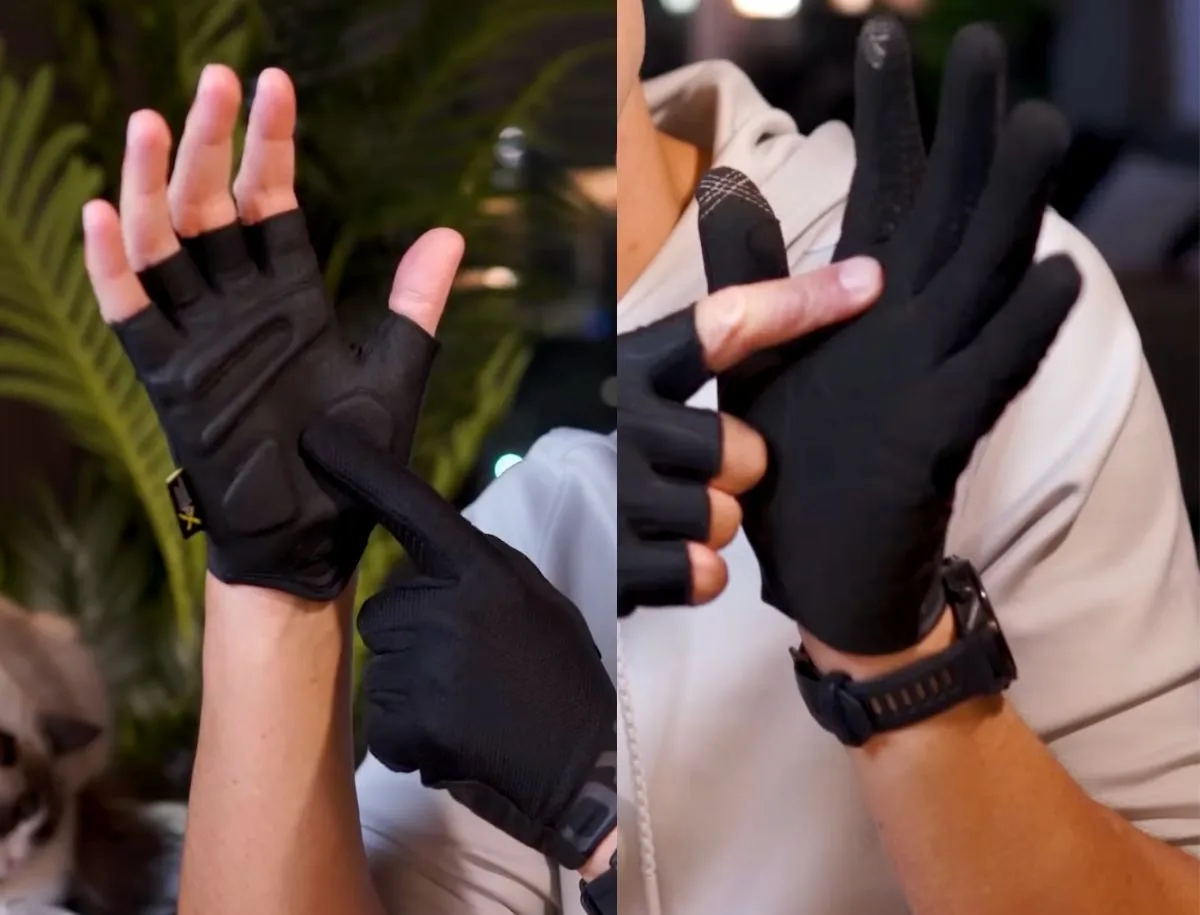
Both are thin enough to maintain feel for the handlebars, with good palm protection if you do go down. The LAMEDA gloves are slightly more comfortable overall and work with touchscreens. The Giro Trixters give you full finger coverage and slightly more protection in a crash.
Neither is a bad choice. It comes down to whether you prefer riding with your fingers in or out.
Sunglasses: Middle Ground Is Right
Sunglasses protect you from the sun, wind, debris, and insects. All of that matters when you're riding at speed.
I wouldn't go super cheap here. Lens quality and frame durability matter. But I also wouldn't go straight to $250 Oakleys as a beginner.
The LAMEDA LS350 Cycling Glasses are where I'd point most beginners. Photochromic lenses that adapt to changing light, a lightweight frame, adjustable nose pads, and memory-metal temples that stay put even when you're sweating. They feel noticeably more premium than the Rockbros photochromic glasses I also tested, which creak loudly when adjusted. For your eyes, don't go to the bottom of the barrel.
What You Don't Need Right Away
A few items I own that beginners can skip:
Carbon wheels: My Elitewheels ENT 2.0 upgrade was fantastic, and at $350, they're cheap for carbon. But this is a nice-to-have, not a starting point.
Upgraded tyres: The Pirelli P ZERO Race TLR tyres I switched to made a real difference in comfort and grip. But your stock tyres are fine for the first year.
Smart trainer: The JetBlack smart trainer, paired with Zwift, transformed my indoor training. But if you're just starting, focus on road riding first.
Bike stand: I have a Rockbros stand, and it wobbles more than I'd like. Propping your bike against a wall is genuinely fine.
Quick-Reference Gear Checklist
Here's the simple breakdown: what you need, what's optional, and what to skip for now.
Need from day one: Bike, helmet, pedals, bike lights, water bottle and cage, chain lube, tyre pump
Worth buying soon: Bib shorts ($40-80 range), jersey, cycling shoes, sunglasses
Nice to have: Cycling computer (essential if training for events), cycling gloves
Skip for now: Carbon wheels, smart trainer, upgraded tyres, premium bike computer
FAQ: Beginner Cycling Gear
How much should a beginner spend on cycling gear? A reasonable starter setup, including a decent second-hand or entry-level bike, helmet, lights, pedals, bib shorts, jersey, and shoes, can come in between $500 and $1,500. You don't need to spend more than that to enjoy cycling or even train for events.
Do beginners need clipless pedals? Not immediately. Flat pedals let you ride in regular shoes while you build confidence. Clipless pedals improve pedalling efficiency and are worth the switch once you're comfortable on the bike, but there's no rush.
Is a cycling computer necessary for beginners? Not for casual riding. If you're training for a specific event, like a triathlon or sportive, it becomes useful for tracking average speed and distance. A budget GPS computer like the iGPSPORT BSC100S does everything most beginners need at a fraction of the price of Garmin.
Do I need bib shorts or can I ride in regular shorts? For short rides, regular shorts are fine. For anything over an hour, the chamois padding in bib shorts makes a significant difference in comfort. It's one of the items worth spending $50-80 on from early on.
What's the difference between wet and dry chain lube? Dry lube is better for dry conditions as it doesn't attract dust and dirt. Wet lube is more durable in wet or muddy conditions. If you ride in mixed weather, you'll likely want both. Either way, lubing your chain regularly is more important than which type you use.
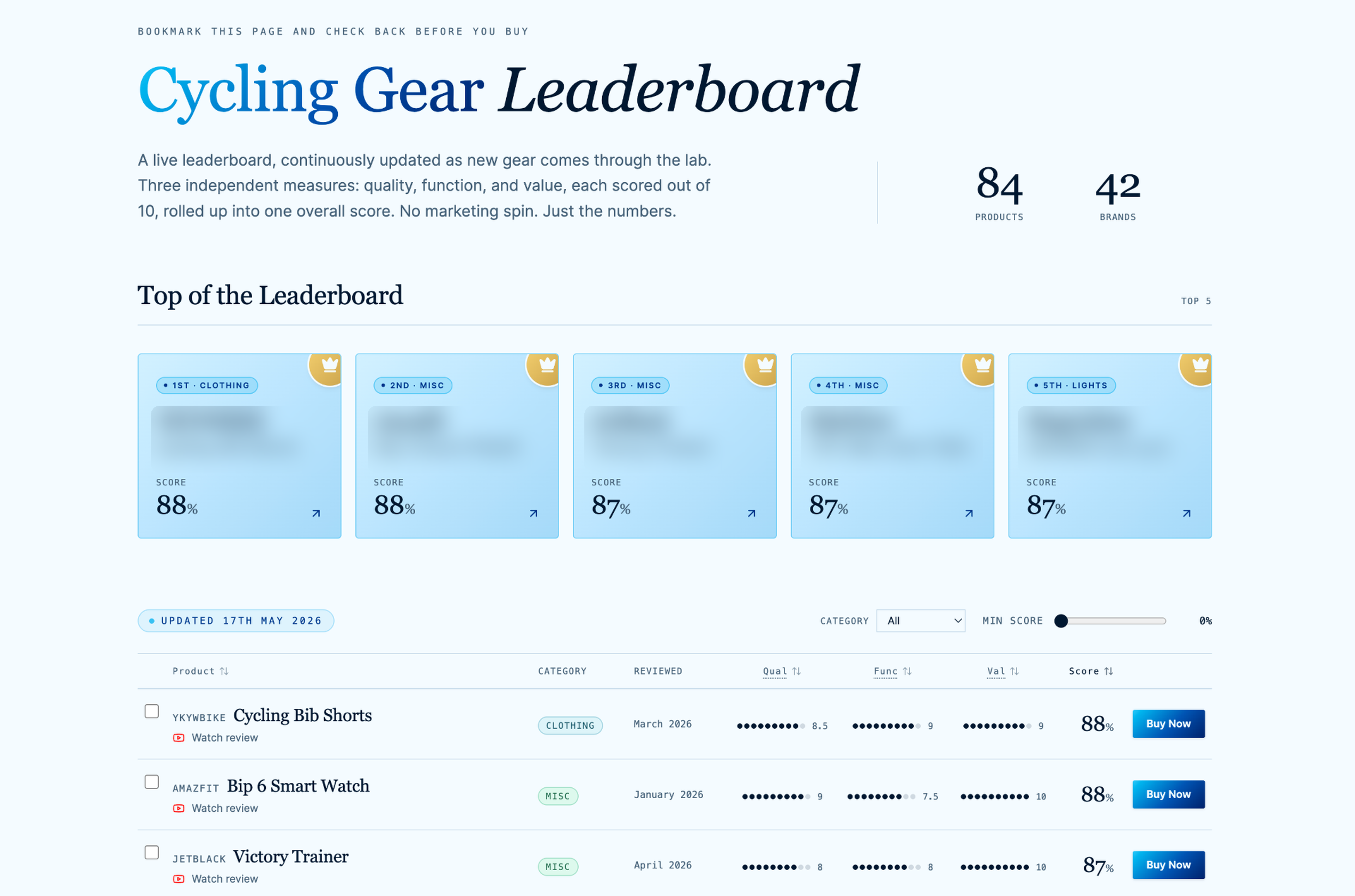
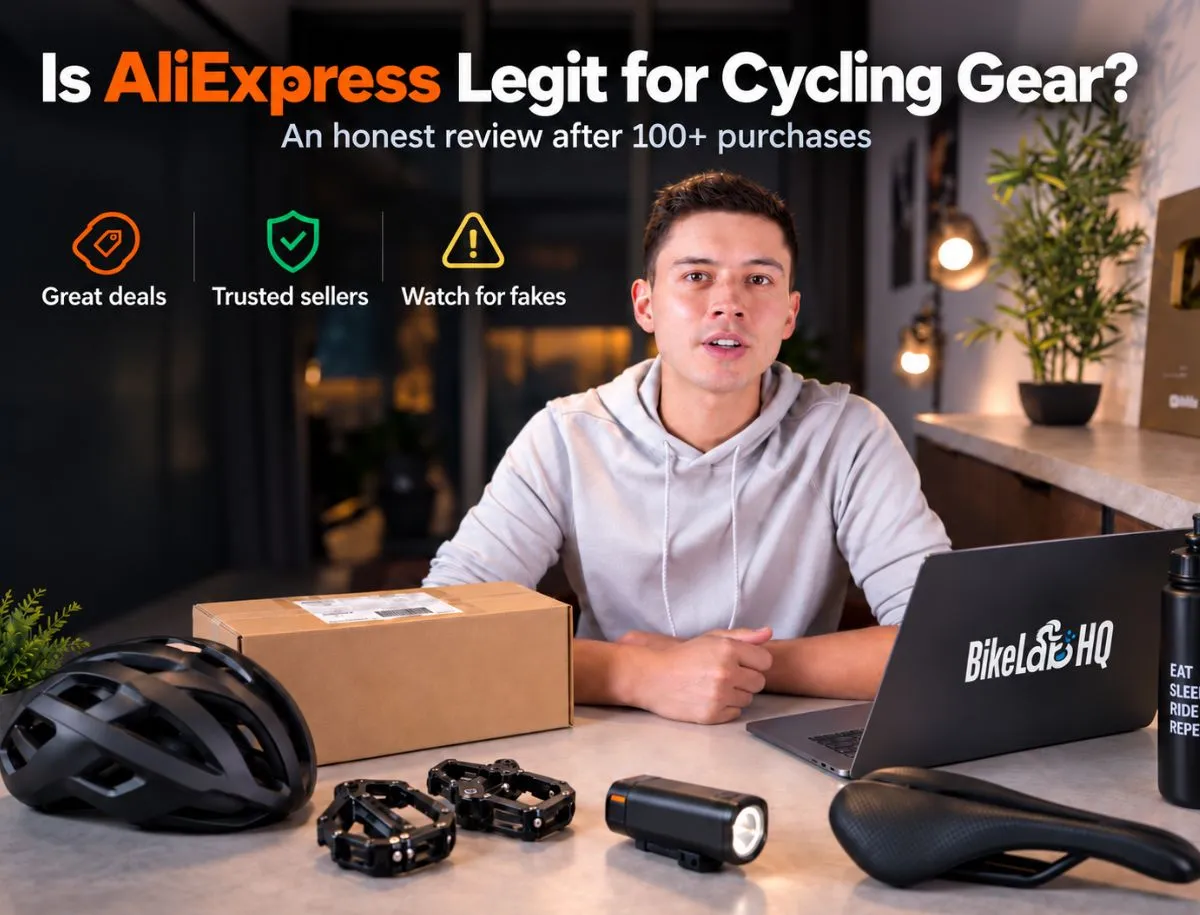
Are cheap AliExpress cycling products worth buying? Some are excellent value, some aren't. I've reviewed over 100 accessories and built the BikeLabHQ AliExpress Cycling Gear Leaderboard to make this easier. Bike lights, cycling computers, and apparel from brands like Magicshine, iGPSPORT, SOUKE, and LAMEDA are genuinely good. Generic no-brand accessories are more hit and miss. Check the leaderboard here.
Watch Before You Buy
You can watch the full review of The Complete Beginner Cycling Gear Guide: 17 Things You ACTUALLY Need. Check it out here.

Review by Mike Dee
I test road bikes, carbon wheels, and cycling gear with quantifiable lab tests and real riding. No marketing spin, just the data - so you don't have to spend hours researching or wasting money on the wrong gear.