



Magicshine vs Trek Bike Lights: Why a $30 AliExpress Light Beats a $140 Trek
When I bought my Trek Domane SL5, I did what any new Trek owner would do. I headed straight to Trek's website to kit it out with matching lights.
What I found genuinely surprised me. Not in a good way.
Trek's top-of-the-line front light, the Ion Pro RT, was launched in 2018. Seven years later, it still sits on their website at full price: $140. Their second option, the Commuter Pro RT, came out in 2022. Better, but still $130 to $140 for a product that's been sitting still while the rest of the market has moved on.
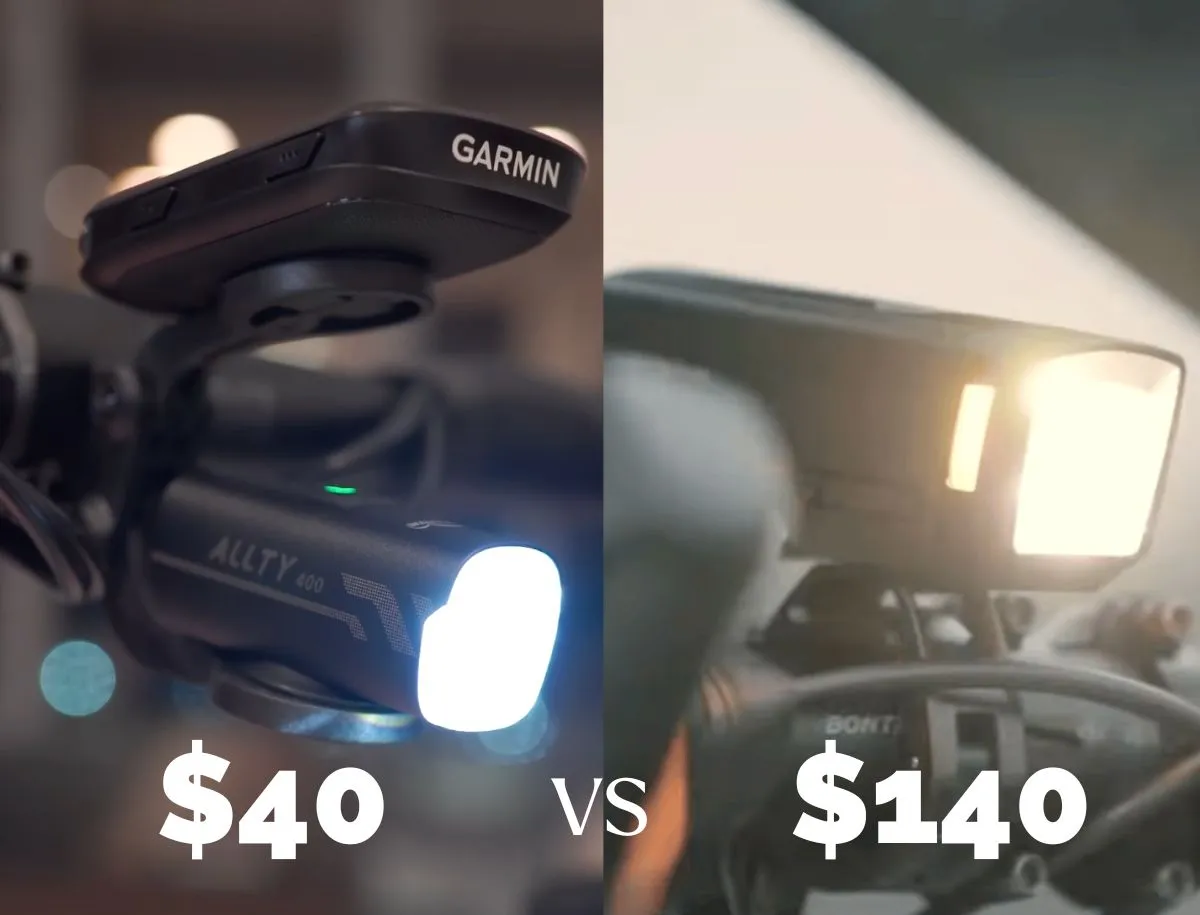
I ended up doing a few hours of Reddit research, bought a set of Magicshine lights from AliExpress with my own money, and have been using them ever since. The gap in performance is not closing.
This is my honest breakdown of Magicshine vs Trek bike lights, covering the front and rear options, every spec that matters, and whether the price difference makes any sense.
The Trek Lineup: What You're Actually Paying For
Trek's premium front light options are the Ion Pro RT (1300 lumens, $140) and the Commuter Pro RT (1000 lumens, $130). The Commuter is notable for one reason: it has a cutoff beam pattern like a car headlight, designed to avoid blinding oncoming riders in urban environments. That's a genuinely useful feature for road cycling in the city.
The Ion Pro RT has a wider traditional beam, better suited to off-road trails.
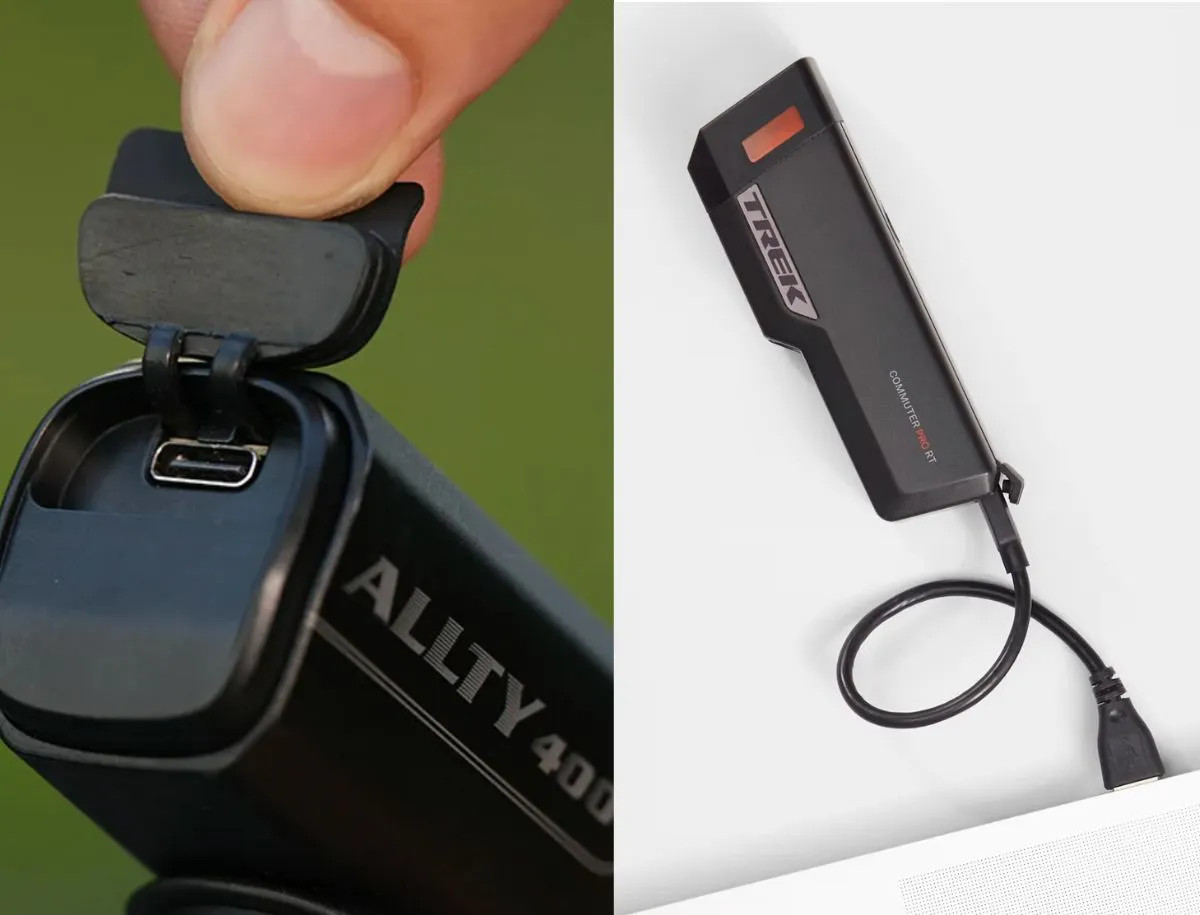
Both lights use Micro-USB charging. The Ion Pro RT takes 7 hours to charge from flat. In 2025, that is not acceptable for any rechargeable device, let alone one that costs $140.
Trek's best rear light, the Flare RT, sells for $65. It's IPX7 waterproof, weighs 40 grams, and maxes out at 90 lumens. In steady mode, Trek's own website lists it at just 25 lumens.
To be fair to Trek, they make exceptional bikes. I own a Domane SL5 and a Marlin 5, and I have nothing but praise for both. But accessories are clearly not where they're investing right now, and these lights are the evidence.
The Magicshine Contenders: What $40 Actually Gets You
Magicshine ALLTY 400 v2: The Everyday Road Light
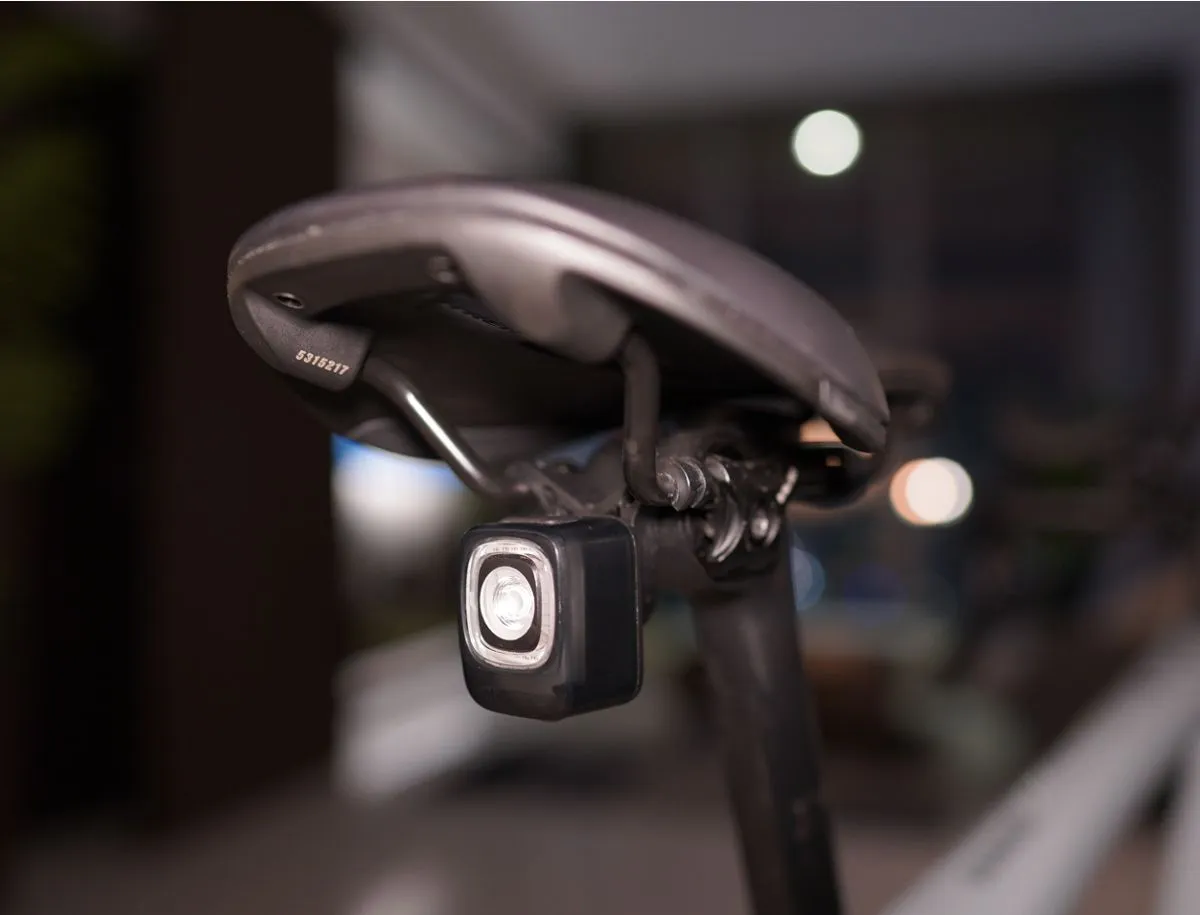
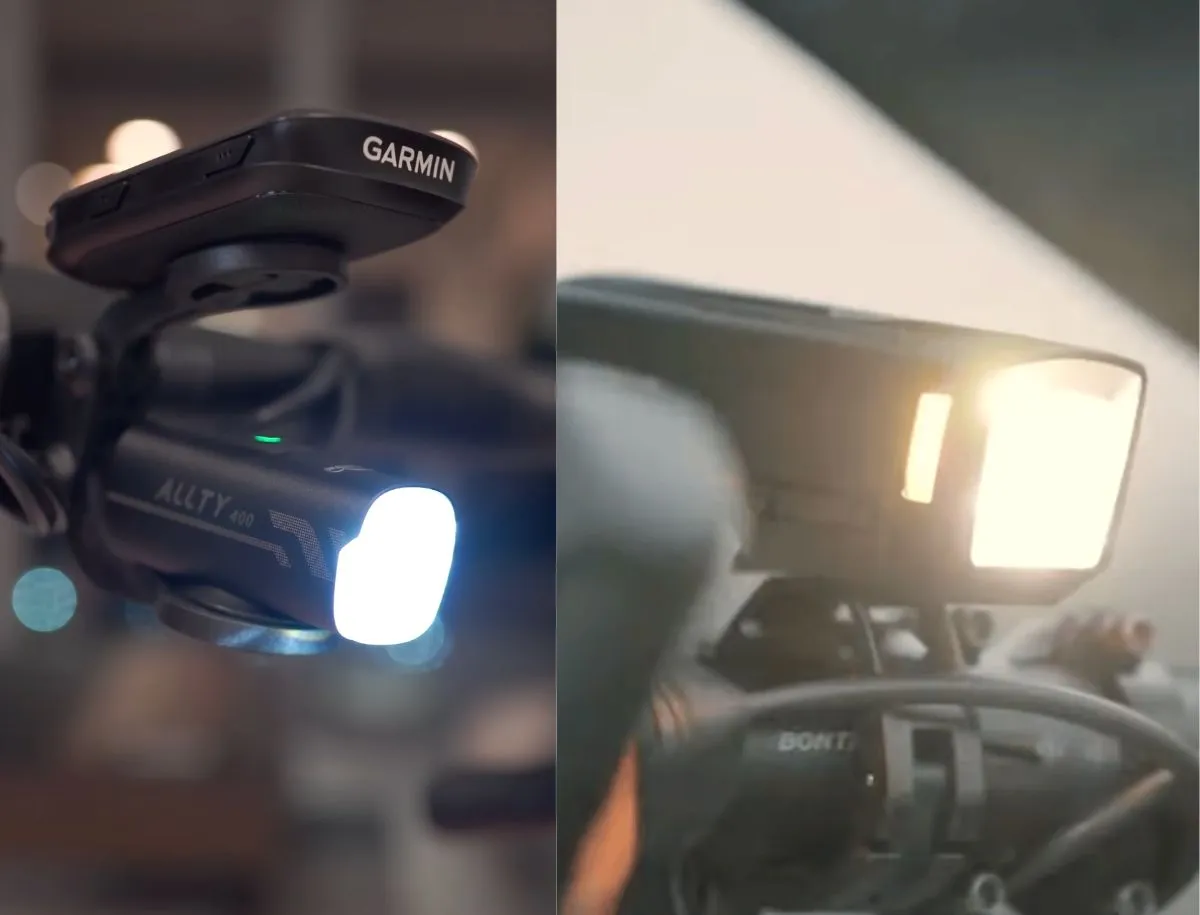
The ALLTY 400 v2 is the light I ride every day on my Domane. I paid around $40 for it on AliExpress.
Here's what makes it stand out for urban road cycling:
Beam pattern. Magicshine calls it a GEN II anti-glare lens. What that means in practice is the light throws illumination on the road in front of you rather than in the eyes of oncoming cyclists and drivers. This is the same concept Trek uses to justify the $140 price tag on the Commuter Pro RT. Magicshine has it on a $40 light.
Battery life. The v2 improved dramatically over the original, going from 7 hours to over 10 hours in flash mode. For most urban rides, you're charging this thing once a week at most.
Build. Aluminium housing. IPX7 waterproof rating (submersion to one meter). Garmin-style quarter-turn mount that has not moved once through rough gravel sections. The LED indicator on the button cycles through green (30 to 100%), red (10 to 30%), and flashing red (under 10%) so you always know where your battery stands.
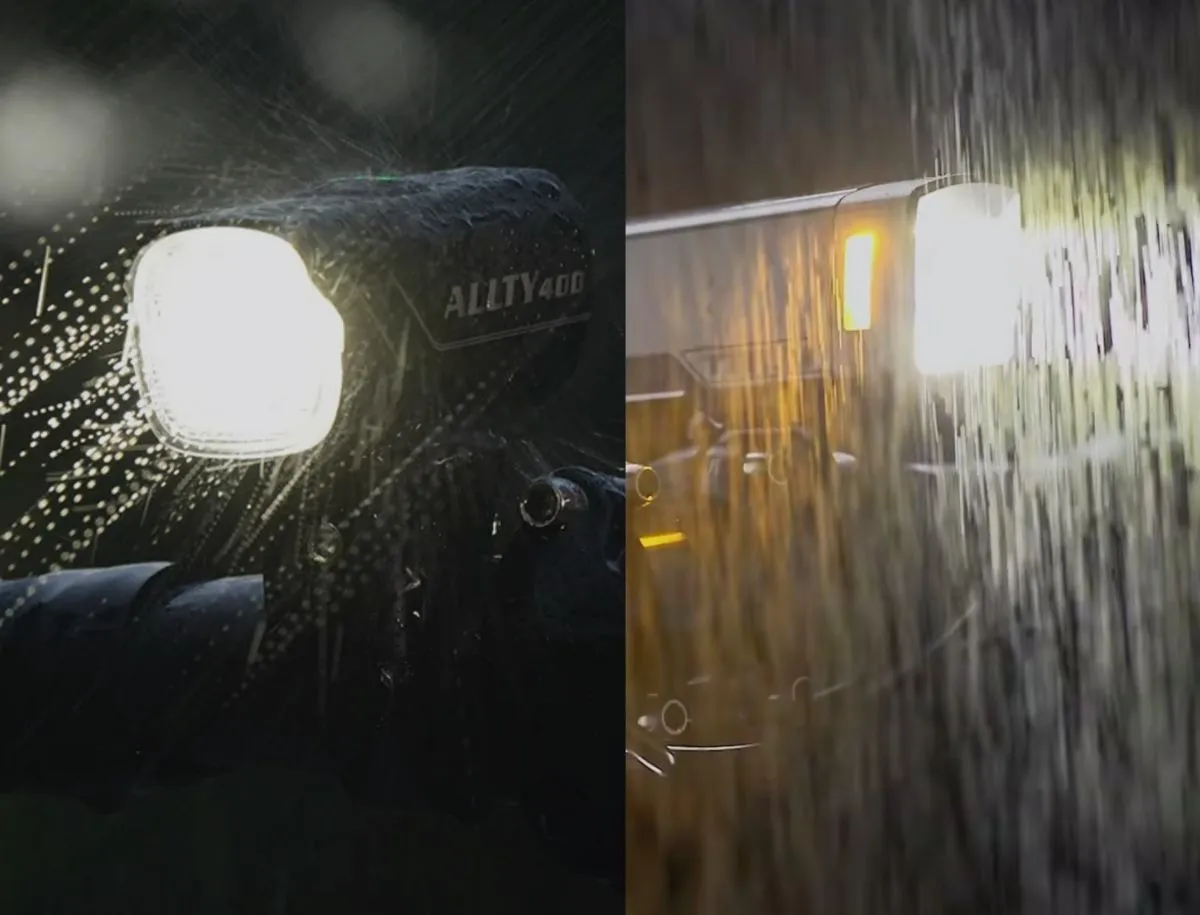
Charging. USB-C. Takes around two hours from flat to full.
400 lumens is the right amount for city riding where there are streetlights. If you tour outside lit areas, I also have the ALLTY 800 v2 (the same light with double the output) and the ALLTY 1200U, which is what I run on my Trek Marlin 5 for trail riding.
The Trek wins exactly one category: raw lumens. 1300 vs 1200. In real-world riding, that 100-lumen difference is completely invisible.
Everything else goes to the Magicshine. Better waterproofing. Longer battery life. Faster charging. Lighter. USB-C. App support. A handlebar remote so you don't have to fumble under your computer to change modes mid-ride.
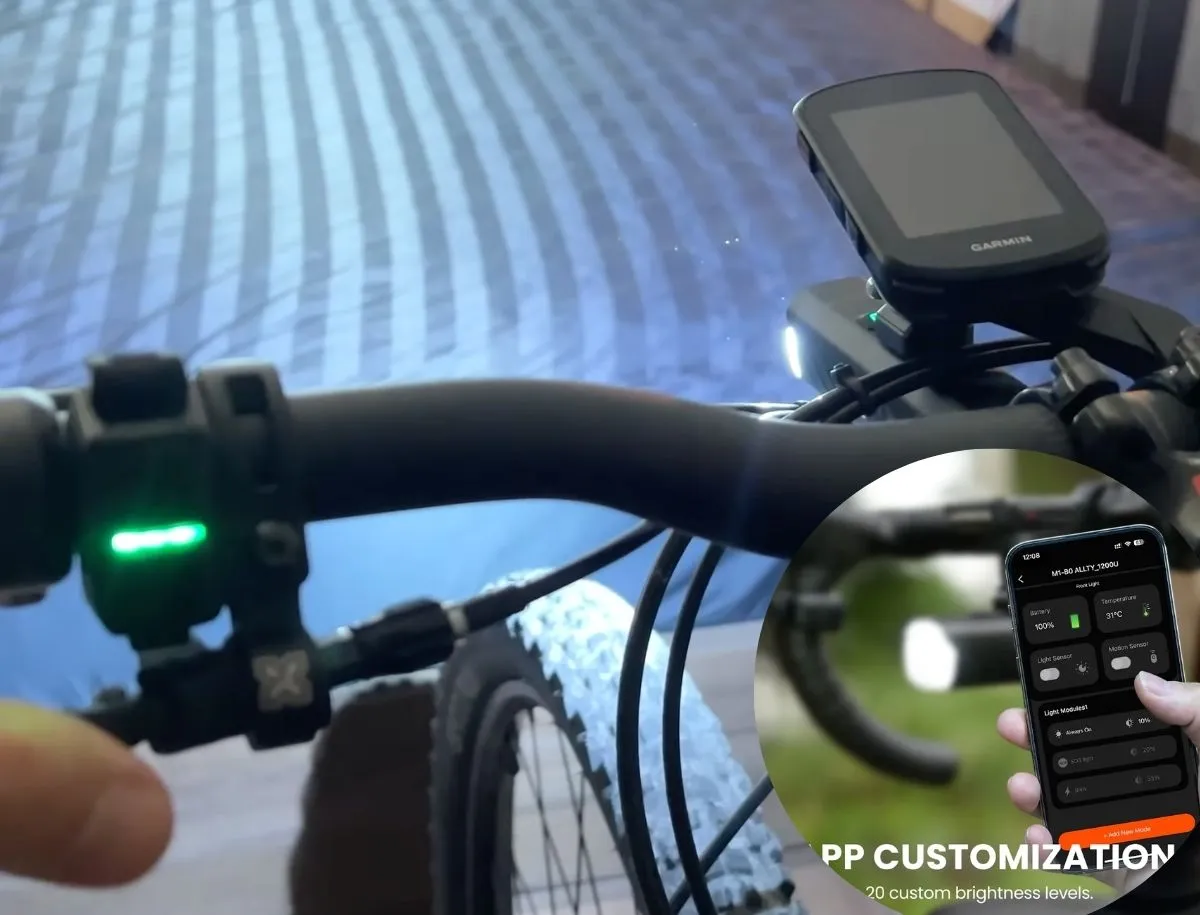
The ALLTY 1200U is available directly from Magicshine's website and on AliExpress. The AliExpress price is typically lower, though shipping times vary. I've used both and had good experiences either way.
Magicshine SEEMEE 200 v3: The Rear Light That Shames the Flare RT
The rear light story is even more one-sided.
Trek's Flare RT costs $65 and tops out at 90 lumens (or 25 lumens in steady mode). It has IPX7 waterproofing and Micro-USB charging.
The Magicshine SEEMEE 200 v3 costs $45 and does almost everything better.
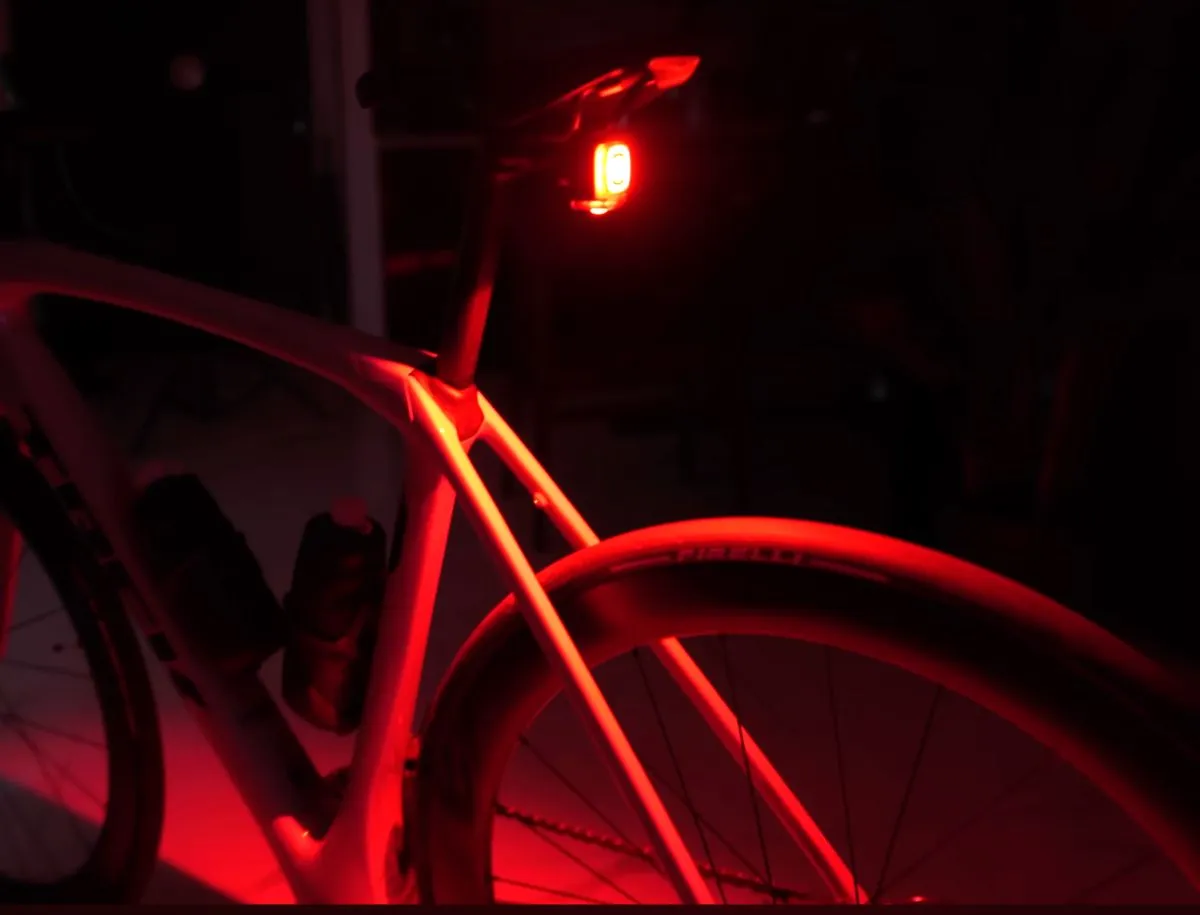
Dual light design. This is the feature that separates the SEEMEE from almost everything else in its price range. There are two light sources: one facing rearward and one pointing downward. The downward light projects a 360-degree arc of red onto the road surface and onto the rear of your bike. At night, you're visible from angles that a standard rear light just can't cover. It sounds gimmicky until you see it in action. It's not gimmicky.
Auto-brightness. A built-in ambient light sensor reads your environment and adjusts output automatically. You don't have to think about it.
Brake sensor. An accelerometer detects when you decelerate and jumps to maximum output. Car drivers behind you get a brake light signal. This is a feature you'd expect on a $100 light, not a $45 one.
Low battery mode. When you hit 10% remaining, the light drops automatically to ECO mode to stretch the battery and get you home. Trek's Flare RT has no equivalent.
Battery life. Up to 132 hours in ECO group ride mode. Trek's Flare RT maxes out at 12 hours. These are not comparable products.
Charging. USB-C, 1.5-hour full charge. Trek: Micro-USB, 2-hour charge.
The one area where Trek's Flare RT wins is waterproof rating: IPX7 vs IPX6 on the SEEMEE. If you regularly submerge your seatpost in water, this matters. For almost all real-world riding, IPX6 is more than enough.
Both lights weigh 40 grams and are similarly compact. That's where the similarity ends.
Why Trek's Bike Lights Lag Behind
This is worth addressing directly, because it's not that Trek makes bad products.
Electronics have changed a lot in seven years. USB-C is now the standard. Waterproofing standards have improved. Smart sensors, app integration, and brake light technology are no longer premium features. They're table stakes.
Trek is a bike company first. They design world-class frames, components, and drivetrains. Accessories like lights are not their core business. Supply chain pressures, rising material costs, and the complexity of managing a global product line all make it harder to invest in iterating every product category. That context is real.
But when a $30 AliExpress light clears USB-C, anti-glare optics, 10-plus hours of battery, and IPX7 waterproofing, selling a 7-year-old product at $140 with Micro-USB becomes very hard to justify to a rider who does five minutes of research.
The risk for Trek is the buyer who doesn't do that research. Someone walking into a Trek dealer, buying the $140 Ion Pro RT on brand trust, and never knowing that a $30 or $80 alternative does more in almost every category.
Which Magicshine Lights Should You Buy?
Here's how I'd match the Magicshine lineup to different riders.
Urban road cycling with streetlights (your situation if you ride a road bike in the city): ALLTY 400 v2 up front, SEEMEE 200 v3 on the rear. Total cost: around $75. Both on Garmin-style mounts. Both USB-C. Both genuinely smart lights.
Road cycling with unlit stretches or touring: Move up to the ALLTY 800 v2 for more range without giving up the anti-glare lens. Same rear setup.
Mountain biking or trail riding: ALLTY 1200U up front. The handlebar remote is worth it when you're on rough terrain and don't want to take a hand off to fumble with a button. The app lets you configure power-on brightness and sync front and rear lights to activate simultaneously if you pair it with an app-compatible Magicshine rear light.
All of these are available on AliExpress and directly from Magicshine's website. Affiliate links are in the description of the YouTube video this article is based on.
What the Top Review Sites Get Right (and Miss)
Sites like Switchback Travel and Cycling Weekly do thorough testing and their recommendations are solid. They consistently rank Magicshine highly, and the SEEMEE 200 and SEEMEE 300 appear on multiple "best rear bike light" lists as of 2025 and 2026.
What most roundups don't address is the Trek comparison specifically. They test lights in isolation. The value case for switching from a brand-name bike manufacturer's accessories to Magicshine is rarely made explicitly.
That's the gap this article is trying to fill.
The Bottom Line
If you buy a Trek bike and head to their website for lights, you'll pay $140 for a front light that launched during the Obama administration and takes 7 hours to charge via Micro-USB.
Or you can spend 20 minutes on AliExpress, spend $75 total on a Magicshine front and rear combo, and get better battery life, faster charging, smarter sensors, a brake light function, dual rear illumination, and anti-glare optics.
I wanted to buy Trek lights. I love Trek as a company. But the numbers don't lie, and neither does the spec sheet.

Review by Mike Dee
I test road bikes, carbon wheels, and cycling gear with quantifiable lab tests and real riding. No marketing spin, just the data - so you don't have to spend hours researching or wasting money on the wrong gear.