



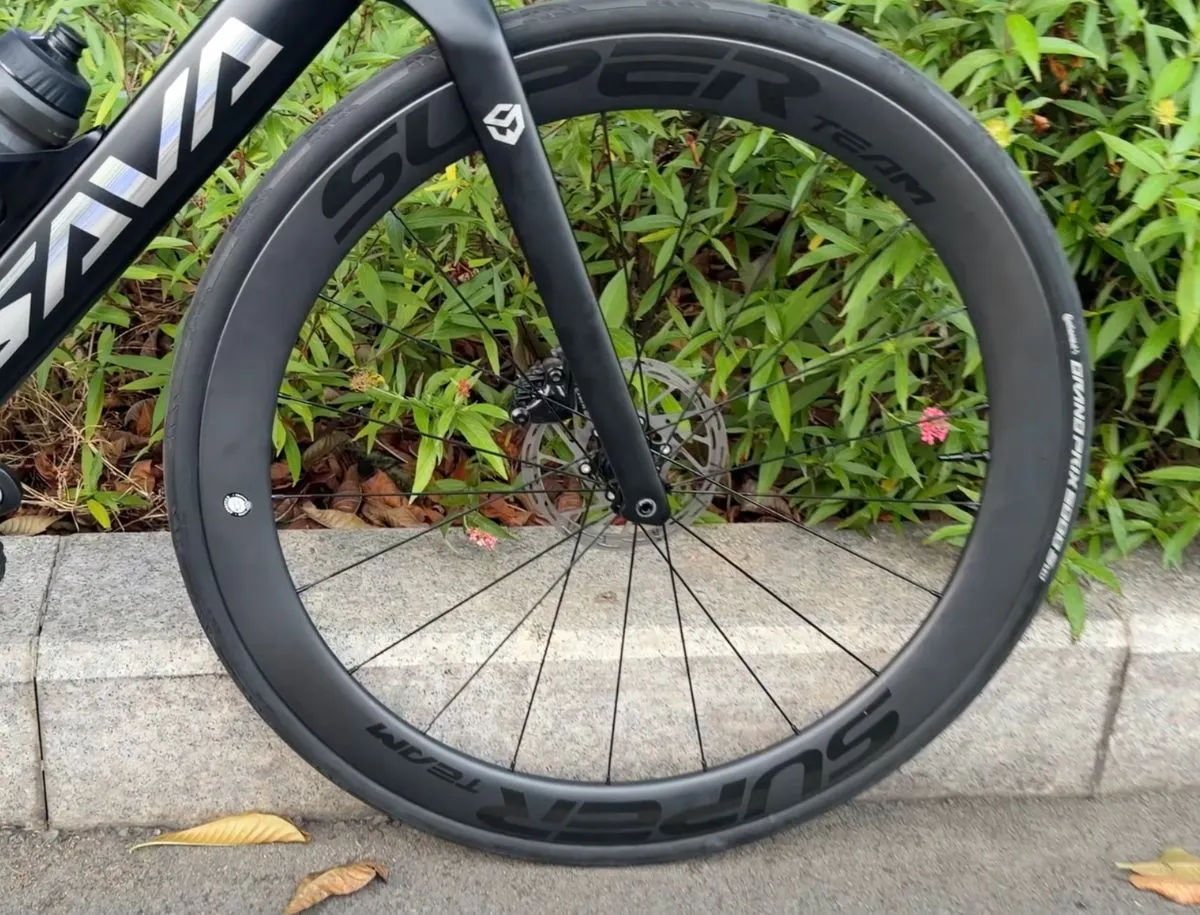
Elitewheels ENT 2.0 vs Superteam Classic Pro: The Best $300 Carbon Wheels Tested
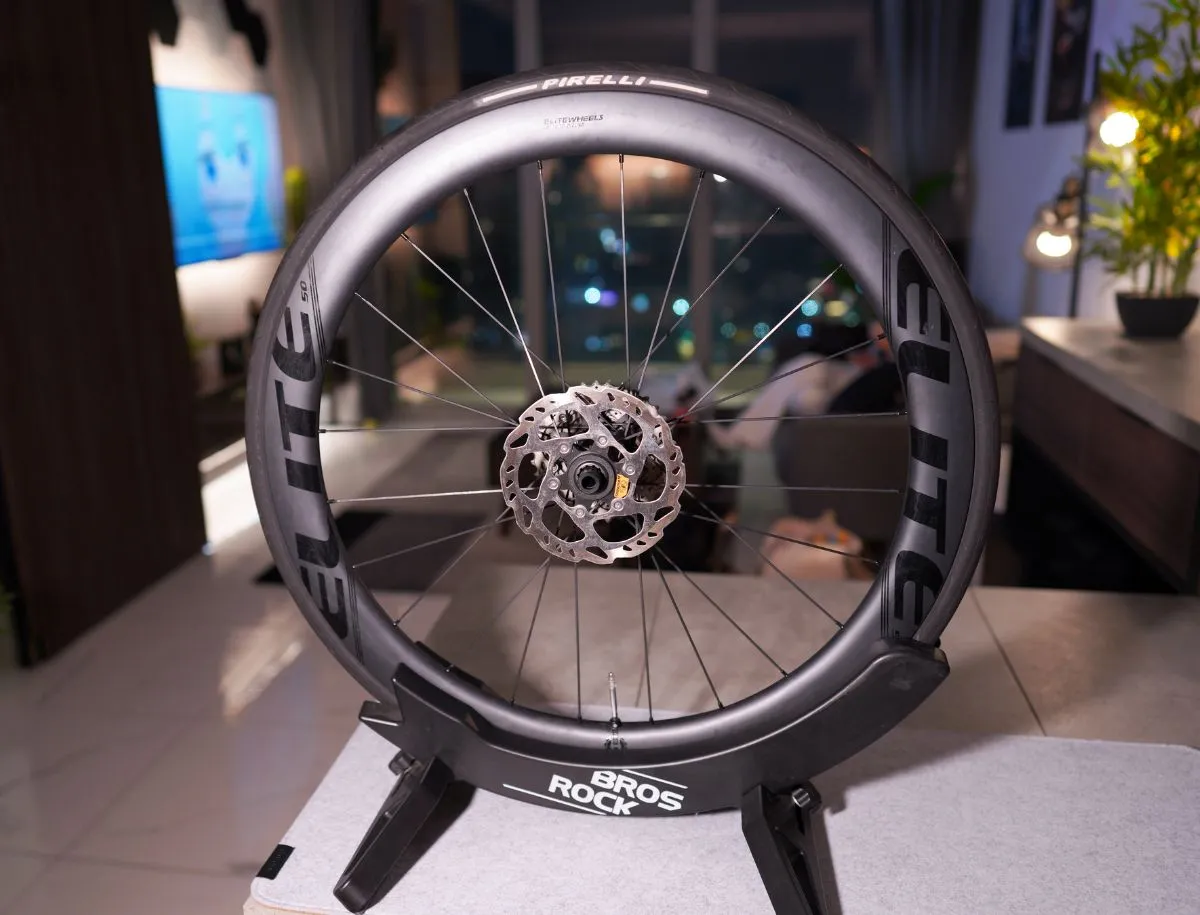
I bought the Elitewheels ENT 2.0 for $315 and the Superteam Classic Pro for $251. Both from their official AliExpress stores. Both out of my own pocket.
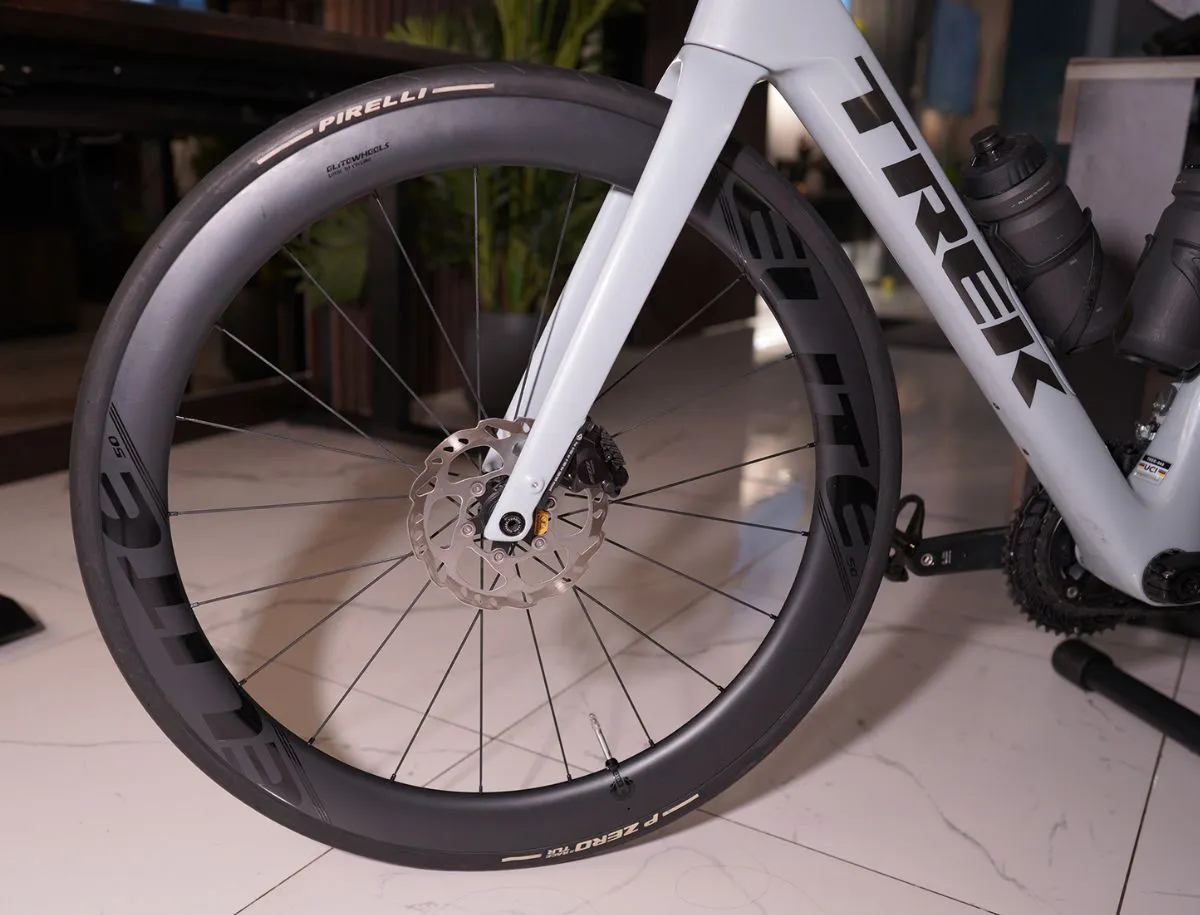
These are two of the best-selling carbon wheelsets at the $300 price point right now, and the question I get asked more than almost any other is: which one is actually better? I've been riding the ENT 2.0 for almost two years and have put over 7,000 kilometres on it. The Classic Pro I bought more recently has around 500 kilometres on it so far. I've run both through the same standardised testing process I use for every wheelset: spoke-tension measurement, endoscope carbon-fibre inspection, physical weighing against claimed specs, and real-world riding on Saigon roads with the same Continental GP 5000 S TR 28mm tyres fitted to both.
Here's what I found across 11 criteria, ranked from least to most important.
11. Price
The ENT 2.0 in 50mm sits at around $350 on the official Elitewheels AliExpress store. I paid $315 after using a discount code almost two years ago. The Classic Pro is $284 on the official Superteam store. I paid $251.15 after a discount code, though I also paid around $50 in customs, which brought my actual out-of-pocket cost to $300.
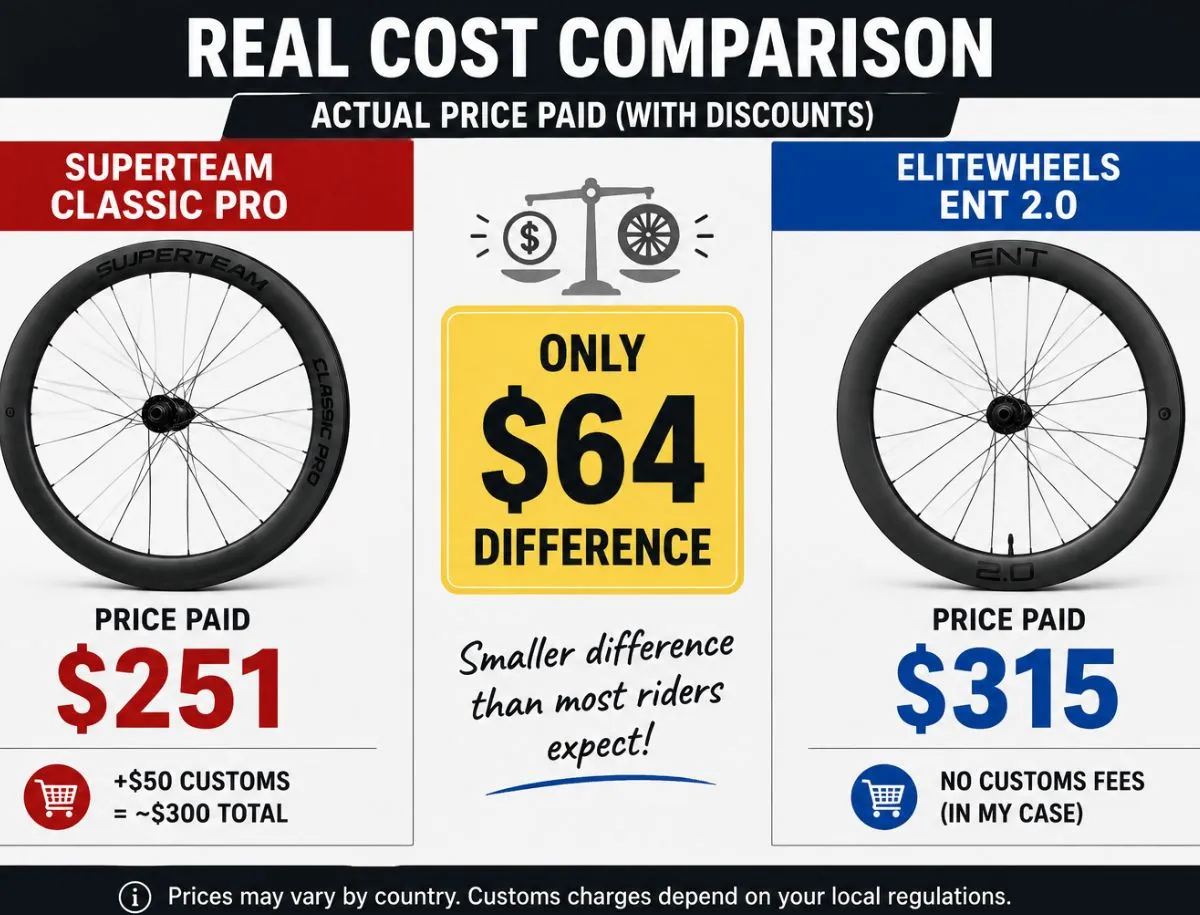
So in practice, these are within $15 of each other for most buyers. That gap is narrow enough that price alone should not be driving your decision. Customs charges vary by country, so your final cost will depend on where you're ordering from.
Winner: Superteam Classic Pro on raw price. Draw in practice.
10. Aesthetics
Both come in matte black. Both look the part on a road bike.
The ENT 2.0 has clean, minimal branding - nothing loud, nothing that dates quickly. The Classic Pro is also fairly understated: gloss black logo on a matte black rim. Inoffensive, clean-looking.
There is one issue with the Classic Pro, though. Mine arrived with warning safety stickers on both sides of each rim - four in total - and separate UCI-approved stickers on both sides as well. Another four. The safety stickers came off without much effort. The UCI stickers did not come off cleanly, and I eventually gave up. So my Classic Pro wheels currently have four white stickers on an otherwise all-black rim. It is the first time I have seen this on any of the 15 wheelsets I have reviewed over the last 12 months.
Winner: ENT 2.0.
9. Rim Width and Tyre Compatibility
Both the ENT 2.0 and the Classic Pro have an internal rim width of 21mm. The ENT 2.0's outer width is 30mm; the Classic Pro's is 28mm.
A wider internal rim lets the tyre sit in a more natural, rounded profile rather than being pinched at the base, which reduces rolling resistance and improves cornering confidence. More premium wheelsets are pushing toward 23mm or 25mm internal widths. At 21mm, both of these are on the narrower end - that is a trade-off you accept at this price point.
Both are rated for 28mm to 35mm tyres. I tested both with the Continental GP 5000 S TR 28mm with no issues.
Winner: Draw.
8. Carbon Fibre Quality
For every wheelset I review, I use an endoscope to look inside the rim through the valve hole. I am looking for consistency and cleanliness: voids, air bubbles, rough patches, and visible delamination. These are signals that manufacturing quality control was not controlled as it should be. Under sustained stress, they can develop into structural weak points over time.
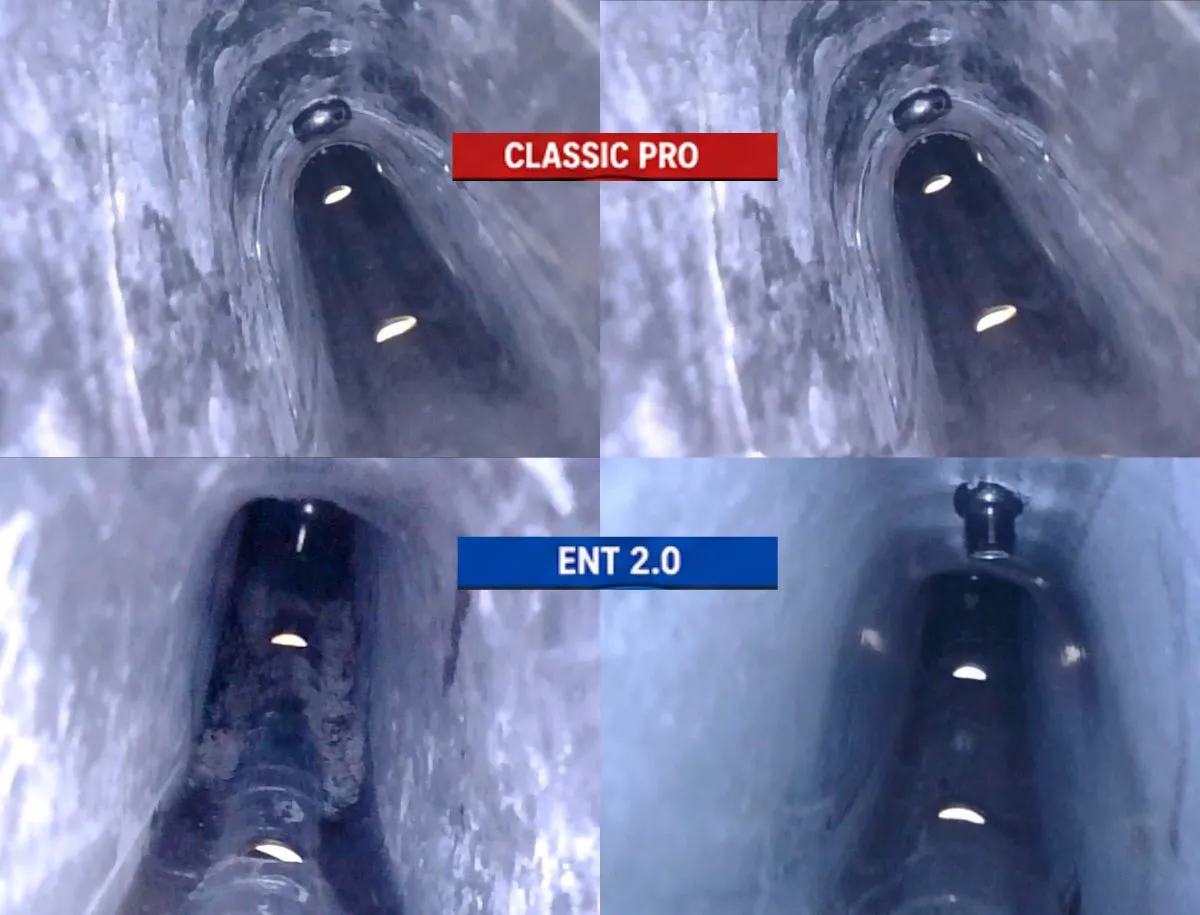
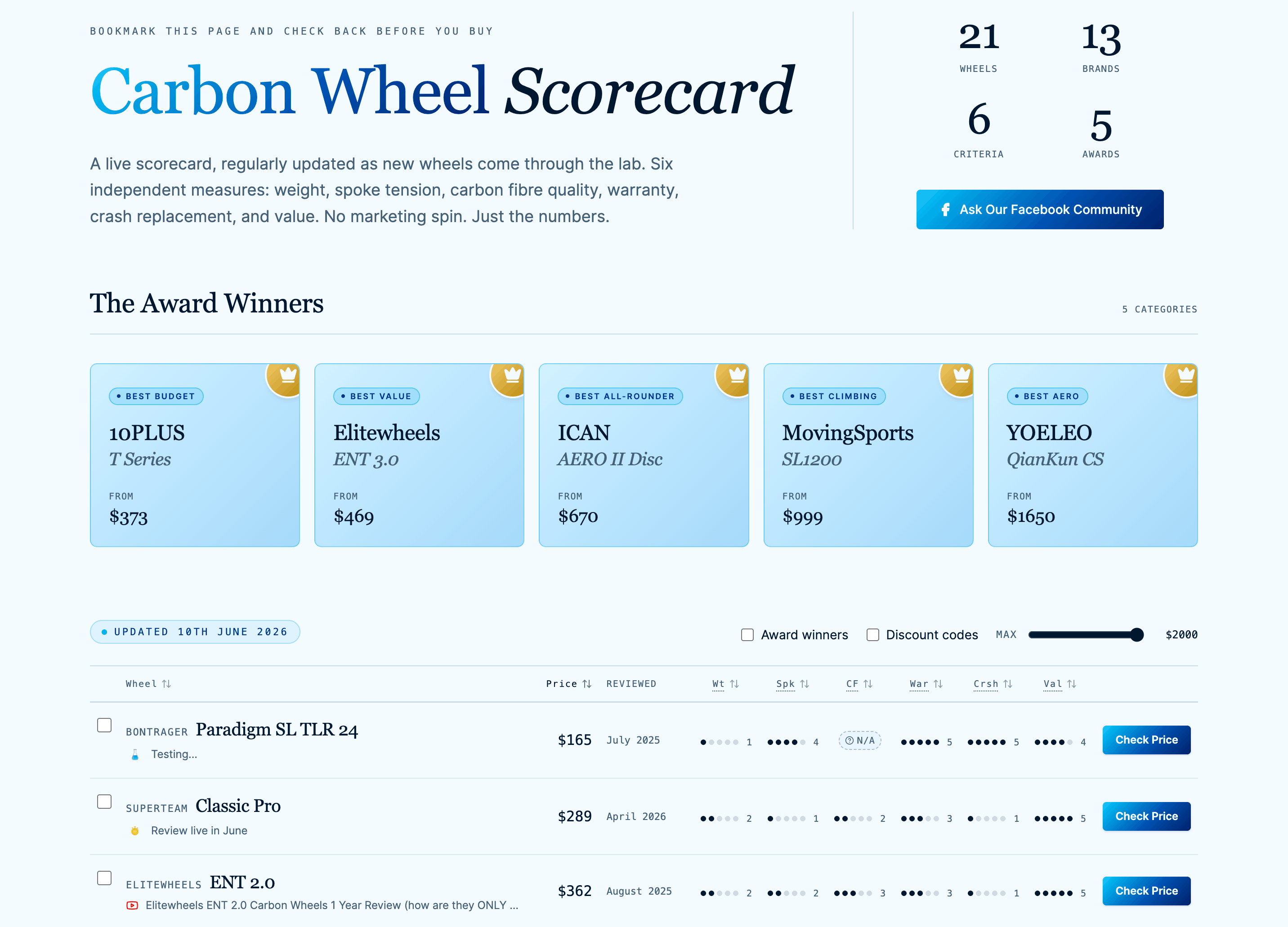
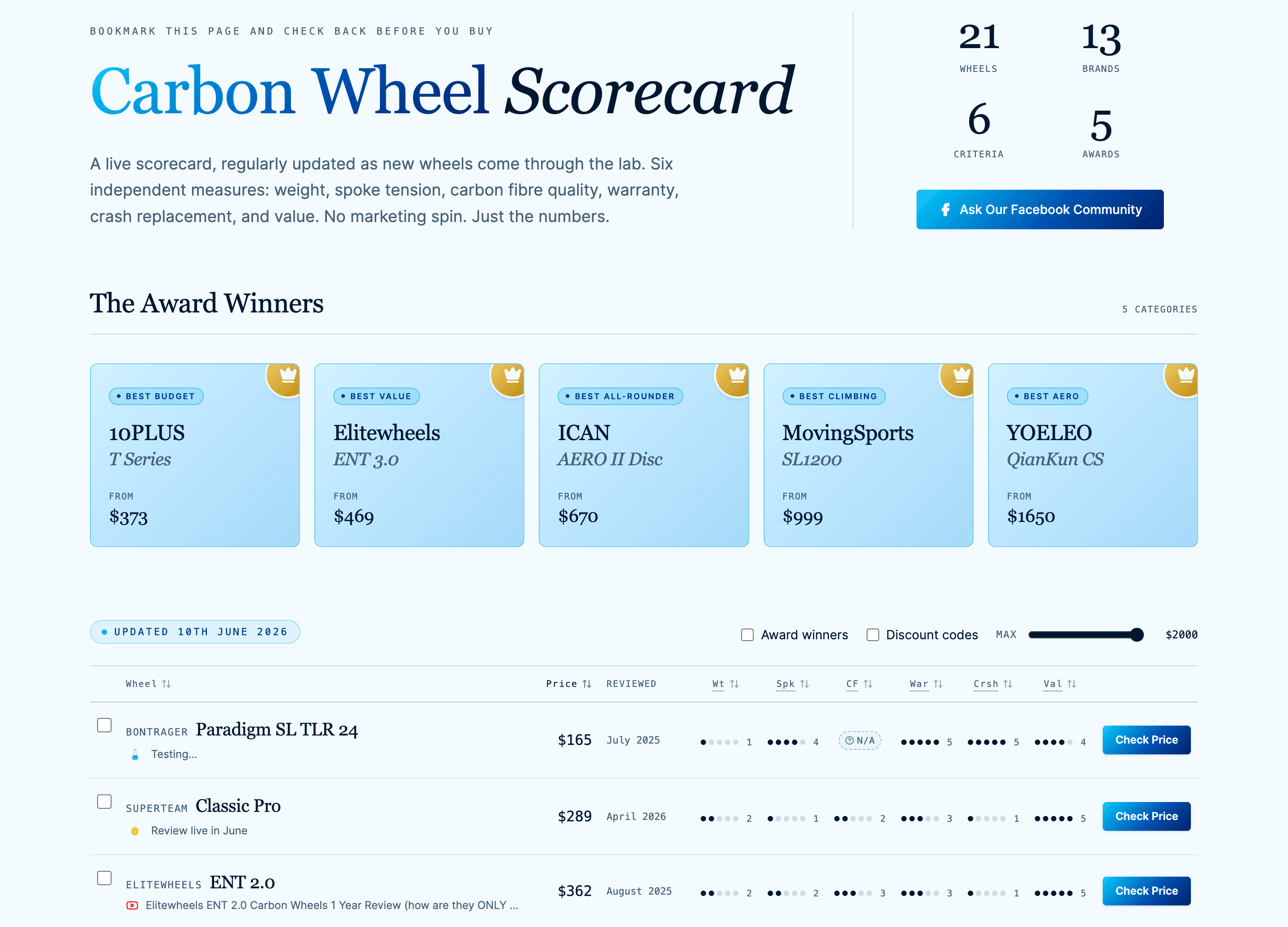
On the ENT 2.0, the internal carbon is clean. Consistent layup, no significant voids, no delamination. Not perfect, but it is a solid result for a $315 wheelset. I gave it 3 out of 5 on the Carbon Wheel Scorecard.
On the Classic Pro, the endoscope footage shows a noticeably rougher internal finish in places. The layup is intact, but there are visible inconsistencies. Nothing that makes these wheels unsafe to ride, but the layup is clearly less controlled than the ENT 2.0. The Classic Pro scores 2 out of 5.
One additional issue worth flagging: the Classic Pro's AliExpress listing states Toray T800 carbon in the main description, and T700 in the spec table on the same page. T800 is approximately 28% stiffer than T700, which affects responsiveness under hard accelerations. Which grade is actually in these wheels? Superteam's own listing does not make it clear.
Winner: ENT 2.0.
7. Warranty and Crash Replacement
The Classic Pro has a two-year warranty. Industry standard is around three years, so it is slightly below average.
The ENT 2.0 has Elitewheels' 1,000-day warranty, which works out to roughly two years and nine months. Still below the three-year standard, but meaningfully ahead of two years. In my own experience, Elitewheels customer service is easy to deal with - when I tried to apply a
discount code after placing an order, they offered to cancel and reorder without friction.
Neither wheelset has a formal crash replacement policy. For context, Trek Bontrager offers outright free replacement - that is why I score them a 5 on the crash replacement category. MovingSports offer 70% off a replacement pair, earning a 4. For wheels at $300, no crash replacement is normal. Most carbon wheels under $500 do not offer it.
Winner: ENT 2.0 on warranty. Draw on crash replacement.
6. Hub Design and Engagement
The Classic Pro uses the CX40 hub with a 6-pawl freehub design. Six pawls spread the load across more contact points than a standard 3-pawl design, which holds up better under repeated hard accelerations over time. Compatible with Shimano 8 through 12 speed and SRAM XDR 12 speed. No Campagnolo. Disc only, with both centre lock and 6-bolt rotor mounting.
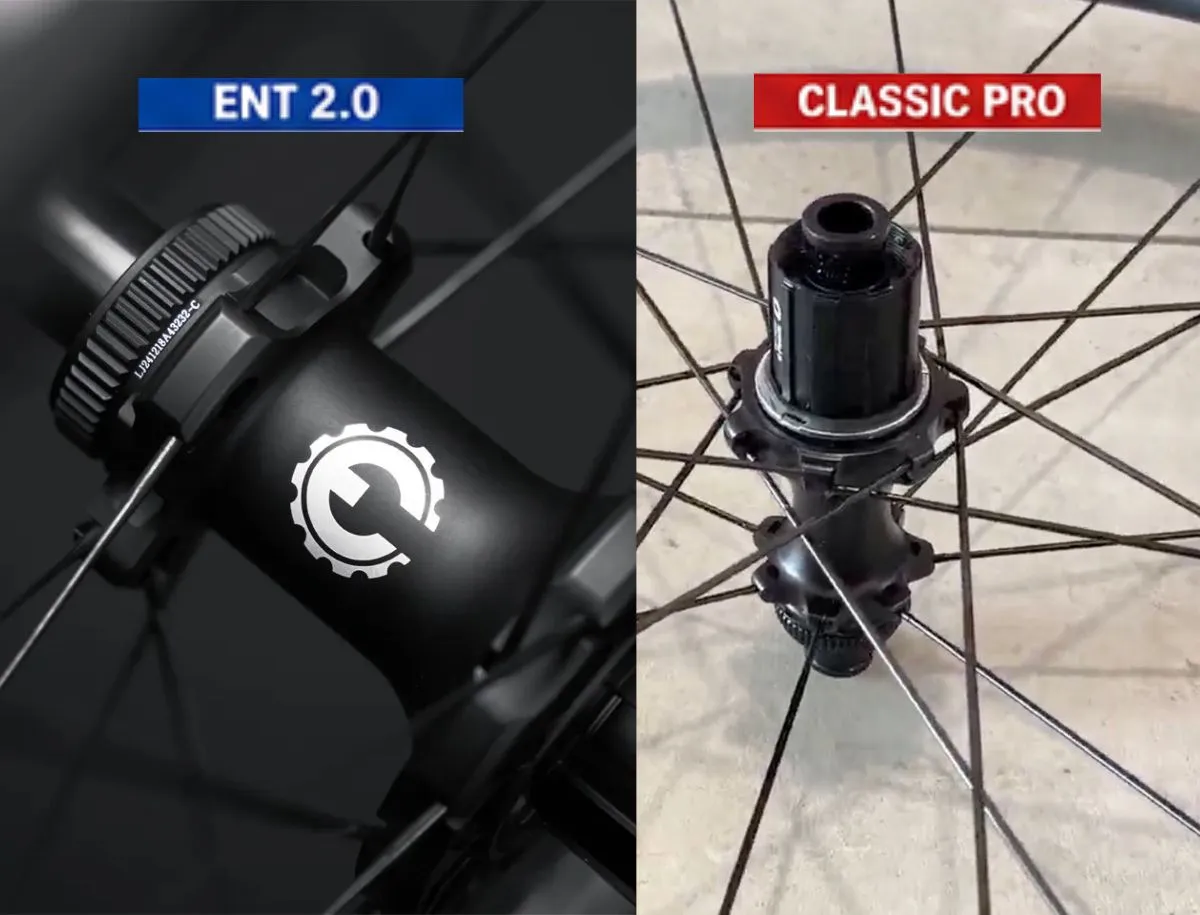
The ENT 2.0 hub was a meaningful part of the upgrade from the original ENT. Elitewheels claim a 15% improvement in power transfer efficiency through a larger freehub contact area, and around a 20% increase in lateral stiffness compared to the original. Under a hard sprint or climbing out of the saddle, the wheel feels direct. No lateral flex, no sense of the wheel absorbing energy rather than transferring it. Compatibility specs are similar: thru-axle and quick release, disc only, Shimano and SRAM, centre lock or 6-bolt.
Winner: ENT 2.0 on hub improvements made in the 2.0 redesign.
5. Spoke Tension
Spoke tension is the metric that can directly predict long-term wheel durability. You cannot assess it on a test ride, and most riders never think about it until something goes wrong.
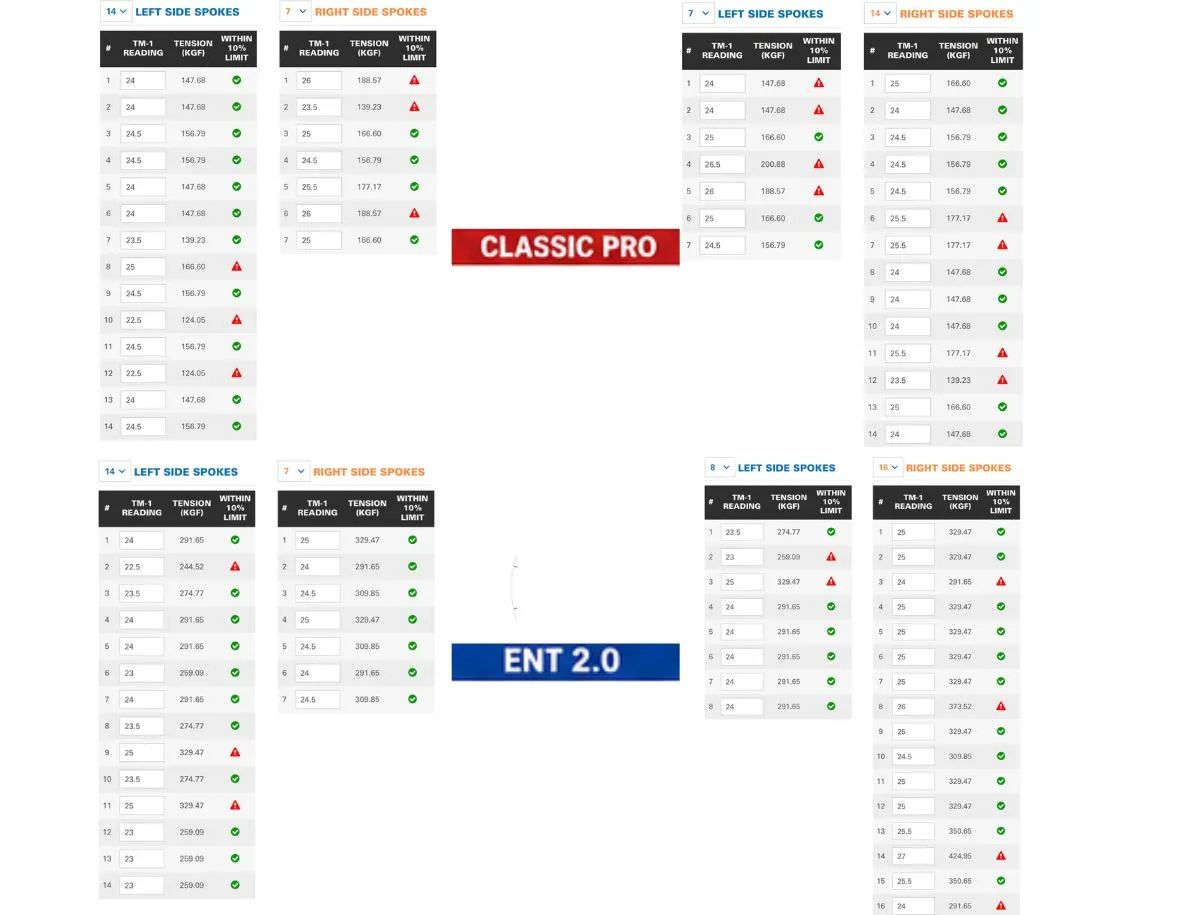
Here is why it matters: inconsistent spoke tension means uneven load distribution around the wheel. Some spokes carry more than their share, others less. Under repeated hard efforts, that imbalance accelerates fatigue at the higher-tension spokes, causes wheels to go out of true, and in the worst cases, leads to spoke failure or rim damage.
The threshold I test against: all spokes should fall within 10% variance of each other.
On the ENT 2.0, the front wheel had three left-side spokes outside the limit. The rear had six spokes outside tolerance across both sides, including some meaningful outliers on the drive side. On the Carbon Wheel Scorecard, the ENT 2.0 scores 2 out of 5 for spoke tension. One of the lower results across the 15 wheelsets I have tested. The important caveat: 7,000 kilometres, zero problems. Zero spoke failures, zero buckles.
The Classic Pro did not fare much better. Six spokes out of tension on the front, eight out of tension on the rear. On the scorecard, the Classic Pro scores 1 out of 5 - even worse than the ENT 2.0 result.
For both wheelsets, getting a spoke tension check done at a local bike shop is worth considering. It is cheap and quick, and it removes uncertainty. That said, my ENTs have done 7,000 kilometres with no spoke issues at all.
Winner: ENT 2.0 (by a small margin - both are below average here).
4. Rim Depth Options
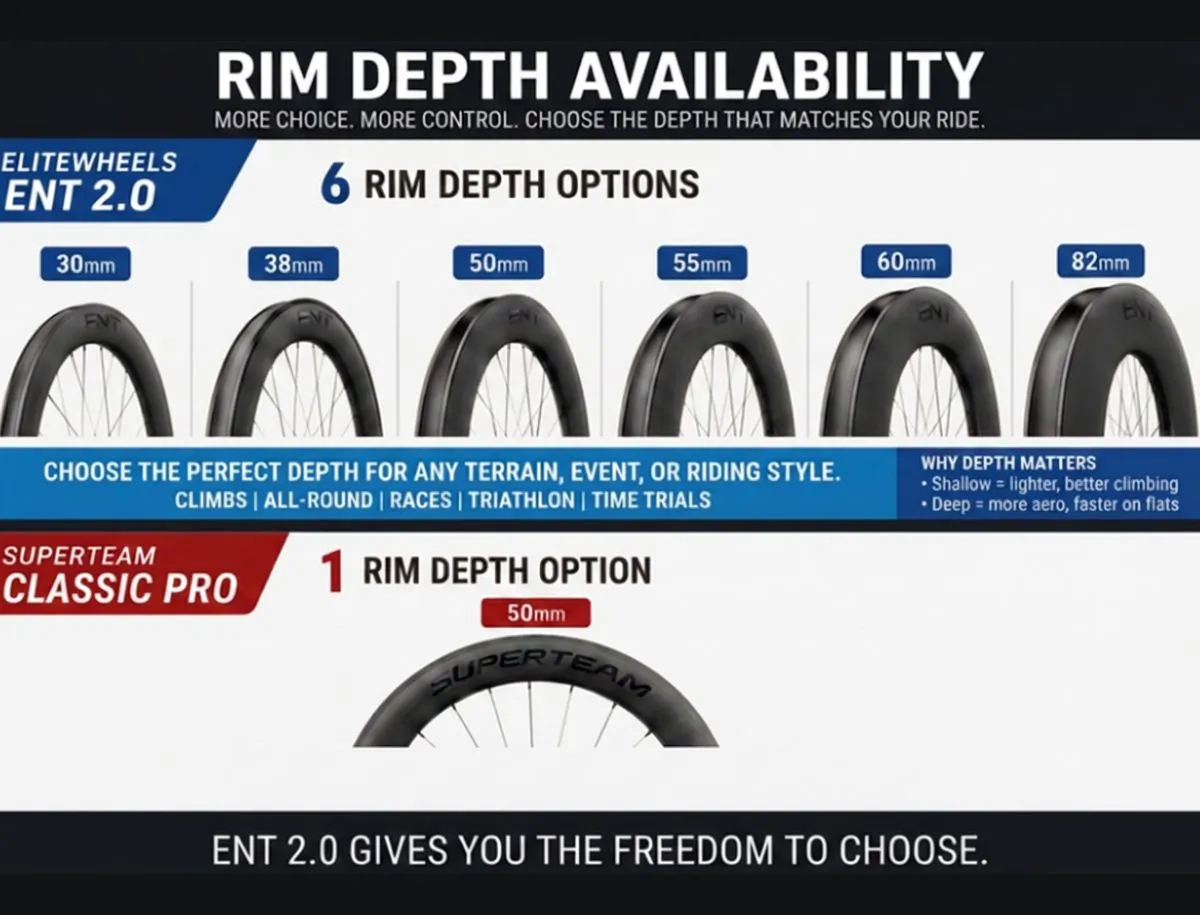
The Classic Pro comes in exactly one rim depth: 50mm. That is the only option. If you want a shallower wheel for hilly routes or a deeper wheel for flat triathlon courses, the Classic Pro does not give you that choice.
I understand the commercial logic. Profit margins on budget carbon wheels are extremely thin. More rim depth options mean more SKUs, more manufacturing complexity, and more stock to hold. At $300, Superteam has clearly decided one depth is the right call. But as the rider making the purchase, you feel that constraint.
The ENT 2.0 gives you the full range: 30mm, 38mm, 50mm, 55mm, 60mm, and 82mm. Whatever your terrain or event demands, there is a depth that fits. For Ironman training on my Trek Domane, the deeper options are compelling. For mixed-terrain riding with long climbs, the 30mm or 38mm makes more sense. The ability to spec the wheel to match what you actually ride is a genuine advantage.
Winner: ENT 2.0.
3. Reviews and Social Proof
Both of these wheels have been around long enough for a real body of rider opinion to build up on YouTube, Reddit, and cycling forums. That matters because I am just one person with one set of riding conditions.
The ENT 2.0 has over 10,000 units sold from the official AliExpress store alone, with 1,388 reviews averaging 4.9 stars. More telling than the numbers is how it gets discussed across the cycling community. On Reddit, in Facebook groups like Chinese Road Bikes and Carbon Wheels, in forums, the ENT 2.0 comes up constantly as a starting reference point for carbon wheels. It has built that reputation organically, not through marketing - I bought mine with my own money just like the thousands of other riders who have reviewed it.
The Classic Pro has 61 reviews averaging 4.9 stars on AliExpress. Almost universally positive, with riders happy with the value and performance. Some reports of quality control inconsistencies with spoke tensioning out of the box, which aligns with what I found in testing. The general sentiment is good, but the volume of conversation around the Classic
Pro is significantly lower. Less YouTube coverage, fewer Reddit threads, fewer long-term use reports.
With the ENT 2.0, you are buying into something that has been stress-tested by thousands of riders across many different conditions. With the Classic Pro, the sample is smaller, and the long-term picture is still being written.
Winner: ENT 2.0.
2. Weight
This is where the Classic Pro takes a clear win.
The Classic Pro in 50mm came in at 685 grams front and 796 grams rear - 1,481 grams combined. Superteam's claimed weight is 1,504 grams, so they actually came in 23 grams under the spec. That is a good result.
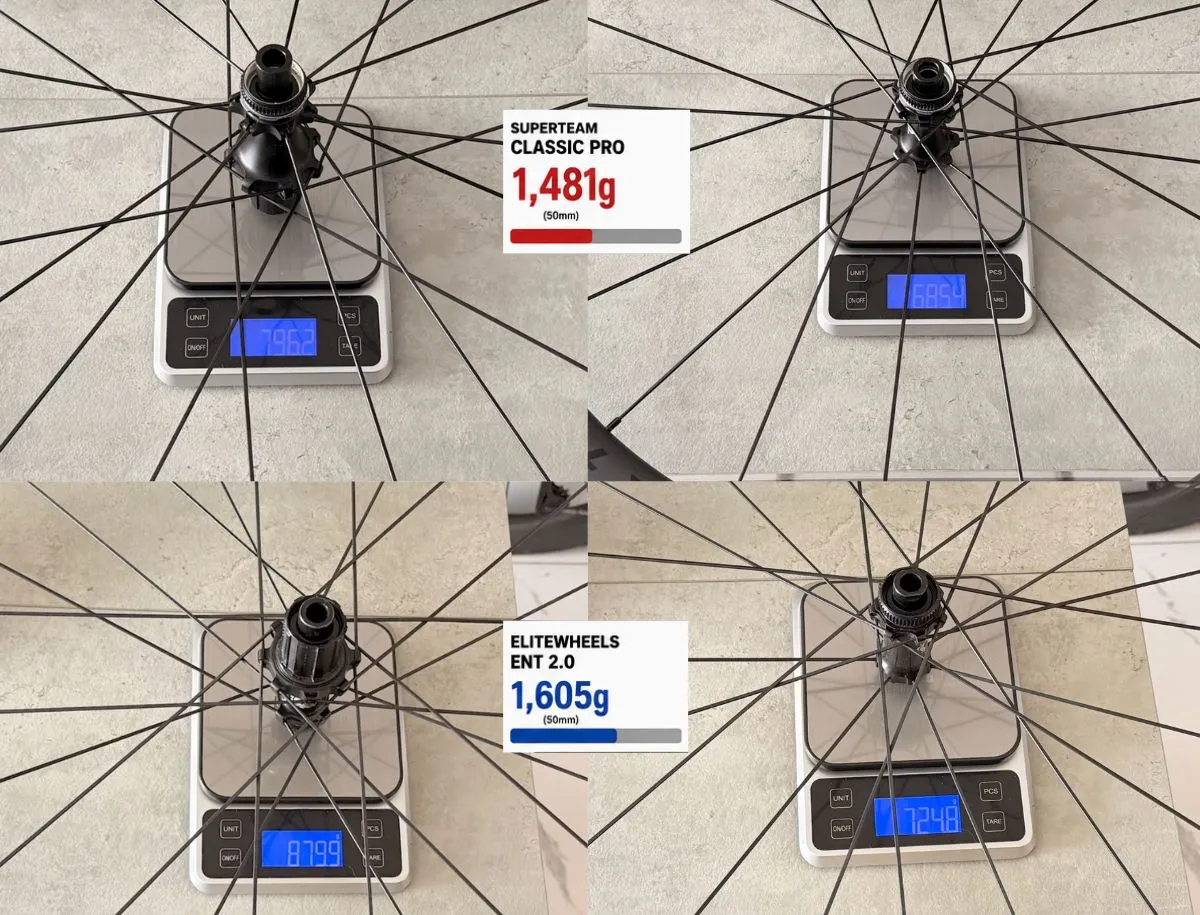
The ENT 2.0 in 50mm came in at 1,605 grams for the pair. That is 124 grams heavier than the Classic Pro. Both score 2 out of 5 for weight on the Carbon Wheel Scorecard, which reflects where budget carbon wheels sit across the field. The scoring gap is not enough to separate them on the scorecard, but 124 grams is nothing. For the money and within this direct comparison, the Classic Pro's 1,481 grams is the better result.
Winner: Superteam Classic Pro.
1. Ride Quality and Real-World Performance
Every other number in this comparison is ultimately in service of this one. What does it actually feel like to ride?
Elitewheels ENT 2.0: Two Years and 7,000km
When I first put the ENT 2.0s on my Trek Domane SL5, I was coming off the stock Bontrager Paradigm SL aluminium wheels - 24mm rim depth, which made a $3,500 endurance bike look like a commuter. The switch to the ENT 2.0s was immediate and obvious. The bike felt more planted in corners, more responsive under hard efforts, and absorbed road vibration differently. Within about five minutes of riding, I was thinking: this is remarkable.
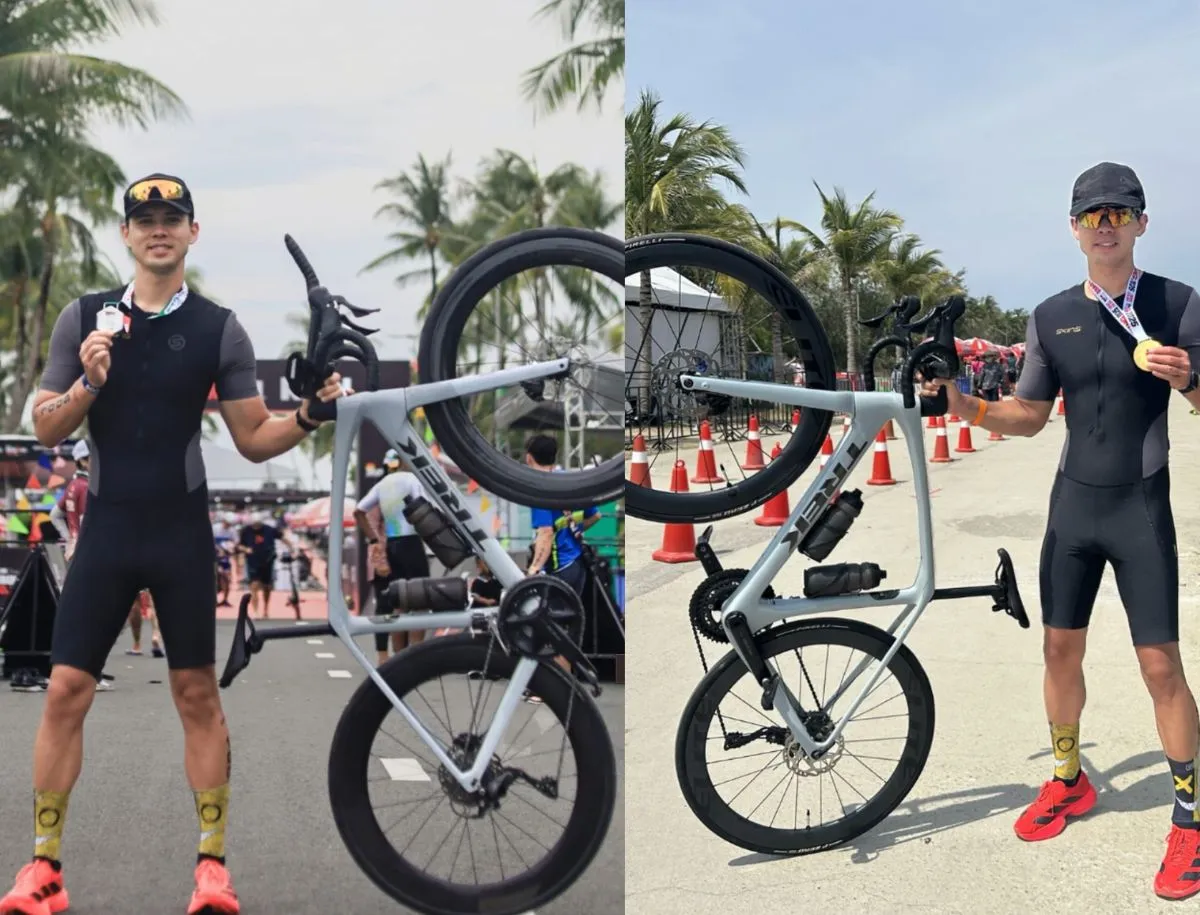
Two years later, that feeling has not changed. A big chunk of those 7,000 kilometres has been Ironman 70.3 training: long rides, sometimes back to back, in 35-degree heat on Saigon roads filled with potholes that would challenge a gravel bike. These wheels have not been treated gently on perfect tarmac once a week. No visible chips, no cracks, no structural marks anywhere on either rim. The hubs feel exactly as they did on day one. No creaking, no play, no bearing deterioration.
Wet-weather riding too, where a lot of budget carbon wheels start to show their limitations: inconsistent braking, less confidence through corners, and gradual degradation of feel. Through the disc setup, wet riding on the ENT 2.0 has been consistently reliable throughout.
Superteam Classic Pro: 500km In
The Classic Pro rides better than the price would lead you to expect. Out of the saddle, accelerations feel direct. No vague, soft feeling where the wheel absorbs your effort rather
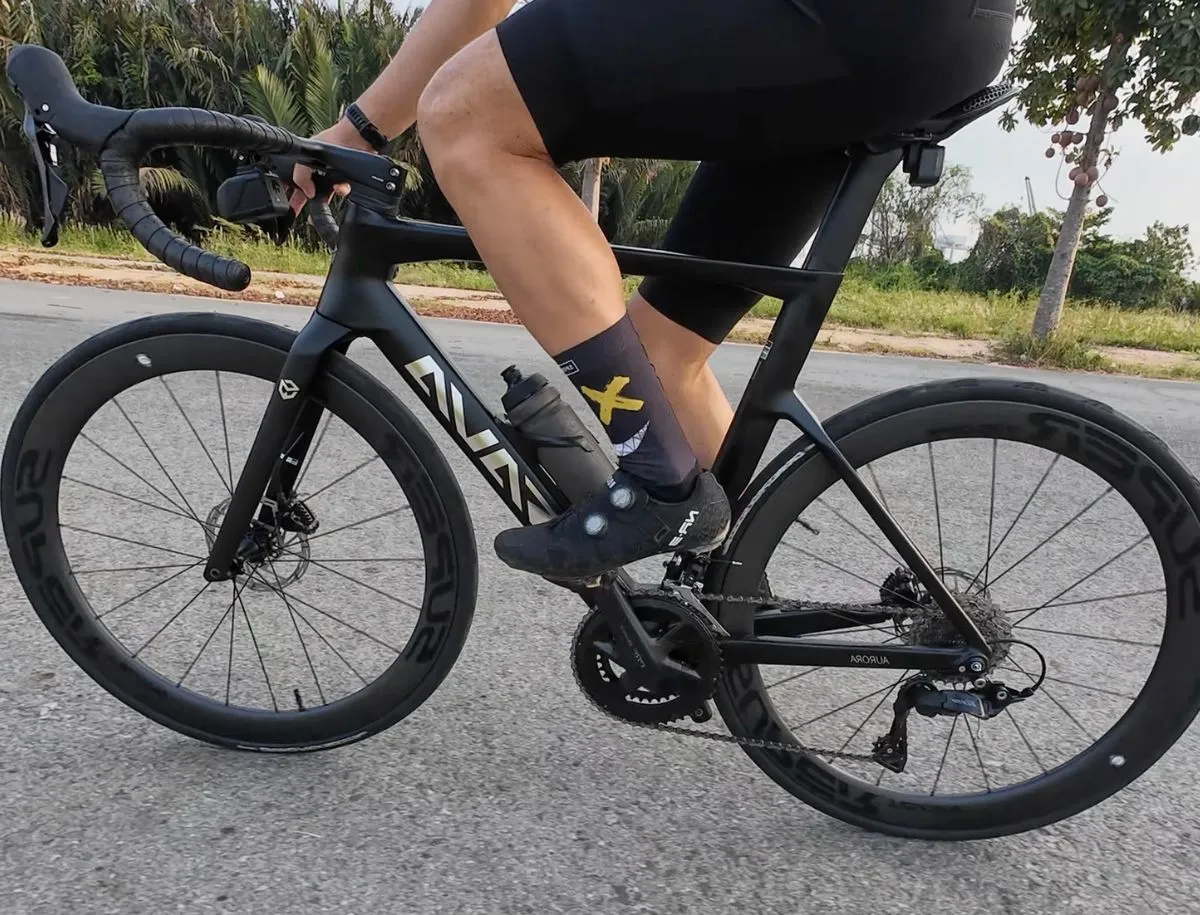
It transfers it; cornering is predictable through bends. The GP 5000 S TRs are doing some of that work, but the wheels track well at speed and give you confidence.
Comfort over mixed tarmac is reasonable for a 50mm carbon rim. The Classic Pro picks up crosswinds on gusty days at this depth, similar to the ENT 2.0 - noticeable but manageable.
The limitation here is not the wheel. It is the kilometres. I have done 500km on the Classic Pro and 7,000km on the ENTs. The ENT 2.0 has answered the question of long-term durability with two full years of hard riding. The Classic Pro has not had the time yet.
The Classic Pro rides well. I genuinely cannot fault it at 500 kilometres. But when it comes to proving durability under real riding conditions over time, the ENT 2.0 has the track record and the Classic Pro does not.
Winner: ENT 2.0.
Who Should Buy Each Wheelset
Buy the Elitewheels ENT 2.0 if:
- You want to choose the rim depth that matches your riding (30mm to 82mm available)
- Long-term durability track record matters to you
- You are training for a triathlon and want a wheelset proven across thousands of kilometres
- You want the best internal carbon quality at this price
Buy the Superteam Classic Pro if:
- Weight is your primary concern, and 1,481 grams for a $300 carbon wheelset appeals to you
- You are happy with 50mm and do not need other depth options
- You want to spend slightly less upfront

Review by Mike Dee
I test road bikes, carbon wheels, and cycling gear with quantifiable lab tests and real riding. No marketing spin, just the data - so you don't have to spend hours researching or wasting money on the wrong gear.