



Elitewheels ENT 3.0 vs ENT 2.0: Is the Upgrade Actually Worth It?
What Is the Elitewheels ENT 3.0?
Elitewheels sells carbon wheels direct through their official AliExpress store, skipping the retail markup that Western brands build into their pricing. The ENT line is their entry-level carbon wheelset, and the ENT 2.0 built a genuine reputation on that store - I've seen it listed with over 10,000 units sold and a 4.9-star average, which is a lot of independent buyers vouching for one wheelset.
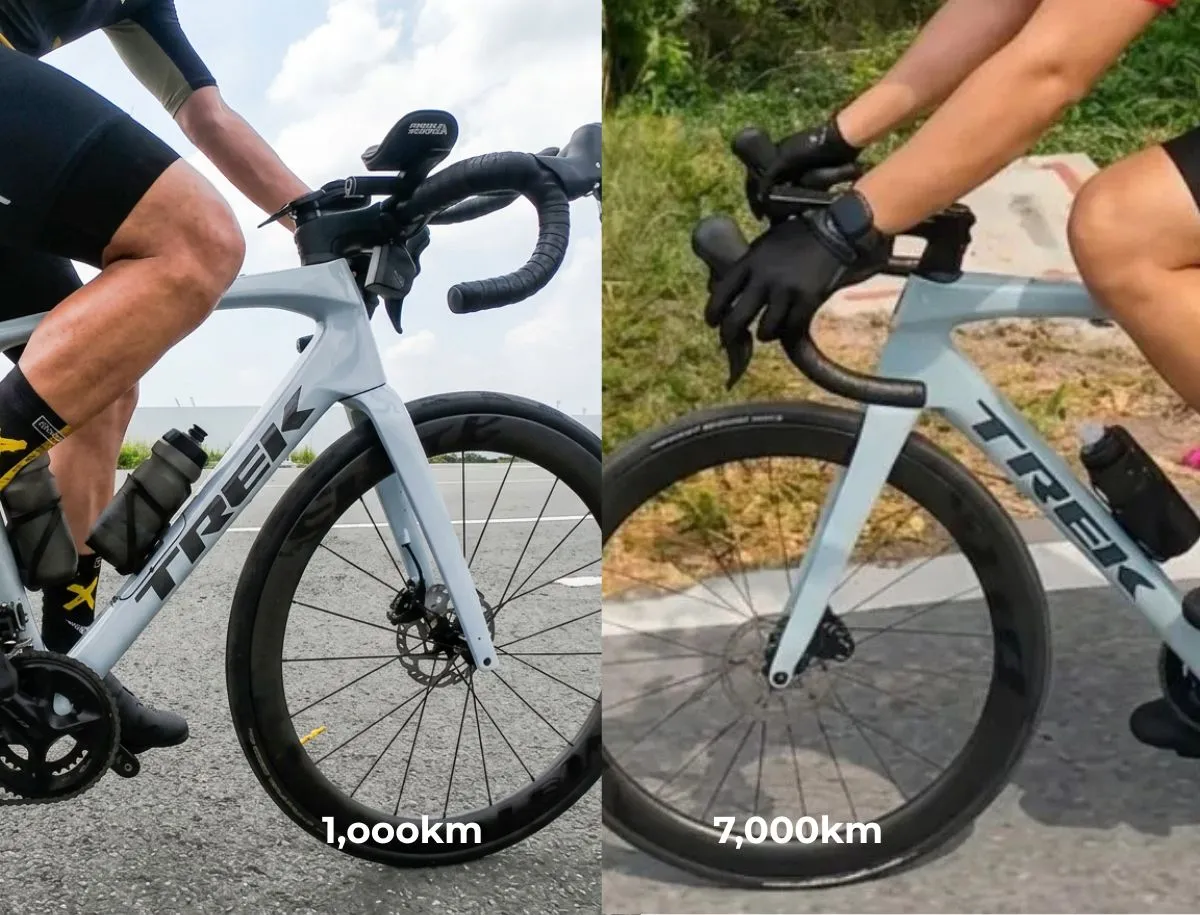
I've put 7,000km on my own ENT 2.0s. So when Elitewheels quietly released the ENT 3.0 a couple of months ago, I wasn't looking for a new wheel. I was looking for a reason not to buy one.
First Impressions
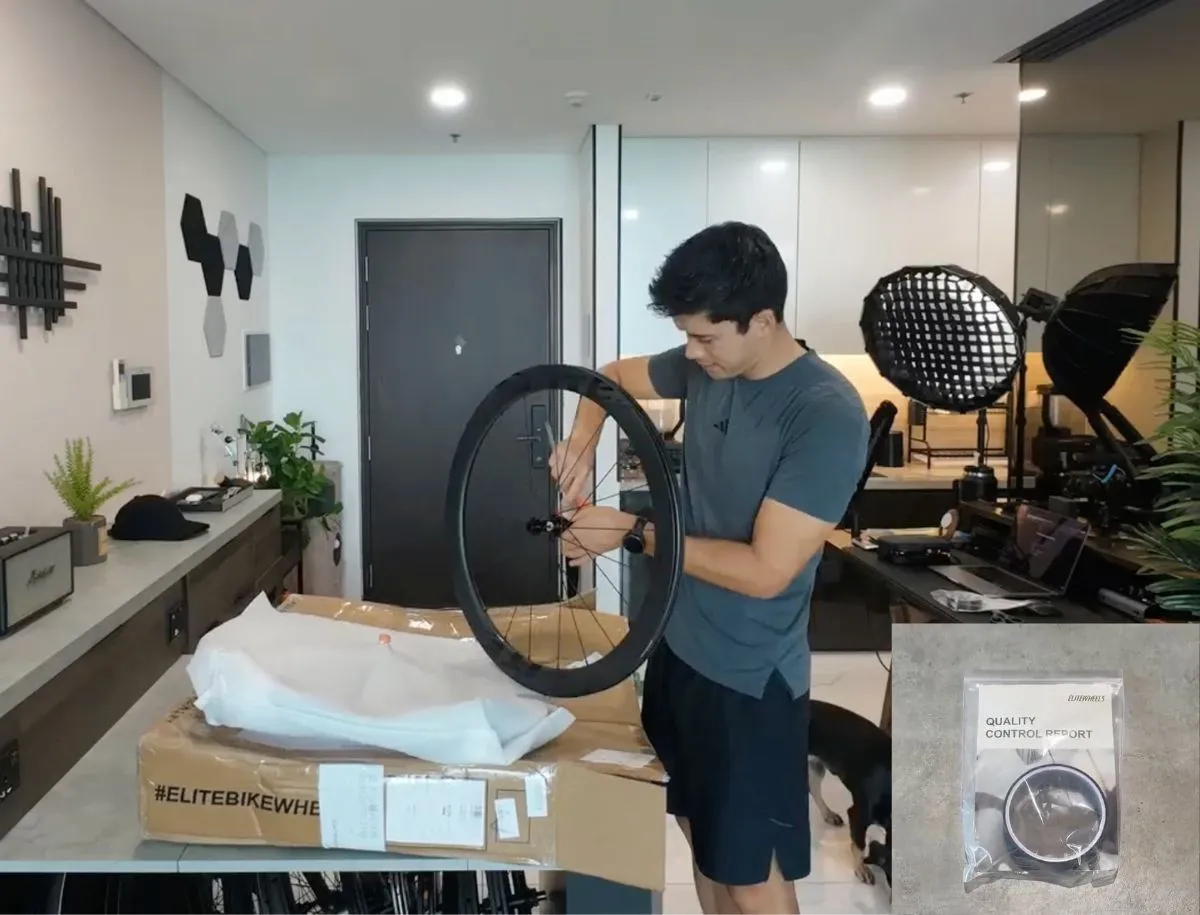
The ENT 3.0 only landed on AliExpress a couple of months ago, so there isn't a deep pool of long-term owner reviews yet. Worth knowing before you buy - you're relying more heavily on early testing like mine than you would with the 2.0, which has had years to prove itself.
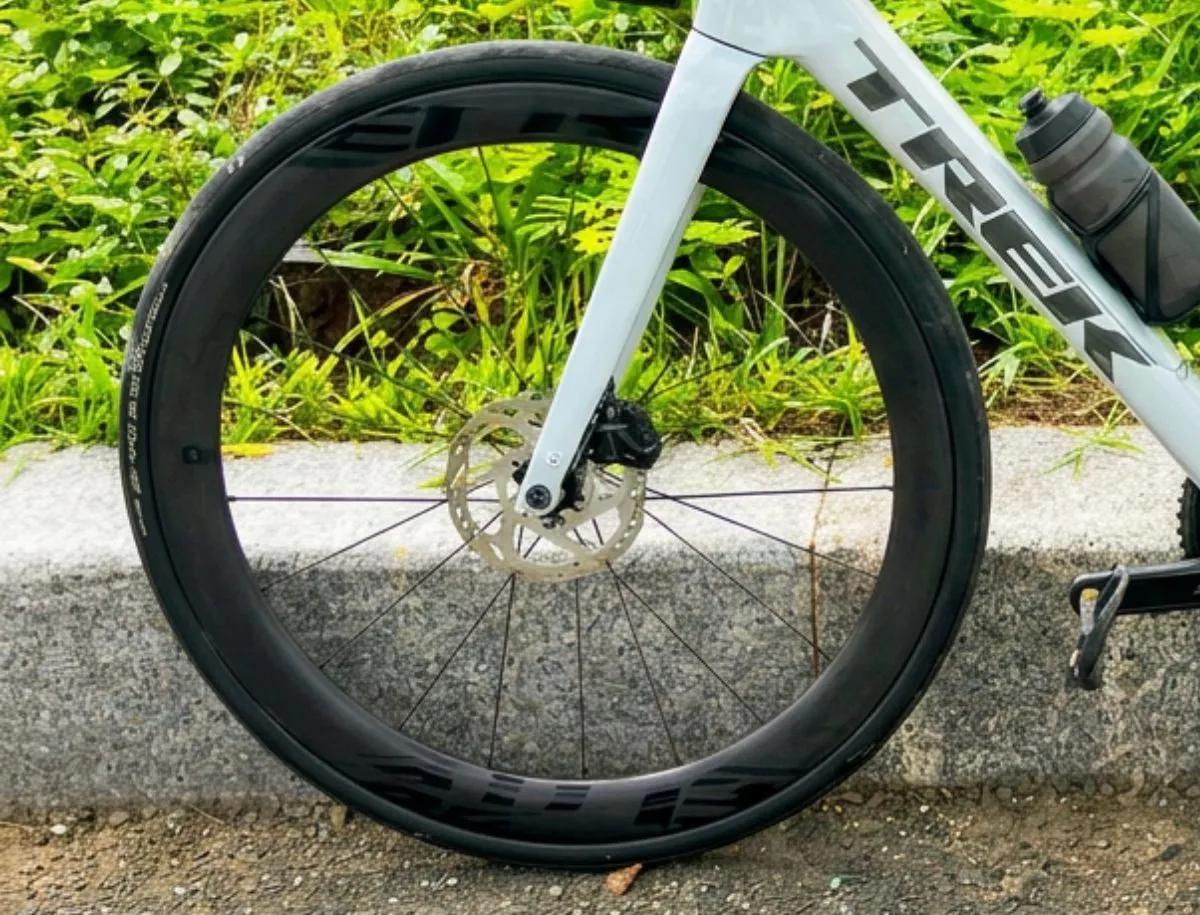
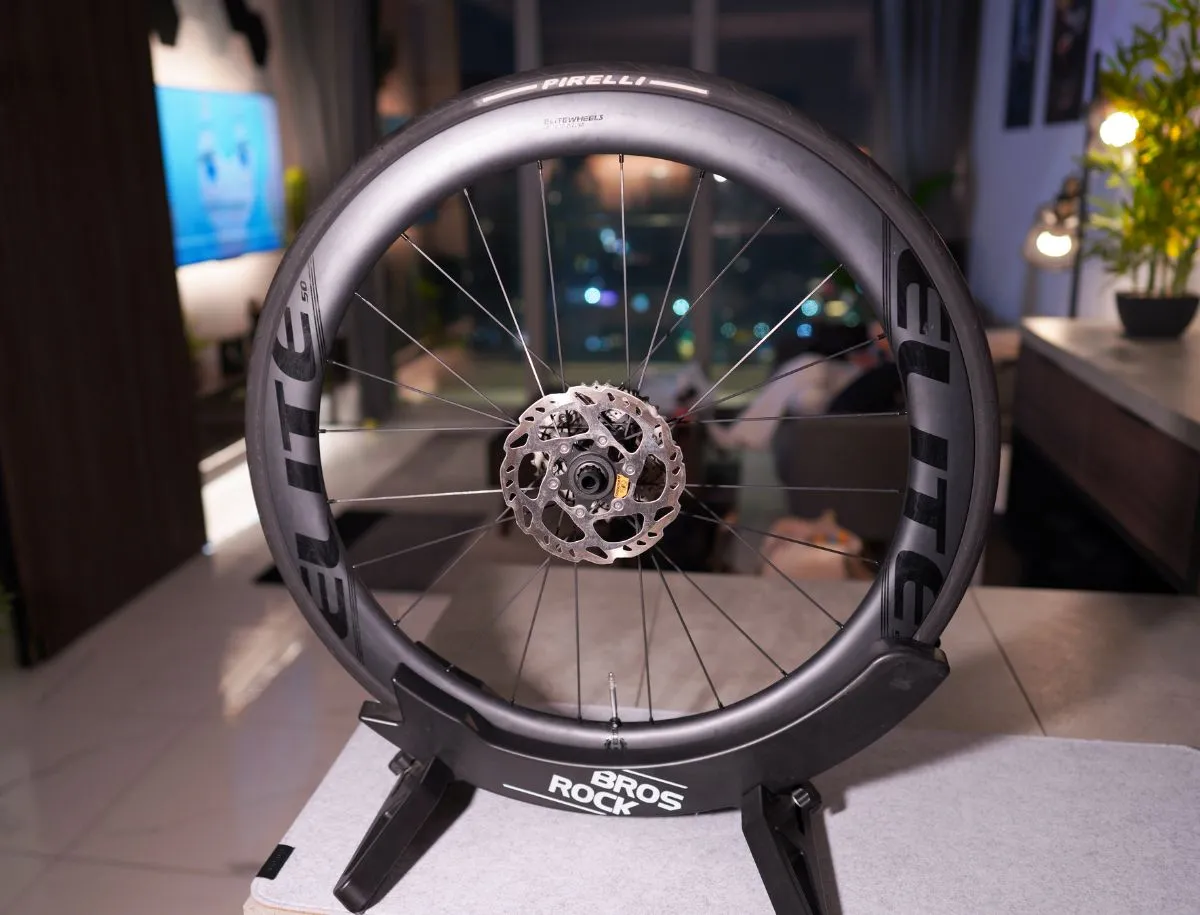
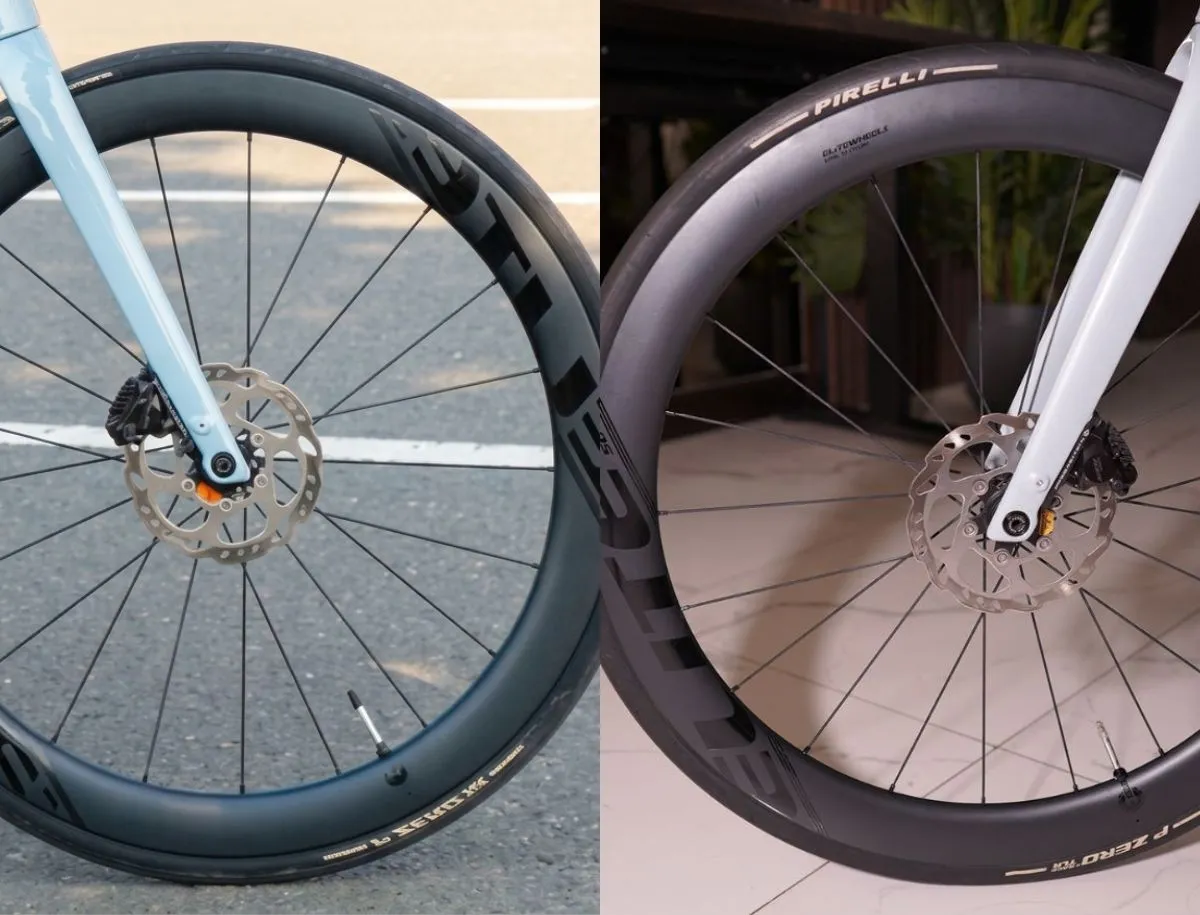
Out of the box, the finish is the first thing you notice. It's a UD Matte Raw Carbon layup, and it's a noticeably darker black than the 2.0's finish. In direct light, it looks less like a budget wheel and more like something with a much higher price tag attached.
The 3 Upgrades That Actually Matter
1. A Wider Rim Profile

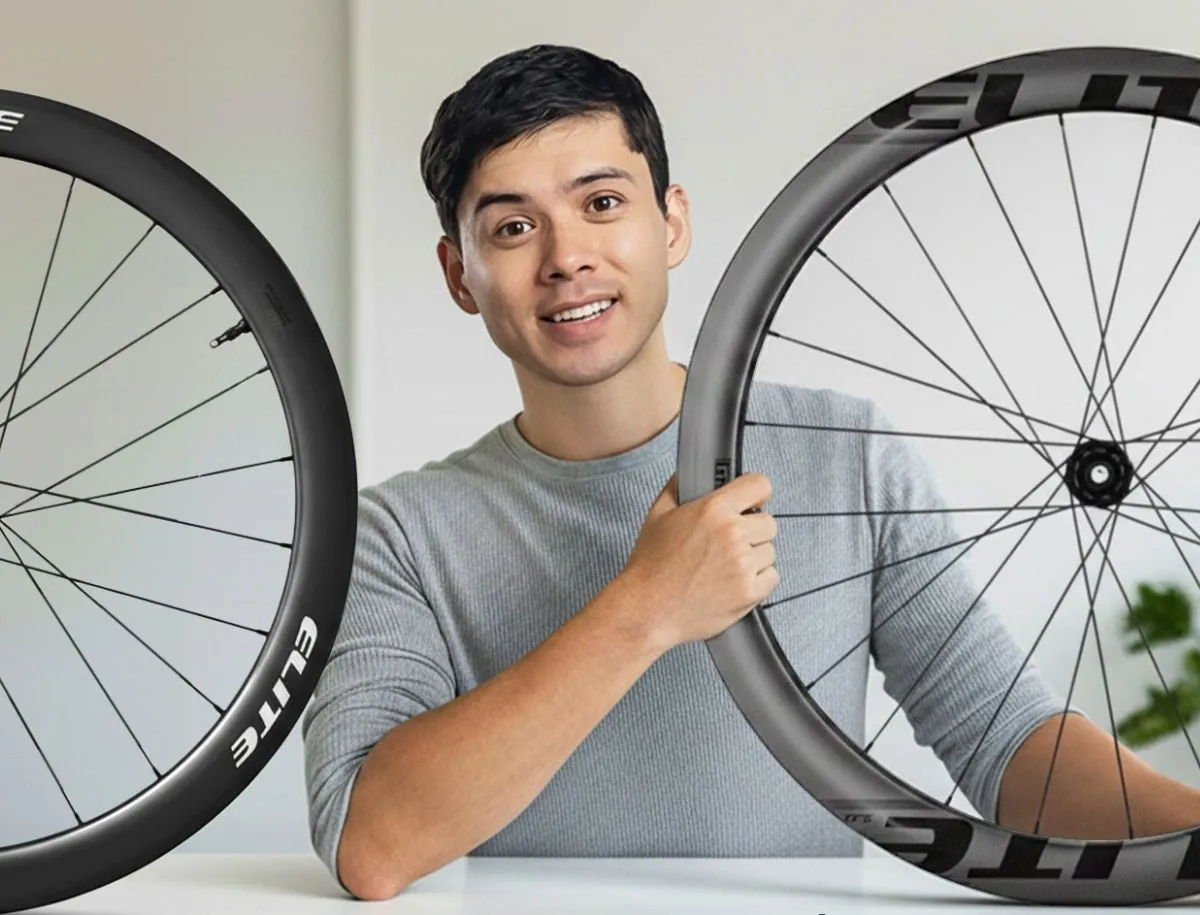
The ENT 3.0 measures 23mm internal and 31mm external, up from the 2.0's narrower 28mm external profile. That's not a cosmetic change.
A wider internal width supports a wider tyre without distorting its shape, which is why the ENT 3.0 pairs properly with the 32mm tyres more riders are running now. It also widens your contact patch in a corner, which is where the extra grip comes from - not from the tyre itself, but from the rim shaping it correctly.
2. A New Hub With 120 Points of Engagement
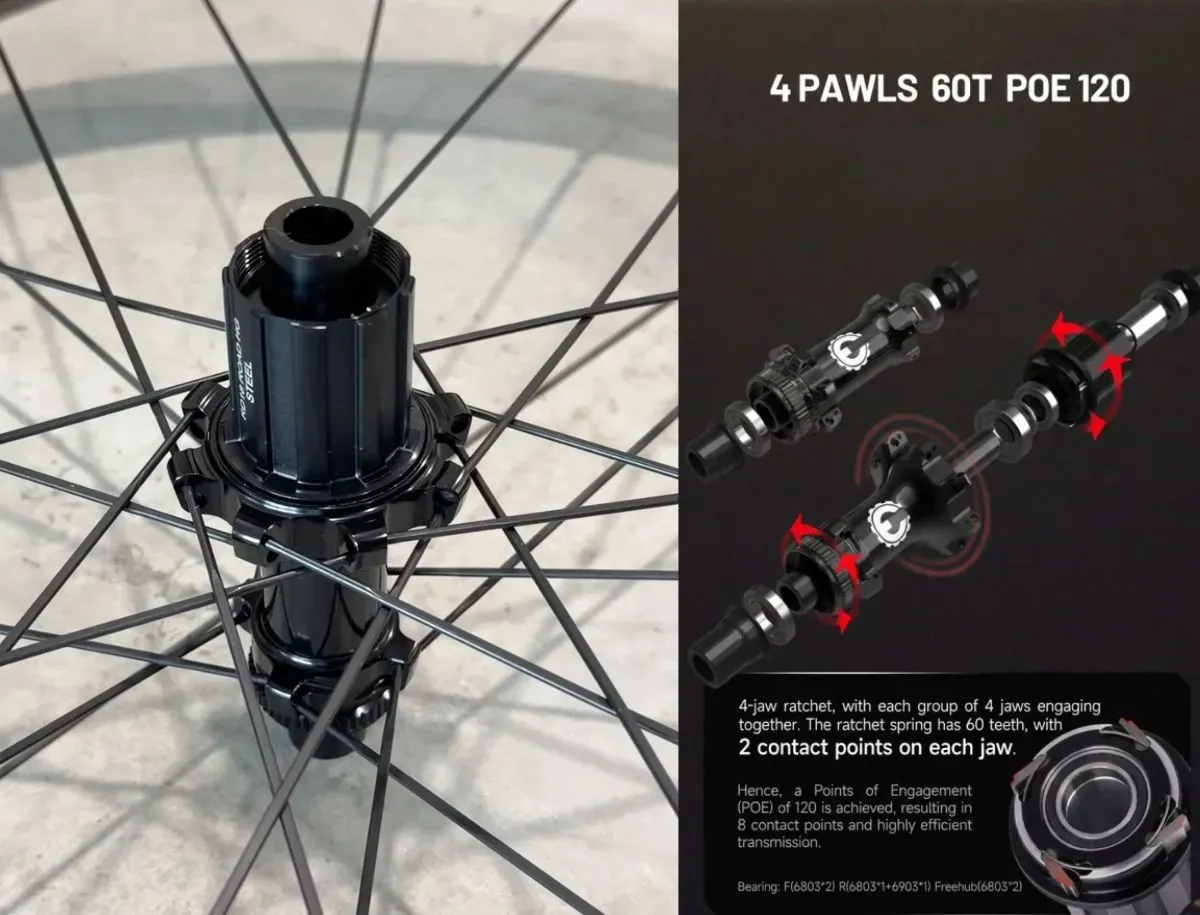
The 2.0 used a 4-pawl hub. The 3.0 moves to a system rated at 120 points of engagement.
In plain terms, the gap between when you apply power and when the wheel actually responds gets smaller. You feel this most in punchy efforts: sprints out of corners, sudden accelerations, technical group rides where you're constantly modulating power. On a steady flat, you won't notice it. In Saigon traffic, dodging scooters and surging out of junctions, I noticed it immediately.
3. A Darker UD Matte Raw Carbon Finish
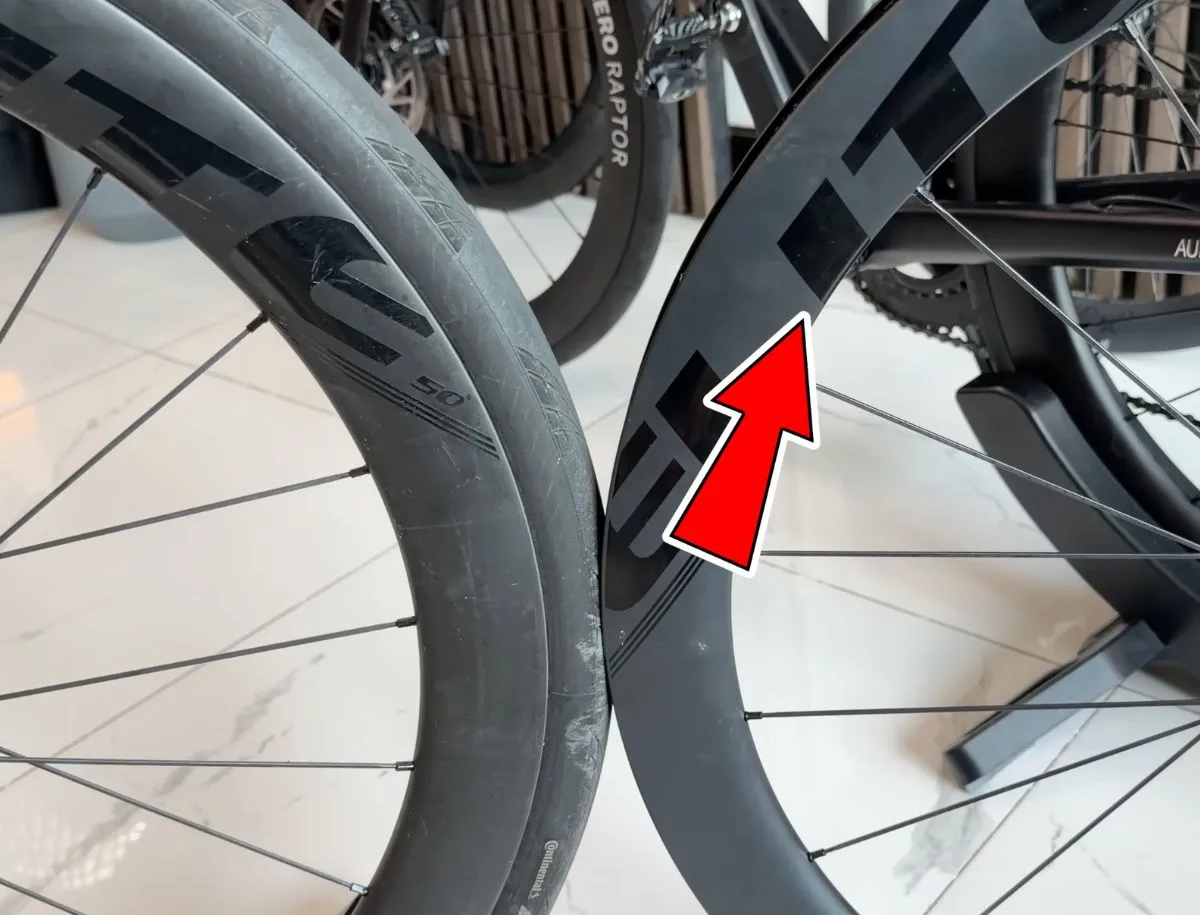
This is the upgrade I didn't expect to matter, and it's the one that surprised me most.
The 2.0's finish was already good for the price point. The 3.0's raw carbon layup is a different tier - deeper black, and it hides scuffs and scratches better than the 2.0's finish did after a few thousand km of real riding.
Ride Experience: 1,000km In
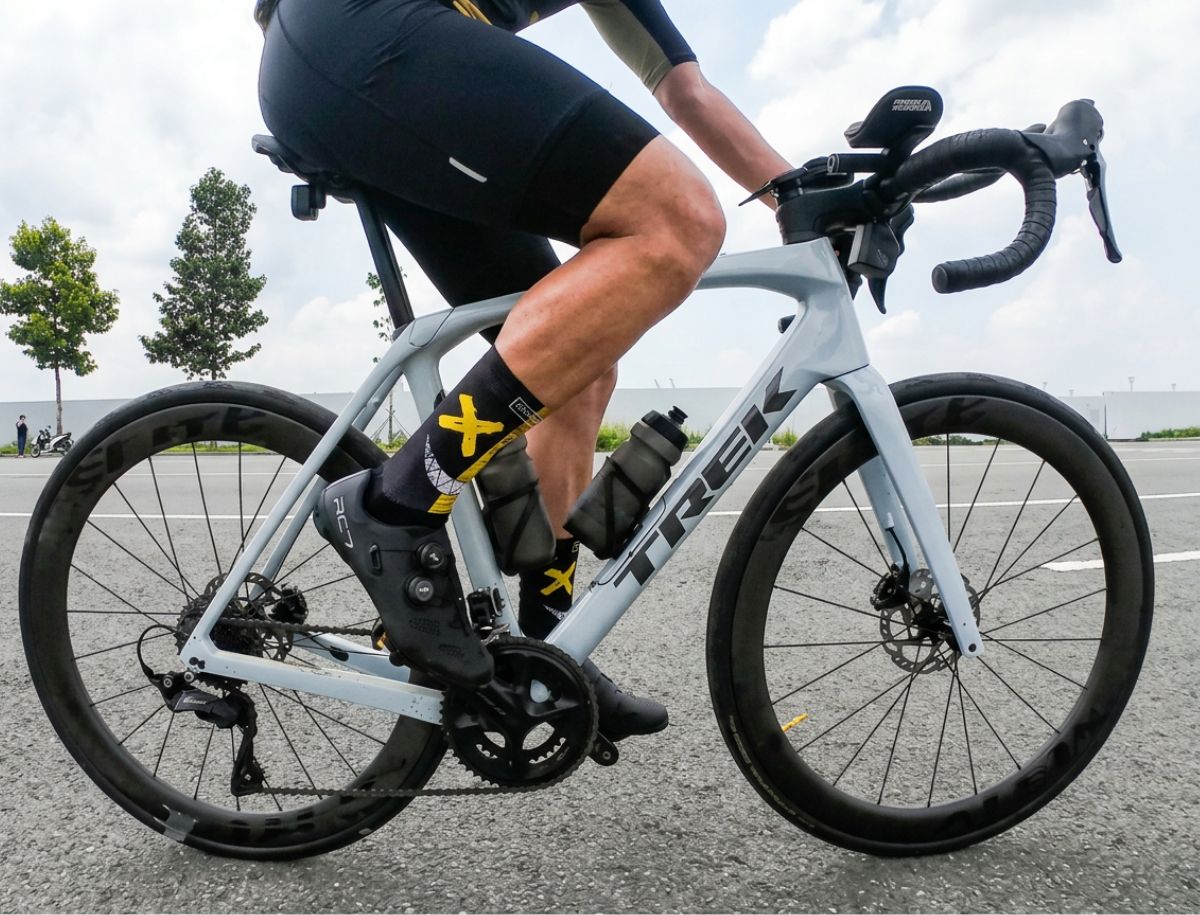
I've now put over 1,000km on the ENT 3.0s, against the 7,000km baseline I have on the 2.0s. That's not a full verdict yet, but it's enough to feel the differences the spec sheet promises.
Cornering and grip. The wider tyre profile the rim allows genuinely changes how the front wheel holds a line through a corner. It's not a night-and-day transformation, but on the same roads I've ridden thousands of times on the 2.0s, I trust the front end more on the 3.0s.
Hub response. The 120-point engagement is the upgrade I feel on every ride, not just the technical ones. Pedal strokes translate into forward motion with less of a beat of lag than the 2.0's hub had.
Comfort. The wider rim, combined with slightly wider tyres, takes a bit of edge off rough tarmac. It's a small gain, not a suspension-level change.
What I Liked
- Immediate power transfer. The 120-point hub closes the gap between input and response, especially noticeable in stop-start city riding and group efforts.
- Better cornering confidence. The 23mm/31mm rim profile holds a wider tyre properly, and that translates directly into grip you can feel mid-corner.
- A finish that actually looks premium. The darker UD Matte Raw Carbon isn't just a marketing line - it looks and wears better than the 2.0's finish.
- Still tubeless-ready. The hooked rim design keeps you on tubed or tubeless setups, so you're not locked into one system.
What Needs Work
- No weight saving. I measured the 3.0s at roughly the same weight as my 2.0s - around 1,600g for the pair. If you upgraded expecting a lighter wheel, you won't get one.
- Fewer depth options. The 2.0 comes in six depths - 30mm, 38mm, 50mm, 55mm, 60mm, and 82mm. The 3.0 currently ships in three. If you wanted a shallow 30mm or a deep 82mm aero wheel, the 3.0 doesn't offer it yet.
- A real price jump. Expect to pay roughly $100 more than the 2.0, even after coupons. That's a meaningful jump on a wheelset that was already competing on value.
- Spoke tension is average, not exceptional. Nothing alarming, but it's not a step up from the 2.0 - budget for a truing check after the first few hundred km, same as I'd recommend with the 2.0.
Value: Is the Extra $100 Worth It?
The ENT 2.0 sits around $350-390. The ENT 3.0 runs closer to $400-460 before any coupon, landing around $397 with one applied. Either wheelset is still a fraction of what Western brands charge for a comparable carbon wheelset - you're looking at $1,500-2,000+ from most established brands for similar depth and width numbers.
Between the two Elitewheels, the calculation is simpler. You're paying roughly $100 more for a wider rim, a sharper hub, and a better-looking finish - not for less weight, and not for more depth choices. If those three upgrades matter to how you ride, the extra $100 buys something real. If you just want the cheapest way into carbon wheels, the 2.0 remains the better dollar-for-dollar option, and it's had years of owner feedback behind it that the 3.0 hasn't earned yet.
Who Should Buy the ENT 3.0 (And Who Should Skip It)
Buy the ENT 3.0 if: you're running or planning to run 30-32mm tyres, you ride technical routes where hub responsiveness matters, or you simply want the better finish and don't mind paying for it.
Stick with the ENT 2.0 if: you want the lowest possible price into carbon wheels, you need a depth the 3.0 doesn't offer yet, or you'd rather buy the wheel with thousands of documented owner km behind it instead of a couple of months' worth.

Review by Mike Dee
I test road bikes, carbon wheels, and cycling gear with quantifiable lab tests and real riding. No marketing spin, just the data - so you don't have to spend hours researching or wasting money on the wrong gear.