



Elitewheels ENT 3.0 Review: Worth $100 More Than the ENT 2.0?
I've reviewed a lot of carbon wheels. My apartment in Saigon looks more like a bike shop than somewhere a person actually lives, and I wouldn't have it any other way.
The Elitewheels ENT 3.0 is the follow-up to one of AliExpress's best-selling wheelsets, and when Elitewheels quietly upgraded it, I wasn't going to just take their word that it's better.
Elitewheels sent me this ENT 3.0 for review. I paid $315 out of my own pocket for the ENT 2.0 two years ago, and I've put 7,000-8,000km on that wheel since, including a couple of Ironman 70.3s. Either way, here's what I actually found, good and bad.
Treat this as a first-impressions review, not a full one. I've only put 200km on the ENT 3.0 so far, including a 110km ride the morning I wrote this. Normally I wait for at least 500km before publishing a verdict, but the ENT 3.0 has barely been announced and most riders don't even know it exists yet. I'll follow up with a full long-term review in a few months. For now, here's everything I've found, including an endoscope test on the carbon layup that genuinely surprised me.
Prices on AliExpress move constantly. Check the live price on my link to the official Elitewheels store before you order.
What Is the Elitewheels ENT 3.0?
The Elitewheels ENT 2.0 has been one of AliExpress's best-selling carbon wheelsets for years, with over 10,000 units sold and more than 1,500 reviews averaging 4.9 out of 5 stars. It earned that reputation the hard way - budget carbon wheels have a habit of falling apart, and the ENT 2.0 mostly didn't.
The Elitewheels ENT 3.0 is the brand's response to two years of feedback on that wheel. It keeps the same general shape and price bracket - a disc-brake, tubeless-ready, 700c carbon wheelset aimed at riders who want carbon performance without spending four figures - but changes the carbon finish, the internal rim width, and the hub internals.
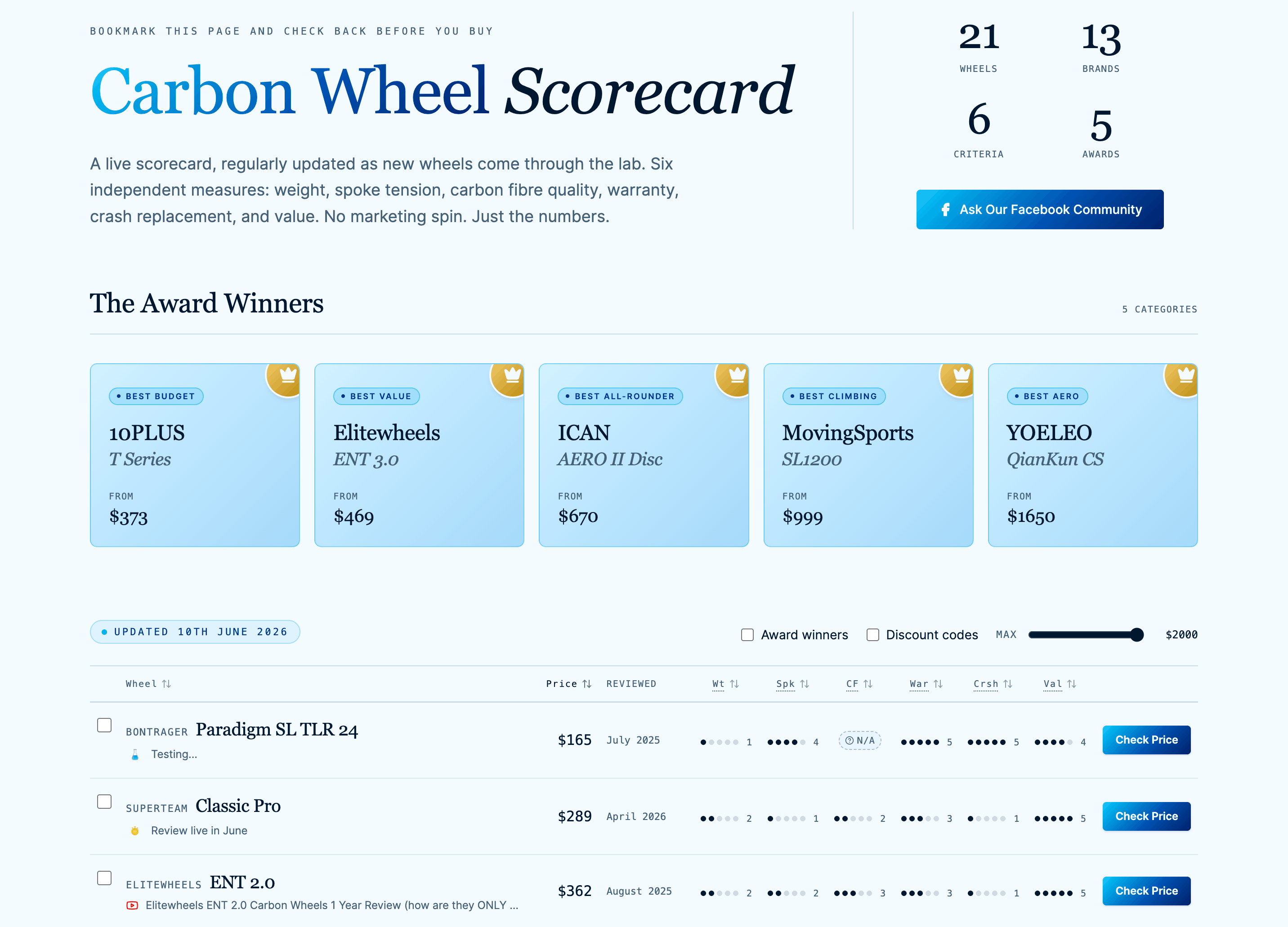
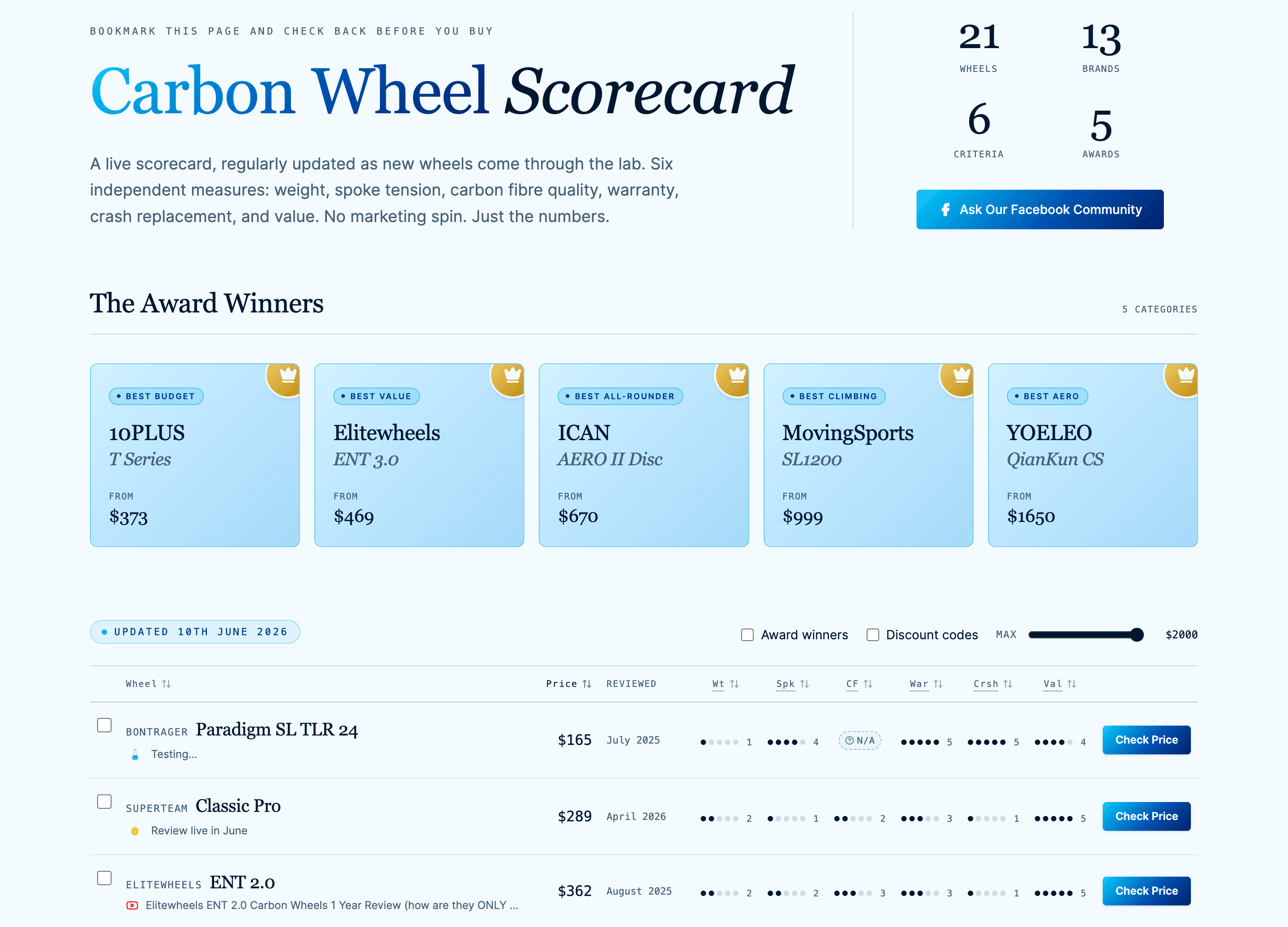
I track every wheel I test on my Carbon Wheel Scorecard, and the ENT 3.0 has already picked up the Best Value award there, ahead of everything else I've tested under $450. I've also reviewed Elitewheels' higher-end Drive II, if you want to see what the brand does with a bigger budget.
First Impressions
Since Elitewheels sent this pair directly for review, I can't give you my own shipping numbers on this specific order. For reference, my ENT 2.0 arrived within a normal AliExpress timeframe when I ordered it myself two years ago.
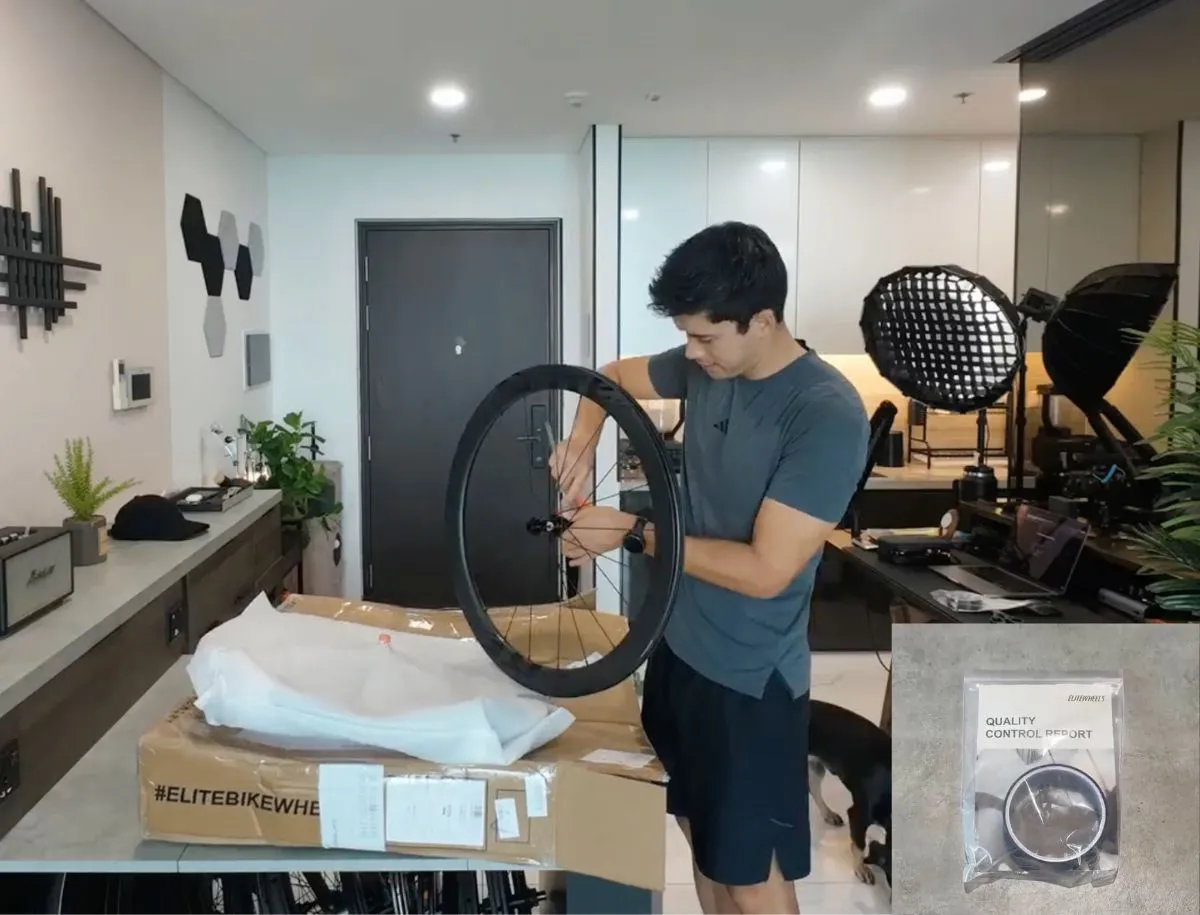
The packaging was as secure as I've come to expect from Elitewheels - it took me longer than it should have to actually get the wheels out of the box, which is a good problem to have. Rim tape was included but not pre-installed. That's a minor inconvenience for most buyers, though it suited me fine since I have to strip the tape off anyway to weigh the wheels.
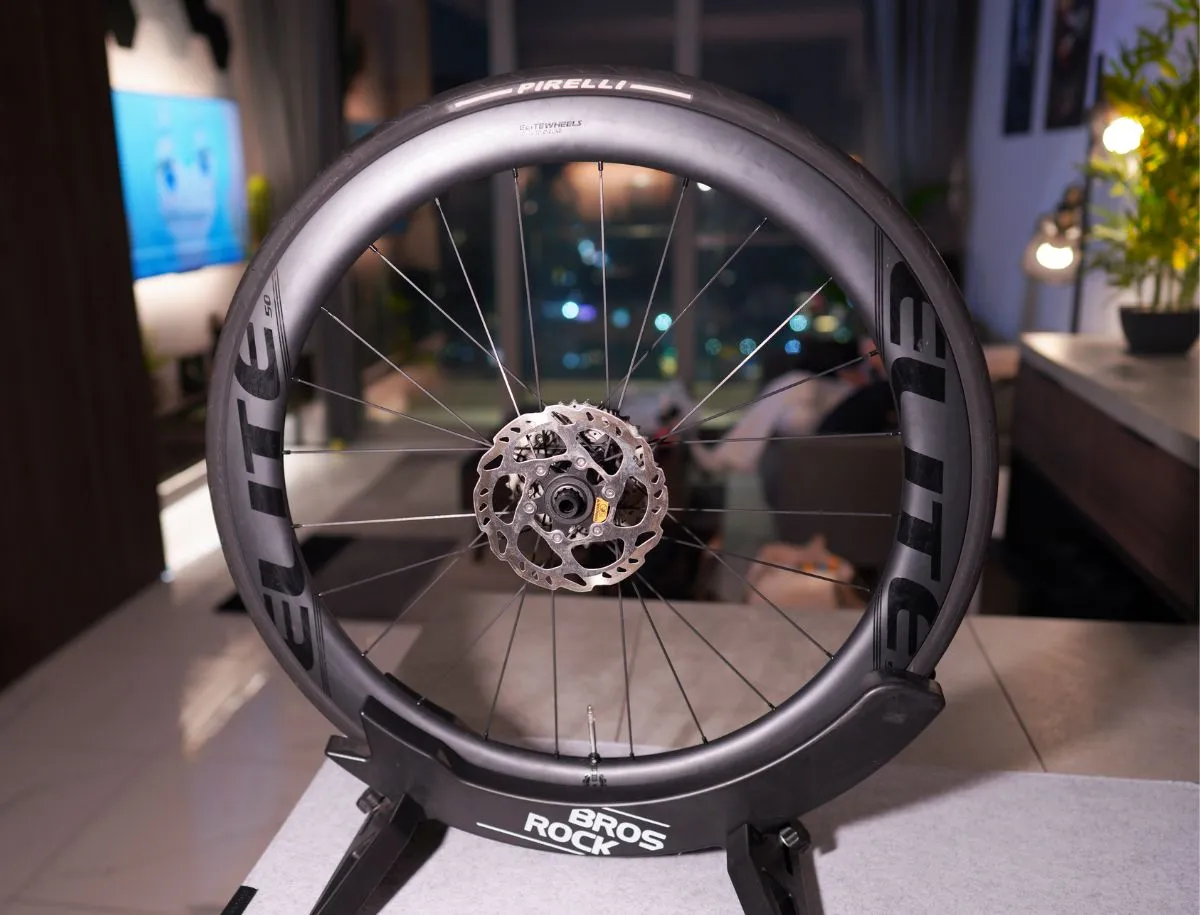
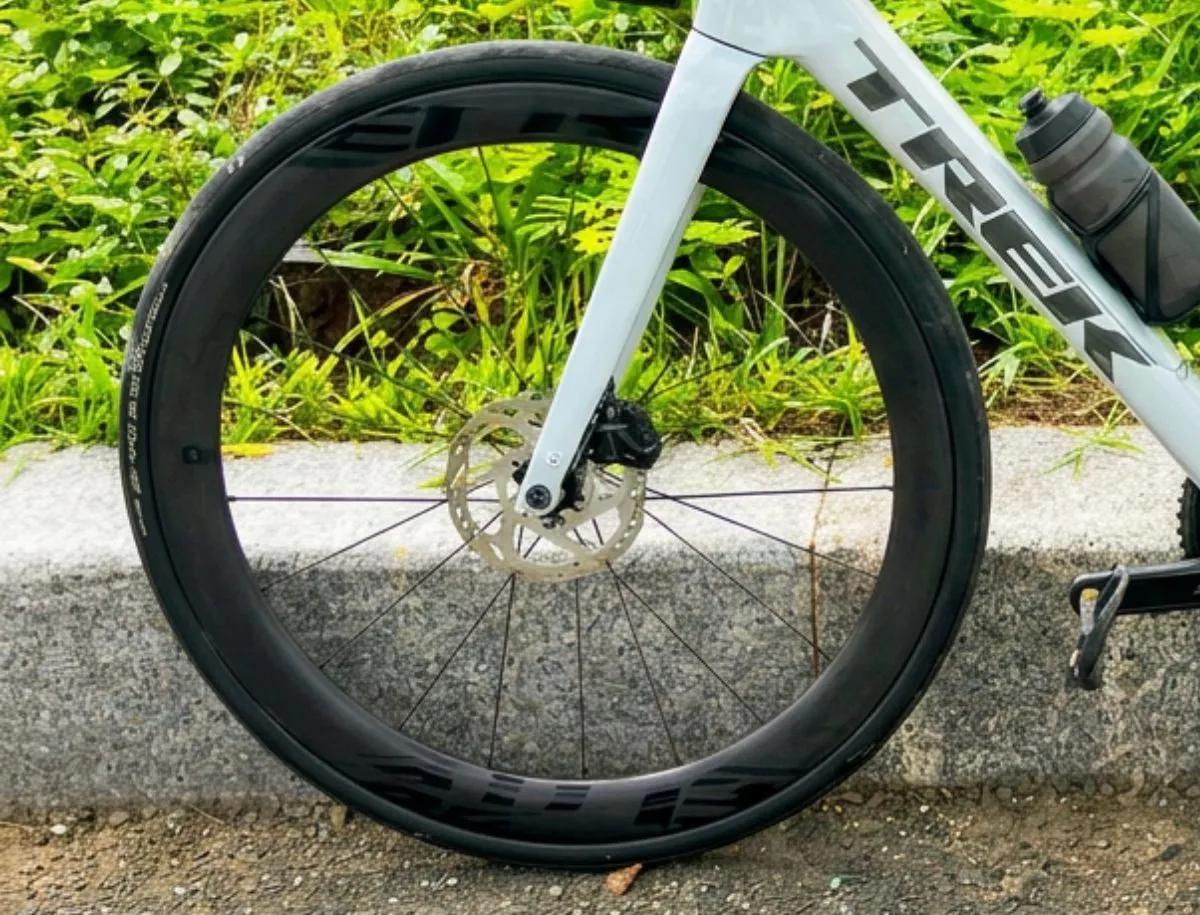
The first real difference I noticed was the finish. Elitewheels describes the new carbon as "UD matte raw carbon, 50% see-through," which is mostly marketing language that doesn't tell you much on its own. What the spec sheet won't tell you: side by side, the ENT 3.0 is a noticeably darker, greyer black than the navy-tinted ENT 2.0, and it looks considerably better in person. That's a subjective call, but it's not a close one.
Matte black finishes usually show every scuff and fingerprint. The ENT 3.0 still does, just slightly less than most wheels I've tested. After a 110km ride through mud and grime, they didn't look too bad for a matte finish.
What Makes the ENT 3.0 Different
UD Matte Raw Carbon Finish
"UD" stands for unidirectional - carbon fibre where every strand runs in a single direction, rather than being woven together like the 3K and 12K patterns you'll see on some rims. Woven carbon has overlapping fibres, which usually adds weight compared to a unidirectional layup. In practice, this upgrade is mostly about looks and a slightly better hidden-scuff finish, not a structural change.
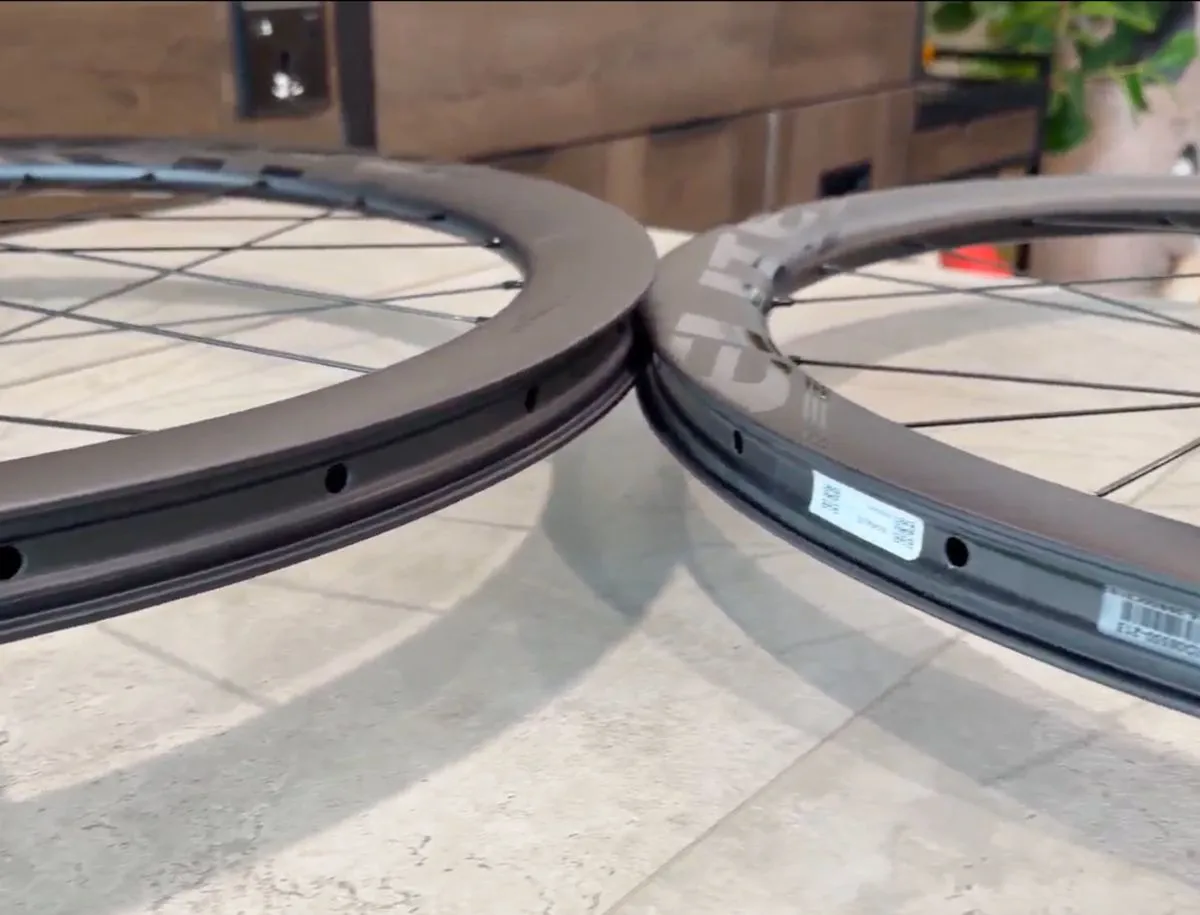
For many riders, this is the upgrade that actually matters. Almost every budget carbon wheel, including the ENT 2.0, has stuck with a 21mm internal width for years, even as 30mm and 32mm tyres have become standard. Mount a wide tyre on a narrow internal rim, and you distort the tyre's profile, which affects both handling and grip.
The ENT 3.0's 23mm internal width fixes that. Your tyre sits as it was designed to, and you get the ride characteristics the tyre manufacturer intended. If your frame caps out at 28mm tyres, though, as a couple of mine do, this upgrade won't change much about how the wheel rides - and in that case, the ENT 2.0 might genuinely be the smarter buy at $100 less.
Hooked Rim - Tubed or Tubeless
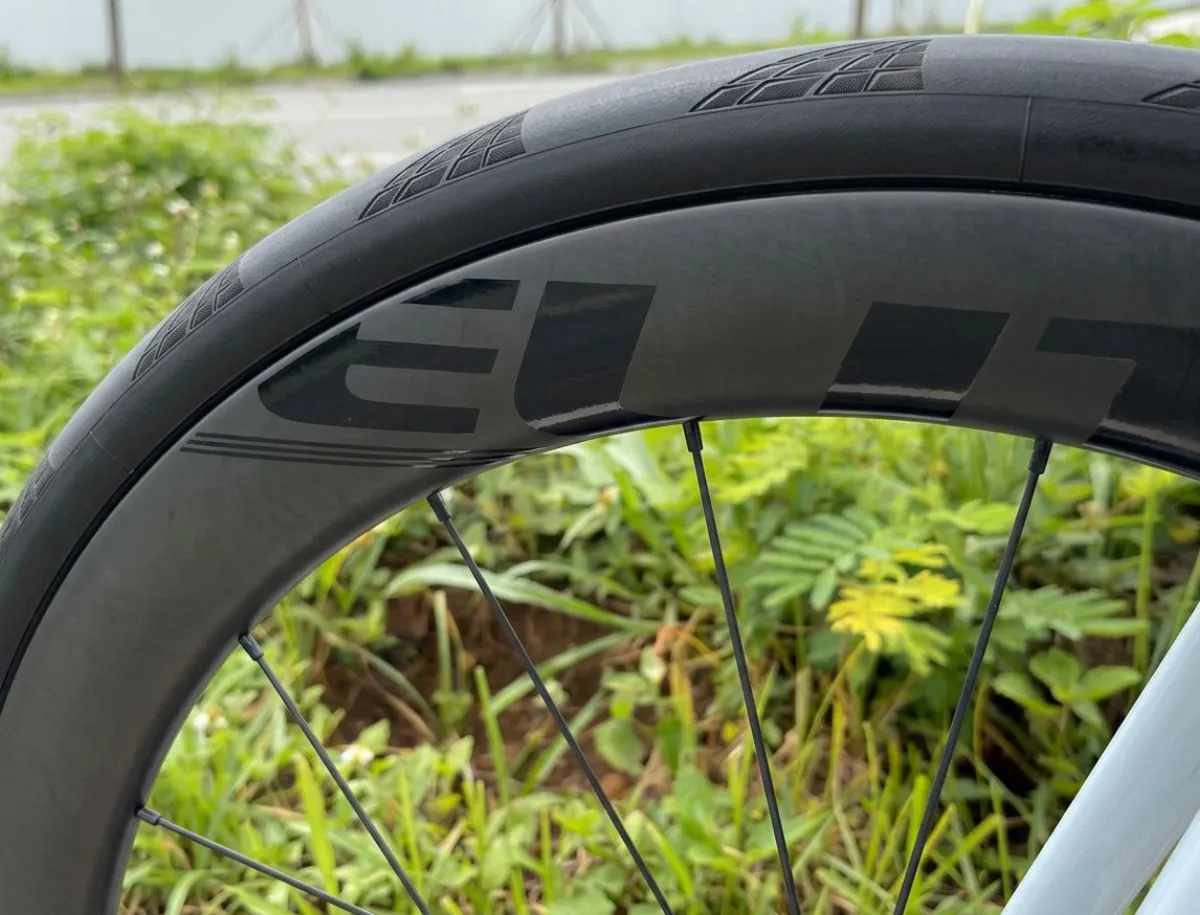
The ENT 3.0 uses a hooked rim design, so you can run tubes or go tubeless without the pressure restrictions that come with hookless rims. A small number of wheels at this price point have gone hookless, which locks you into tubeless-only tyres and lower maximum pressures. The ENT 3.0 doesn't have that limitation.
Pillar 1423: Spokes and Spoke Tension
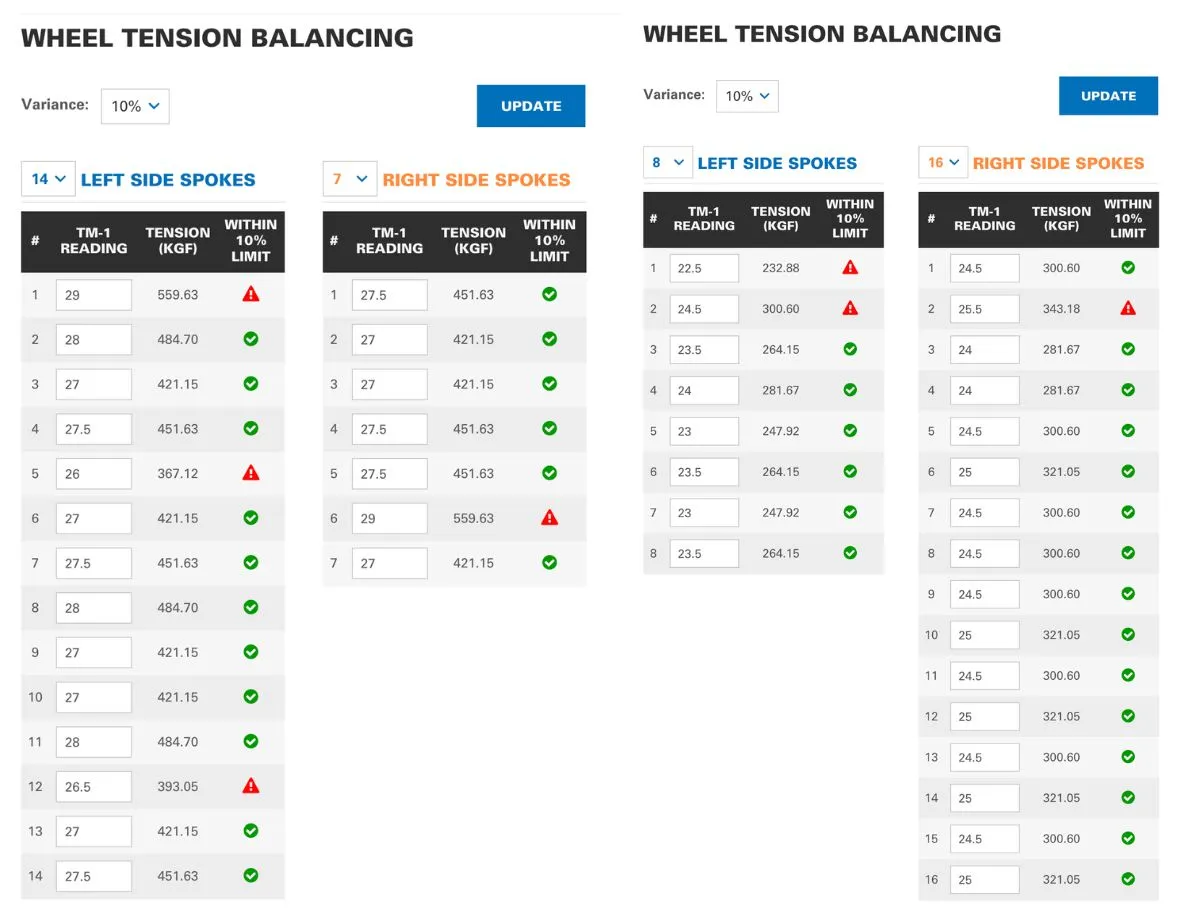
The ENT 3.0 comes with Pillar 1423 steel spokes - 21 up front, 24 on the rear - butted from 1.4mm at the ends to 2.3mm in the middle for a balance of strength and weight. Both wheels use 2:1 lacing, which spreads tension more evenly between the drive and non-drive sides. You don't always get that kind of detail at this price.
I test spoke tension on every wheel I review using a Park Tool TM-1 tension meter, flagging any spoke that falls more than 10% above or below the wheel's average. On the ENT 3.0, 3 spokes on the rear wheel and 4 on the front came back outside that range - 7 out of tolerance in total. That's about average across the 20-plus wheels I've tested, and reasonable for a $400 wheelset. I scored it 3 out of 5 for spoke tension on the Carbon Wheel Scorecard.
Upgraded Hub - 120 Points of Engagement
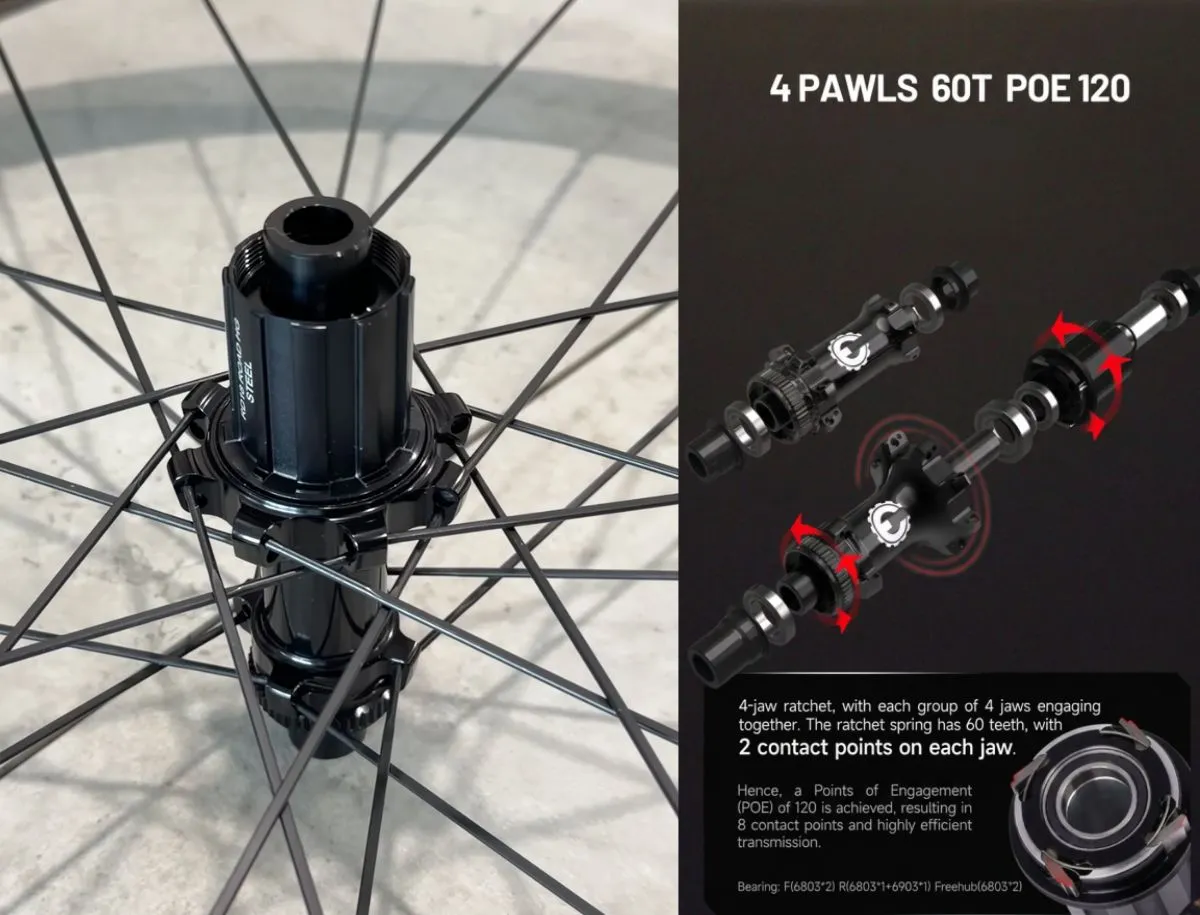
The new hub uses a 4-pawl, 60-tooth ratchet system rated at 120 points of engagement, meaning it engages roughly every 3 degrees of pedal rotation. In practice, that translates to a snappier, more immediate feel when you put power down, noticeably better than the sluggish feel you get on a lot of budget hubs. Elitewheels claims a 15% improvement in rear wheel transmission efficiency over the previous hub, though I haven't independently verified that figure.
The hub shell has ventilation holes drilled into it, which help dissipate heat on long descents and let moisture escape rather than sit inside and cause corrosion. That's a small detail, but it matters if you ride in wet conditions. The rider weight limit is listed at 125kg (275lbs), which covers the vast majority of riders without issue.
Carbon Fibre Quality Test
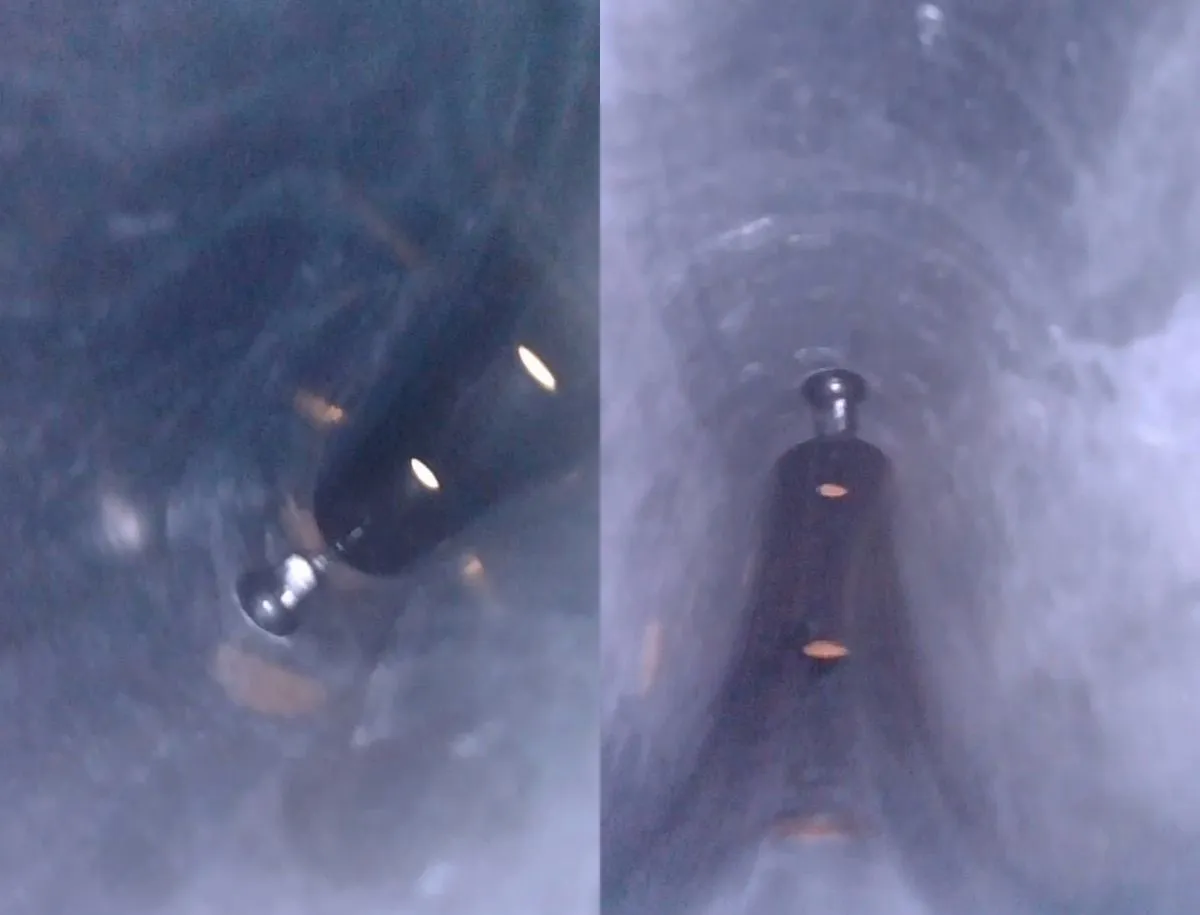
Here's where the ENT 3.0 genuinely impressed me. I run an endoscope camera inside the rim to check the internal layup for dry spots, delamination, voids, or air pockets. Both wheels came back with a clean, consistent internal finish - some light granular texture around the spoke holes, but nothing close to the resin pooling or wrinkling I've seen on lower-scoring wheels.
On the Carbon Wheel Scorecard, that earned the ENT 3.0 a 4 out of 5 for carbon fibre quality - the highest score I've given any budget carbon wheel.
Ceramic Bearings - Worth the Upgrade?
Ceramic bearings are available for around $35-40 extra. I don't think it's worth the money at this price point. The real-world performance difference between ceramic and steel bearings on a wheelset like this is negligible for the vast majority of riders, and the people who genuinely benefit are racing at a level where they're not shopping for budget carbon wheels in the first place.
Ride Experience
I'm 200km in, which is enough for a genuine first impression but not enough for a definitive verdict.
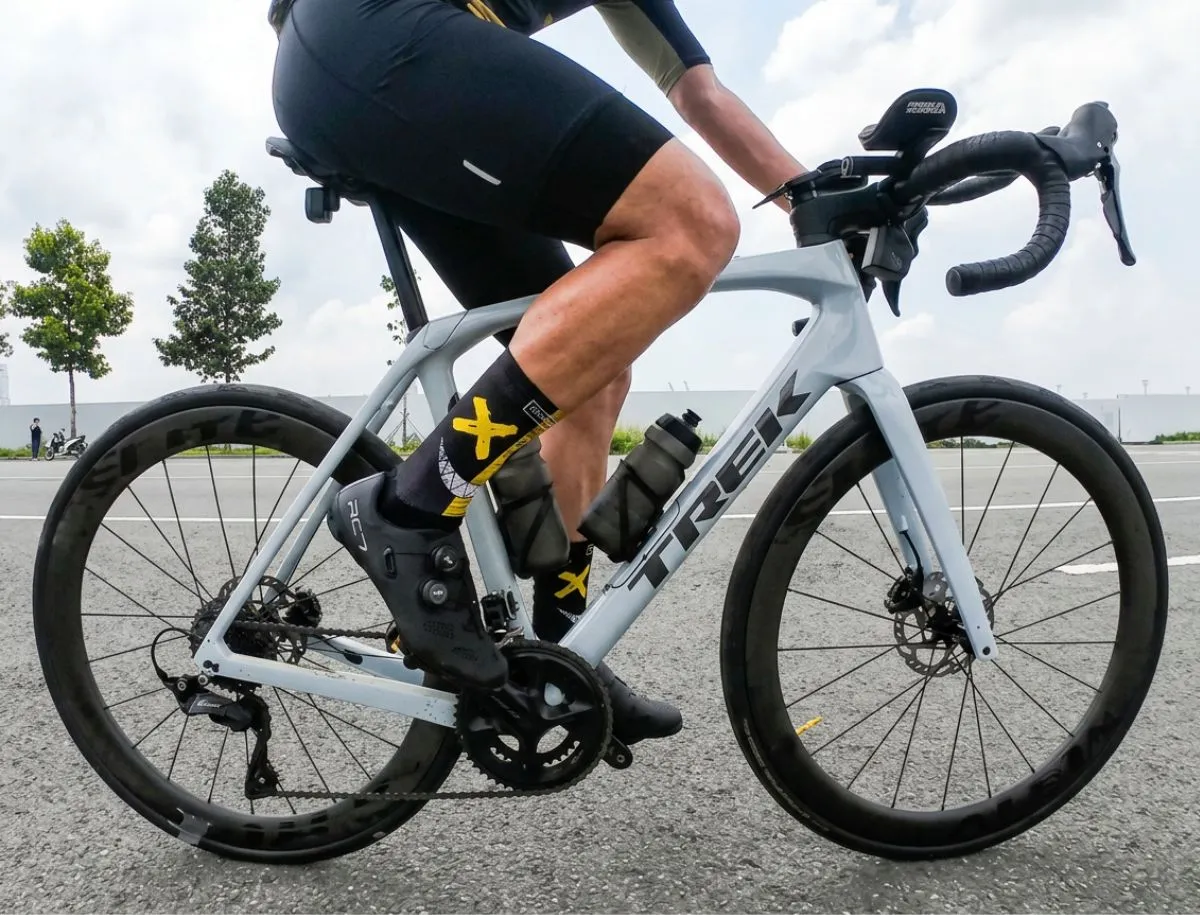
The ENT 3.0 feels noticeably stiffer than the ENT 2.0, especially out of the saddle. Power goes down, and the wheel responds immediately, with very little flex. Whether that translates into real speed gains over the 2.0 is impossible to say without more testing, but it feels stiff for the price regardless.
Budget carbon wheels usually get criticised here, and the ENT 3.0 holds up better than I expected. The 23mm internal width paired with a 32mm tyre at lower pressure does most of the work here. There's still some road buzz on rougher surfaces, but nothing that had me wanting to swap back to the 2.0. I run Continental GP 5000 S TR tubeless tyres on every wheel I test, to at least control that one variable.
Predictable and confidence-inspiring through corners - nothing twitchy, nothing vague. They track well in a straight line and respond cleanly to input.
I tested the 50mm depth option, and you will feel crosswind gusts at that depth. That's just physics - a deeper rim gives the wind more surface area to push against. It's manageable, but if you ride somewhere consistently exposed and windy, the 38mm option is the smarter call.
The hub sounds exactly like the ENT 2.0's - loud but not obnoxious, and slightly on the higher-pitched side.
Overall, for a first-impressions verdict: these ride better than the price suggests, and the wider internal width is doing most of the heavy lifting.
Value: Is the Elitewheels ENT 3.0 Worth $100 More Than the ENT 2.0?
At the time of writing, the ENT 3.0 lists for $457 and drops to around $397 with the current $60 coupon. The ENT 2.0 sits at roughly $303-374, depending on the live promotion. That's a genuine $100 gap, and whether it's worth paying comes down to your tyre width.
If you're running 30mm or 32mm tyres, the 23mm internal width alone justifies most of that gap. You're getting the tyre profile and handling your tyre was actually designed around, not a compromise. If your frame tops out at 28mm tyres, the wider internal width won't change much about how the wheel rides, and I'd genuinely consider saving the $100 and buying the ENT 2.0 instead - it's also had two years of real-world use behind it, with hundreds of owner reports on Reddit, forums, and YouTube that the ENT 3.0 simply doesn't have yet.
Warranty on the ENT 3.0 is 1000 days - just under 2 years and 9 months- which is on par with the industry standard for this price bracket. There's no crash replacement policy, which is normal below $700.
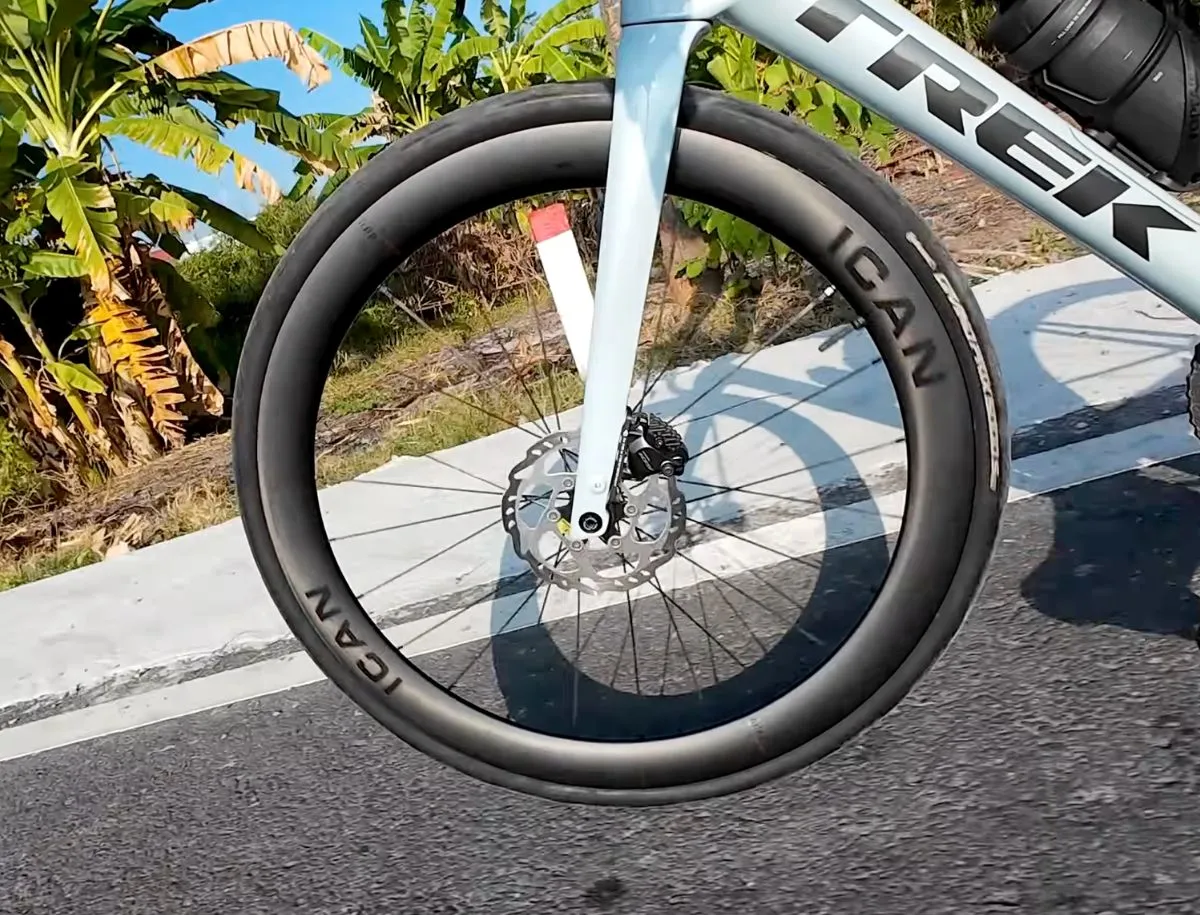
For comparison, if you've got roughly $230-240 more to spend, the ICAN Aero 50 II is worth a look. It won my Best All-Rounder award on the Carbon Wheel Scorecard, weighs 1247g against the ENT 3.0's 1603g, and posted close to perfect spoke tension in my testing - a difference of around 350g, which is significant for a carbon wheelset. It's a genuinely different tier of wheel, at a genuinely different price.
If you do buy the ENT 3.0, check the live coupon on my link first - the $60 discount I paid was current at the time of filming, and AliExpress promotions change often.
Who Should Buy the ENT 3.0 (and Who Should Skip It)
Buy it if you:
- Run 30mm or 32mm tyres and want a rim built around them
- Want the snappiest hub feel available under $450
- Care about how your wheels look as much as how they perform
- Are upgrading from stock aluminium wheels and want a genuine step up
Skip it if you:
- Run 25-28mm tyres and won't benefit from the wider internal width - the ENT 2.0 will serve you just as well for less
- Want more than three rim depth options to choose from
- Want a wheel with two years of owner feedback behind it, not a few weeks
- Are chasing weight savings above all else - look at the ICAN Aero 50 II instead

Review by Mike Dee
I test road bikes, carbon wheels, and cycling gear with quantifiable lab tests and real riding. No marketing spin, just the data - so you don't have to spend hours researching or wasting money on the wrong gear.