



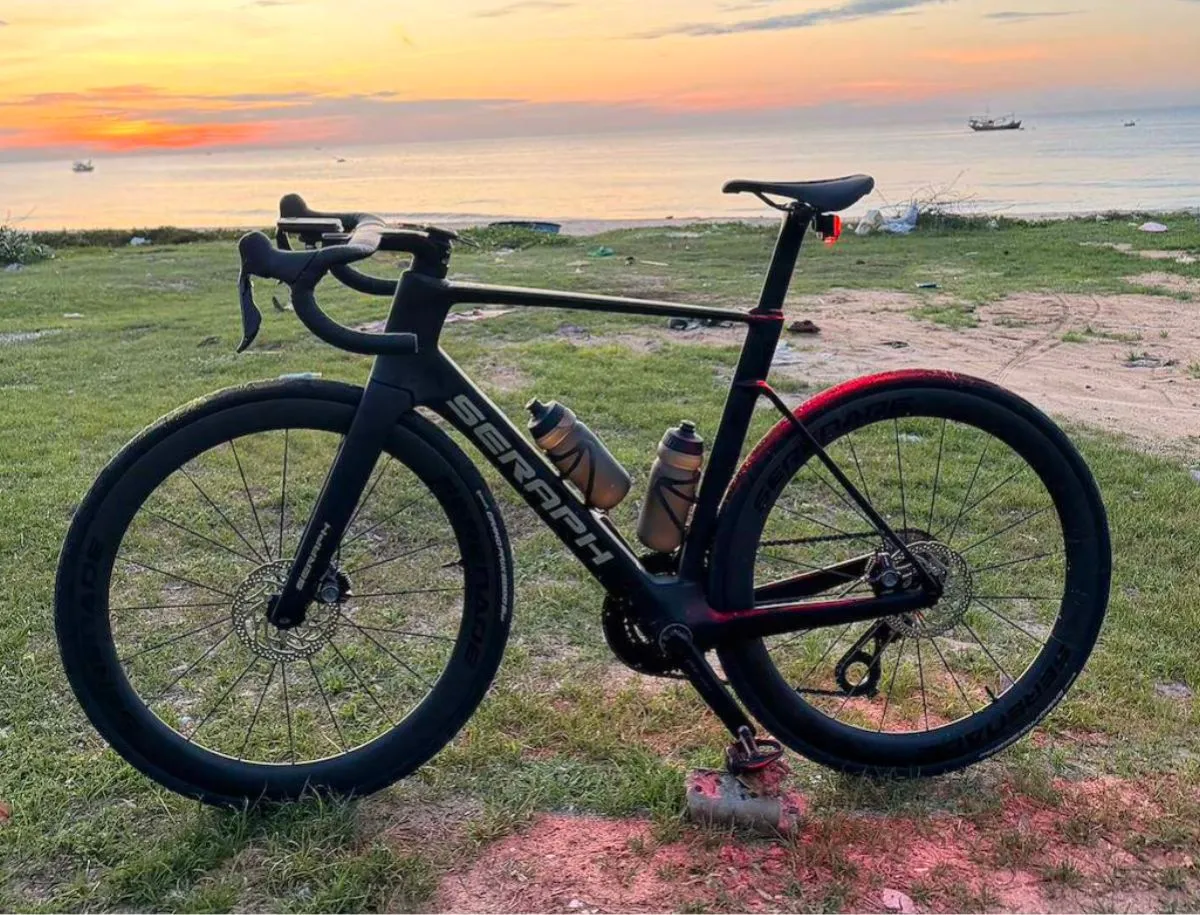
Seraph TT-X71 Review: The Best $1,600 Carbon Bike on AliExpress?
I've tested a lot of Chinese carbon bikes. Out of all of them, this Seraph TT-X71 review is the one I went back and forth on the most before hitting publish.
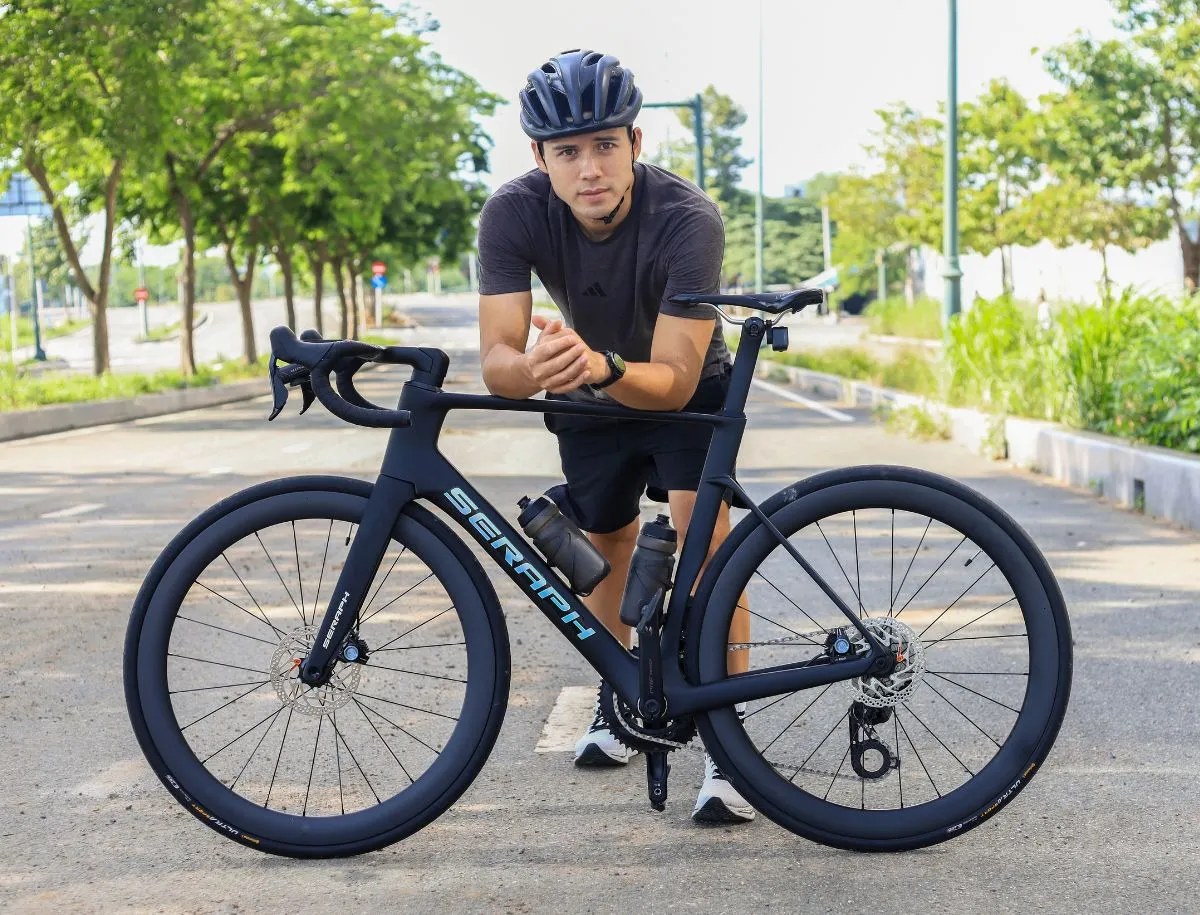
Quick disclosure first: I paid for this bike with my own money. I told Seraph I'd be filming and writing a review before I bought it, and they knocked some money off the retail price because of that. Nobody at Seraph has seen this review before you have, and nothing here changes because of the discount. That's the same rule I apply to every bike I test.
What Is the Seraph TT-X71?
Seraph is a bike brand made by TanTan Cycling, a manufacturer based in Shenzhen that sells direct-to-consumer through AliExpress and its own site, seraphbikes.com. Cutting out the dealer network is the entire reason Seraph can put a full carbon frame, carbon wheels, and an electronic groupset on one bike for $1,600.
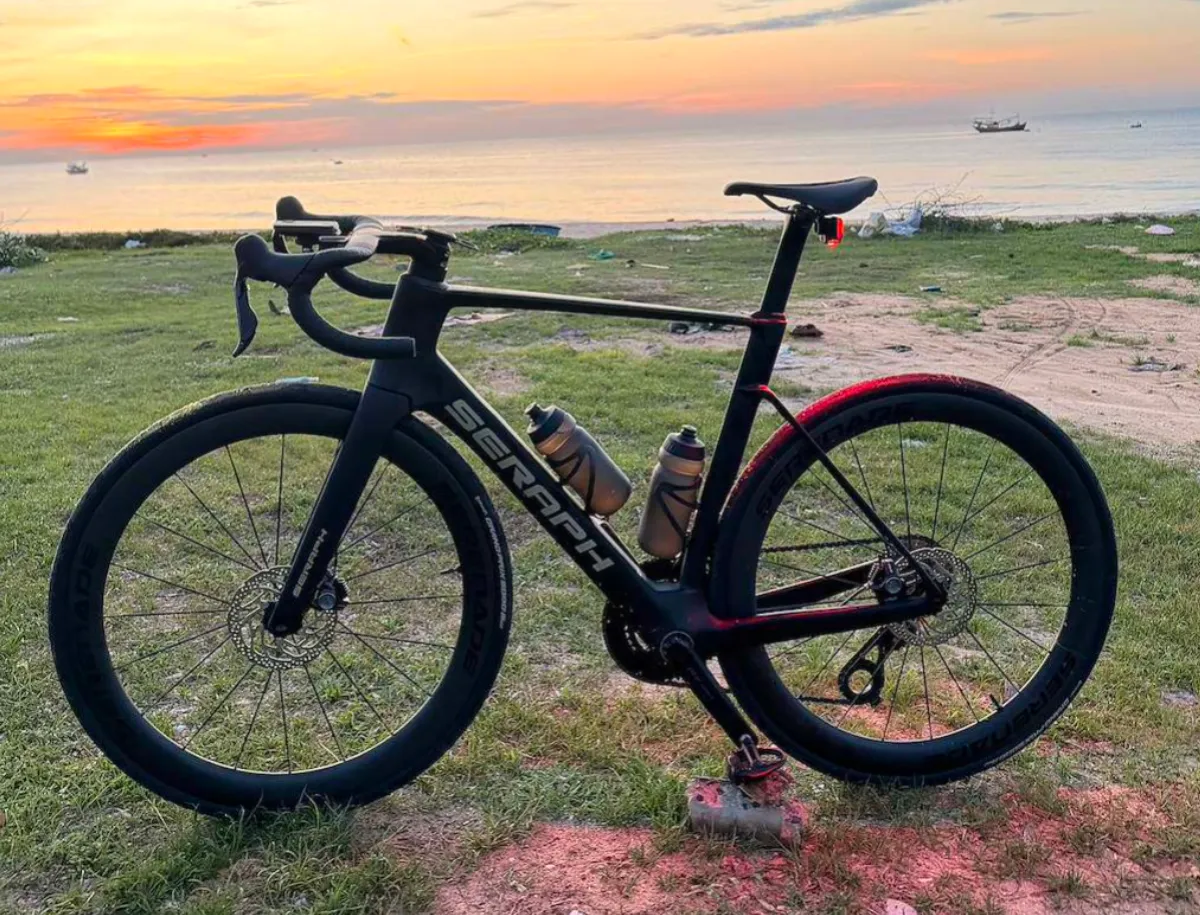
The TT-X71 is one of their newer aero framesets. According to Seraph's own spec sheet, the frame and fork are built from Toray T800 and T1000 carbon, it uses a T47 threaded bottom bracket, a UDH derailleur hanger, and a max tyre clearance of 700x30C.
One detail matters more than most people realise before they buy: the frame is only compatible with electronic groupsets. There's no cable routing for a mechanical rear derailleur, so if Wheeltop's system ever lets you down, your options are limited to other electronic drivetrains, not a cheap mechanical fallback.
I've owned three Treks (a Speed Concept SL7, a Domane SL5, and a Marlin 5), so I'm not coming at this bike as someone with a grudge against Western brands. I just don't think the price premium always matches the performance gap, and this bike is a good test case for that argument.
First Impressions: Unboxing, Fees, and What to Expect
The unboxing itself was unremarkable, and I mean that as a compliment. No damage to the frame, decent packaging, and it went together without any real difficulty.
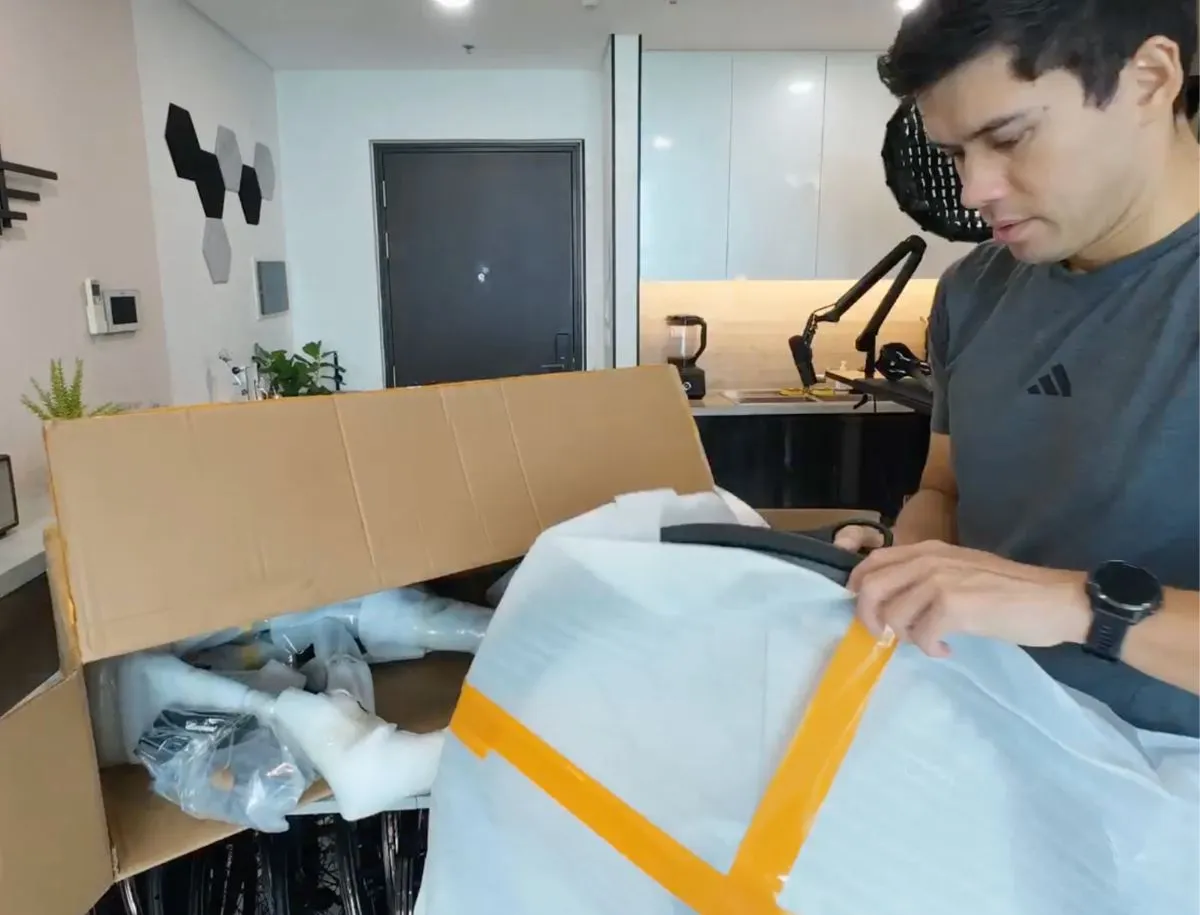
Mine arrived as one shipment, though AliExpress reviews on the listing mention some buyers receiving the wheels and drivetrain in a separate box from the frame. Delivery times on those reviews ranged from 13 to 39 days depending on location.
Buying through AliExpress does still get you AliExpress Buyer Protection, which is worth something. If there's a dispute with the seller, AliExpress steps in as a third party. I've bought hundreds of items on AliExpress over about 10 years, and in my experience they're reasonably fair when a dispute goes to them, which is more protection than you get buying directly from a manufacturer's own website.
If you just want the frame, Seraph sell that separately too, at roughly $700 shipped, which is worth knowing if you've already got a groupset and wheels to transfer over.
What Makes the Seraph TT-X71 Different
A full carbon build at $1,600
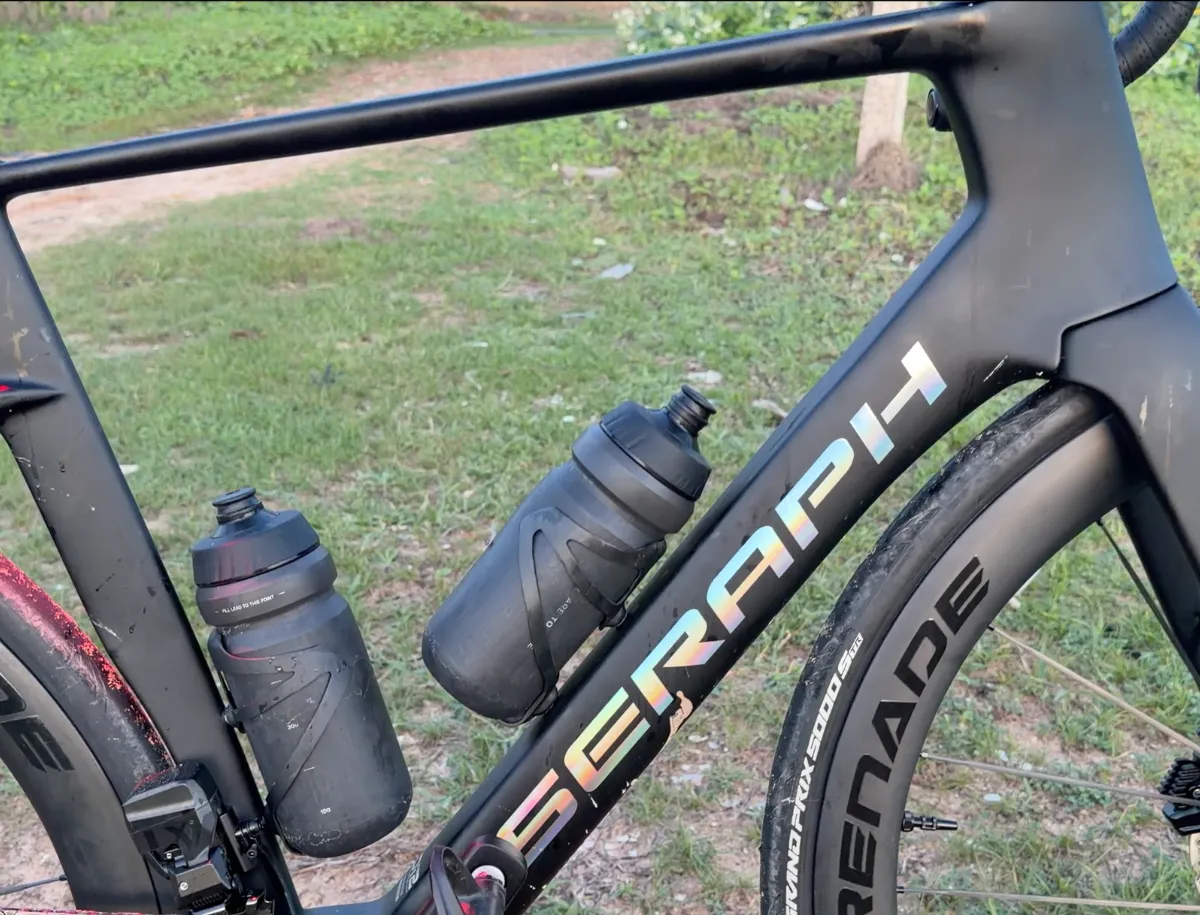
Carbon frame, carbon fork, carbon seat post, and carbon integrated handlebars are all standard at this price. On their own, that's good value, not exceptional value. Plenty of Chinese frames hit that spec for similar money.
The Wheeltop EDS TX electronic groupset
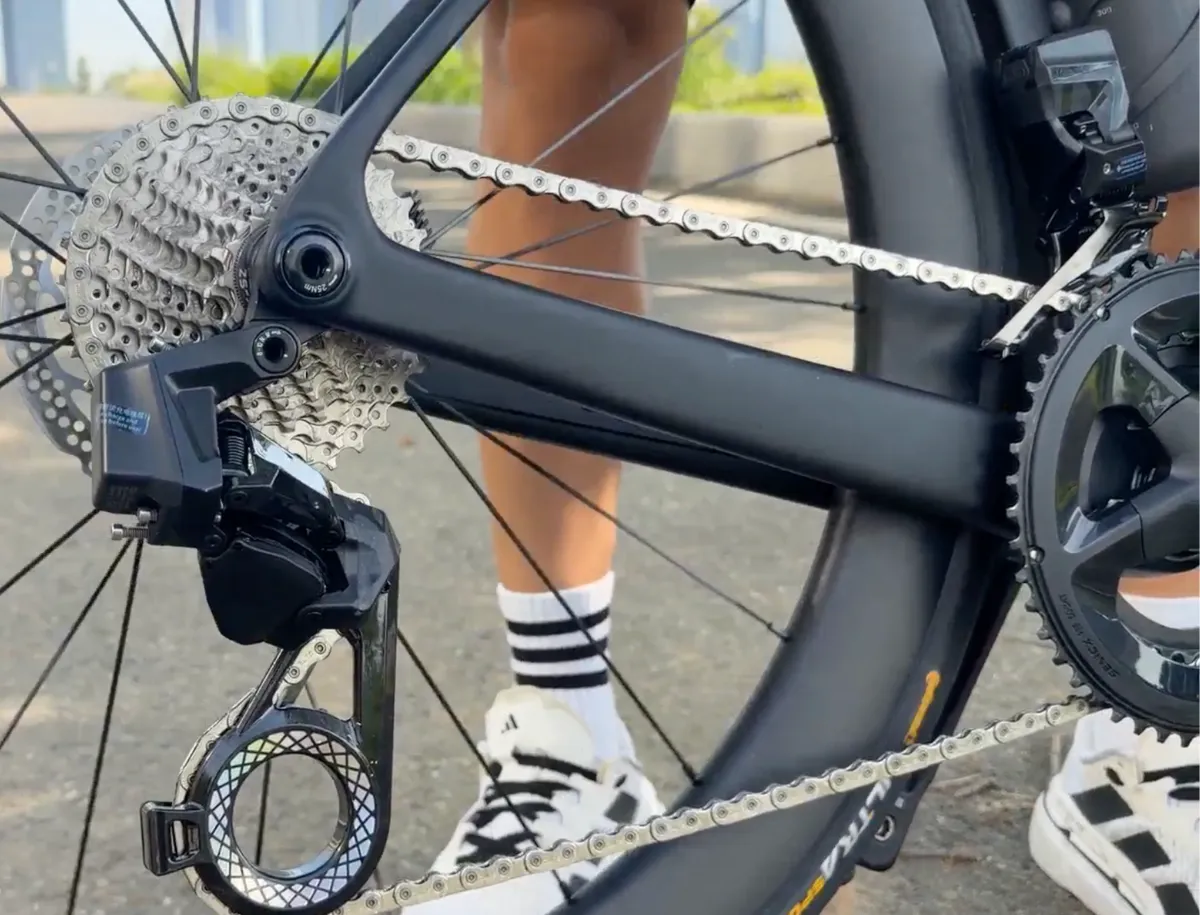
This is the part that pushes the TT-X71 above most bikes in its price bracket. Wheeltop's EDS-TX is a wireless electronic groupset, and independent long-term testing from road.cc found it shifts comparably to Shimano in day-to-day use, with a few durability quirks around the hood rubbers and brake pad noise showing up over extended use.
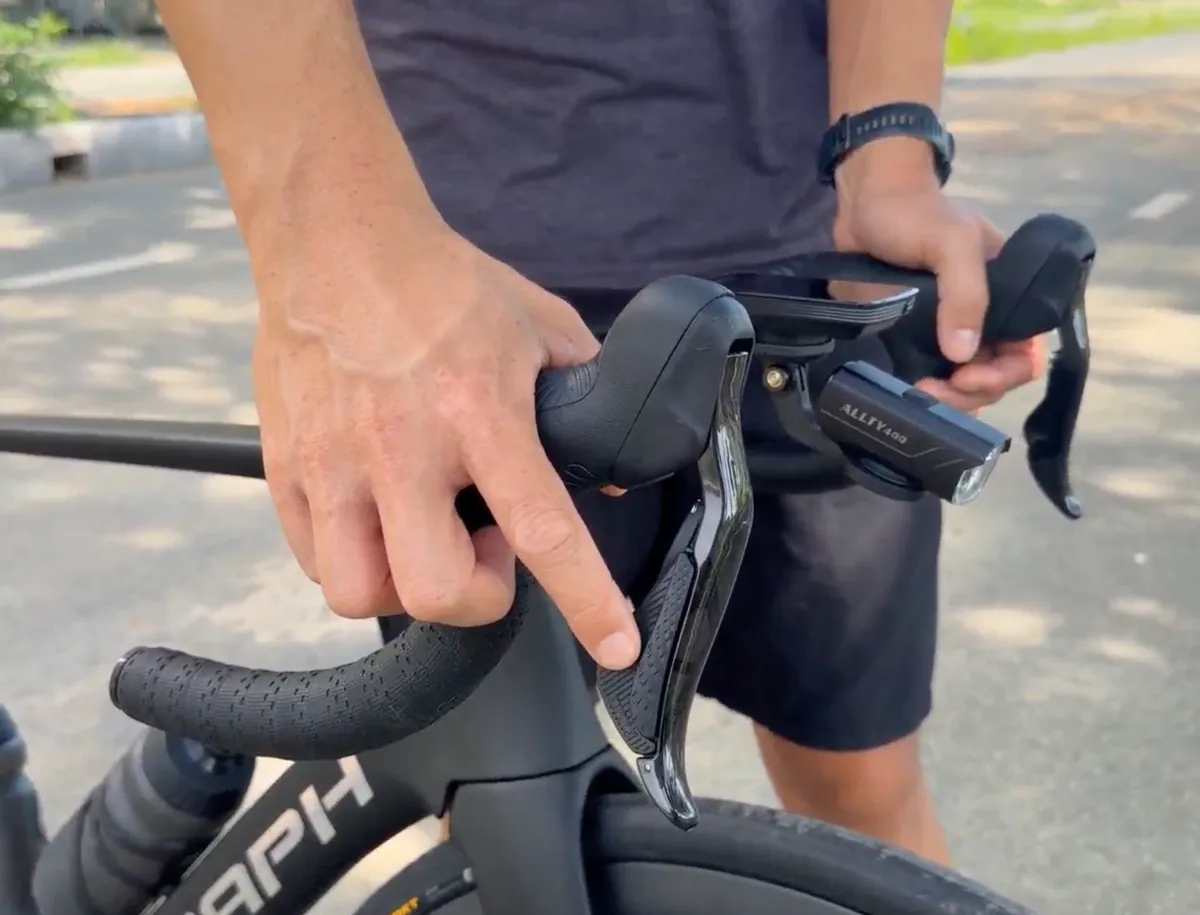
My own experience over 1,000km lines up with that. It's not as refined as Shimano 105 or Ultegra Di2, but it's close, and I'd take this electronic groupset over a mechanical 105 groupset every time. There's also a psychological effect worth naming: electronic shifting just makes a bike feel more expensive than it is, and on a $1,600 build, that matters.
50mm carbon wheels as standard
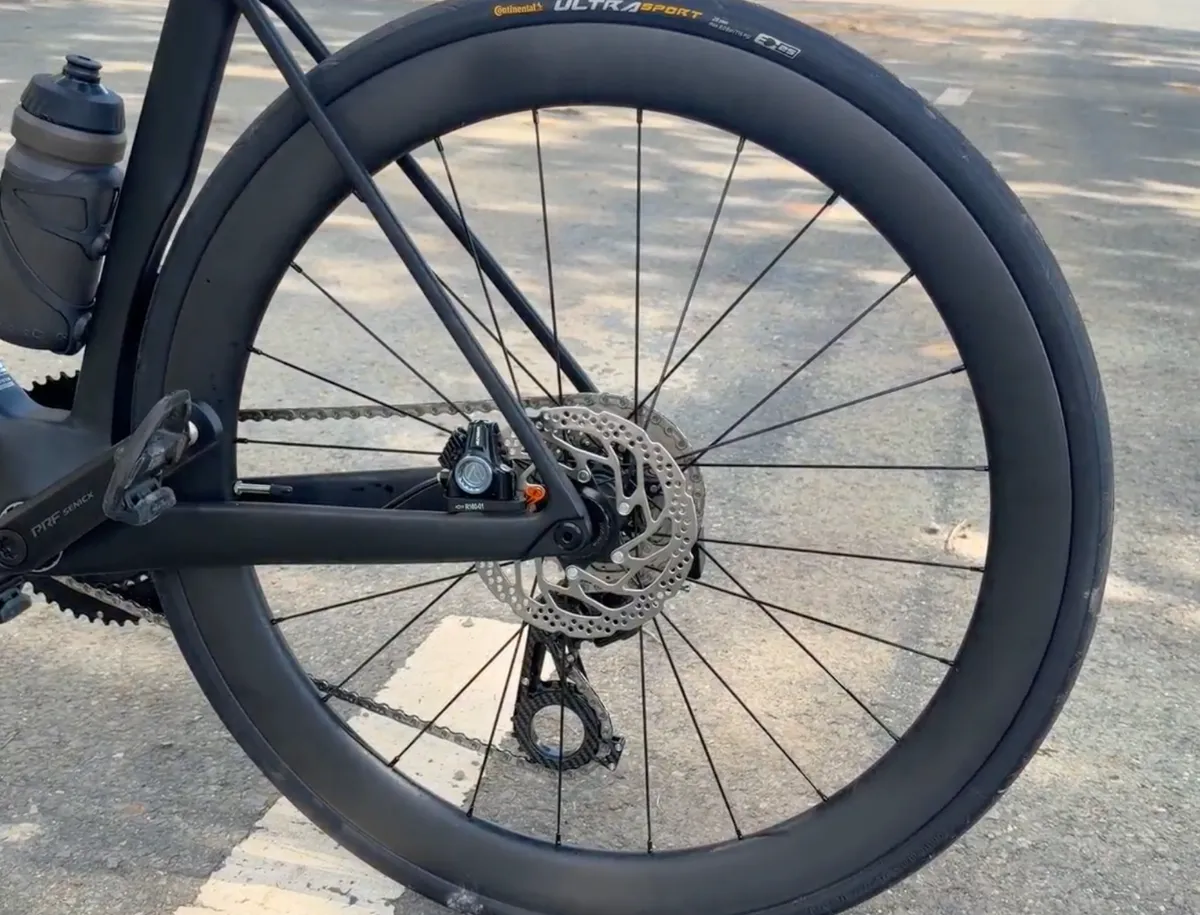
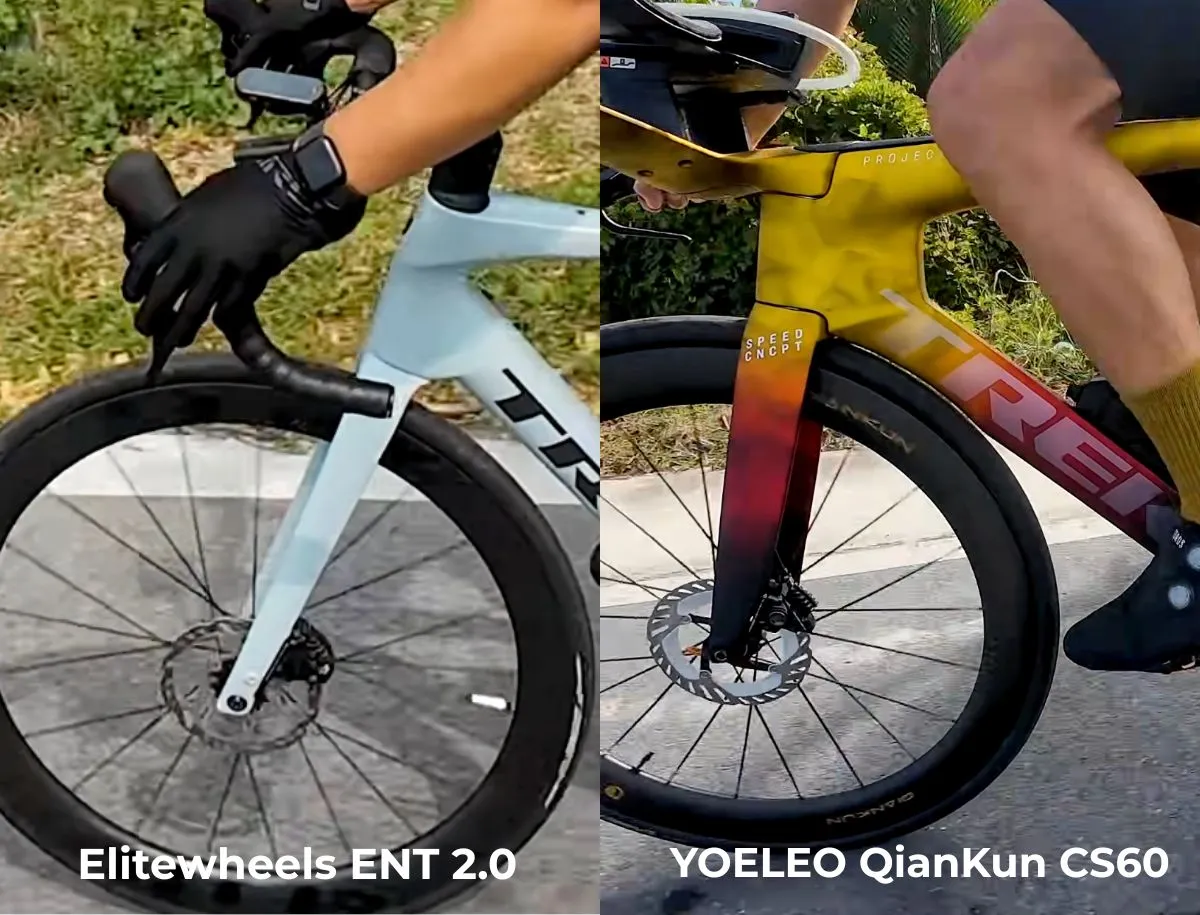
Most bikes in this price range ship with aluminium wheels. Getting 50mm carbon wheels as stock equipment, rather than a $500+ aftermarket upgrade, changes the character of the whole bike.
30mm tyre clearance
The frame's official max tyre clearance is 700x30C, confirmed on Seraph's own spec sheet. A lot of Chinese aero frames at this price cap out at 28mm, so the extra 2mm is a genuine point in the TT-X71's favour if you like running wider rubber for comfort.
Ride Experience: 1,000km in Real Conditions
I've ridden this bike on steep climbs, in Saigon traffic, on gravel it was never designed for, and on long solo efforts. Here's how it actually behaves.
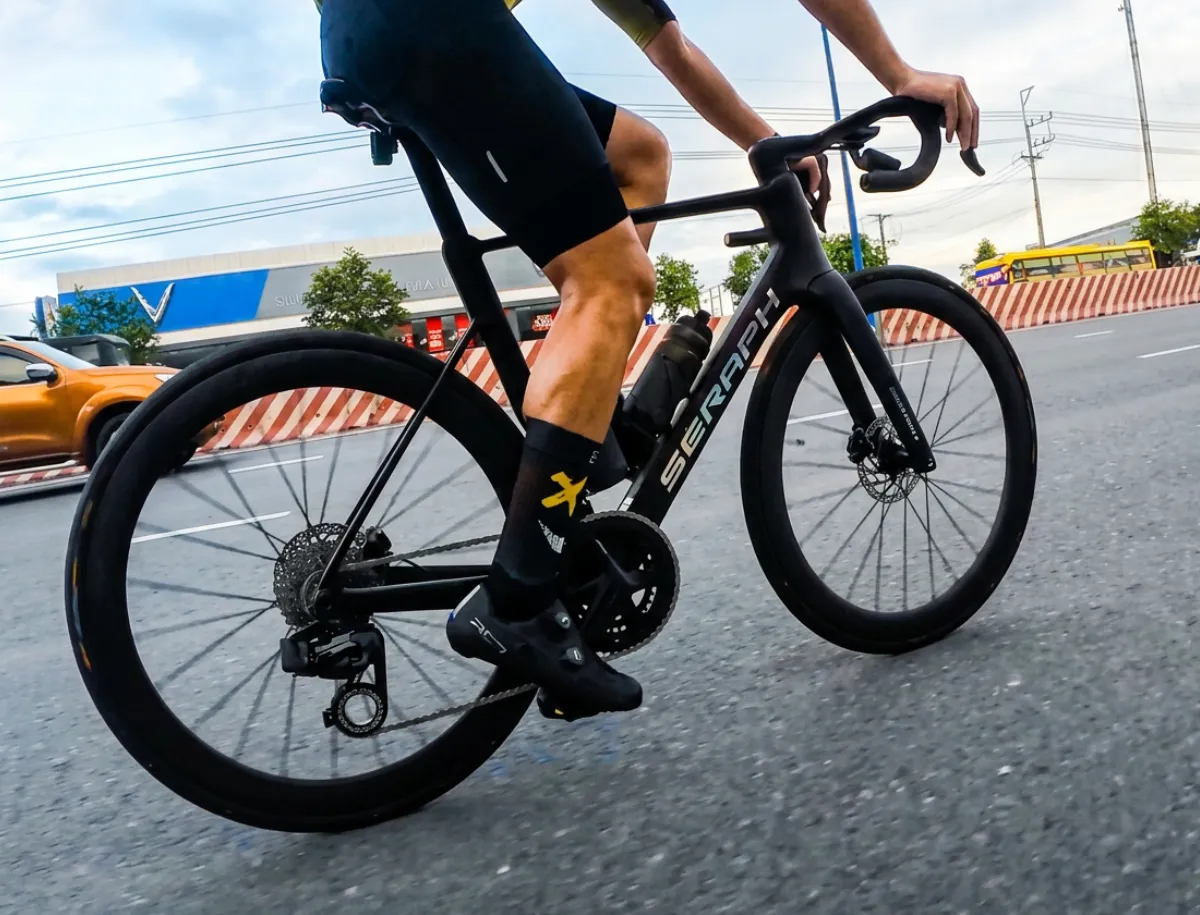
Speed. With a bit of tailwind and a downhill gradient, I've hit 75kph on this bike without much effort. On the flat in a group, it holds pace easily.
Comfort. This surprised me the most. Chinese-market aero bikes tend to be built for a domestic rider base that skews shorter and younger, which usually means a more aggressive, less forgiving position. This one isn't like that. I can do 100km to 150km rides and still feel fine at the end. Comfort on this bike over a 100km+ ride is roughly on par with my Trek Domane SL5, which is a dedicated endurance bike, and that's a genuinely good result for an aero frame at this price.
Stiffness. Standing and putting the power down, there's no noticeable flex through the bottom bracket. Combined with the aero tube shapes and 50mm wheels, it surges forward the way a much pricier aero bike should.
Handling at normal speeds. Sharp and predictable. In group rides between 30kph and 40kph, cornering is planted, and the bike goes exactly where I point it.
Handling at high speed. This is where I have to be honest about a real problem. Descending at around 70kph, the bike developed a proper speed wobble. I stopped pedalling and clamped my knees against the top tube, which settled it, but it shook my confidence at those speeds afterward. Most riders won't regularly hit 70kph, so for the majority of buyers this won't come up.
It's worth checking your headset tension too, since a loose headset is one of the most common causes of speed wobble, and it's a free fix. The narrow aero handlebars are part of the story here: they're great for aerodynamics at normal speeds, but they give you less leverage over the front wheel, which is exactly the wrong trade-off at 70kph plus.
Gearing in group rides. The rear derailleur runs a wide-range cassette, which is great for climbing but means bigger jumps between gears. At around 32kph in a group, I sometimes find myself stuck between two gears, one slightly too fast, one making me push too hard. Riding solo, I just adjust my speed and it's a non-issue. In a group where you're matching someone else's pace, it's a small but real annoyance.
Value: Is $1,600 Actually a Good Deal?
Here's how the TT-X71 stacks up against the alternatives, at current pricing:
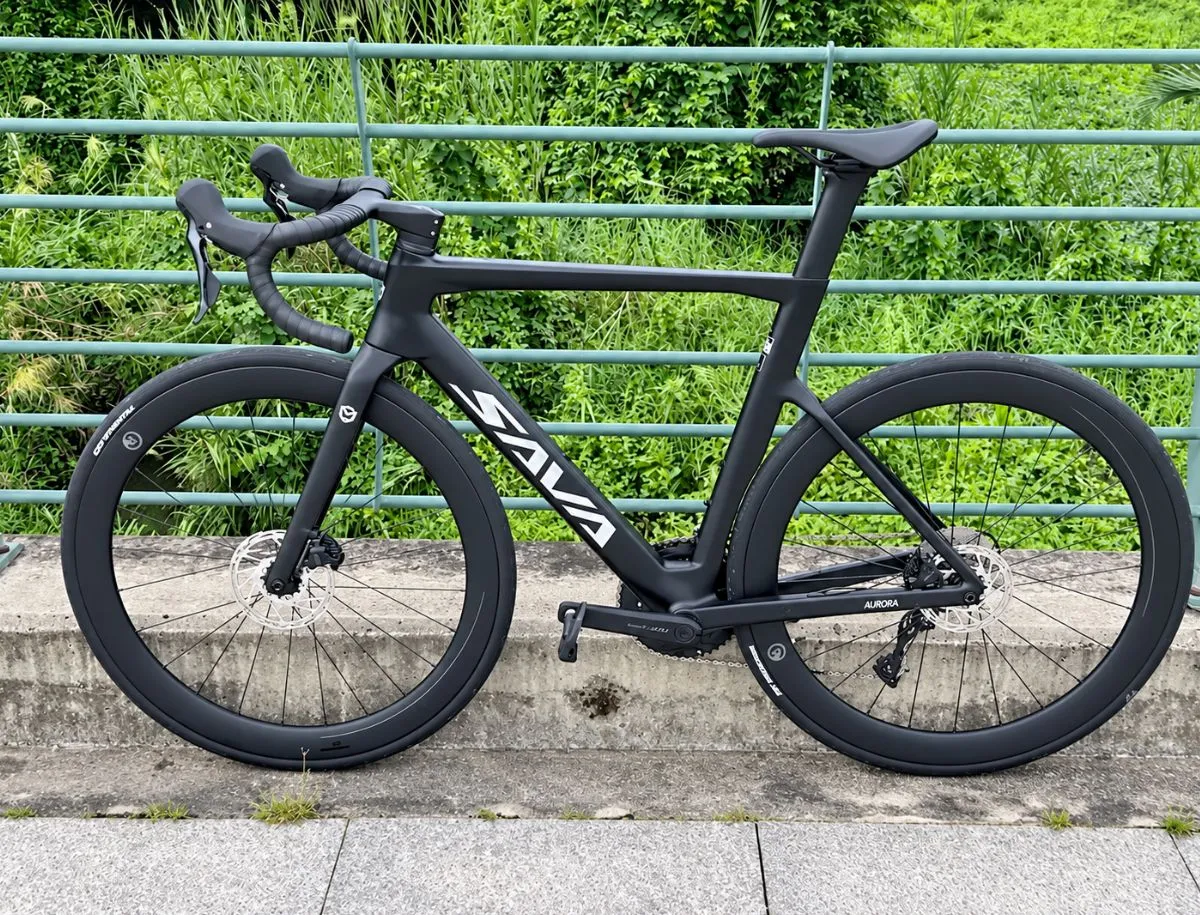
Against the SAVA A7L Pro, a bike I've also bought and reviewed, the case for the Seraph is close but real: 30mm tyre clearance versus SAVA's 28mm, 28mm stock tyres versus SAVA's 25mm, and electronic shifting versus SAVA's mechanical 105. My SAVA also arrived with minor transit damage, which SAVA covered without argument, while my Seraph arrived undamaged.
Against Trek, the gap is where this review earns its headline. A Madone SL5 at roughly $2,800 gets you mechanical 105 and alloy wheels, over $1,100 more than the Seraph for a lower spec on paper. Stepping up to a Madone SL6 with 105 Di2 and carbon wheels puts you at roughly $5,000 to $5,500, more than triple the Seraph's price for a similar electronic-plus-carbon-wheel combination.
Trek's after-sales support, dealer network, and warranty are real advantages you're paying for, and I wouldn't pretend otherwise. I own three Treks myself. But spec-for-spec, the Seraph closes that gap harder than almost anything else I've tested.
Who Should Buy the Seraph TT-X71
- First-time carbon buyers who want electronic shifting without the Trek price tag. You get the full experience: carbon frame, carbon wheels, and Di2-style shifting, for under $1,700.
- Riders who mostly ride at normal group and solo pace. The speed wobble only shows up well past 70 km/h, which most people rarely reach.
- Anyone who wants a second bike for indoor training or a dedicated aero build. At this price, it's a reasonable bike to keep on a trainer or use purely for racing.
Who Should Skip It
- Riders who regularly descend at 70kph or more. The stability issue at high speed is real, and I'd want it addressed before recommending this to anyone doing serious mountain descents.
- Anyone who wants a mechanical groupset as a backup option. The frame is electronic-only, full stop.
- Weight-focused climbers. At 8.5- 8.9 kg, there are lighter options if grams are your priority over aero and price.

Review by Mike Dee
I test road bikes, carbon wheels, and cycling gear with quantifiable lab tests and real riding. No marketing spin, just the data - so you don't have to spend hours researching or wasting money on the wrong gear.